
20 Tamil Nadu hospitals to be equipped with liquid biomed waste treatment plants
CHENNAI: Though there is no scientific evidence to prove that coronavirus transmission happens through sewage, the State government is planning to build captive liquid biomedical waste treatment plants in 20 major hospitals. A proposal seeking financial assistance has been submitted to the Centre under the National Health Mission.
A senior official of Directorate of Medical Education told Express that the proposal was sent way before the pandemic. However, attempts are being made to expedite the setting up of the plants.
“All medical colleges and hospitals built after 2016 have Sewage Treatment Plant and Effluent Treatment Plant. For instance, the Omandurar medical college hospital is fully equipped and so are the ones that came up in Pudukkottai, Karur and Tiruvannamalai. The old institutions like Stanley, Kilpauk, Rajiv Gandhi are lacking such plants, which we are trying to correct now,” the official said.
As per BioMedical Waste Management Rules, 2016, it is mandatory for all bedded hospitals to have STP and ETP. But, the majority of government hospitals have not complied with the rules. After the National Green Tribunal started taking serious note of the issue and passing orders calling for heavy penalty and even closure, the private hospitals installed the plants.
The Schedule 1(F) of BMW Rules clearly states that chemical liquid waste, which is the liquid waste generated due to use of chemicals in production of biological and used or discarded disinfectants, Silver X-ray film developing liquid, discarded formalin, infected secretions, aspirated body fluids, liquid from laboratories and floor washing, cleaning, house-keeping and disinfecting activities etc, have to be pre-treated before mixing with other wastewater.
Due to lack of treatment plants, government hospitals are discharging the infectious and pathogen-loaded liquid biomedical waste into common sewer lines.
Officials at Government Stanley Hospital and Rajiv Gandhi Government General Hospital, which have over 4,000 beds and COVID-19 isolation wards, confirmed to Express that liquid biomedical waste is being discharged into common sewer lines.
The STPs in Royapuram and Perungudi treat liquid waste from these two hospitals.
Health experts claim that these sewer lines suffer from multiple leakages before reaching the STP. Also, drinking water pipelines run adjacent to these sewer lines, risking contamination.
Also Read: NGT asks CPCB to ensure compliance of biomedical waste management rules.
Source: New Indian Express
-
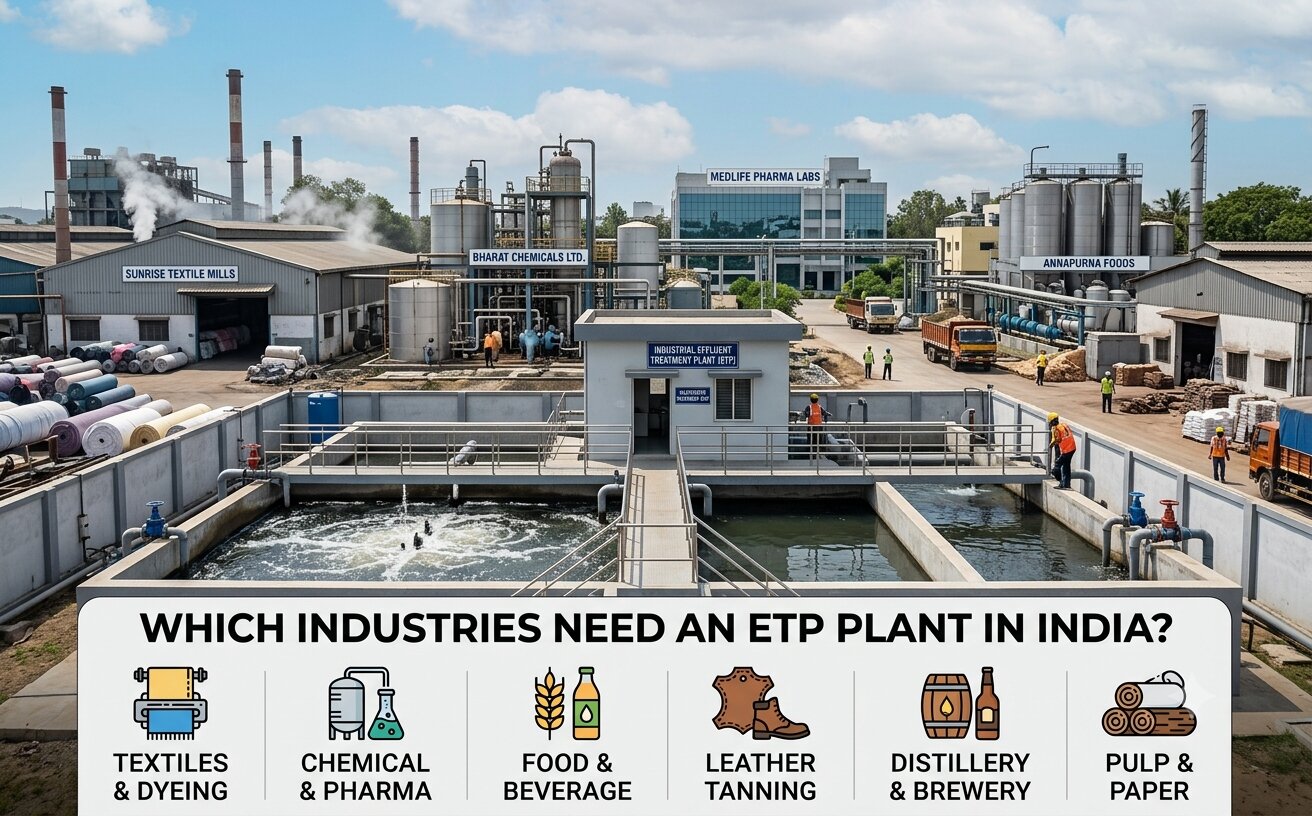
Which Industries need an ETP Plant in India?
17-09-2026
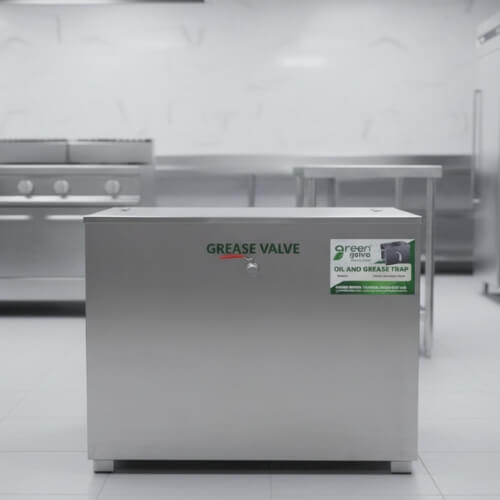
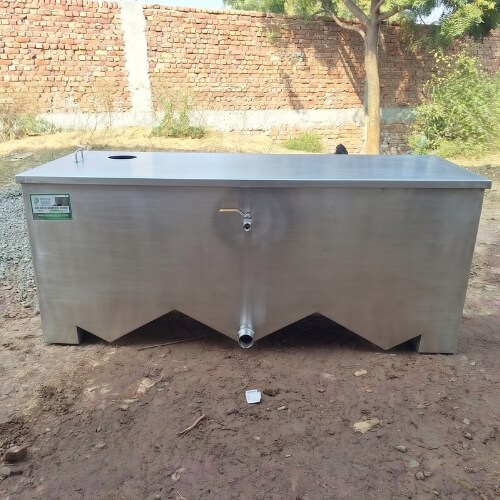
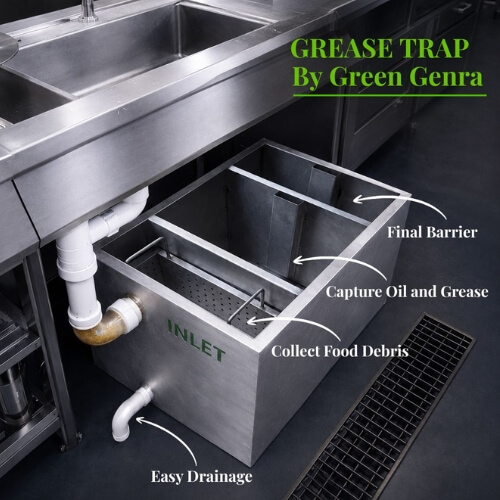
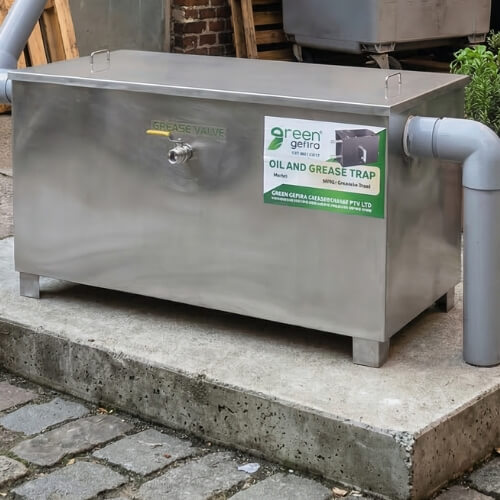
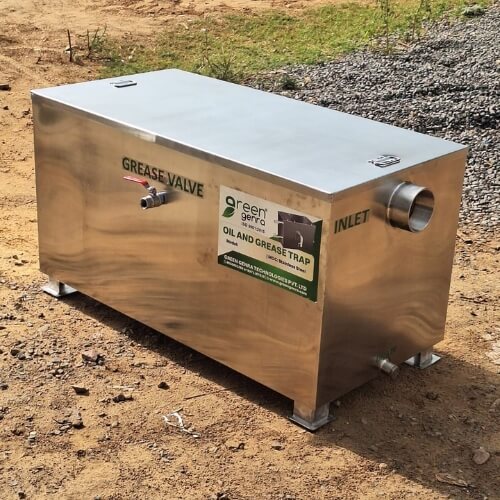
















































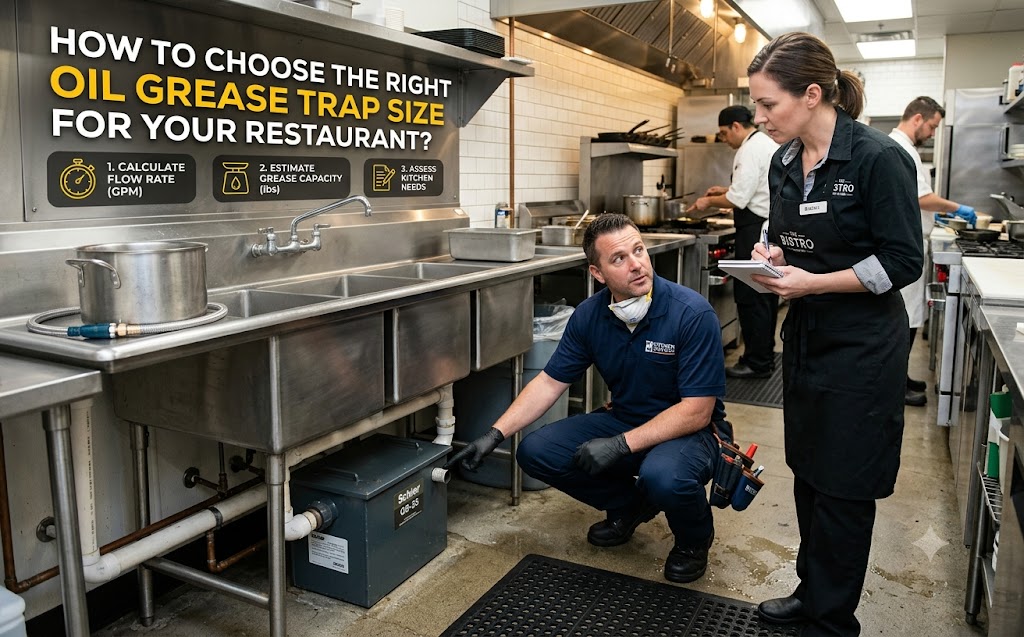
Choosing the right oil grease trap size for your restaurant is important for maintaining an efficient commercial kitchen, pre...
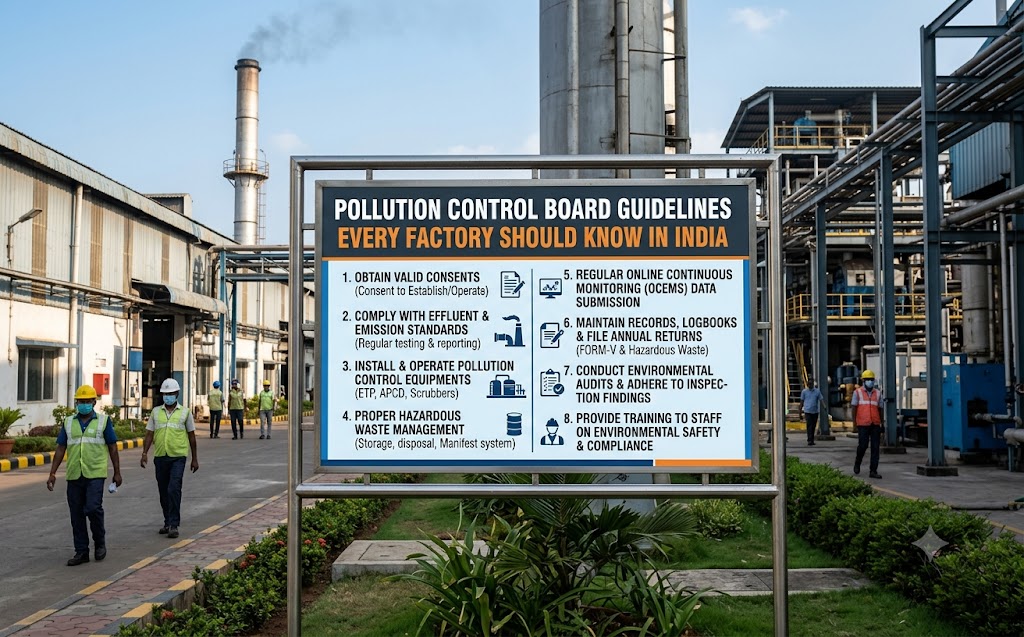
Factories in India operate under environmental regulations set by regulatory authorities to control pollution, protect natura...
Industrial growth in India has hit sky-high across many verticals, including manufacturing, textiles, pharmaceuticals, chemic...
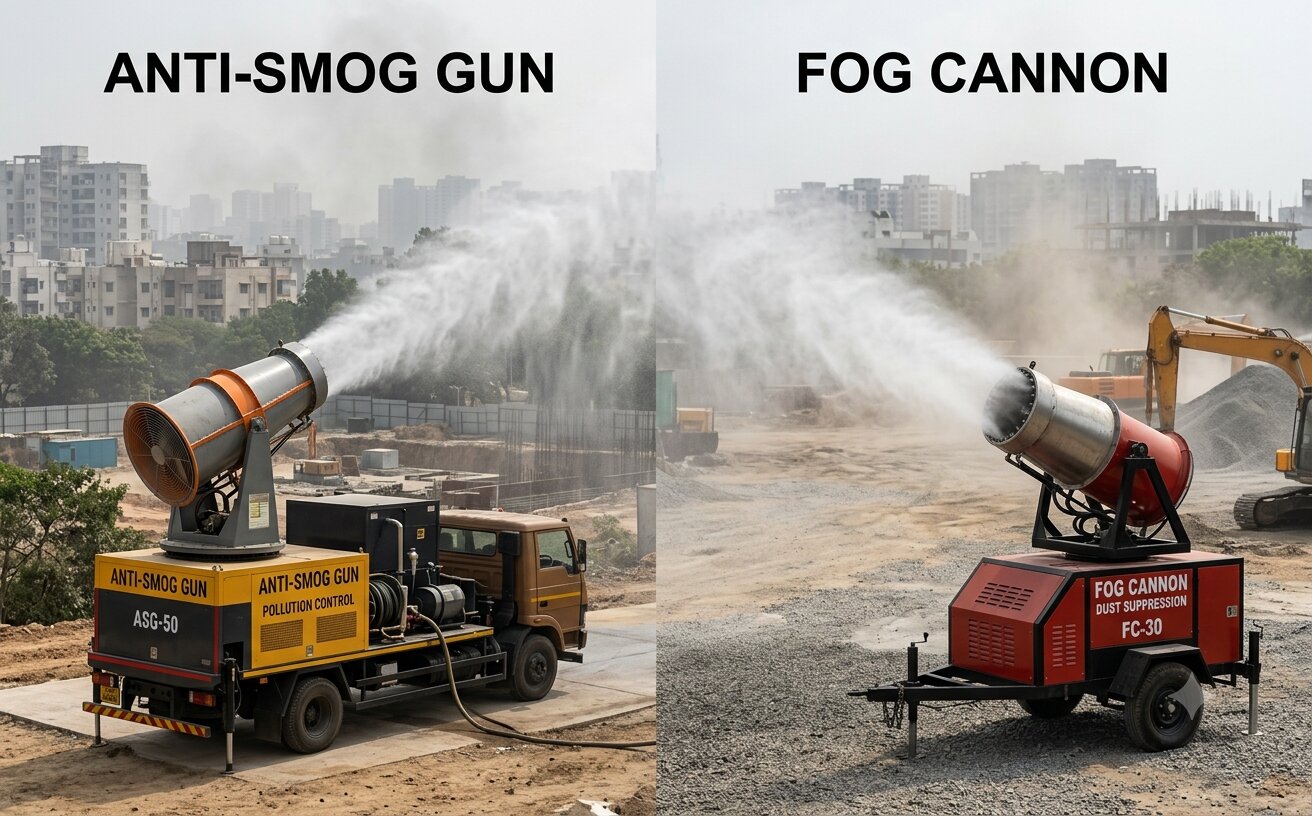
One of the most common issues Indian cities are facing is pollution. Pollution is very common in Delhi and the NCR area, wher...
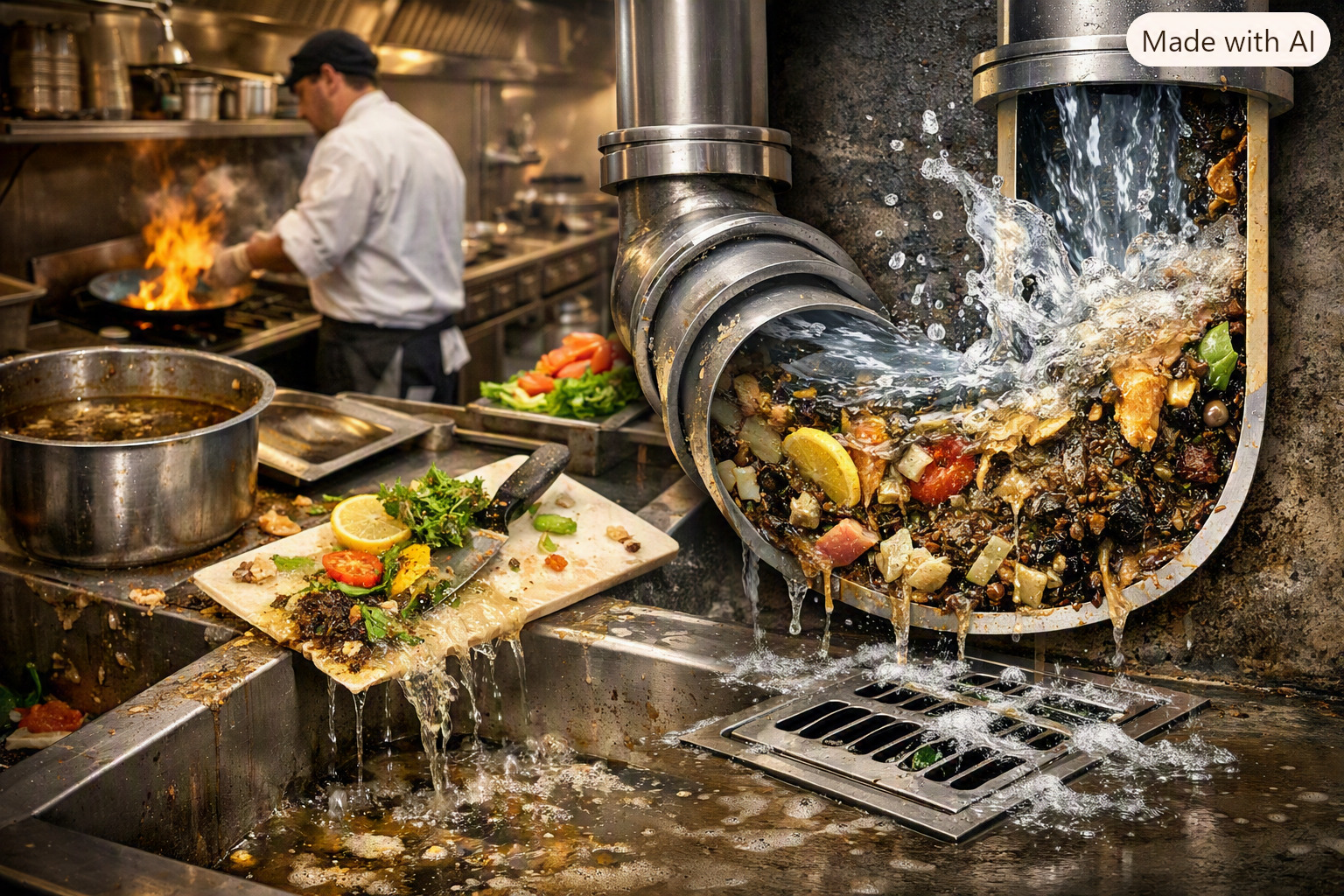
Commercial kitchens deal with large volumes of food, cooking oils, fats, food particles and wastewater daily. Hotels, food jo...
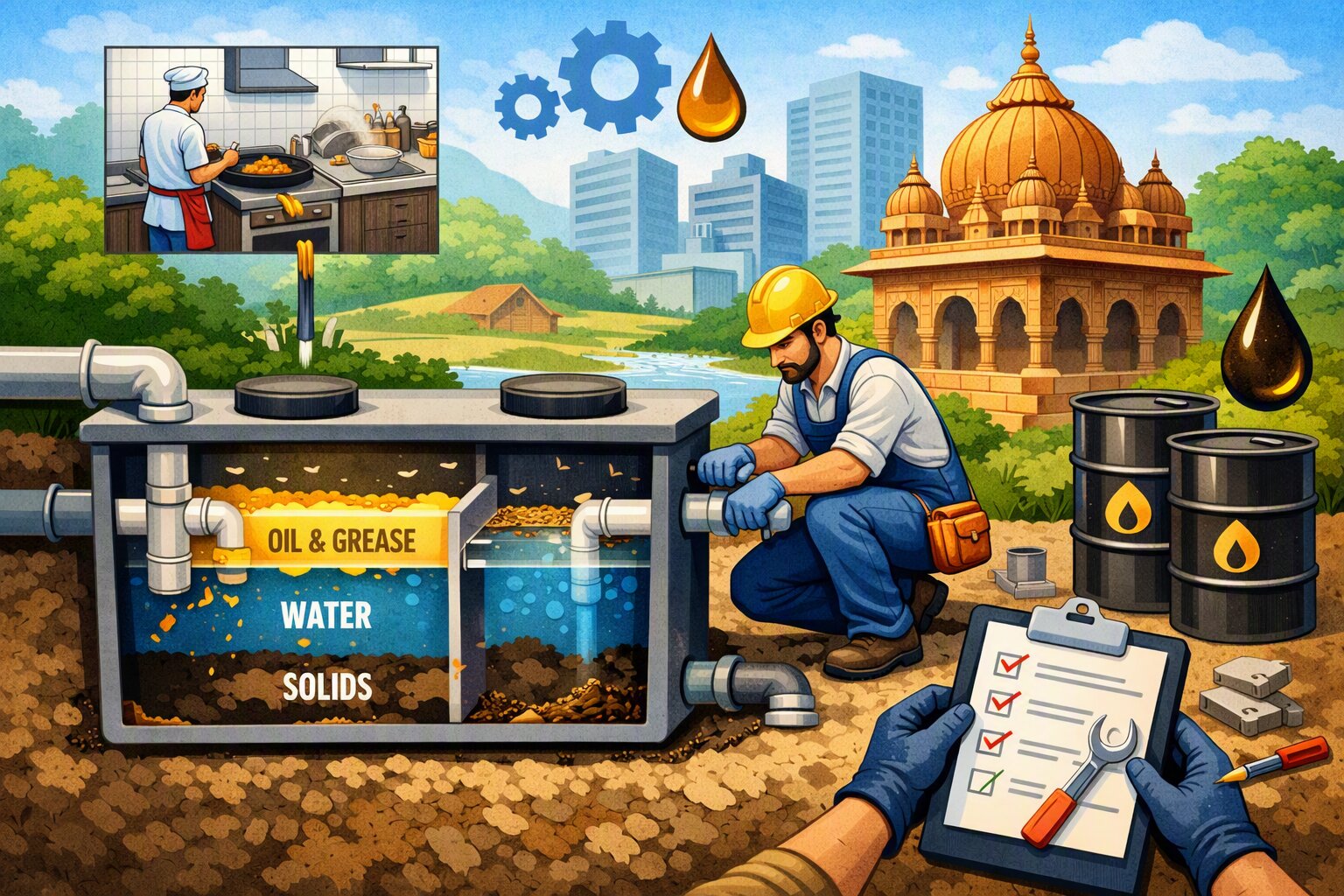
Commercial kitchens, restaurants, healthcare facilities, canteens, food joints, and food processing units generate wastewater...