
India International Water Week - Climate Resilient Water Management Event Description Although nearly 70% of the Earth&...

Underground v/s Above Ground Grease Trap
Underground v/s Above Ground Grease Trap
18-07-2026
Commercial kitchens in restaurants, hotels, food courts and other food facilities generate large quantities of FOG – fats, oils and grease daily. Without proper management of grease, these substances enter the drainage system, causing major issues such as clogged pipes, foul smell, drainage blockage and pollution. Here comes the role of a grease trap for a commercial kitchen to play.
What is a Grease Trap?
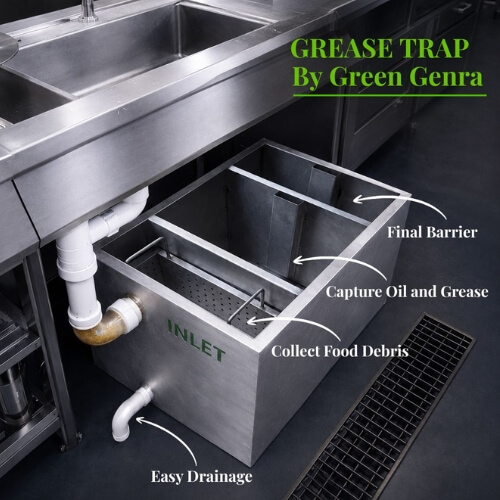
A commercial Grease Trap is a plumbing device designed to separate fats, oils and grease from wastewater before it enters the main sewer line. By preventing the grease trap build-up, the separator ensures smooth drainage, reduces maintenance costs, supports regulatory compliance and improves kitchen hygiene. Are you an owner of a restaurant, hotel, food court, cloud kitchen or industrial food processing unit?
Choosing the right grease trap can improve operational efficiency.
However, many commercial kitchen owners are sceptical of whether to install an underground grease trap or an above-ground grease trap. Consult a professional grease trap manufacturer in India to make an informed choice.
What is an Underground Grease Trap?
An underground grease trap is installed below the ground, usually outside the commercial kitchen premises. The wastewater from sinks and kitchen equipment flows into the underground chambers. From these chambers, grease is naturally separated from water due to density differences. The trapped grease remains inside the chamber while cleaner water exits into the drainage system.
These grease traps are ideal for restaurants, hotels, hospitals, food processing units, catering facilities and large commercial kitchens that generate huge volumes of wastewater. Their large storage capacity, concealed installation and capacity to handle heavy grease loads make them a preferred long-term solution.
What is an above-ground grease trap?
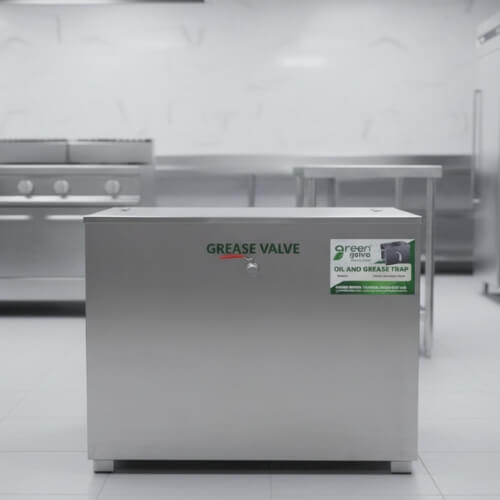
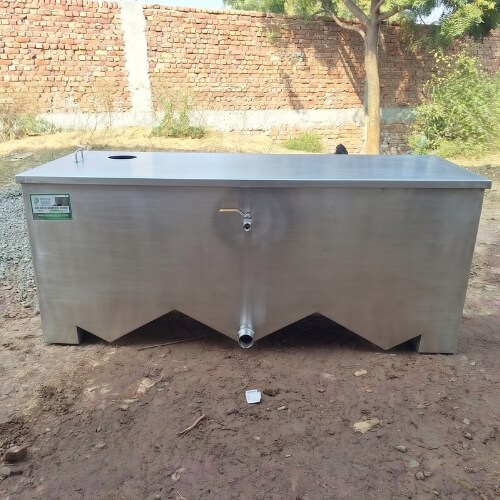
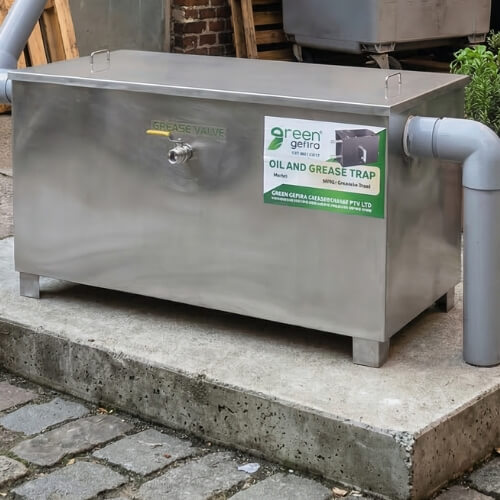
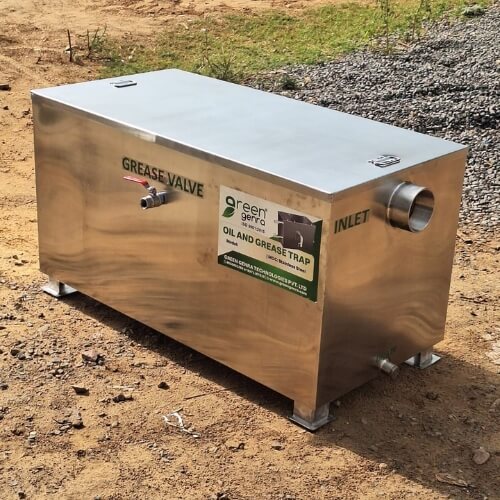
The above-ground grease trap is installed inside or near the kitchen, below sinks or adjacent to food preparation areas. Designed on the same grease trap working principle that separates grease, this device is suitable for smaller wastewater volumes.
Grease separators are apt for cakes, bakeries, food kiosks, cloud kitchens, and small restaurants where space is limited and grease production is lower. As they are easily accessible, the regular cleaning and inspection can be performed quickly.
Underground v/s Above Group Grease Trap
Choosing between an underground and above-ground grease trap depends on the size of your kitchen, wastewater generation and operational needs. Here are some basic differences between the two-
- Grease Trap Installation: The underground grease trap is installed below the ground level. It requires excavation and civil work and is best suited during new construction or major renovations. They are beneficial as they do not occupy valuable kitchen space. An above-the-ground grease trap is installed below sinks or near drainage lines. They are quick and simple to install. Minimal plumbing modifications are required, and they are best for existing kitchens with limited construction possibilities.
- Capacity and Performance: The underground grease trap is designed to handle large wastewater volumes and is ideal for heavy-duty commercial kitchens operating throughout the day. The grease trap provides higher grease retention efficiency. It reduces the frequency of cleaning. The above-ground grease interceptor is best for moderate grease generation. It works efficiently for small restaurants and cafes. These grease traps require frequent maintenance due to limited storage capacity. They are best for low to medium wastewater flow.
- Grease Trap Maintenance: For cleaning an underground grease trap, professional pumping equipment is required. If the storage is larger, longer cleaning intervals are required. This grease trap does not disrupt the kitchen operations and has better odour control when maintained properly. The above-ground grease trap is easily accessible for routine inspection. Manual cleaning of the grease trap is simpler, and it requires frequent grease removal. If regular maintenance is not done, it may cause a pungent smell inside the kitchen.
- Space Utilization: The underground grease trap is hidden below the ground. It preserves kitchen workspace, improves overall aesthetics and is an excellent choice where indoor space is valuable. An above-ground grease trap occupies visible space inside or near the kitchen. They are easier to monitor and inspect. These above-ground grease interceptors are best when outdoor installation is not possible. They may require protective enclosures in busy kitchens.
- Cost and Long-Term Value: An underground grease trap has a higher installation cost, lower maintenance frequency, longer service life and better investment for large commercial establishments with continuous operations. The above-ground grease traps have lower installation costs, affordable for startups and small businesses and have higher maintenance frequency over time.
Case Study
A larger restaurant serving more than 1000 customers daily experienced recurring drainage blockage, bad kitchen smell and expensive plumbing repairs. Despite regular pipe cleaning, FOGs continued accumulating inside the drainage network. The restaurant worked with an experienced grease trap supplier who advised on a high-capacity underground grease trap designed for commercial food facilities.
The first step the supplier took was the grease trap size calculation. They installed the grease trap with a larger grease retention capacity outside the building. The system was connected directly to the main kitchen drainage network, allowing grease separation before wastewater entered the sewer system.
The restaurant experienced great results in no time.
- Drainage blockages reduced by over 95%
- The emergency plumbing expenses dropped
- Improved hygiene standards across the kitchen
- Reduced foul odours around food preparation areas
- Kitchen operations continued without any issues
- The staff spent less time dealing with the drainage issues and focused more on food.
The restaurant experienced improved operational efficiency while extending the life span of its plumbing infrastructure. The case study showcases why underground grease traps are the go-to choice for high-volume commercial kitchens.
Contact the dedicated grease trap manufacturer to ensure premium quality, efficient grease separation, regulatory compliance and long-lasting performance.
FAQs
1. What is the Commercial Grease Trap Price?
The price of the grease trap depends on its size, capacity and whether it is an underground or above-ground device. Work with the Green Genra to understand the price details for your grease trap.
2. How often should an underground grease trap be cleaned?
The cleaning frequency depends on grease generation, but most commercial kitchens require professional cleaning every 2 to 6 months to ensure optimal performance.
3. Is an underground grease trap more costly than an above-ground grease trap?
Yes, underground grease traps have higher installation costs because they require excavation and offer better long-term value through larger capacity and reduced maintenance frequency.
About the Author
Green Genra is a leading grease trap supplier, manufacturer and environmental consultancy based in Delhi. With more than a decade of industry experience, the brand has a team of experienced environmental professionals, delivering comprehensive solutions for grease trap systems, pollution control, sustainable waste management and hazardous waste management across diverse industries.
With innovation, quality and regulatory compliance, the brand helps commercial kitchens, businesses and industrial facilities adopt eco-friendly and efficient responsible solutions that improve operational efficiency while adhering to environmental guidelines.
Share with:
Our Clients
















































Latest News
Commercial kitchens deal with large volumes of food, cooking oils, fats, food particles and wastewater daily. Hotels, food jo...
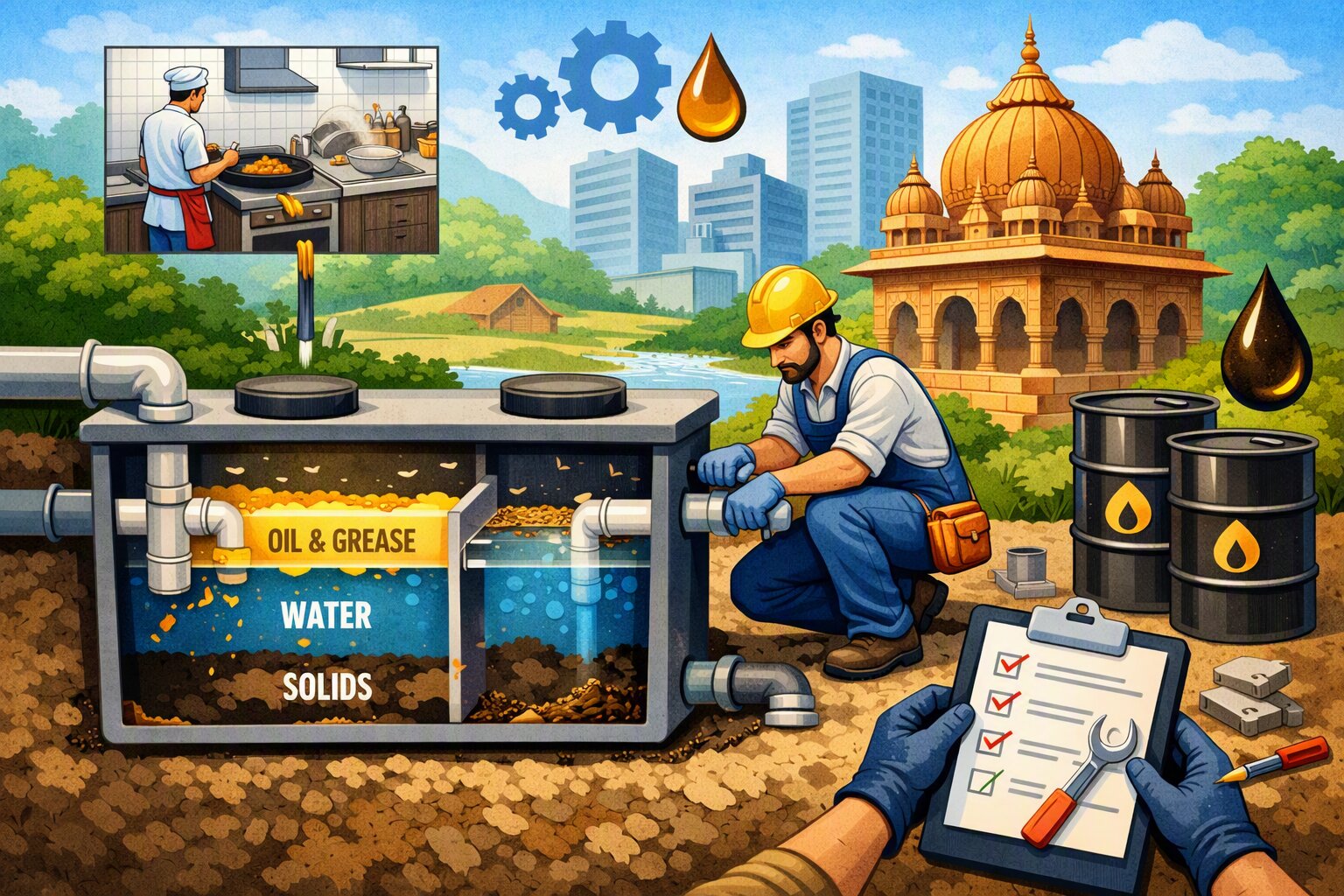
Complete Guide to Oil & Grease Traps in India: Types, Working, Installation & Maintenance 12-08-2026
Commercial kitchens, restaurants, healthcare facilities, canteens, food joints, and food processing units generate wastewater...
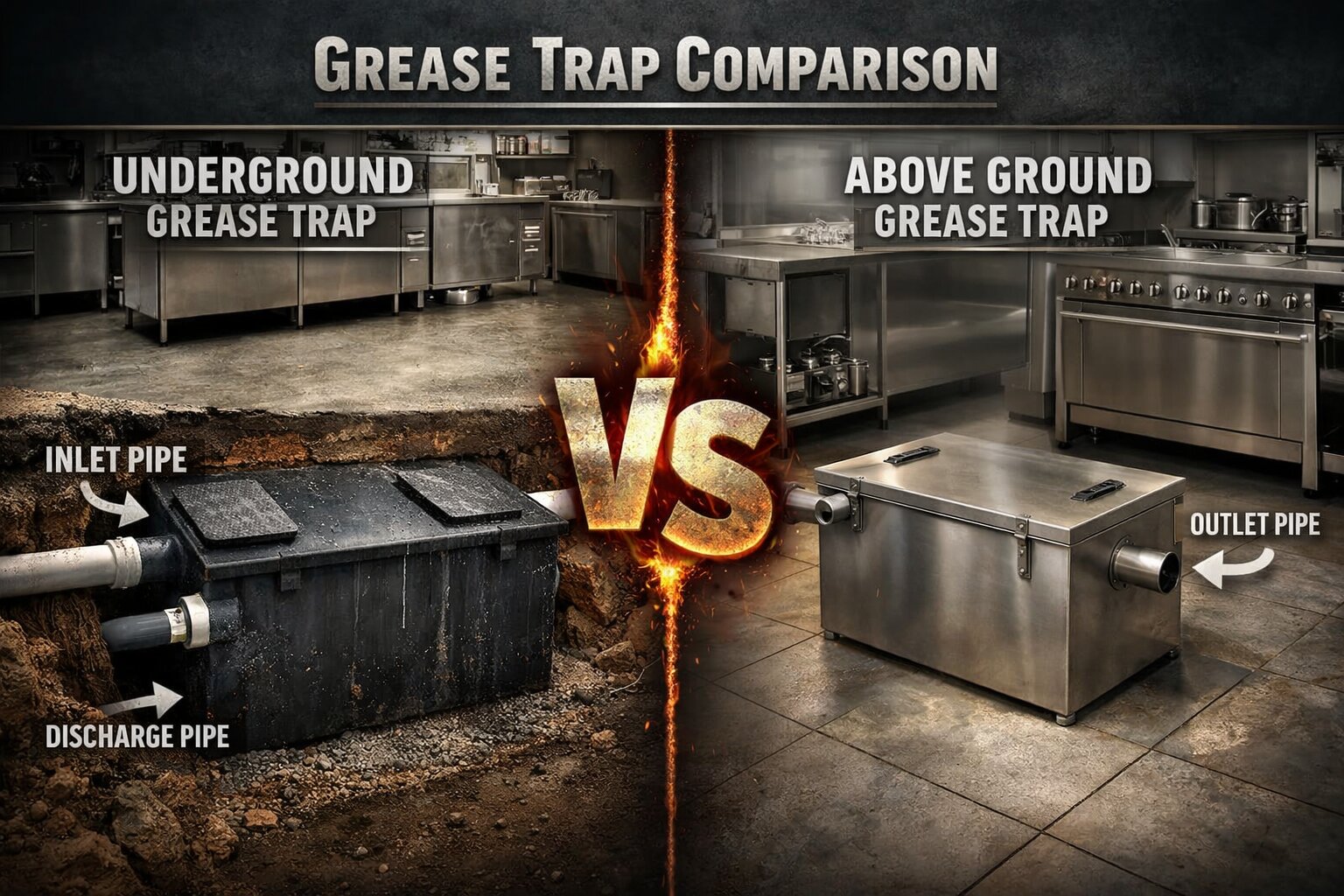
Underground v/s Above Ground Grease Trap 18-07-2026
Commercial kitchens in restaurants, hotels, food courts and other food facilities generate large quantities of FOG – fa...
Restaurant Grease Trap Buying Guide 02-07-2026
If you are an owner of a restaurant, you must consider investing in a good grease separator. The best Grease Trap for a resta...

Every business, small, medium, or big, in India must have environmental compliance. Whether you are setting up a manufacturin...

Managing biomedical waste is an environmental and legal responsibility for healthcare units across Delhi NCR. Biomedical wast...
Upcoming Events