
How to get a Pollution Certificate/License for business in Delhi?
Delhi Pollution Control Committee issues Pollution license to businesses and industries. The license is mandatory to ensure that the businesses activities are in compliance with the regulation of the environment. The pollution license is valid for five years and can be renewed after expiry.
Obtaining pollution license in Delhi is officially known as Consent to operate (CTO) and Consent to Establish (CTE)Let us look at the various steps involved in CTO and CTE
1. Consent to Establish- CTE:
- Preparation: Before applying for CTE, the entities and businesses need to prepare a detailed project report showcasing the nature of the industry, the process involved and raw materials used and the potential impact on the environment.
- Application submission: The applicant must submit the CTE application form to the DPCC along with documents that include project report, site plan and proof of land ownership or lease.
- Site inspection: An inspection of the proposed site might be done by DPCC to assess the suitability and to verify the information in the application.
- Fee payment: Applicant must pay the required fee for processing the application and the amount of fee depends on the nature and scale of the industry.
- Approval: Once the DPCC reviews the application and is satisfied with the compliance, they may issue the CTE certificate.
- 2. Consent to Operate- CTO:
- Construction and Installation: The applicant must complete the construction and installation of industrial unit in sync with the approved project report and the conditions specified in the CTE.
- Submit the application: The applicant must apply for consent to operate by submitting the required form along with documents like completion certificate, photographs of the installed equipment and other documents required by DPCC.
- Inspection of site: DPCC may conduct inspection of the site to verify that industrial unit has been set up as per the approved plan and is in sync with environmental norms.
- Payment of fee: For processing the CTO the applicant must pay the required fee. The amount of the fees varies as per nature and scale of the industry.
- Monitoring and compliance: It is mandatory that businesses and industries implement monitoring systems for air, water and noise pollution as required by DPCC to ensure ongoing compliance with environmental norms.
- Approval: Once the DPCC is satisfied with compliance and has successfully monitored the facility, they may issue CTO to the businesses.
Documents required for Pollution license registration-
1. Authorized Pan card of unit or project
2. Authorized Aadhar Card
3. Authorization letter (except proprietorship)
4. CA letter for total project cost
5. Site plan
6. Food businesses must file FSSAI certificate
7. Proof of ownership (registration deed/rent deed/lease deed)
8. Water bill
9. GST certificate
It is advisable to collaborate with environmental consultants to help with the application process and ensure compliance with environmental regulations. The entire process will take some time so it is imperative that businesses start the application process for pollution license well in advance of the planned commencement of operations.
Also read :- Benefits of having a DPCC green certificate for your business
-
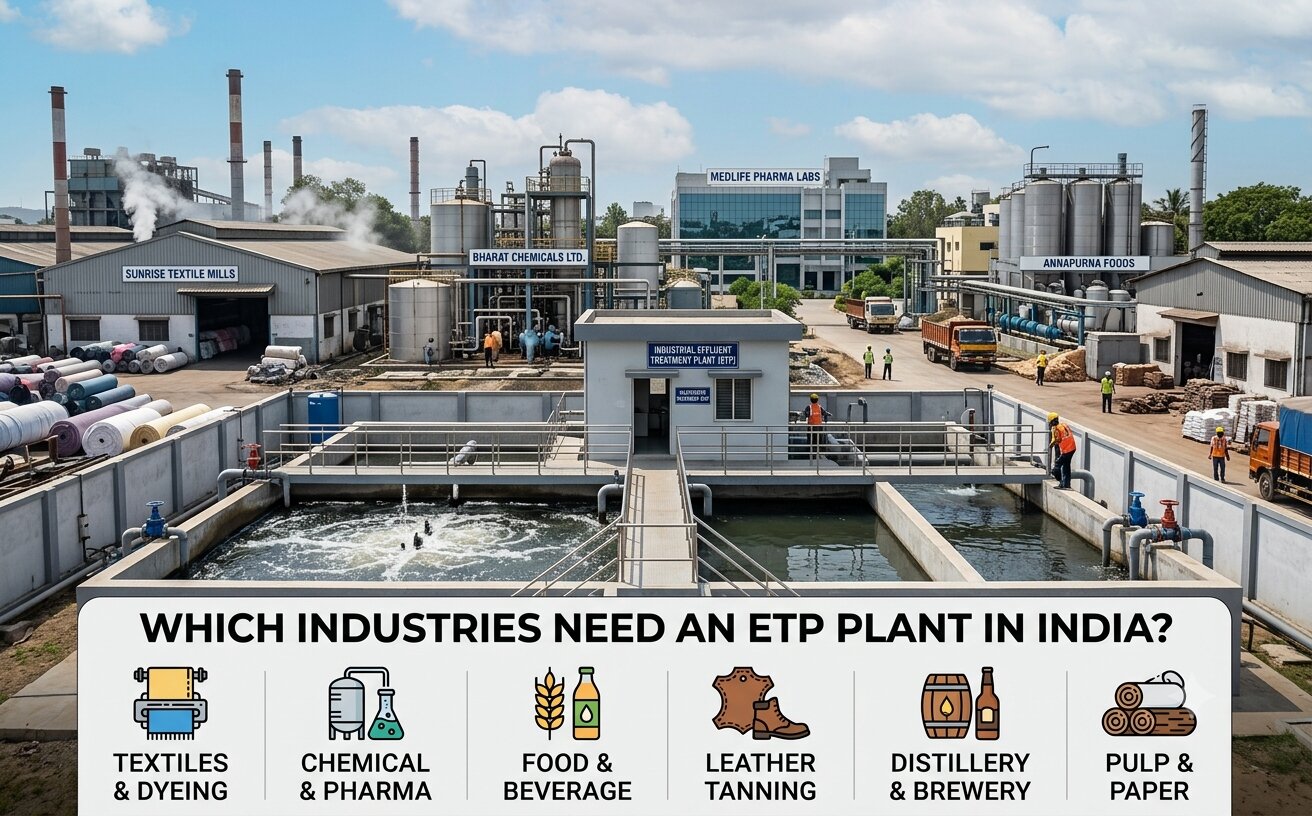
Which Industries need an ETP Plant in India?
17-09-2026
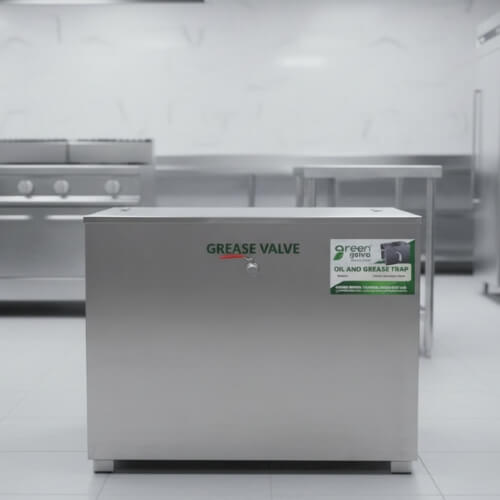
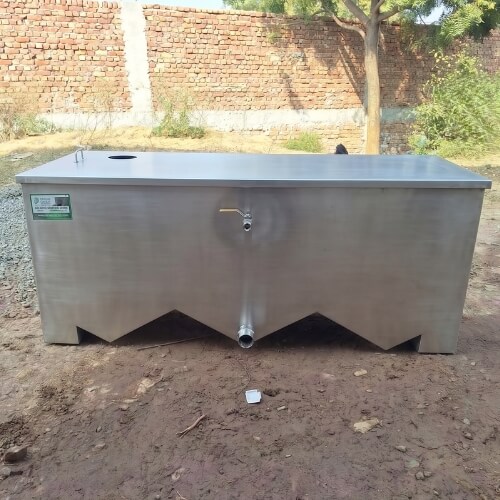
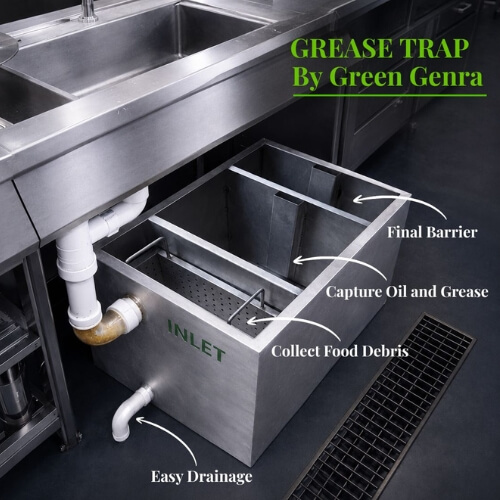
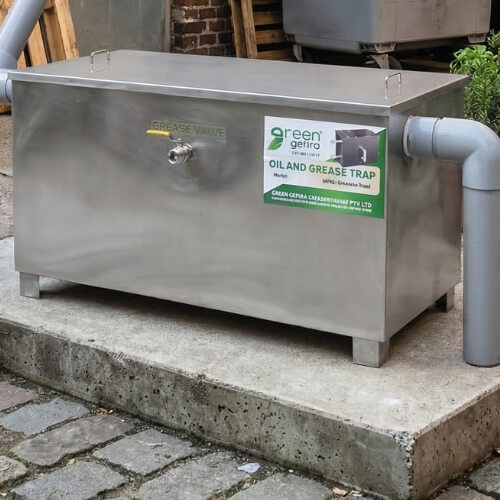
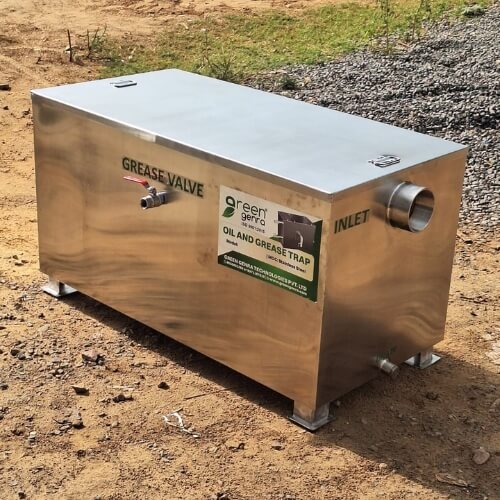
















































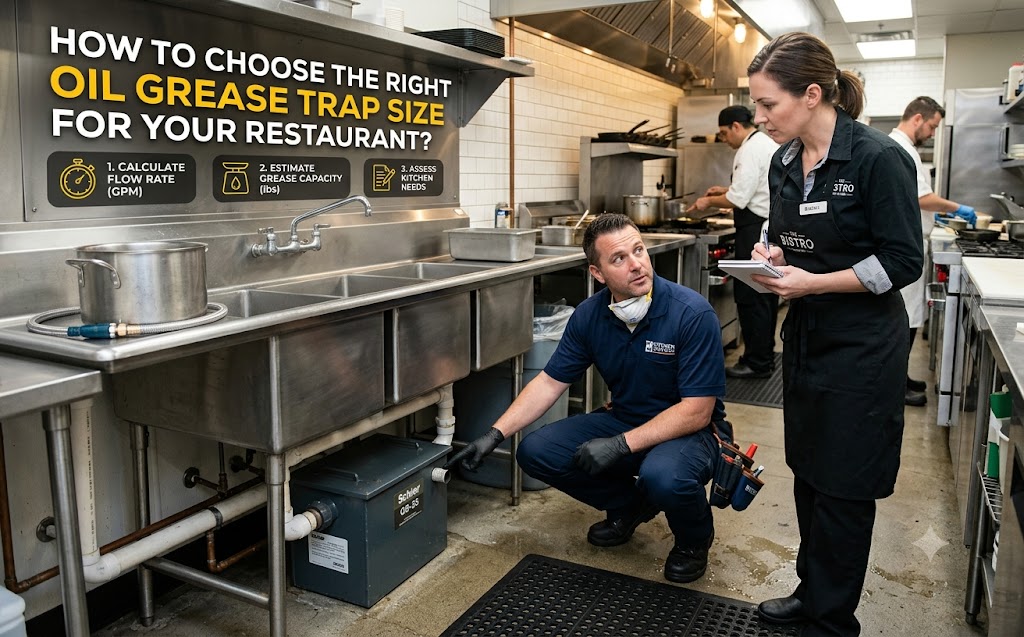
Choosing the right oil grease trap size for your restaurant is important for maintaining an efficient commercial kitchen, pre...
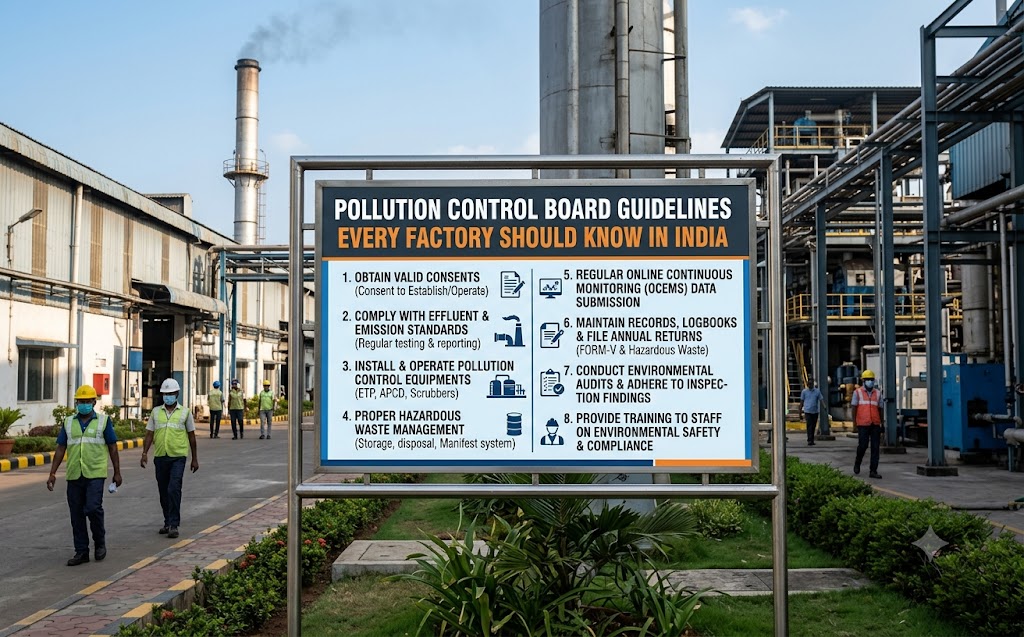
Factories in India operate under environmental regulations set by regulatory authorities to control pollution, protect natura...
Industrial growth in India has hit sky-high across many verticals, including manufacturing, textiles, pharmaceuticals, chemic...
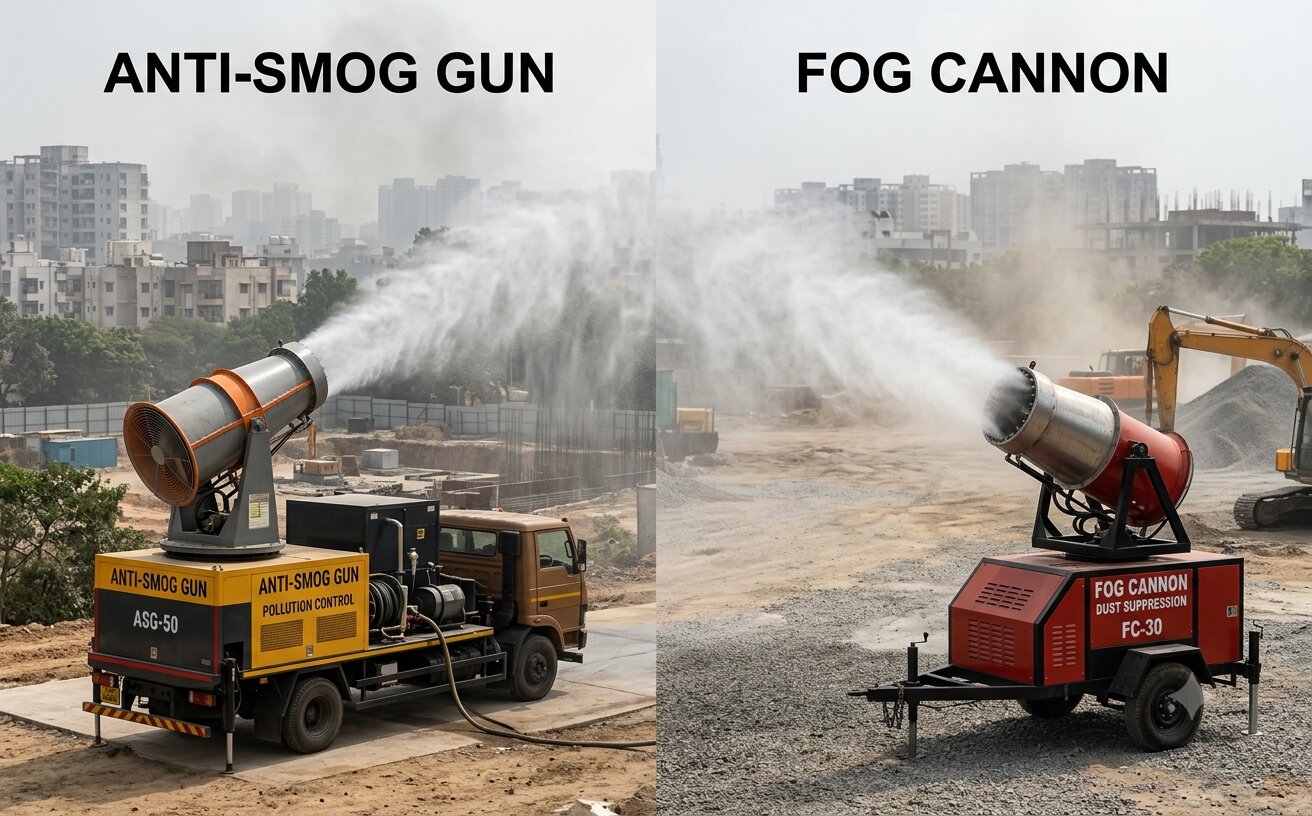
One of the most common issues Indian cities are facing is pollution. Pollution is very common in Delhi and the NCR area, wher...
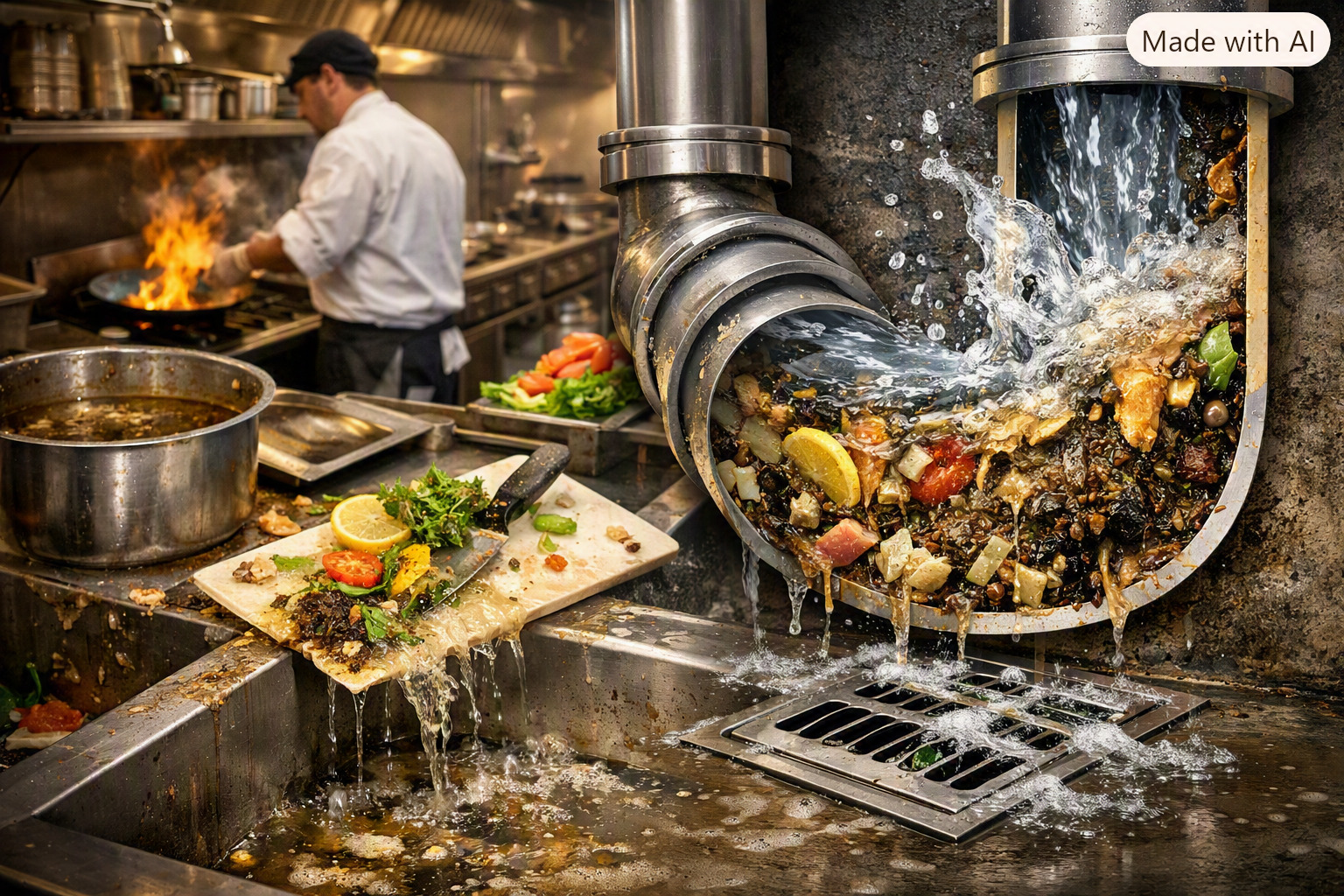
Commercial kitchens deal with large volumes of food, cooking oils, fats, food particles and wastewater daily. Hotels, food jo...
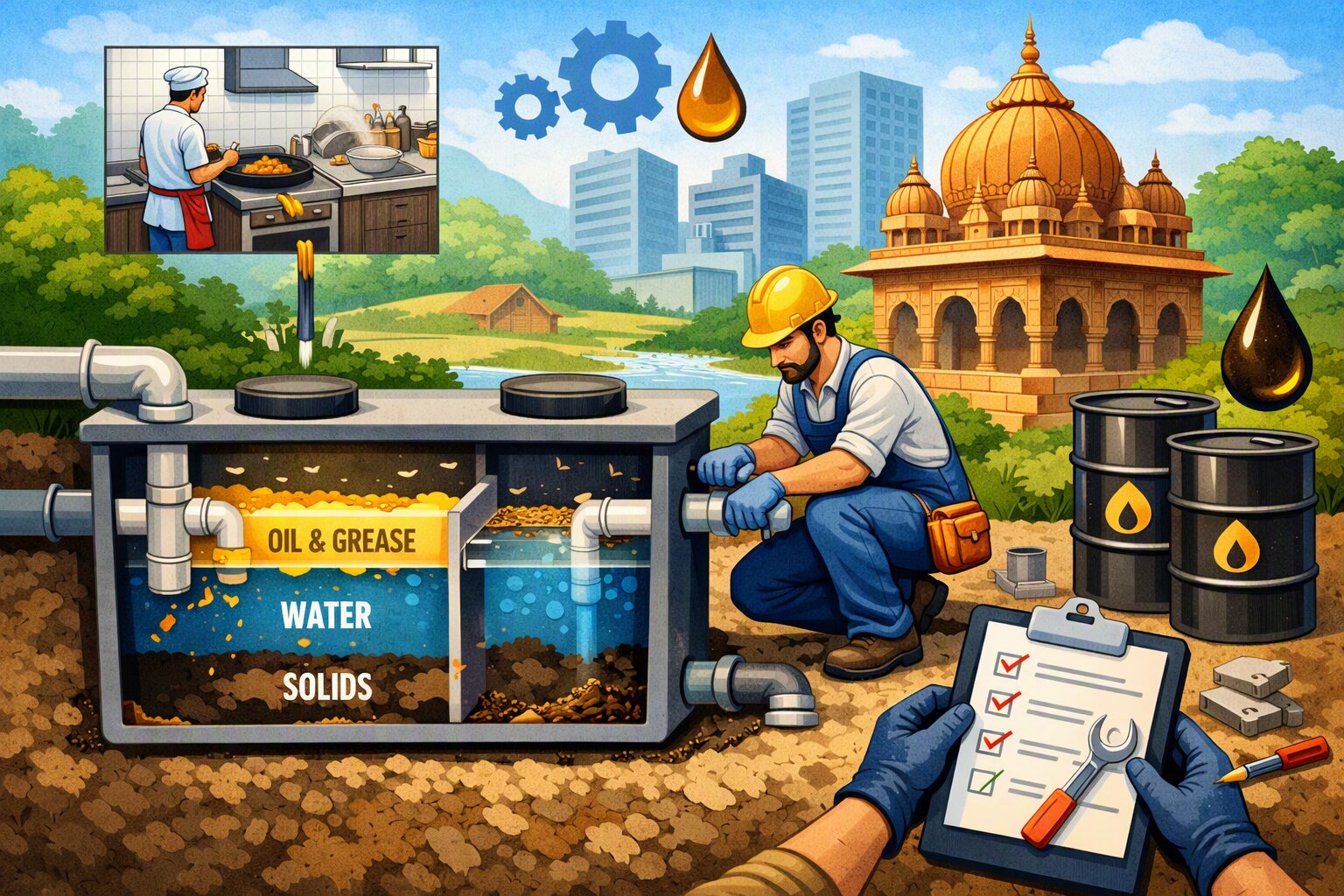
Commercial kitchens, restaurants, healthcare facilities, canteens, food joints, and food processing units generate wastewater...