
India International Water Week - Climate Resilient Water Management Event Description Although nearly 70% of the Earth&...

How to Get Bio-Medical Waste Registration in Delhi NCR
How to Get Bio-Medical Waste Registration in Delhi NCR
04-03-2021
Biomedical wastes are defined as waste that is generated during the diagnosis, treatment or immunization of human beings or animals, or in research activities pertaining thereto, or in the production of biological, and including categories mentioned in Schedule I of Bio-medical Waste Management Rules,2016
Segregation of Biomedical Waste

Who are required to apply for Biomedical Waste Authorization
Hospital,
Nursing home,
Clinic,
Dispensary
Veterinary institution,
Animal house,
Pathological laboratory,
Blood bank
Health care facility and Clinical Establishment, irrespective of their system of medicine and by whatever name they are called;
Procedure for Authorization
The application for authorization contains details regarding Quantity and Category of Bio- Medical Waste generated, collected, received, storage, transported, treated, processed, disposed.
Biomedical Waste Authorisation means permission granted by the prescribed authority for the generation, collection, reception, storage, transportation, treatment, processing, disposal or any other form of handling of bio-medical waste in accordance with these rules and guidelines issued by the Central Government or Central Pollution Control Board as the case may be;
The complete Procedure for Authorization is given below:-
Procedure for authorisation.-Every occupier or operator handling bio-medical waste, irrespective of the quantity shall make an application in Form II to the prescribed authority i.e. State Pollution Control Board and Pollution Control Committee, as the case may be, for grant of authorisation and the prescribed authority shall grant the provisional authorisation in Form III and the validity of such authorisation for bedded health care facility and operator of a common facility shall be synchronised with the validity of the consents.
- The authorisation shall be one time for non-bedded occupiers and the authorisation in such cases shall be deemed to have been granted, if not objected by the prescribed authority within a period of ninety days from the date of receipt of duly completed application along with such necessary documents.
- In case of refusal of renewal, cancellation or suspension of the authorisation by the prescribed authority, the reasons shall be recorded in writing: Provided that the prescribed authority shall give an opportunity of being heard to the applicant before such refusal of the authorisation.
- Every application for authorisation shall be disposed of by the prescribed authority within a period of ninety days from the date of receipt of duly completed application along with such necessary documents, failing which it shall be deemed that the authorisation is granted under these rules.
- In case of any change in the bio-medical waste generation, handling, treatment and disposal for which authorisation was earlier granted, the occupier or operator shall intimate to the prescribed authority about the change or variation in the activity and shall submit a fresh application in Form II for modification of the conditions of authorisation.

Share with:
Our Clients
















































Latest News
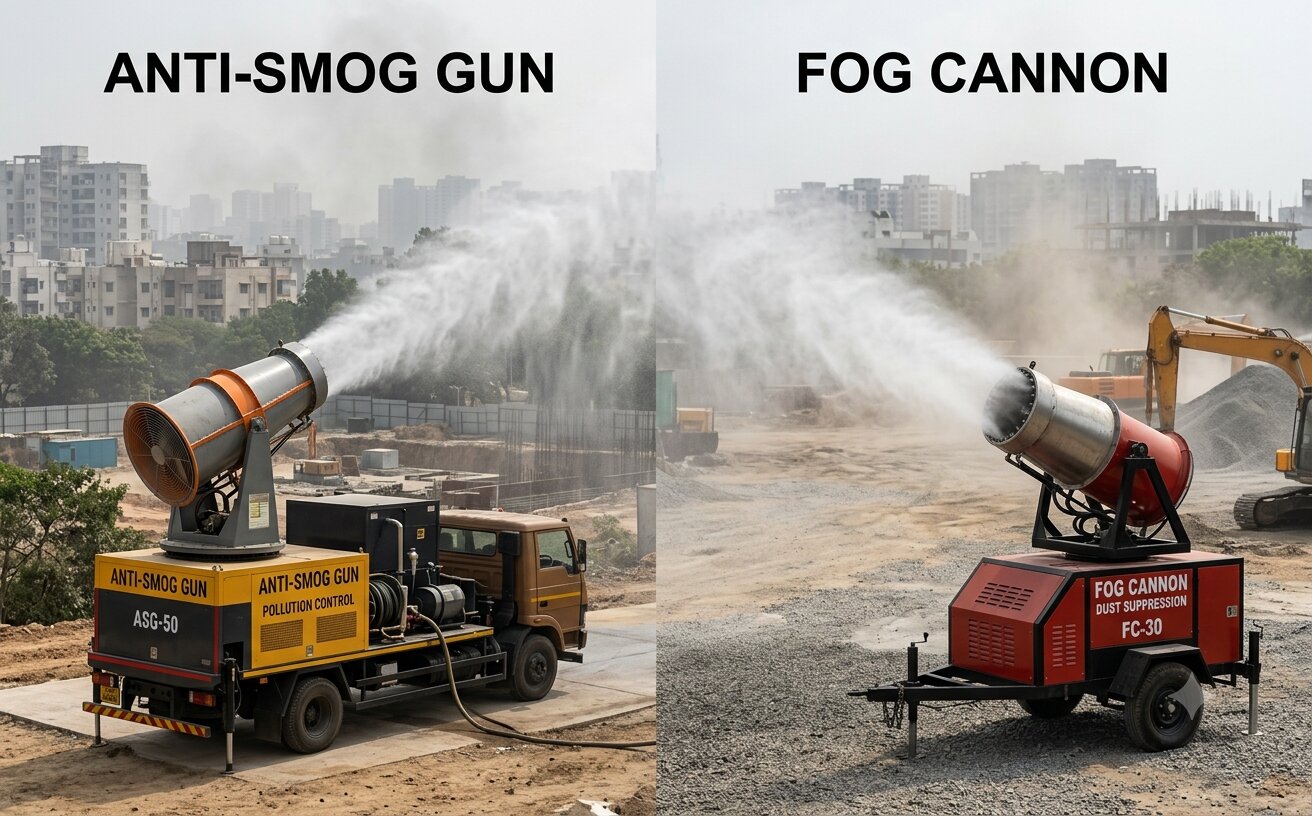
One of the most common issues Indian cities are facing is pollution. Pollution is very common in Delhi and the NCR area, wher...
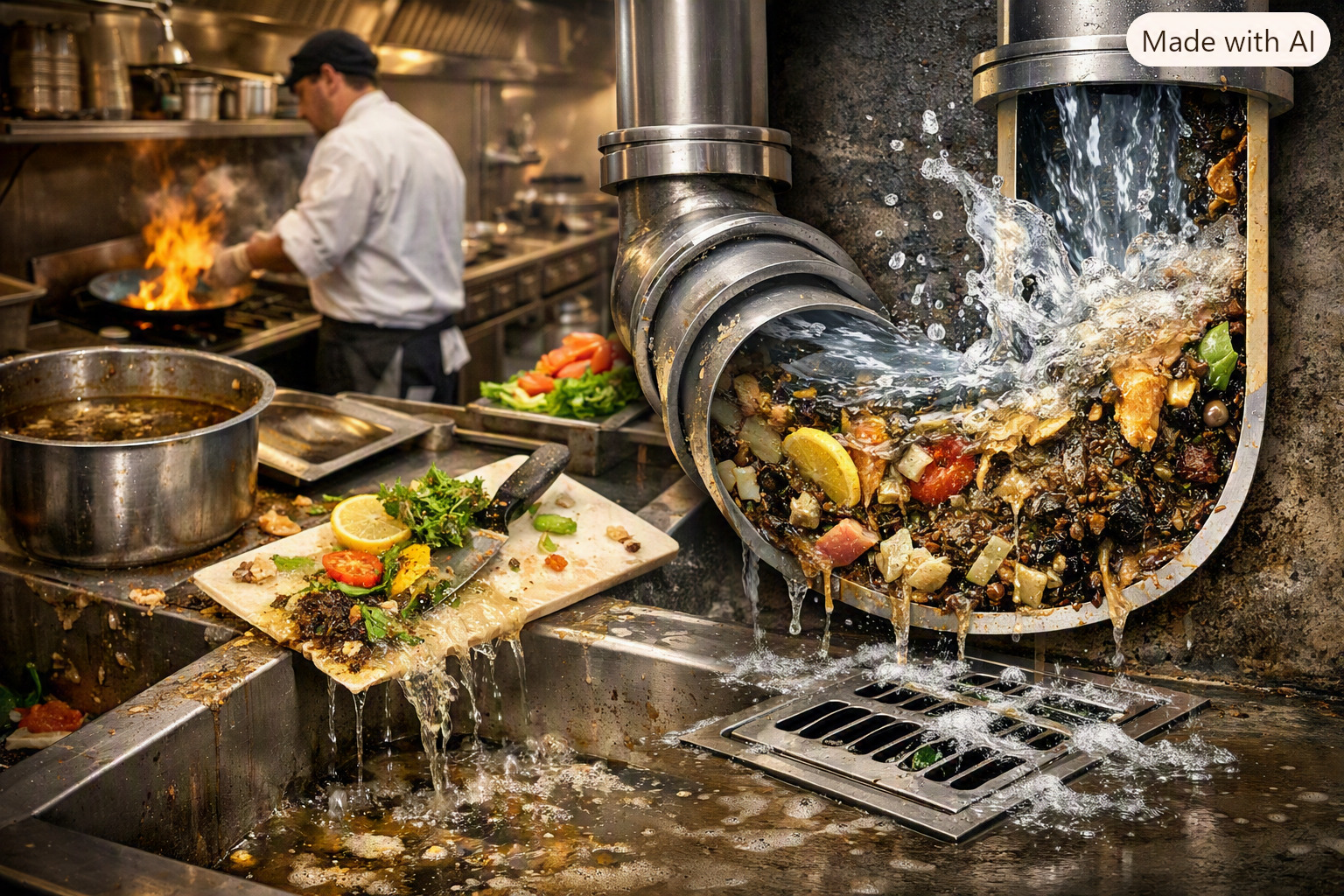
Commercial kitchens deal with large volumes of food, cooking oils, fats, food particles and wastewater daily. Hotels, food jo...

Complete Guide to Oil & Grease Traps in India: Types, Working, Installation & Maintenance 12-08-2026
Commercial kitchens, restaurants, healthcare facilities, canteens, food joints, and food processing units generate wastewater...
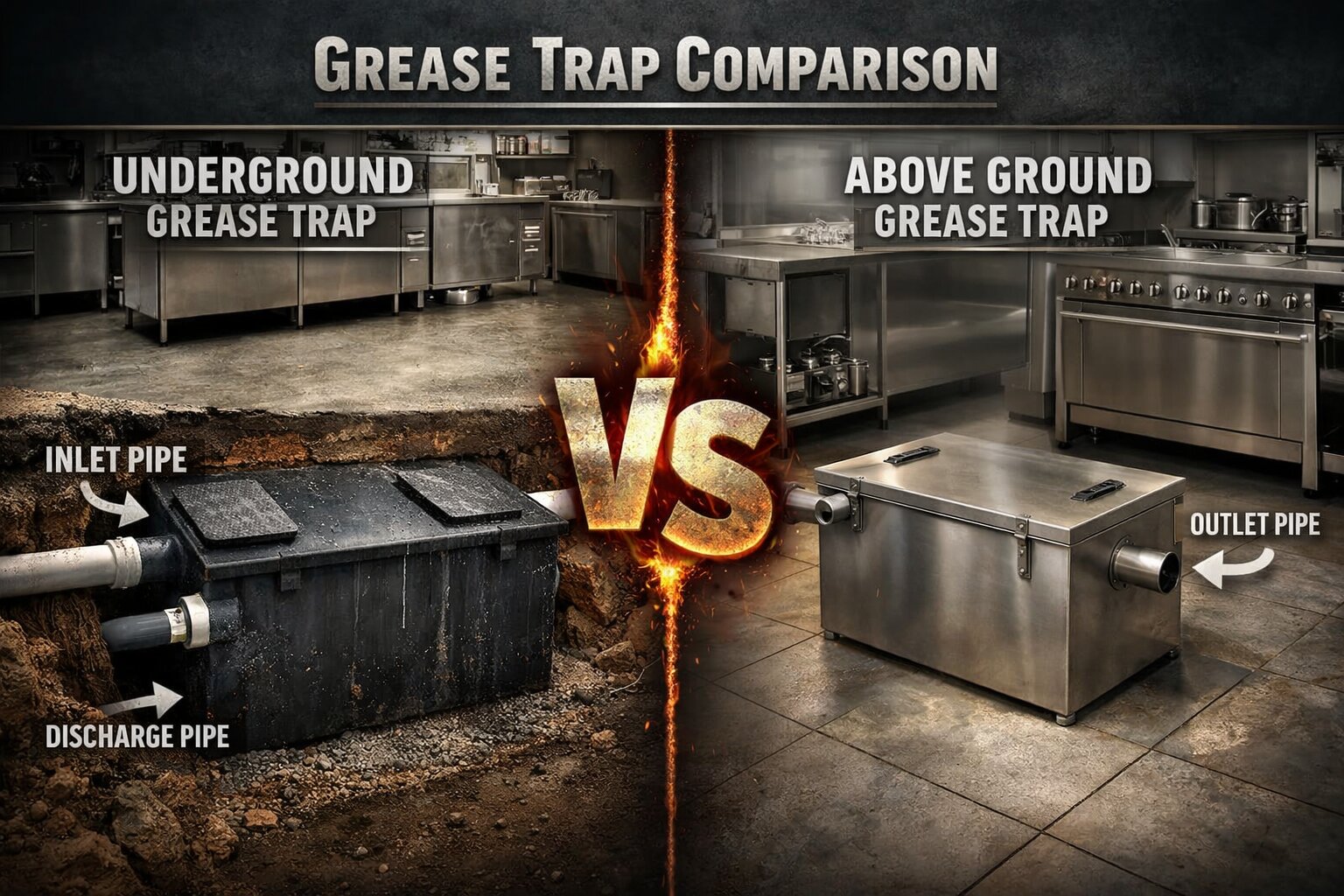
Underground v/s Above Ground Grease Trap 18-07-2026
Commercial kitchens in restaurants, hotels, food courts and other food facilities generate large quantities of FOG – fa...
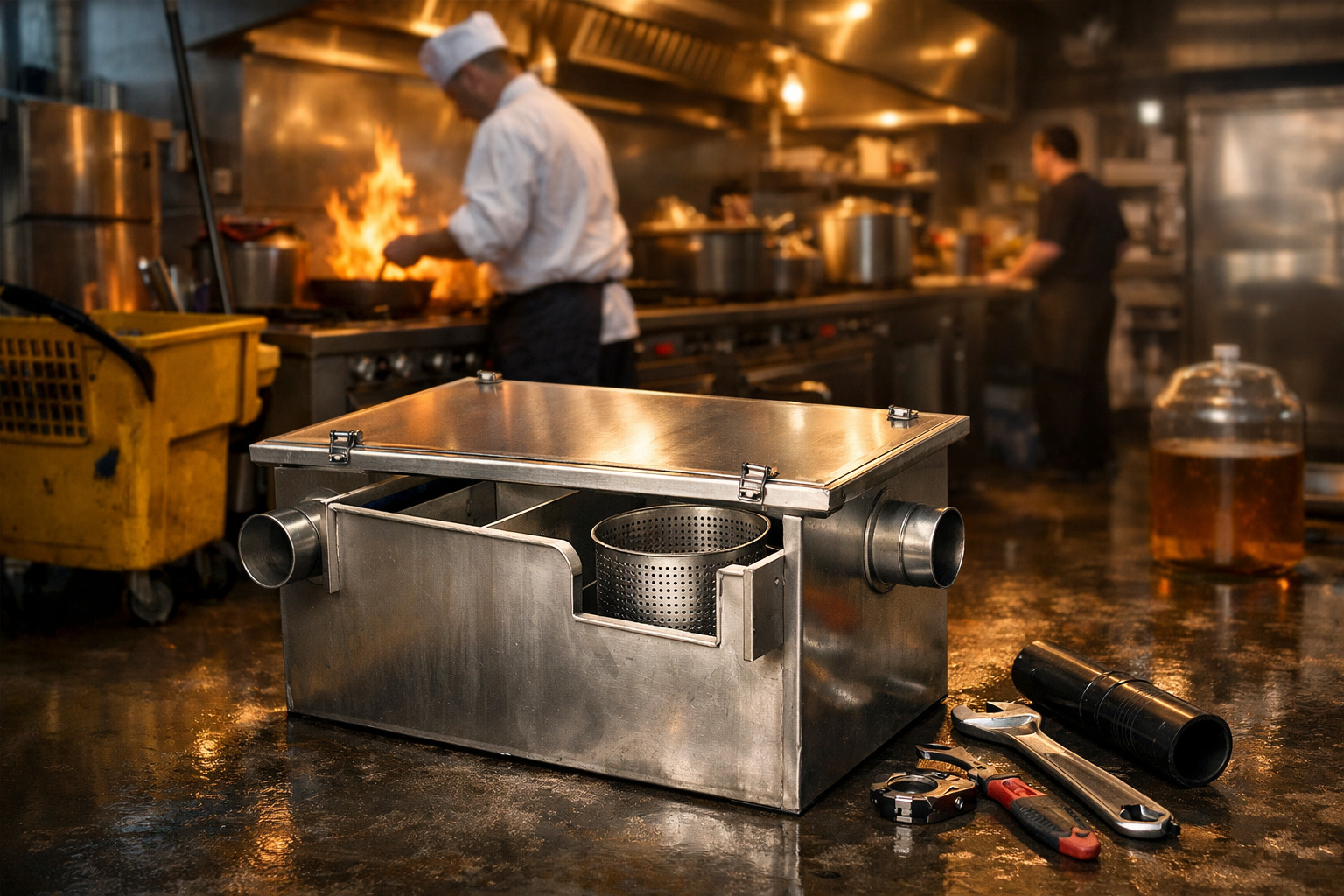
Restaurant Grease Trap Buying Guide 02-07-2026
If you are an owner of a restaurant, you must consider investing in a good grease separator. The best Grease Trap for a resta...

Every business, small, medium, or big, in India must have environmental compliance. Whether you are setting up a manufacturin...
Upcoming Events