
Why do Commercial Kitchens face Frequent Drain Blockages? Common Causes and Solutions
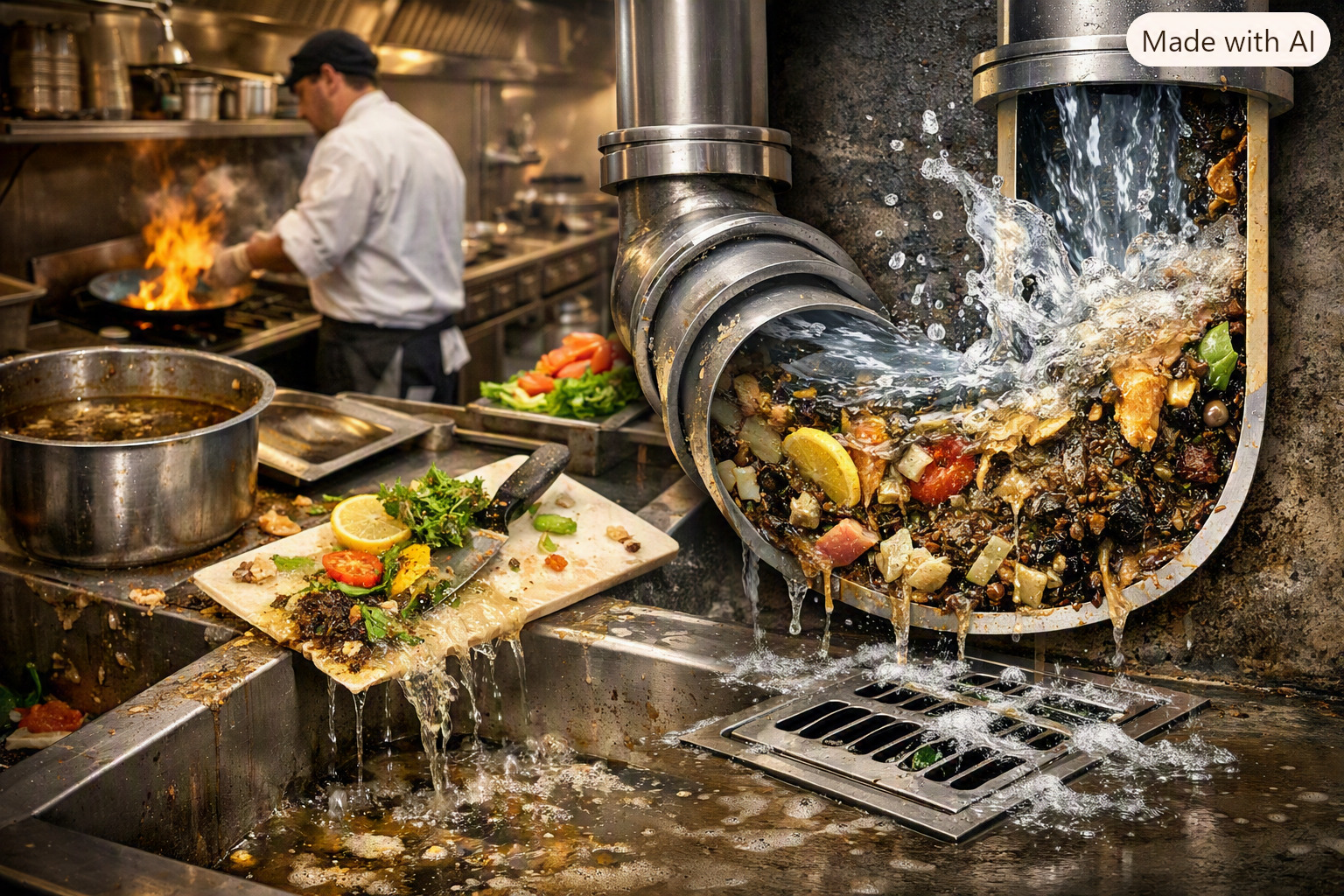
Commercial kitchens deal with large volumes of food, cooking oils, fats, food particles and wastewater daily. Hotels, food joints, restaurants and cloud kitchens operate continuously and generate significantly higher wastewater loads. This results in frequent clogging of the drainage system, leading to slow drains, pungent smells, backups and complete blockages. One of the biggest reasons for commercial kitchen drain blockages is FOG - fats, oils and grease. When hot grease enters a drainage line, it may initially flow with wastewater. As wastewater cools, grease can stick to pipe walls and eventually accumulate. Food particles and other solids can attach to this layer, eventually restricting water flow. Thus, it is important to maintain a strong grease removal system to solve this issue.
What are drainage blockages in Commercial Kitchens and how do they affect business?
Commercial kitchen drainage blockages occur when FOG and other waste accumulates inside sinks, floor drains, waste pipes or connected drainage lines, stopping wastewater flow. Even a small blockage can cause serious operational issues. Slow drainage can create standing wastewater, bad smells, and hygiene concerns and slip hazards, and complete backup can hinder food preparation and cleaning activities. Proper wastewater management helps reduce these risks by capturing FOG before it reaches downstream drainage infrastructure.
Why do Commercial Kitchen Drains Clog So Often? Common Causes and Solutions
• FOG- Fats, Oils and Grease build-up. Cooking oil, ghee, butter, animal fats, sauces and greasy wastewater can enter the drainage system during cooking and cleaning. As wastewater cools inside pipes, FOG can solidify and adhere to internal surfaces. Over time, repeated deposits reduce the effective diameter of the pipe.
Solution - Install a grease interceptor near appropriate kitchen discharge points. This separates FOG before wastewater enters the downstream system.
• Food Waste and Solid Particles- Scraps, vegetables, rice, bones, flour, food fibres, and other solids can enter floor drains and sinks. When these particles come in contact with grease, they create dense deposits that are much harder to remove.
Solution - Use sink strainers and solid waste baskets, scrape plates and cookware before washing and dispose of food waste separately. A strong blocked kitchen drain solution can effectively handle solids, preventing them from entering the drainage system.
• Wrong Size of Grease Trap- Installing a grease trap based on available space can cause issues. A high-volume restaurant may generate more wastewater and FOG than a small café. If the flow rate exceeds the trap’s ability to separate grease, FOG may pass through into the drainage system.
Solution - It is advisable to choose a grease trap after considering the size of the kitchen, wastewater flow, cooking volume, equipment and FOG load. It is important to install the correct size grease trap so that Fats, oils and grease cool and separate effectively.
• Poor Maintenance and Cleaning Schedules- If the grease trap is overloaded, it cannot operate efficiently even if it is of premium quality. Delayed cleaning reduces available capacity and can eventually allow FOG to escape through the outlet.
Solution – A preventive maintenance schedule must be in place based on FOG generation and actual kitchen space. Regular inspection of the trap, removal of accumulated grease and solids appropriately, checking baffles and outlets, and maintaining service records are important. The maintenance frequency must be based on FOG generation and operating conditions.
How Does a Grease Trap Help Prevent Commercial Kitchen Drain Blockages?
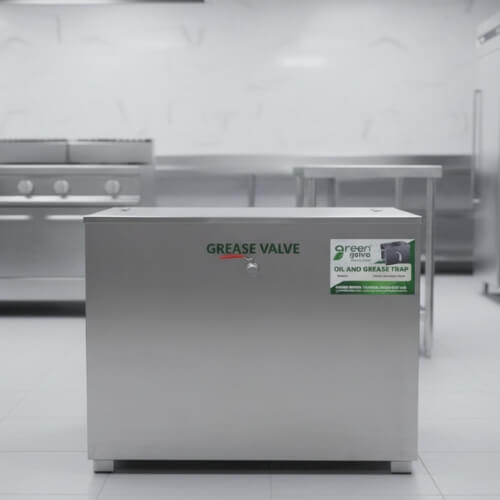
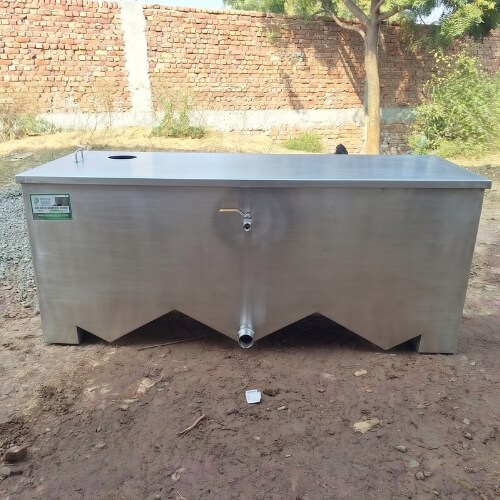
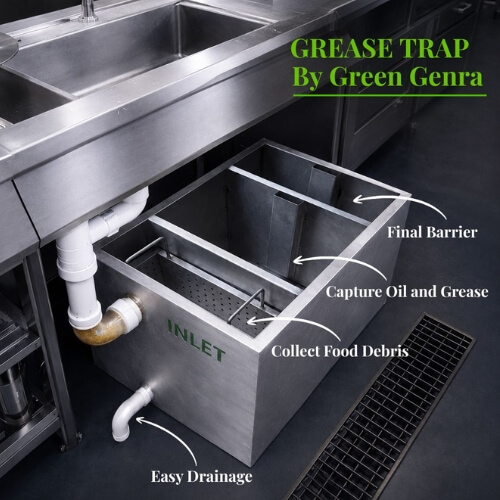
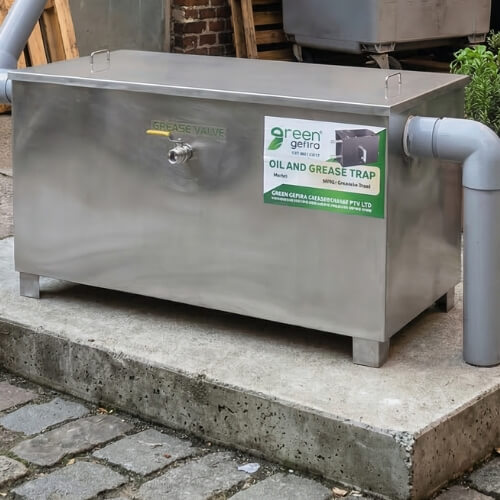
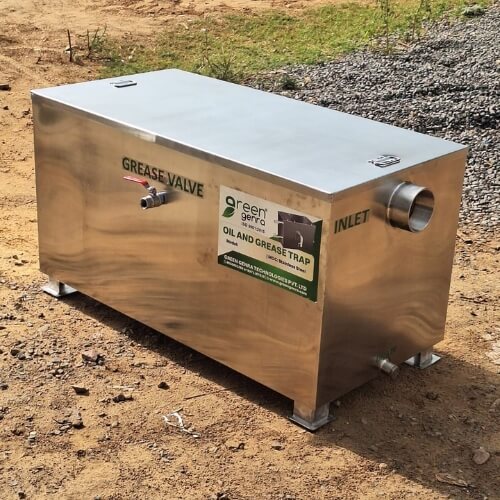
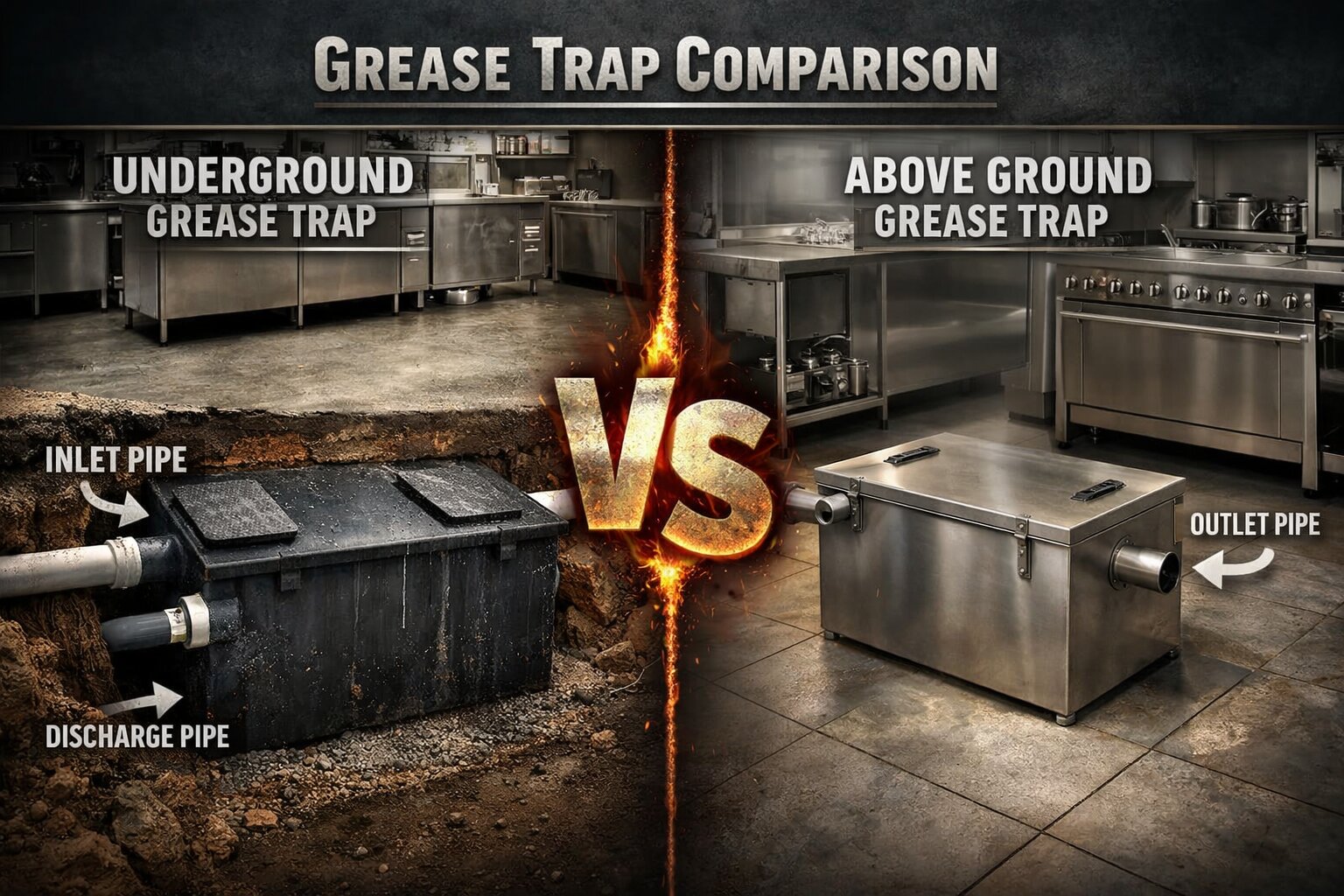
Installing a grease trap is the best commercial kitchen wastewater treatment. The trap works by slowing wastewater sufficiently to allow lighter FOG to separate from water. FOG rises and is retained inside the trap, while heavier solids settle and comparatively cleaner wastewater continues towards the drainage system.
Case Study
A high-volume restaurant in Gurgaon was experiencing frequent drainage issues many times a month. Kitchen sinks were draining slowly, floor drains occasionally backed up during peak service, and staff noticed a persistent greasy smell around the washing area. Emergency drain cleaning had become a recurring expense and was disrupting regular kitchen operations.
The restaurant worked with a professional grease trap manufacturer who did an assessment that identified excessive FOG entering the drainage lines. The existing grease management system was not tailored to the kitchen’s wastewater volume and operating pattern. Grease and food solids were travelling further into the drainage system, where they accumulated and restricted the flow of wastewater.
The manufacturer helped the restaurant owners select a properly sized commercial grease trap according to kitchen size, wastewater flow and FOG generation. The new system was positioned to intercept grease before it could travel deeper into the drainage network. The staff was also instructed to scrape food waste into assigned containers instead of washing it into sinks. The supplier also provided a schedule for inspection and maintenance. The result of these changes was-
• Controlled Drainage system
• Fewer Recurring blockages
• Less Disruption to Kitchen Operations
This case study shows that the right size and proper installation of a grease trap, along with consistent maintenance, provide good defense against commercial kitchen drain blockages. If your commercial kitchen is facing recurring drain issues, partner with an experienced grease trap supplier and get the right grease trap installed before grease reaches your drainage lines.
FAQs
1. What causes grease buildup in restaurant drains?
Grease buildup in restaurant drains is caused by fats, grease and food particles entering the drainage system. Green Genra offers the best quality grease traps, the perfect solution for grease buildup issues.
2. How can restaurants prevent drain blockages?
Restaurants can prevent drain blockages by installing a properly sized grease trap, keeping food solids out of drains and following regular cleaning and maintenance practices.
3. How often should a commercial grease trap be cleaned?
Commercial grease traps should be cleaned regularly based on kitchen usage and grease accumulation. Green Genra provides scheduled maintenance support to keep the system running efficiently, preventing recurring blockages.
About the Author
Green Genra is a trusted grease trap manufacturer and environmental consultancy firm with more than a decade of experience. With a team of environmental specialists and pollution control experts, the brand delivers comprehensive solutions, including grease trap management, hazardous and sustainable waste management tailored to specific needs and wastewater requirements of businesses.
-
Which Industries need an ETP Plant in India?
17-09-2026
















































Factories in India operate under environmental regulations set by regulatory authorities to control pollution, protect natura...
Industrial growth in India has hit sky-high across many verticals, including manufacturing, textiles, pharmaceuticals, chemic...
One of the most common issues Indian cities are facing is pollution. Pollution is very common in Delhi and the NCR area, wher...
Commercial kitchens deal with large volumes of food, cooking oils, fats, food particles and wastewater daily. Hotels, food jo...

Commercial kitchens, restaurants, healthcare facilities, canteens, food joints, and food processing units generate wastewater...
Commercial kitchens in restaurants, hotels, food courts and other food facilities generate large quantities of FOG – fa...