
India International Water Week - Climate Resilient Water Management Event Description Although nearly 70% of the Earth&...

Complete Guide to Oil & Grease Traps in India: Types, Working, Installation & Maintenance
Complete Guide to Oil & Grease Traps in India: Types, Working, Installation & Maintenance
12-08-2026
Commercial kitchens, restaurants, healthcare facilities, canteens, food joints, and food processing units generate wastewater that is harmful to the environment. This wastewater contains FOG- fats, oils and grease along with other impurities. When these substances enter drainage lines without adequate separation, they can accumulate inside pipes and contribute to blockages and pungent odours. This increases wastewater treatment challenges, highlighting the need for an oil-grease separator.
What is a Grease Trap?
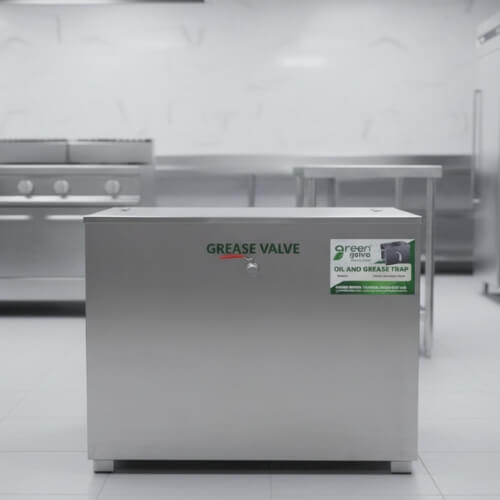
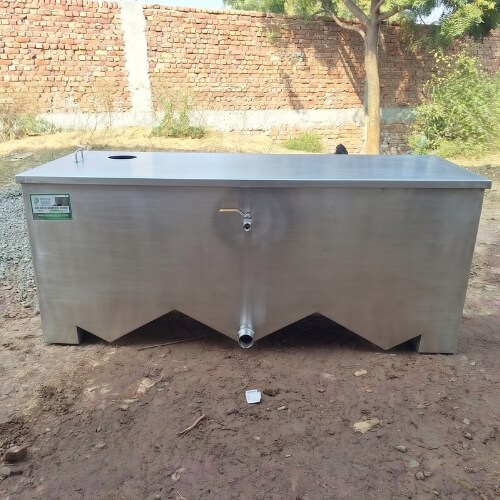
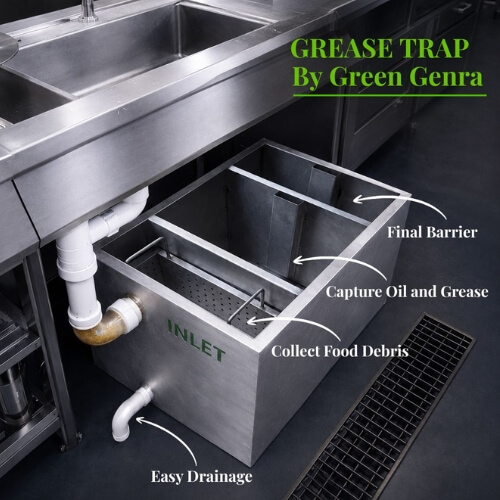
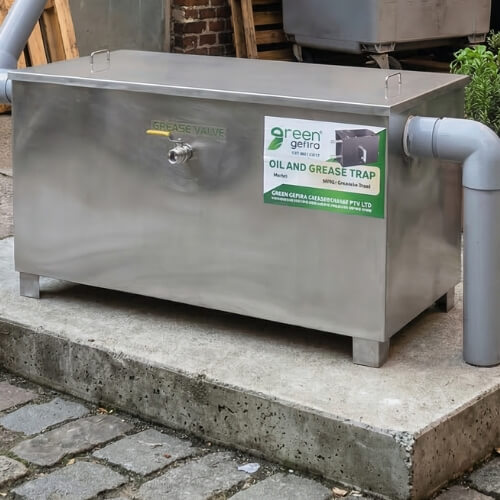
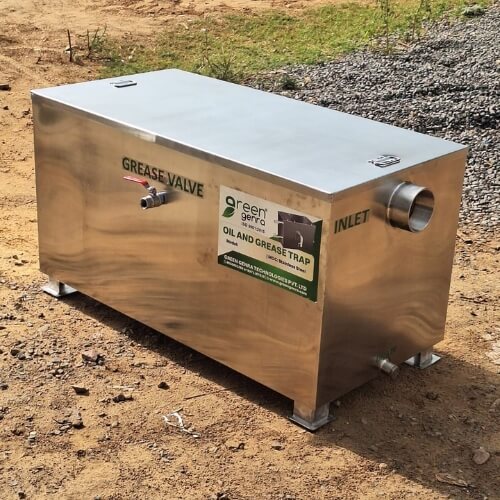
A grease trap is wastewater pre-treatment equipment installed between kitchen drainage points and downstream drainage or wastewater treatment systems. They are designed smartly to intercept FOG before kitchen wastewater reaches the main drainage or treatment system.
Purpose of Grease Trap
- The grease interceptor slows the flow of wastewater so that FOG can separate from water, while heavier food solids settle towards the bottom.
- The separated solids and grease are retained inside the unit, allowing cleaner water to continue through the outlet.
Types of Grease Traps
- Under-Sink Grease Traps – Compact units apt for smaller kitchens and applications with limited wastewater flow
- Automatic Grease Trap- They are designed to separate and collect grease with reduced manual handling and can be useful in higher-use commercial kitchens
- Gravity Grease Trap – Uses differences in density and controlled wastewater flow to separate FOG from water.
- Passive Grease Trap- A passive grease trap uses gravity-based separation to allow FOGs to settle naturally without mechanical components
- Hydromechanical Grease Trap- It uses flow control, internal baffles and air-assisted separation to improve grease removal efficiency in high-flow commercial applications.
How Does a Grease Trap Work?
The oil and grease separator works through controlled flow, gravity separation and retention rather than complex mechanical treatment.
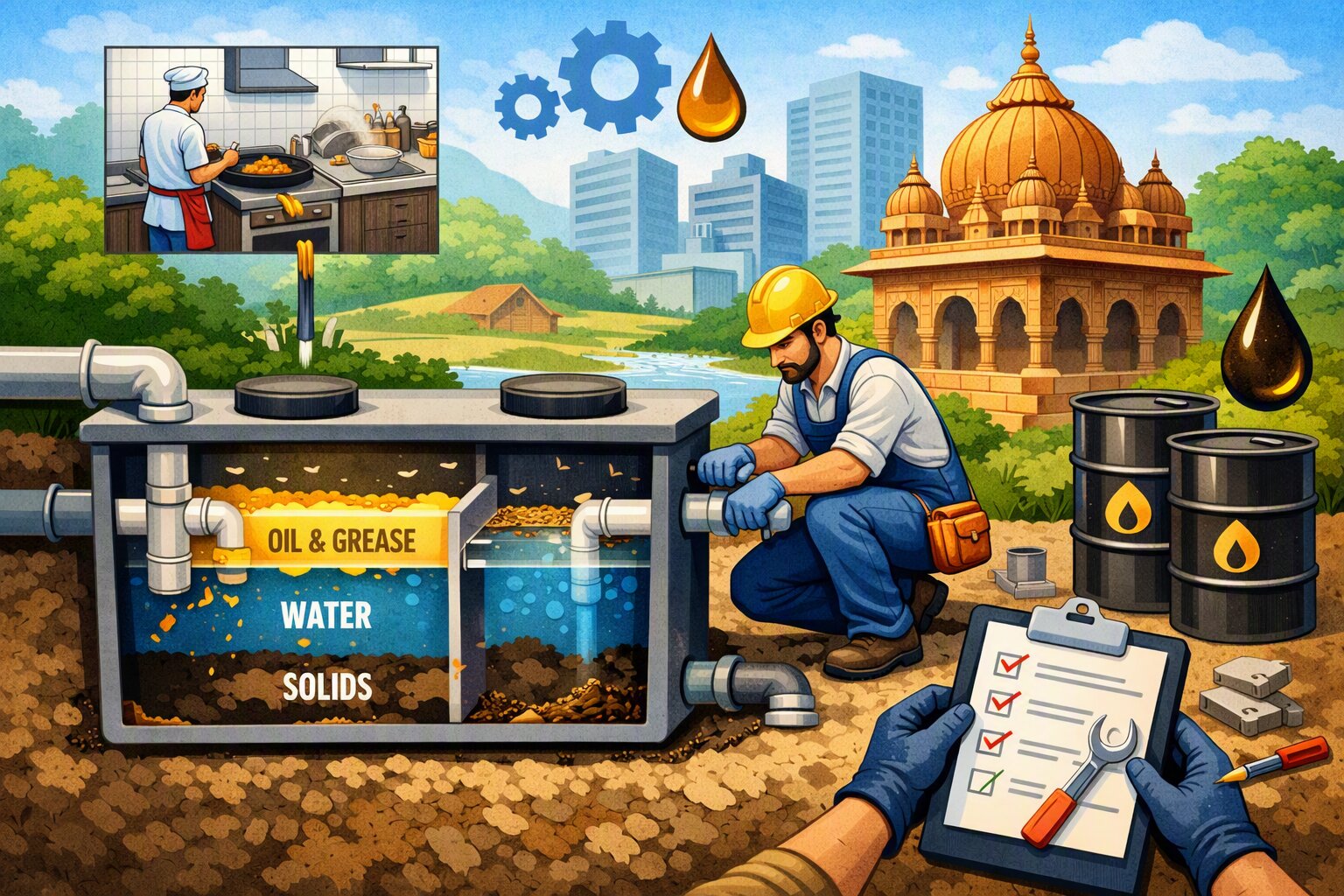
- Wastewater Enters the Trap – Kitchen wastewater contains water, FOG, food particles and suspended solids entering via the inlet, where flow is slowed to support separation.
- Heavy Solids Settle- Food particles and other heavier metals move downward and accumulate in the lower portion of the trap, minimizing quantity of solids entering the downstream drainage.
- Grease Floats to Surface – FOGs are lighter than water, so they rise to the surface and form a retained layer inside the trap.
- Separated Water Exits- The internal baffles or separation arrangements help prevent the floating grease and settled solids from leaving with outlet flow, allowing comparatively cleaner water to pass to the drainage system.
Grease Trap Installation
Correct installation is important because even a well-designed grease trap may not deliver the required outcome due to improper installation.
- Location- First, it is important to choose the correct location for installation. Install the trap near a grease-producing kitchen drainage source while maintaining sufficient access for inspection and cleaning.
- Capacity to Wastewater Flow- Choose the trap as per the expected wastewater flow at peak times and FOG loading.
- Proper Plumbing and Access- Make sure of correct inlet/outlet connections, appropriate pipe gradients, ventilation where required, and enough space for inspection, grease removal and cleaning.
Maintenance of Grease Trap Explained
It is important to maintain the grease trap regularly, for the device has limited capacity to retain FOG and solids. Once fats, oils and grease are accumulated, separation performance can deteriorate, and blockages or bad smell may develop. It is thus required that the grease trap must be maintained regularly. Frequent cleaning helps reduce drain blockages and maintain the effectiveness of grease separation.
- Regular Inspection – Check grease layer, settled solids, inlet, outlet, baffles and overall condition of unit at regular intervals
- Remove Accumulated FOG – The grease must not be allowed to build up excessively. Remove the accumulated material as per operating requirements of the trap.
- Clean Internal Parts- Clean the tank, screens, baffles and other parts on a regular basis. This prevents hardened grease and food particles from restricting flow.
- Maintain Clean Records – Record inspections, cleaning dates, quantities removed and any observed problems to establish an appropriate maintenance schedule for the facility.
Case Study
A busy commercial restaurant in Delhi was experiencing recurring slow kitchen drains, bad smell and frequent plumbing interventions. The existing grease trap was undersized considering the flow of wastewater. The staff cleaned the grease trap only when the drainage problem appeared.
The owner of the restaurant worked with a professional grease trap manufacturer who assessed the following-
- Peak Flow
- Wastewater Sources
- Drainage Connection
- Cleaning Schedule
The manufacturer, post-assessment, chose the higher–capacity grease trap. They also advised the staff to do regular maintenance of the grease separator and improve the drainage connection. The restaurant experienced a more controlled method for retaining FOG and food solids before wastewater entered the downstream drainage system.
This case study showed that correct sizing, scheduled maintenance, and accurate installation are important for the long-term performance of the grease trap.
Role of Grease Trap in Wastewater Treatment
- Help control FOG entering the drainage system
- Reduce the risk of grease-related blockages
- Improve kitchen drainage management
- Support Downstream Wastewater Treatment
A properly designed grease trap can be a significant part of effective kitchen wastewater management. Choosing the right capacity and configuration is important. Work with a professional grease trap supplier to enjoy sustainable and reliable solutions designed to meet the wastewater and operational requirements of commercial and industrial facilities.
FAQs
1. What does a grease trap do?
A grease trap removes fats, oils and food solids from wastewater before they enter the drainage system. Green Genra manufactures and supplies premium-quality grease traps aligned with your requirements.
2. Why are grease traps used?
Grease interceptors are used to prevent fats, oils, grease and food solids from entering and clogging drainage pipes and wastewater systems.
3. What is an oil and grease trap?
An oil and grease trap is a device designed to separate FOG and other suspended food solids from wastewater before they enter the drainage networks or subsequent treatment stages. Contact Green Genra for premium-quality oil and grease traps at the best price.
About the Author
Green Genra is a trusted grease trap manufacturer, supplier and environment consultancy firm based in Delhi with 10+ years of experience. Backed by a team of environment specialists and pollution control experts, the brand provides end-to-end solutions for grease trap management, pollution control and hazardous and sustainable waste management. The brand helps organizations implement practical, efficient and environmentally responsible solutions customized to their operational and wastewater management requirements.
Share with:
Latest News
-
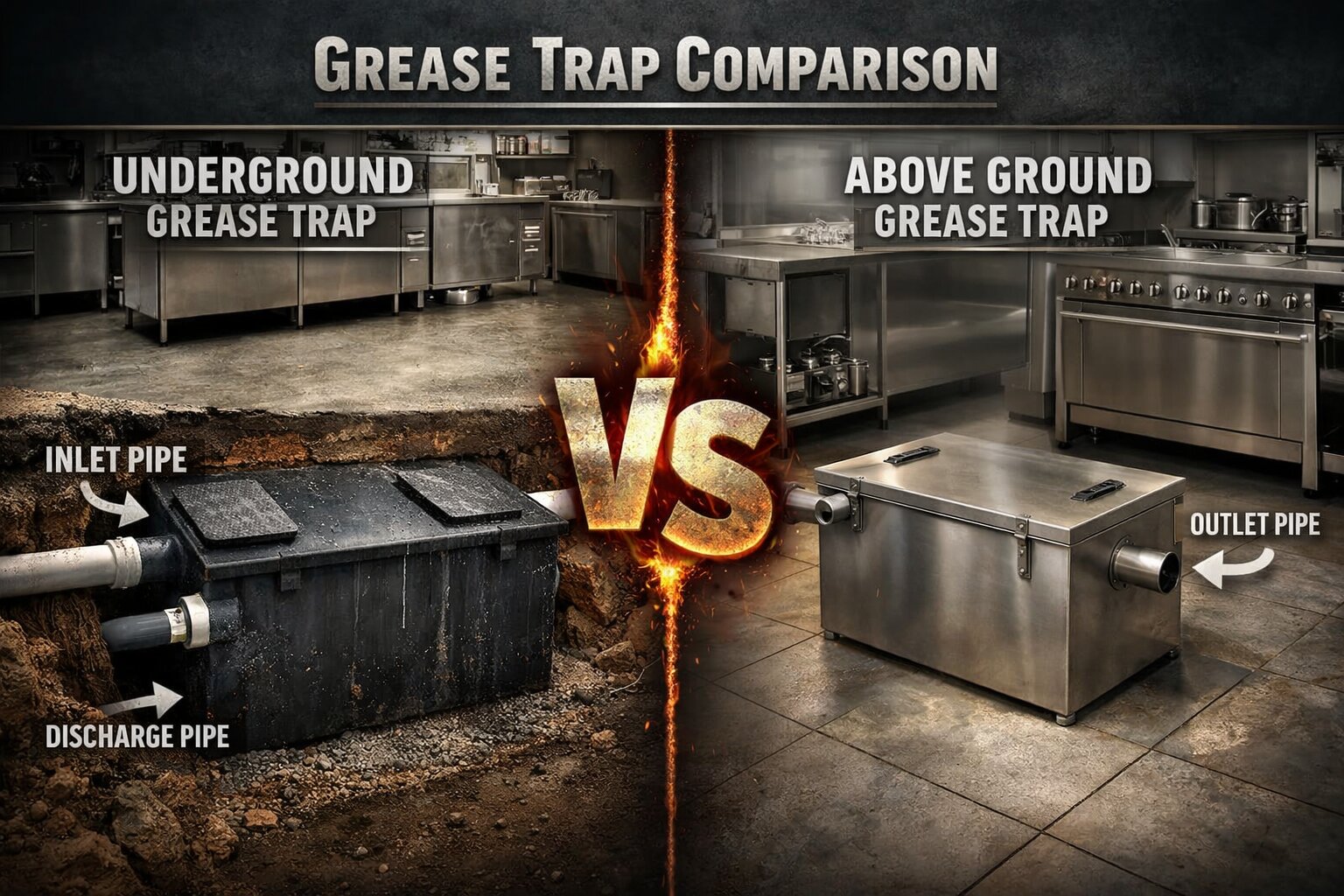
Underground v/s Above Ground Grease Trap
18-07-2026 -
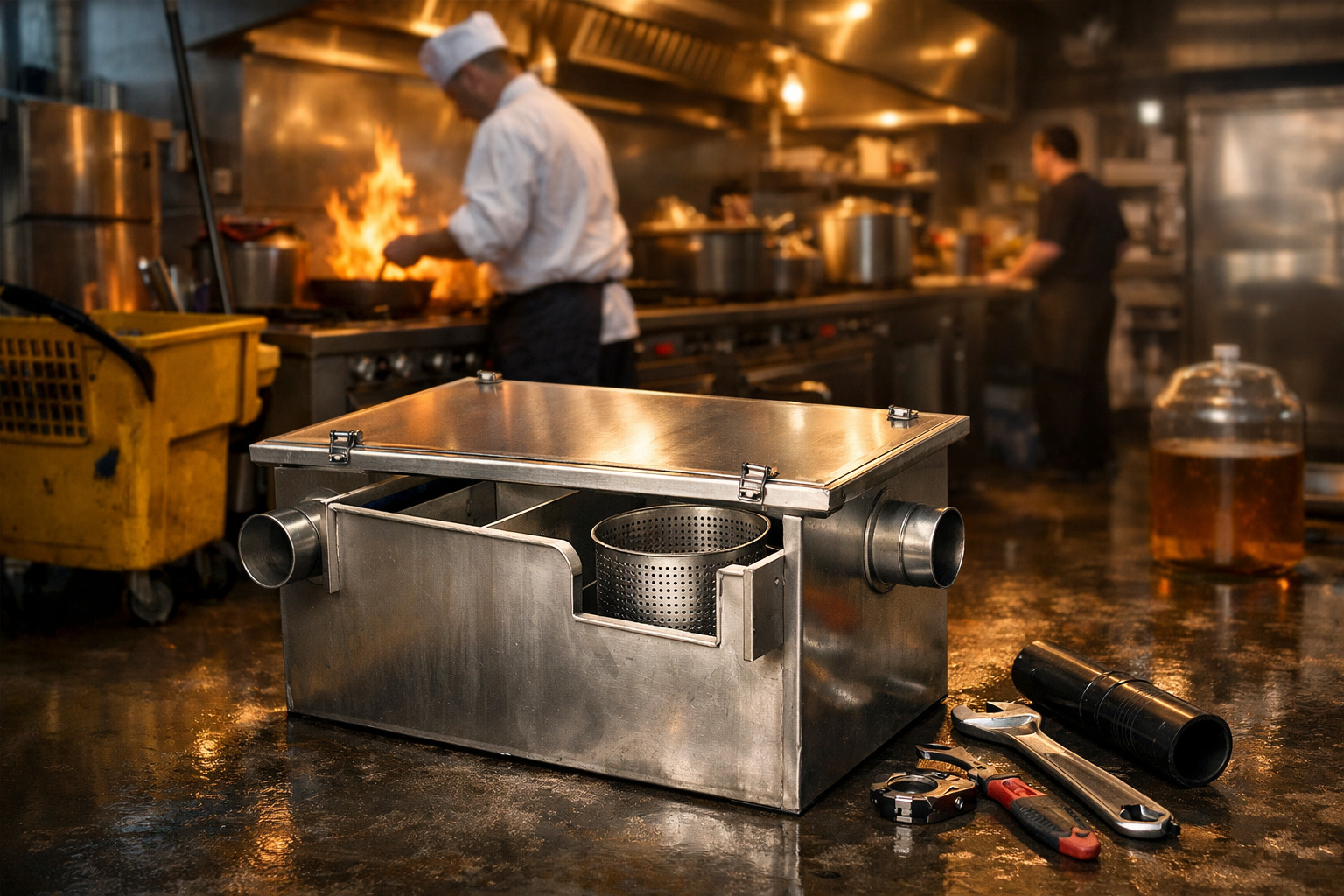
Restaurant Grease Trap Buying Guide
02-07-2026
Our Clients
















































Latest News
Complete Guide to Oil & Grease Traps in India: Types, Working, Installation & Maintenance 12-08-2026
Commercial kitchens, restaurants, healthcare facilities, canteens, food joints, and food processing units generate wastewater...
Underground v/s Above Ground Grease Trap 18-07-2026
Commercial kitchens in restaurants, hotels, food courts and other food facilities generate large quantities of FOG – fa...
Restaurant Grease Trap Buying Guide 02-07-2026
If you are an owner of a restaurant, you must consider investing in a good grease separator. The best Grease Trap for a resta...

Every business, small, medium, or big, in India must have environmental compliance. Whether you are setting up a manufacturin...

Managing biomedical waste is an environmental and legal responsibility for healthcare units across Delhi NCR. Biomedical wast...
Water is a significant natural resource and needs to be used carefully. Food processing industries depend heavily on water fo...
Upcoming Events