
Yamuna cleaner during lockdown due to increase in fresh water, lesser effluent generation: NGT panel
The water quality in the Yamuna here has "improved significantly" during the lockdown due to an increase in fresh water availability and absence of industrial effluent, according to the Central Pollution Control Board (CPCB) and the Delhi Pollution Control Committee (DPCC).
The National Green Tribunal-appointed Yamuna Monitoring Committee (YMC) had earlier this month asked the CPCB and the DPCC to conduct tests to ascertain if the water quality in the river had improved due to the lockdown.
The committee said there was a significant increase (5 to 6 fold) in fresh water availability downstream of Wazirabad during April which helped in the dilution of the pollution caused due to waste water from major drains like Najafgarh and Shahdara.
For improvement in water quality, availability of fresh water in significant quantities is important, the panel comprising retired NGT expert member Bikram Singh Sajwan and former Delhi chief secretary Shailaja Chandra said.
Industrial effluent, from 28 industrial clusters and industries in non-conforming/residential areas, also remained absent during the lockdown. Residential areas are estimated to have more than 51,000 industries.
Preventing any industrial effluent going into the drains and eventually the river has contributed to the improvement in the water quality, the panel said.
Other factors are stoppage of human activities such as throwing of puja material, solid waste disposal, bathing and washing of clothes etc., which were minimised during the ongoing lockdown, it added.
The CPCB analysis suggested the water quality at "Palla, Nizamuddin and Okhla (downstream) and 16 major drains has improved significantly".
"In fact, biological oxygen demand (BOD) at Nizamuddin and Okhla has increased by as much as 80 to 90 per cent with similar increases in chemical oxygen demand, though dissolved oxygen levels were still low," it said.
The waste water quality in two major drains -- Najafgarh and Shahdara -- which contribute about two-thirds of the hydraulic load of all the drains, also showed improvement of about 30-45 per cent in BOD. However, the BOD levels in the two drains were ...
The CPCB report also pointed out that the fresh water availability in the Yamuna, which was less than 1,000 cusecs prior to the lockdown, increased more than fivefold downstream of Wazirabad during the lockdown.
"Besides, all the industries, which contribute about 36 million litres per day of effluent, remained closed. This also helped improve water quality," the panel said.
The DPCC report -- based on samples collected at nine stations along the river and at 20 stations on the drains -- said the BOD concentrations improved from 20 to 33 per cent at ITO, Nizamuddin, Agra canal Jaitpur, Okhla barrage (upstream) and Okhla.
It also suggested that the water quality has deteriorated at Palla, Surghat, Khajuri Paltoon Pool (downstream of Najafgarh drain point) and Kudesia Ghat barrage.
The DPCC compared the data from water samples collected on April 6 with the corresponding data for the year 2019.
Also Read: Tokyo strikes gold, silver and bronze with e-waste Olympic medals
Source: Deccanherald
-
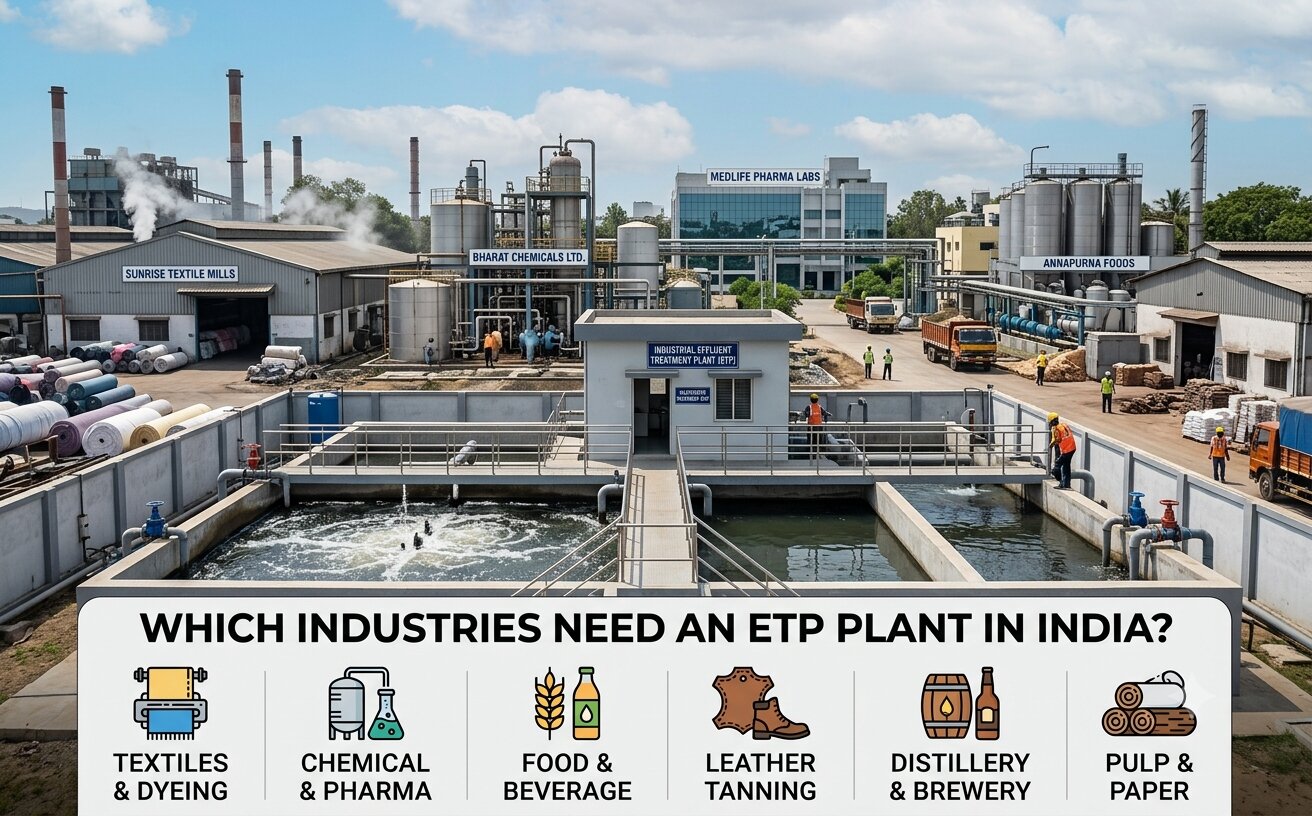
Which Industries need an ETP Plant in India?
17-09-2026
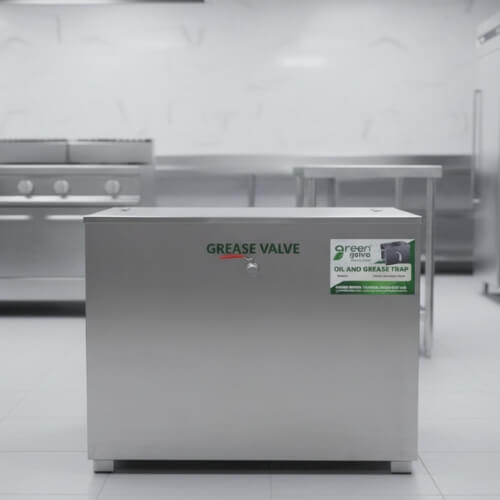
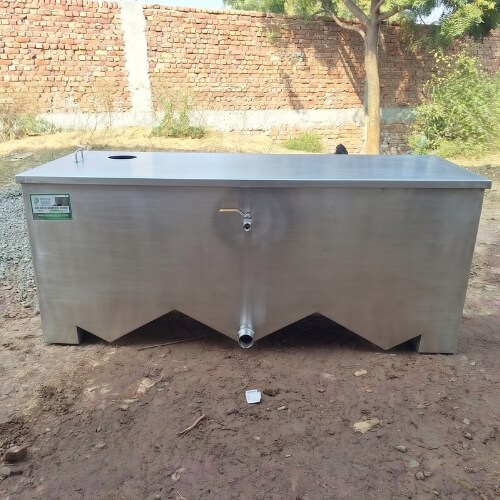
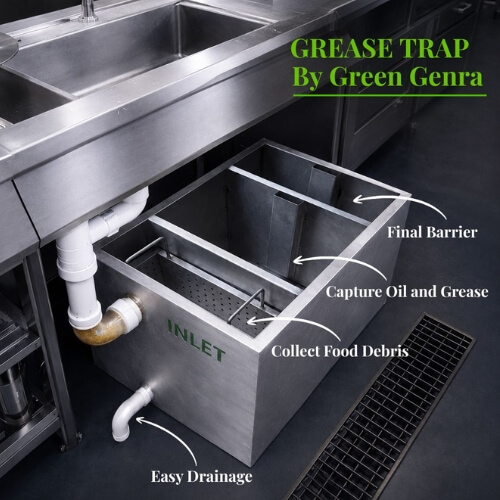
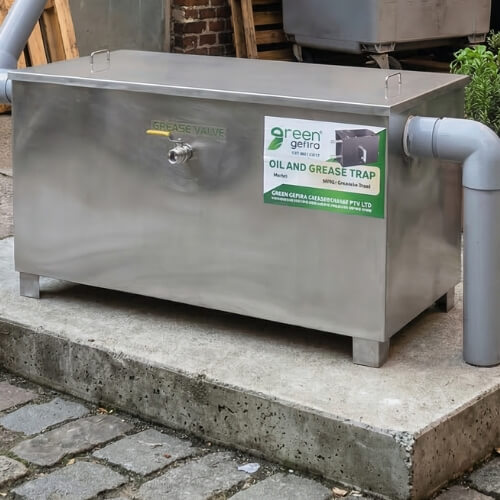
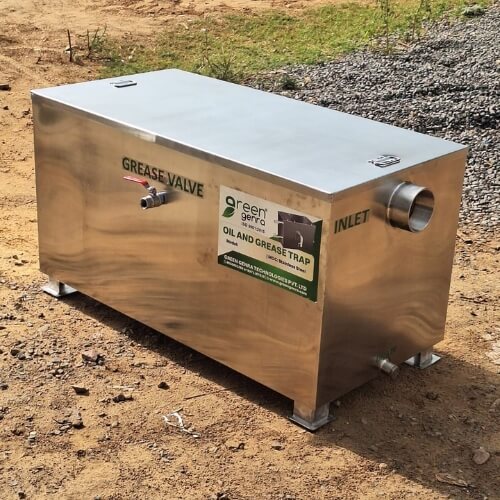
















































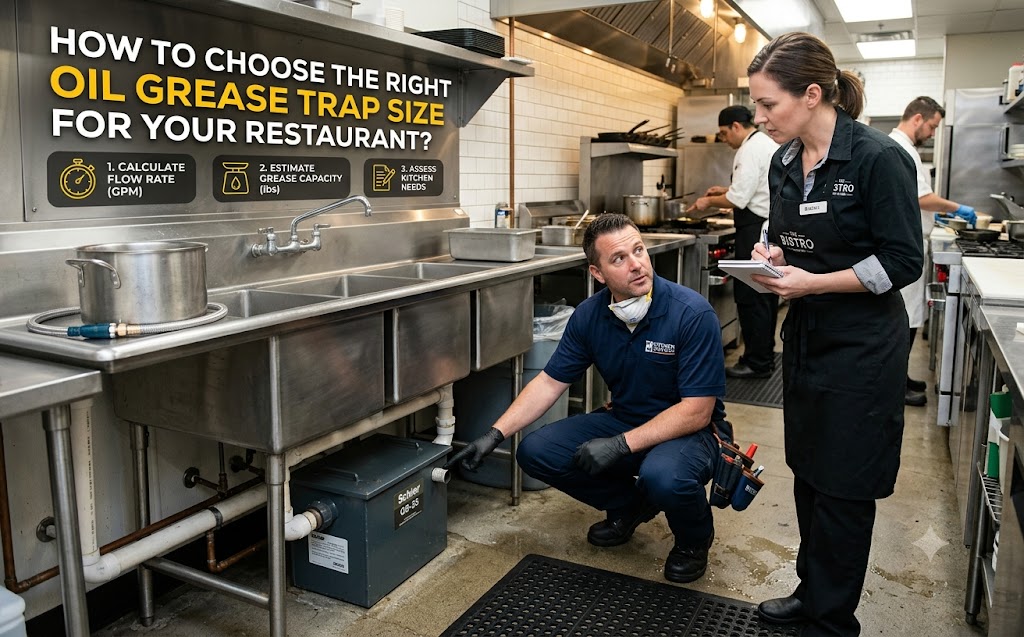
Choosing the right oil grease trap size for your restaurant is important for maintaining an efficient commercial kitchen, pre...
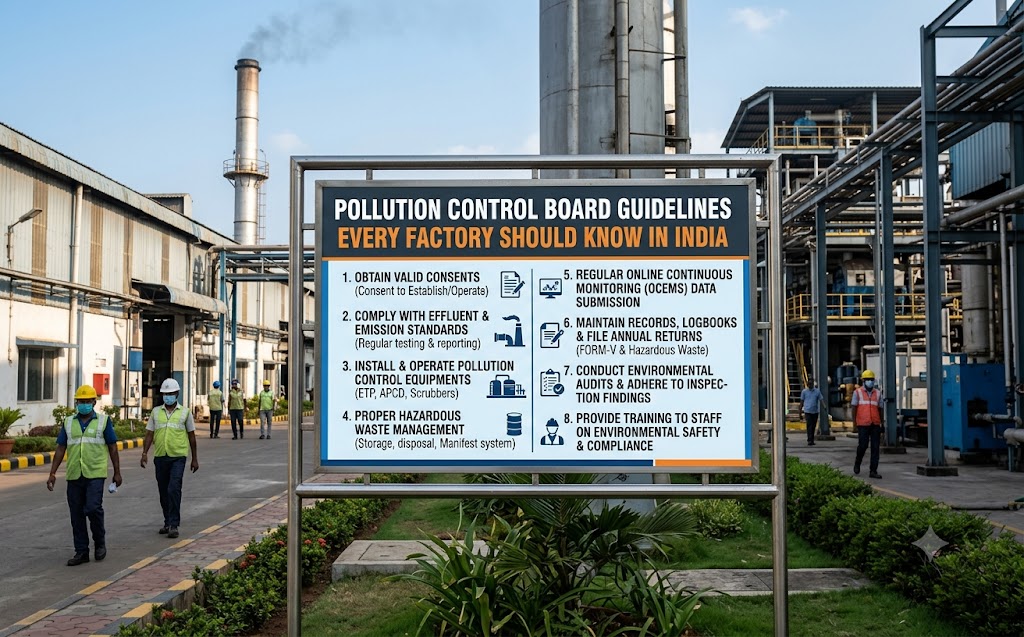
Factories in India operate under environmental regulations set by regulatory authorities to control pollution, protect natura...
Industrial growth in India has hit sky-high across many verticals, including manufacturing, textiles, pharmaceuticals, chemic...
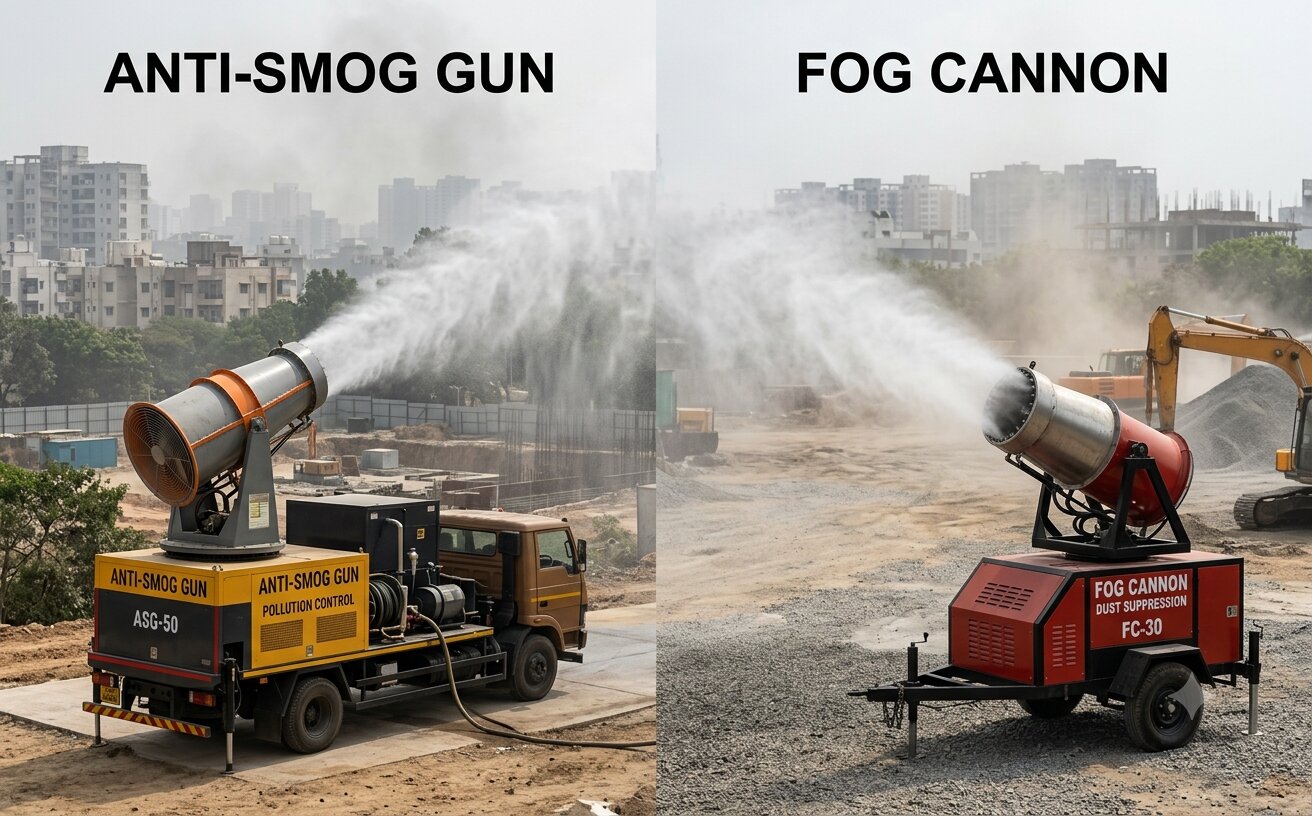
One of the most common issues Indian cities are facing is pollution. Pollution is very common in Delhi and the NCR area, wher...
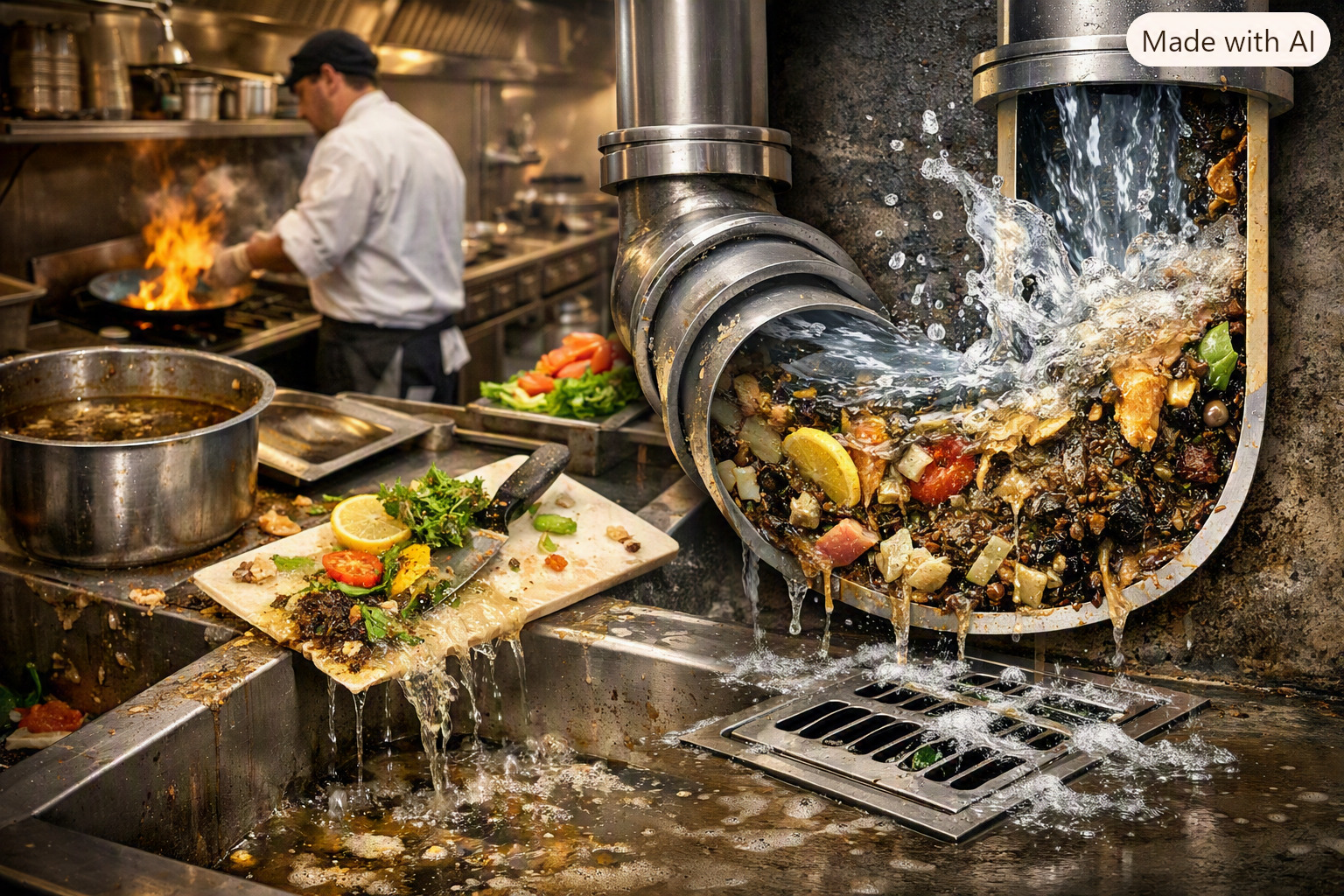
Commercial kitchens deal with large volumes of food, cooking oils, fats, food particles and wastewater daily. Hotels, food jo...
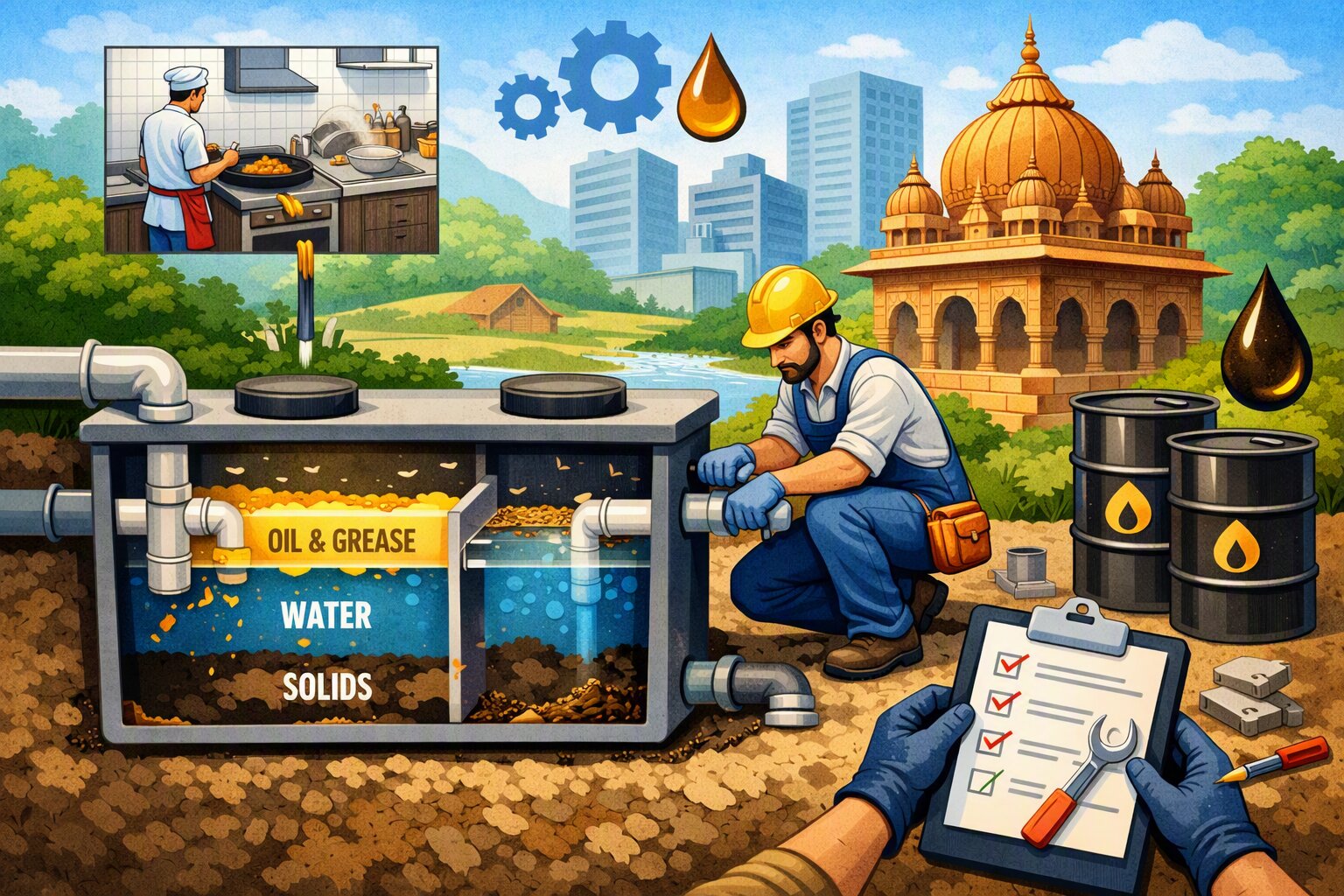
Commercial kitchens, restaurants, healthcare facilities, canteens, food joints, and food processing units generate wastewater...