
Tokyo strikes gold, silver and bronze with e-waste Olympic medals
All medals for the Tokyo 2020 Olympics will be made from metal collected by recycling electronic waste, games organisers said on Friday.
News Description
All medals for the Tokyo 2020 Olympics will be made from metal collected by recycling electronic waste, games organisers said on Friday.
Tokyo’s organising committee in 2017 launched a project to collect assorted electronic waste — including old smartphones and laptops — from the public to collect metal for the medals.
Recycled metal has also been collected from local Japanese businesses and industry.
In a statement issued on Friday, organisers said the collection was expected to reach its goal and will end in late March.
By November last year, municipal authorities had already collected 47,488 tonnes of discarded devices, with the public handing in another five million used phones to a local network provider.
Organisers had set a target of 2,700 kgs (about 5,950 pounds) of bronze, 30.3 kgs (67 pounds) of gold and 4,100 kg (about 9,040 pounds) of silver.
They hit the target for bronze last June, and by October had more than 90 percent of the gold and 85 percent of the silver.
“It is estimated that the remaining amounts of metal required to manufacture all Olympic and Paralympic medals can be extracted from the devices already donated,” the organisers said.
Recycled metals have been used in previous years to make Olympic medals, including in Rio where some 30 percent of the silver and bronze in medals came from recycled materials.
The designs for the Tokyo 2020 medals will be unveiled later this year.
Source: Outlook The News Scroll
-
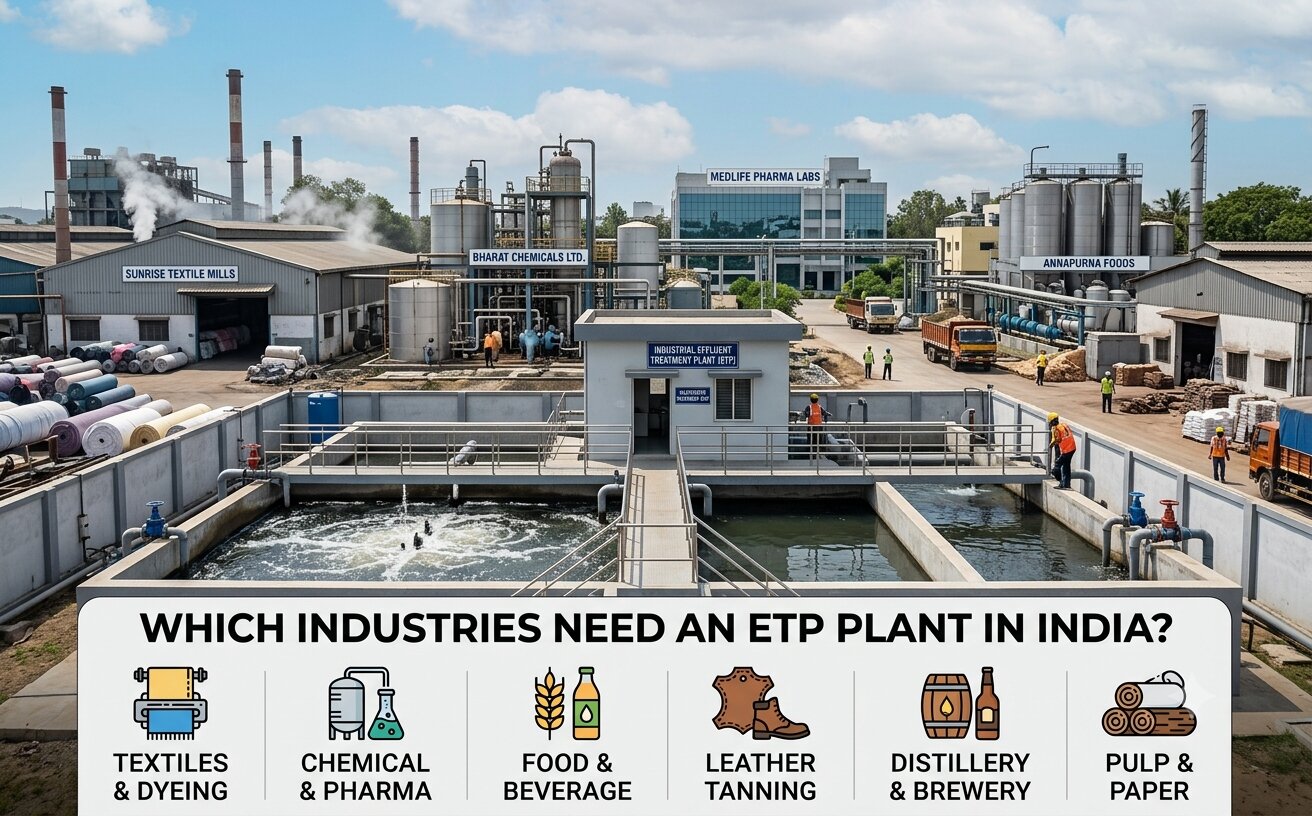
Which Industries need an ETP Plant in India?
17-09-2026
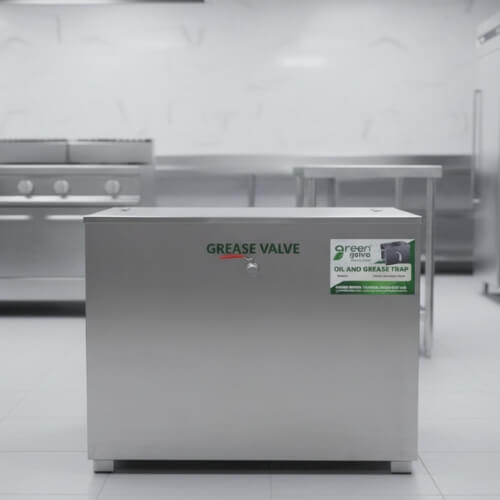
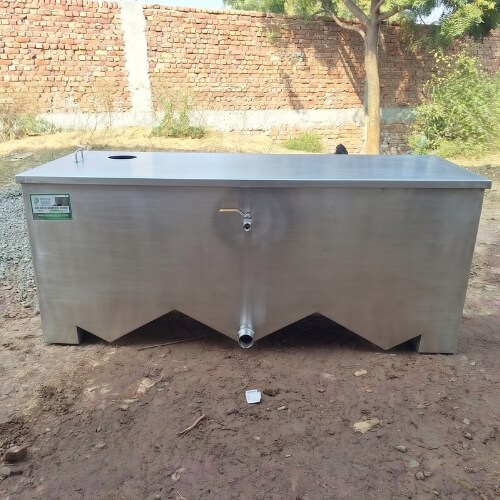
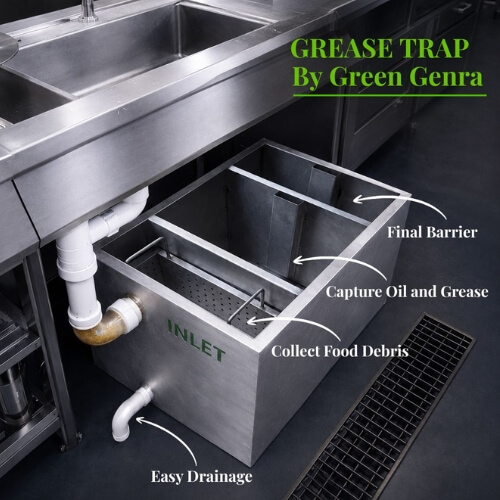
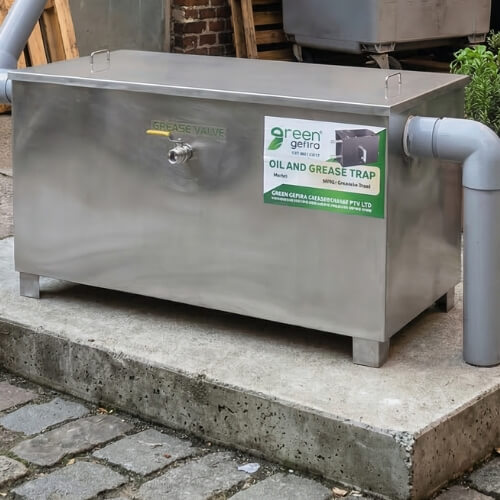
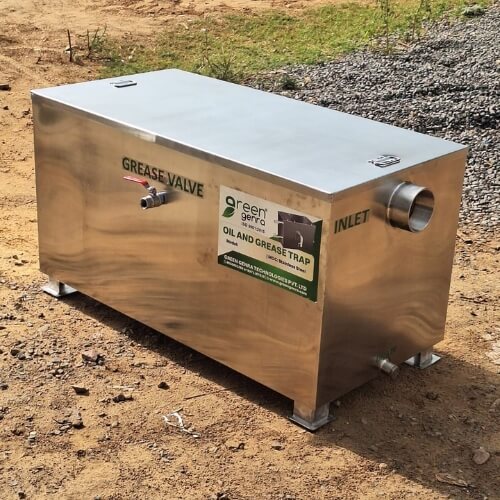
















































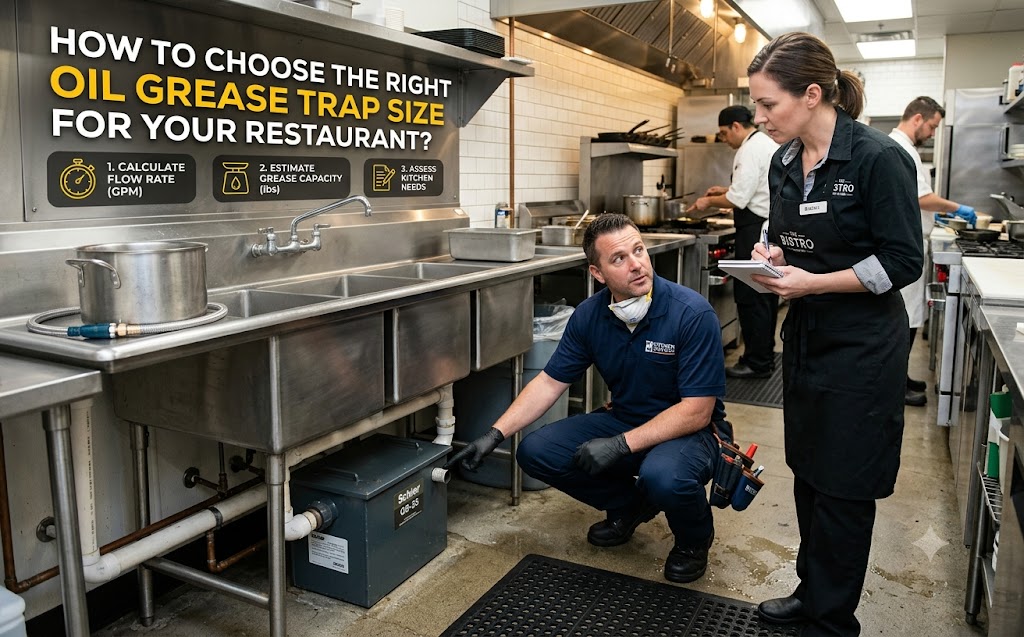
Choosing the right oil grease trap size for your restaurant is important for maintaining an efficient commercial kitchen, pre...
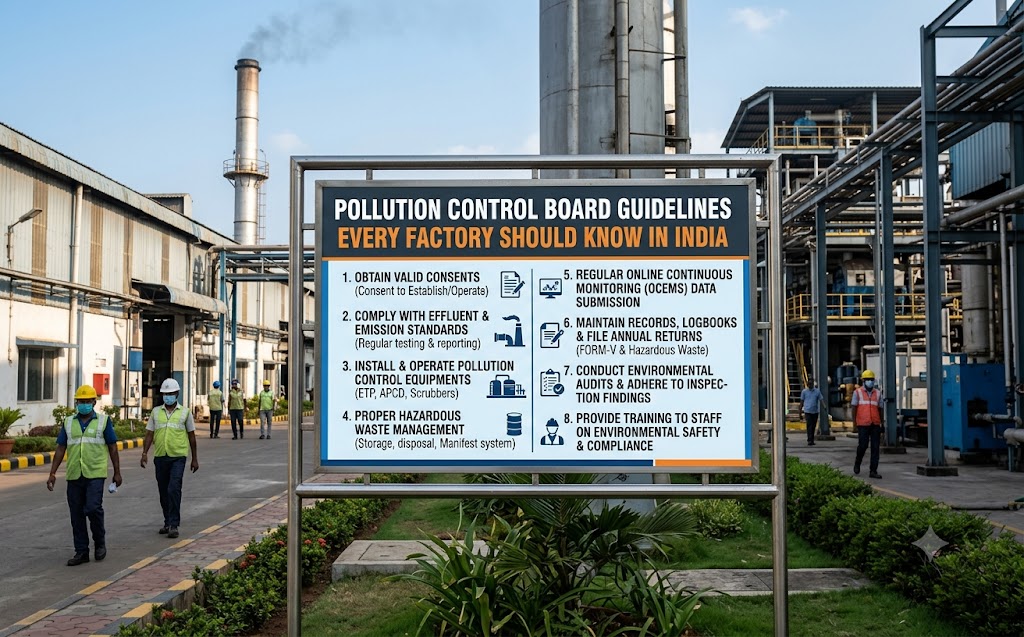
Factories in India operate under environmental regulations set by regulatory authorities to control pollution, protect natura...
Industrial growth in India has hit sky-high across many verticals, including manufacturing, textiles, pharmaceuticals, chemic...
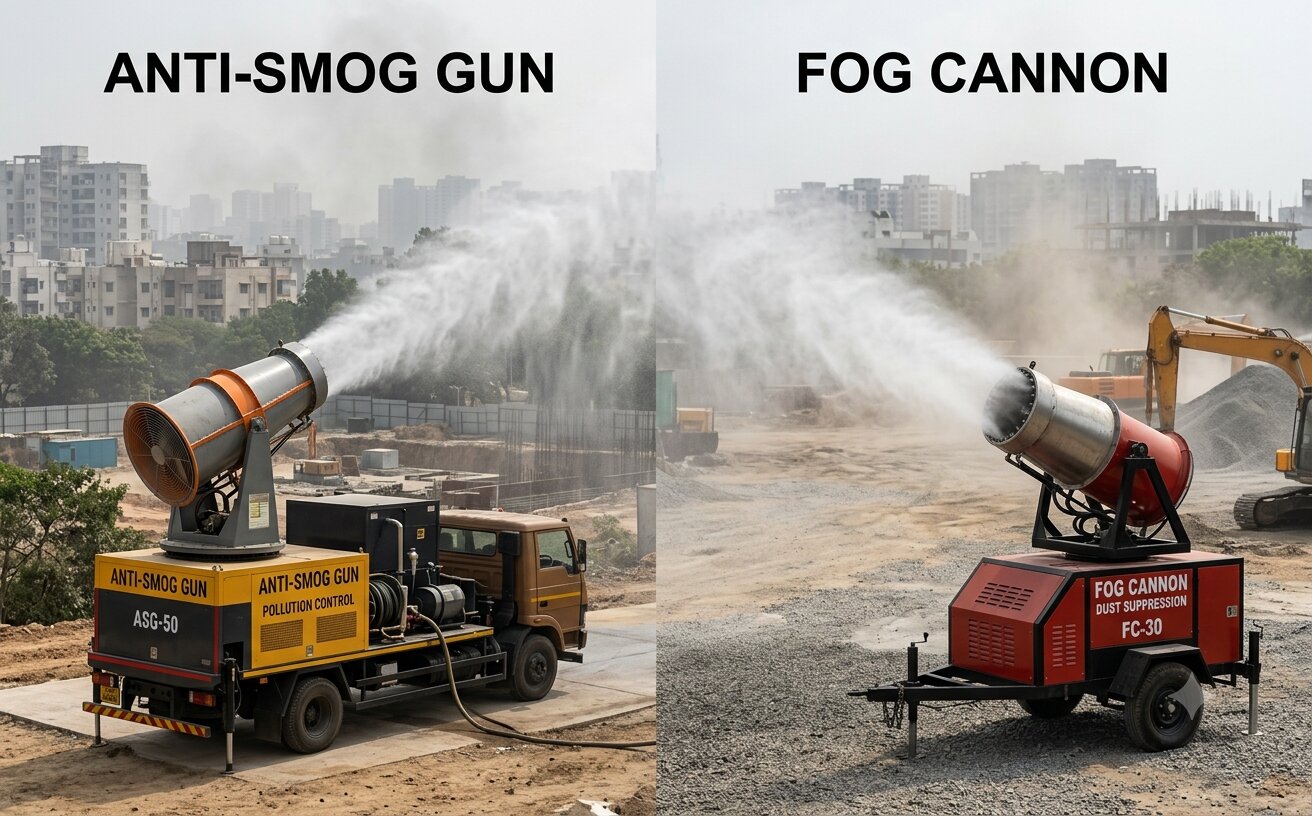
One of the most common issues Indian cities are facing is pollution. Pollution is very common in Delhi and the NCR area, wher...
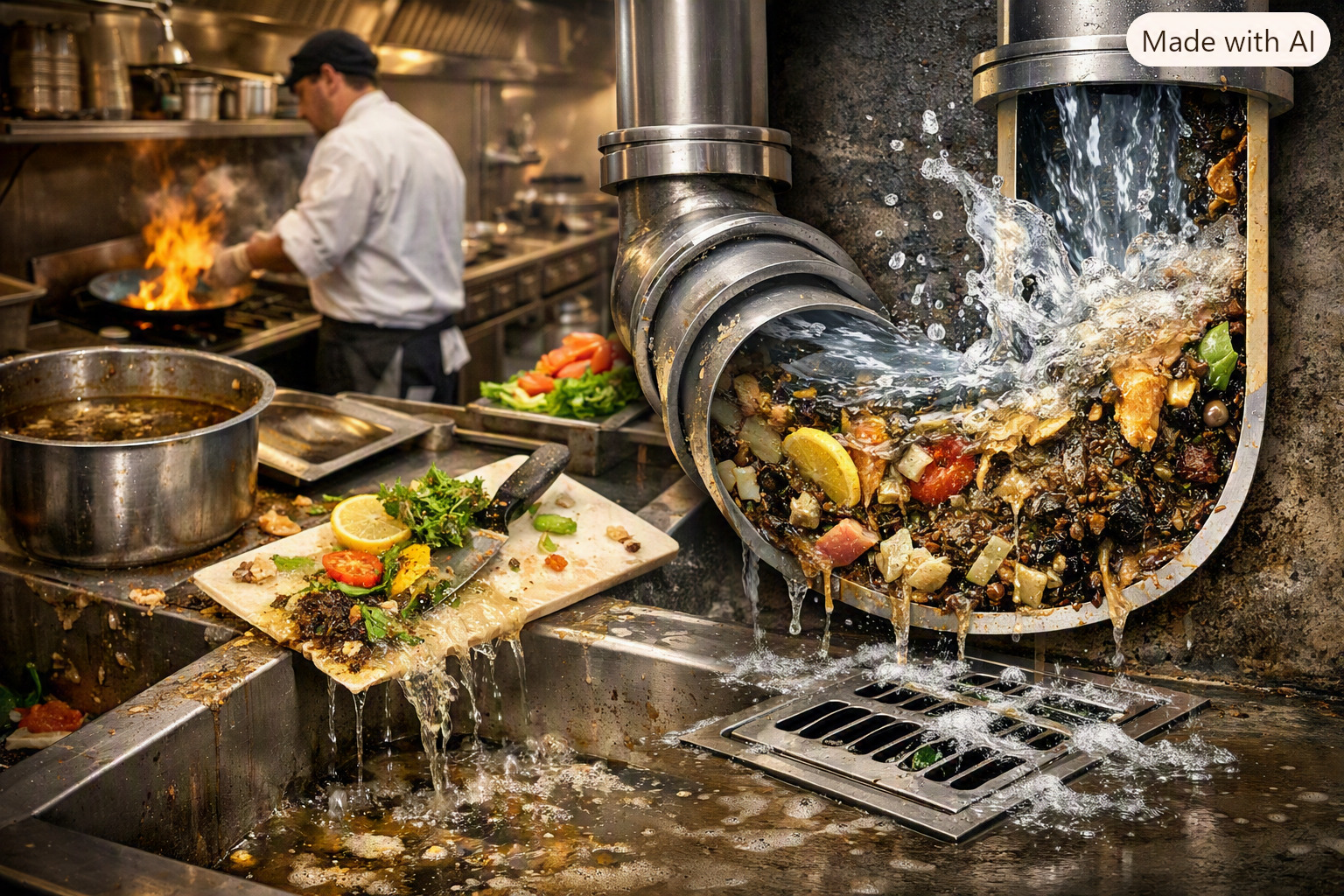
Commercial kitchens deal with large volumes of food, cooking oils, fats, food particles and wastewater daily. Hotels, food jo...
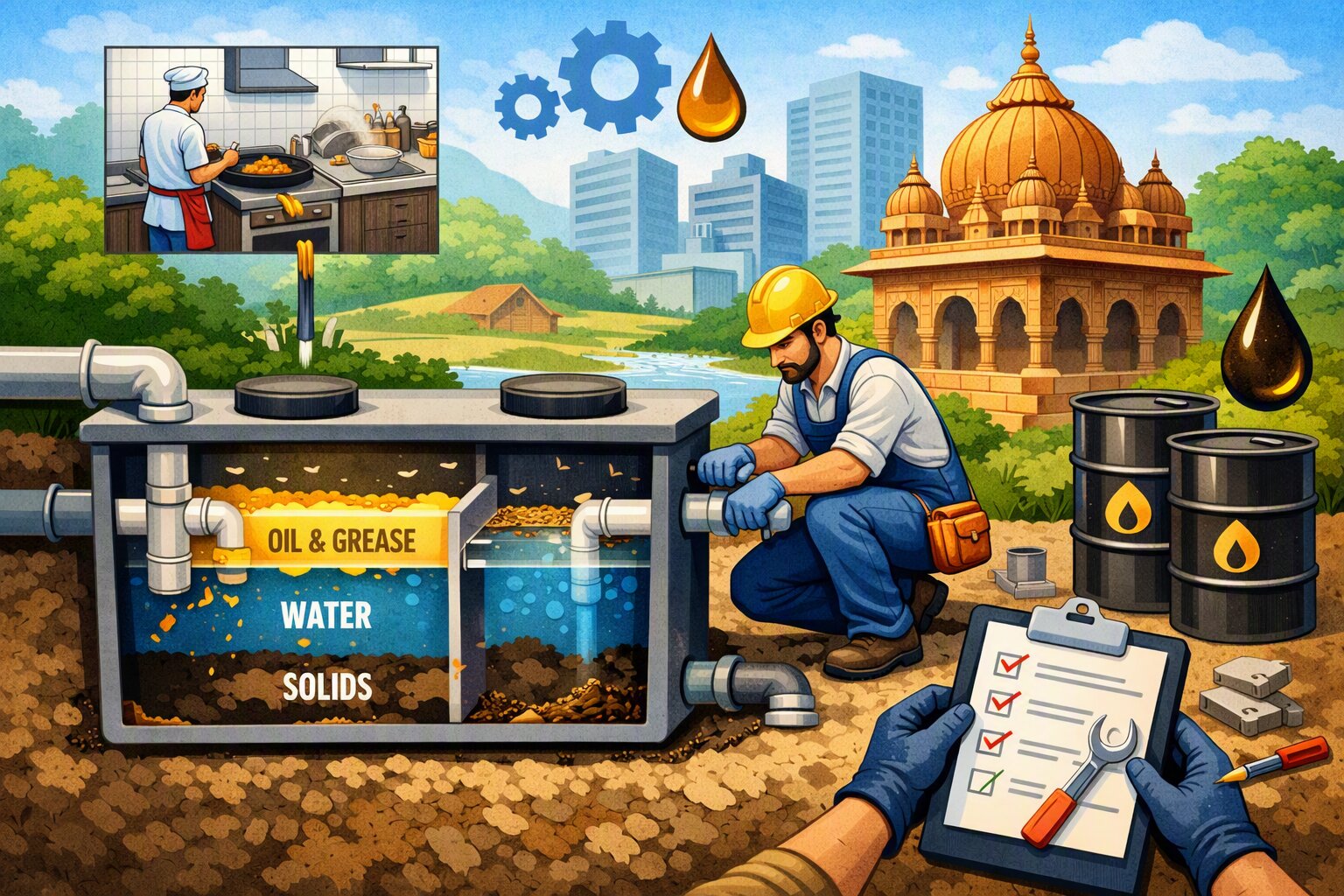
Commercial kitchens, restaurants, healthcare facilities, canteens, food joints, and food processing units generate wastewater...