
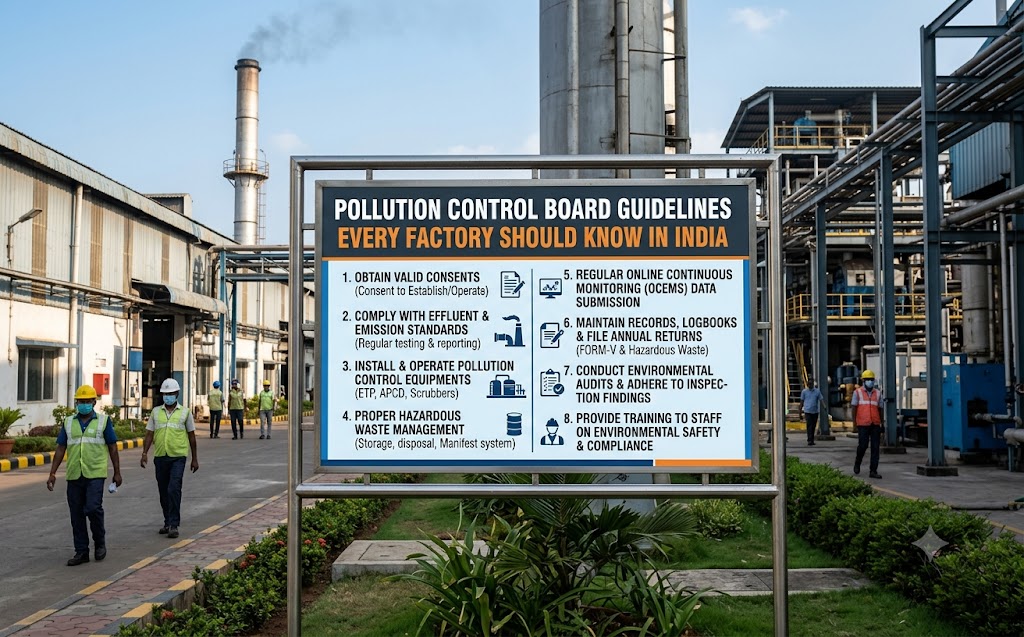
Pollution Control Board Guidelines Every Factory Should Know in India
Factories in India operate under environmental regulations set by regulatory authorities to control pollution, protect natural resources, and reduce risks to public health. Pollution Control Guidelines for Factories in India cover areas such as air emissions, wastewater discharge, hazardous waste, solid waste, noise and environmental permissions. Depending on the industry, location, production capacity, and type of pollutants generated, a factory may need approvals and ongoing compliance with the Central Pollution Control Board and the State Pollution Control Board.
What are Pollution Control Board Guidelines for Factories?
Factory Pollution Control Guidelines in India are environmental requirements issued or implemented by India’s pollution-control authorities to regulate industrial activities that may cause air, water, waste or other forms of pollution. The CPCB Central Pollution Control Board develops national-level standards and guidance, along with State Pollution Control Boards' guidelines for factories. These mandates require industries to obtain Consent to Establish (CTE) and Consent to Operate (CTO) before commencing or continuing operations. Requirements include effluent and emission standards, waste management rules, monitoring, reporting and environmental safeguards.
Pollution Control Board Rules for Industries in India
- Obtain Consent Before Establishing or Operating a Factory: If your factory is involved in activities covered by the applicable pollution control laws, you will need regulatory consent from the concerned State Pollution Control Board. CTE is relevant before establishing or expanding an industrial unit, while CTO is required for operating the facility after applicable conditions have been met. As a factory owner, you must know the applicable consent requirements at the planning stage rather than waiting until operations begin.
- Control Air Emissions and Industrial Pollution: If your factory in India is using boilers, furnaces, generators, chemical processes or other emission-producing equipment, you may need to meet prescribed emission standards and install appropriate pollution -control systems. Based on the process, you may include equipment such as dust collectors, filters, and other emission-control technologies. The factory management must regularly maintain and monitor the pollution control systems that are in place, for they will be effective only when they are correctly designed, operated and maintained.
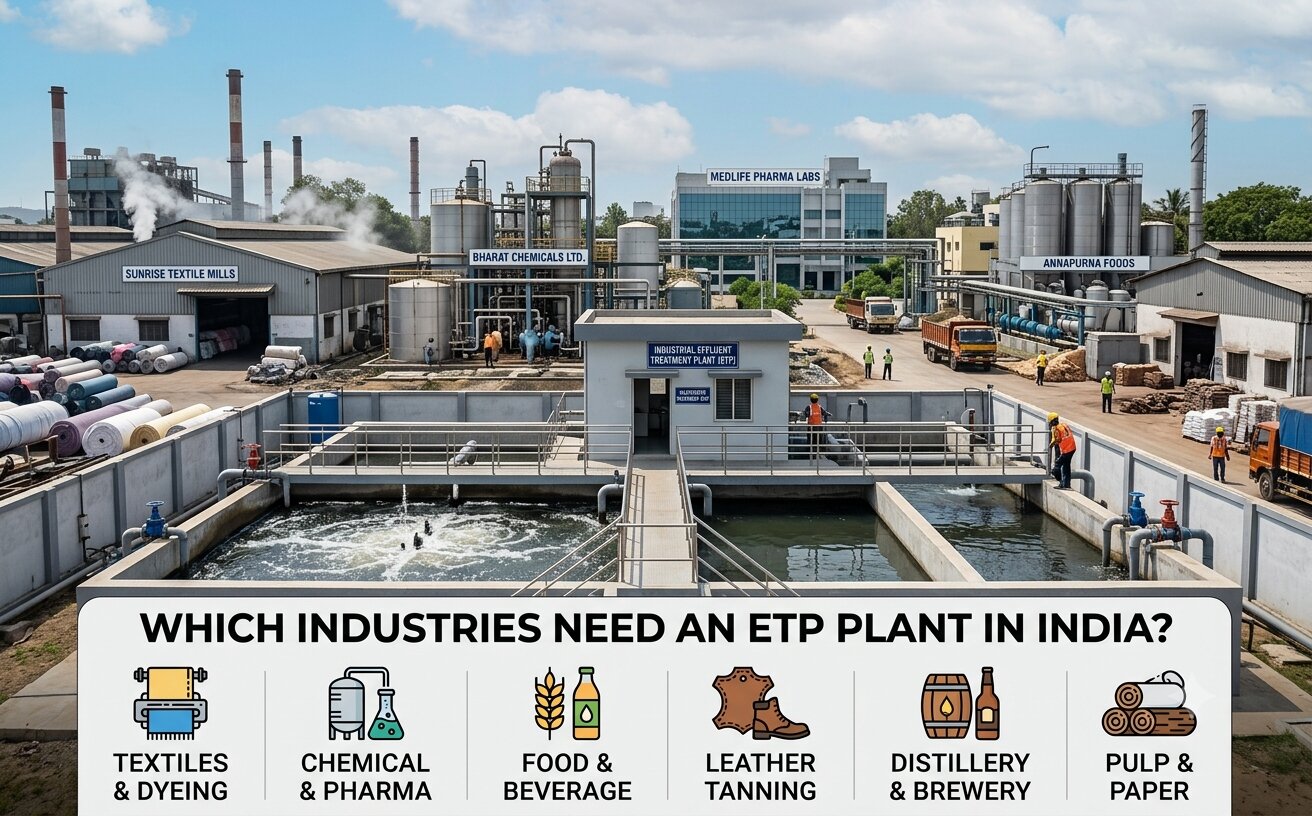
- Manage Industrial Wastewater Properly: One of the significant CPCB guidelines for industries is that factories must manage the wastewater generated properly. The management must ensure that effluent is handled as per the applicable environmental requirements. Industries can install an Effluent Treatment Plant (ETP) or other treatment systems before discharge, reuse or disposal. Businesses must monitor relevant parameters, maintain treatment records and ensure that treated effluent meets the applicable standards and consent conditions.
- Follow Hazardous and other Waste Management Requirements: Industrial operations can generate harmful waste such as used oils, contaminated materials, chemical residues, or other regulated waste streams. Such waste should be identified, stored, handled and disposed of through legally appropriate channels. Factories must maintain required records and documentation relating to waste generation, storage, transportation and disposal where applicable. Incorrect waste handling can create environmental as well as compliance risks.
- Maintain Records and Demonstrate Ongoing Compliance: Environmental compliance continues after obtaining regulatory approvals. Factory owners may need to maintain monitoring data, waste records, laboratory reports, consent documents, returns and other relevant environmental records. The pollution control equipment installed must be inspected and maintained regularly. A documented compliance system makes it easier for factories to demonstrate that they are meeting applicable requirements during inspections or regulatory review.
Case Study
A manufacturer in Delhi expanded its production capacity without properly reviewing its existing pollution-control consent conditions. The increase in production resulted in higher wastewater generation and greater use of pollution-control equipment; however, the factory did not update its environmental management system accordingly. During the regular inspection, the owner was not able to provide complete monitoring and documentation showing compliance with the applicable requirements.
The situation created operational uncertainty and required the factory to review its environmental systems, improve record-keeping, and address gaps in its pollution -control arrangements. The experience showed that obtaining an initial approval is not enough; factory owners must continuously review their consent conditions and ensure the actual operations remain aligned with applicable environmental requirements. It is advisable to work with a professional environmental specialist to ensure that actual operations remain aligned with applicable environmental requirements.
How can a factory improve environmental compliance in India?
- By identifying the environmental laws, consent conditions and waste management requirements applicable to a specific industry.
- Identify sources of air emissions, wastewater, hazardous waste, solid waste and other environmental impacts.
- Establish preventive maintenance schedules for ETPs, air pollution control equipment and monitoring systems.
- By maintaining approvals, test reports, monitoring records, waste records and other required documentation systematically
- By reassessing compliance whenever production capacity, machinery, raw materials or manufacturing processes change.
Adhering to the Pollution Control Rules in India is an ongoing responsibility for manufacturing businesses in India. From obtaining the right approvals to managing wastewater, emissions and industrial waste, every stage requires proper planning and documentation. It is important to work with experienced environmental professionals who can assess your factory operations and help identify compliance gaps. Discuss with the professionals today your factory’s pollution-control requirements and build a more reliable environmental compliance framework.
FAQs
1. Does every factory need an Effluent Treatment Plant?
Not necessarily; the requirements depend on the factory’s processes, wastewater generation, discharge arrangements and applicable regulatory conditions. Contact Green Genra to understand whether your factory needs an ETP.
2. What are the main pollution control board requirements for factories in India?
Factories in India may need environmental consent, pollution-control systems, waste management, monitoring and compliance with applicable emission and effluent standards.
3. How can a factory follow the industrial pollution rules in India?
A factory can maintain compliance by following consent conditions, operating pollution-control systems properly, monitoring emissions and waste, maintaining records and periodically reviewing regulatory requirements. The pollution control experts of Green Genra help factories maintain Pollution Control Board Compliance.
About the Author
Green Genra is a Delhi-based firm providing pollution control and waste management solutions for industries. Founded in 2015, the brand offers environmental compliance, pollution-control systems and sustainable waste management solutions that help businesses maintain Pollution Control Board compliance and improve their waste management. By offering solutions including grease traps, wastewater management, pollution control, and environmental consulting services, Green Genra addresses the environmental requirements of its clients.
-
Which Industries need an ETP Plant in India?
17-09-2026















































Factories in India operate under environmental regulations set by regulatory authorities to control pollution, protect natura...
Industrial growth in India has hit sky-high across many verticals, including manufacturing, textiles, pharmaceuticals, chemic...
One of the most common issues Indian cities are facing is pollution. Pollution is very common in Delhi and the NCR area, wher...
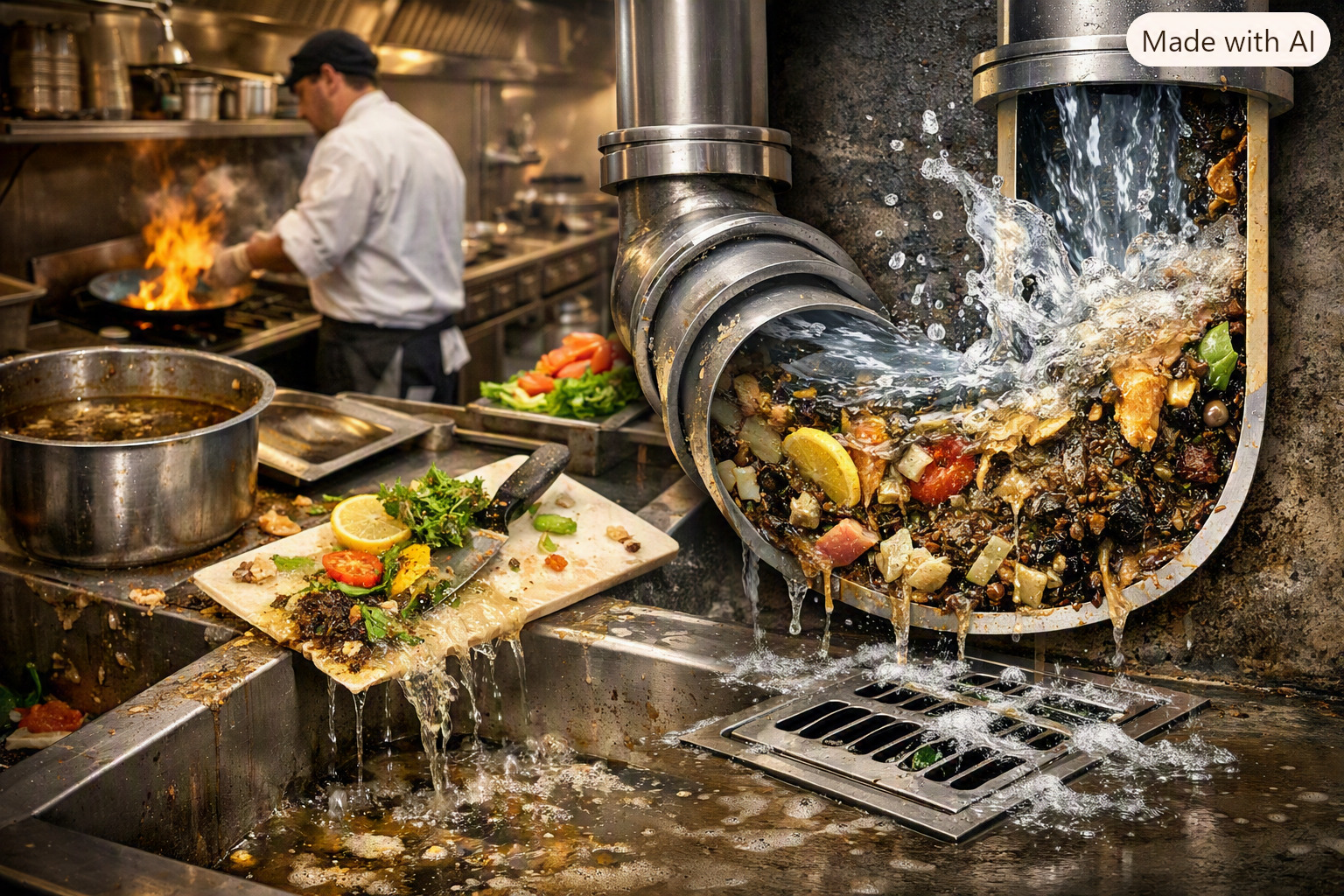
Commercial kitchens deal with large volumes of food, cooking oils, fats, food particles and wastewater daily. Hotels, food jo...
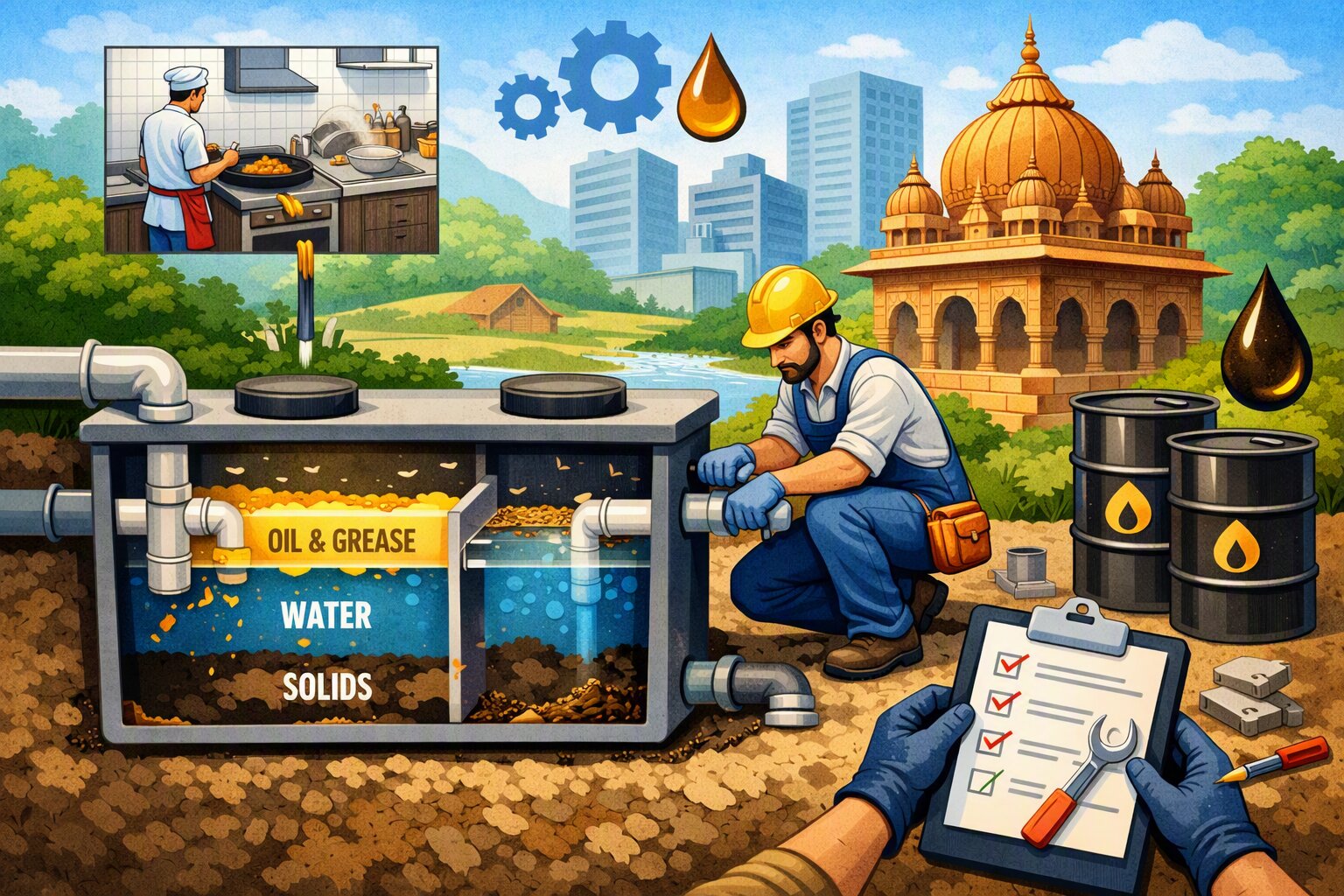
Commercial kitchens, restaurants, healthcare facilities, canteens, food joints, and food processing units generate wastewater...
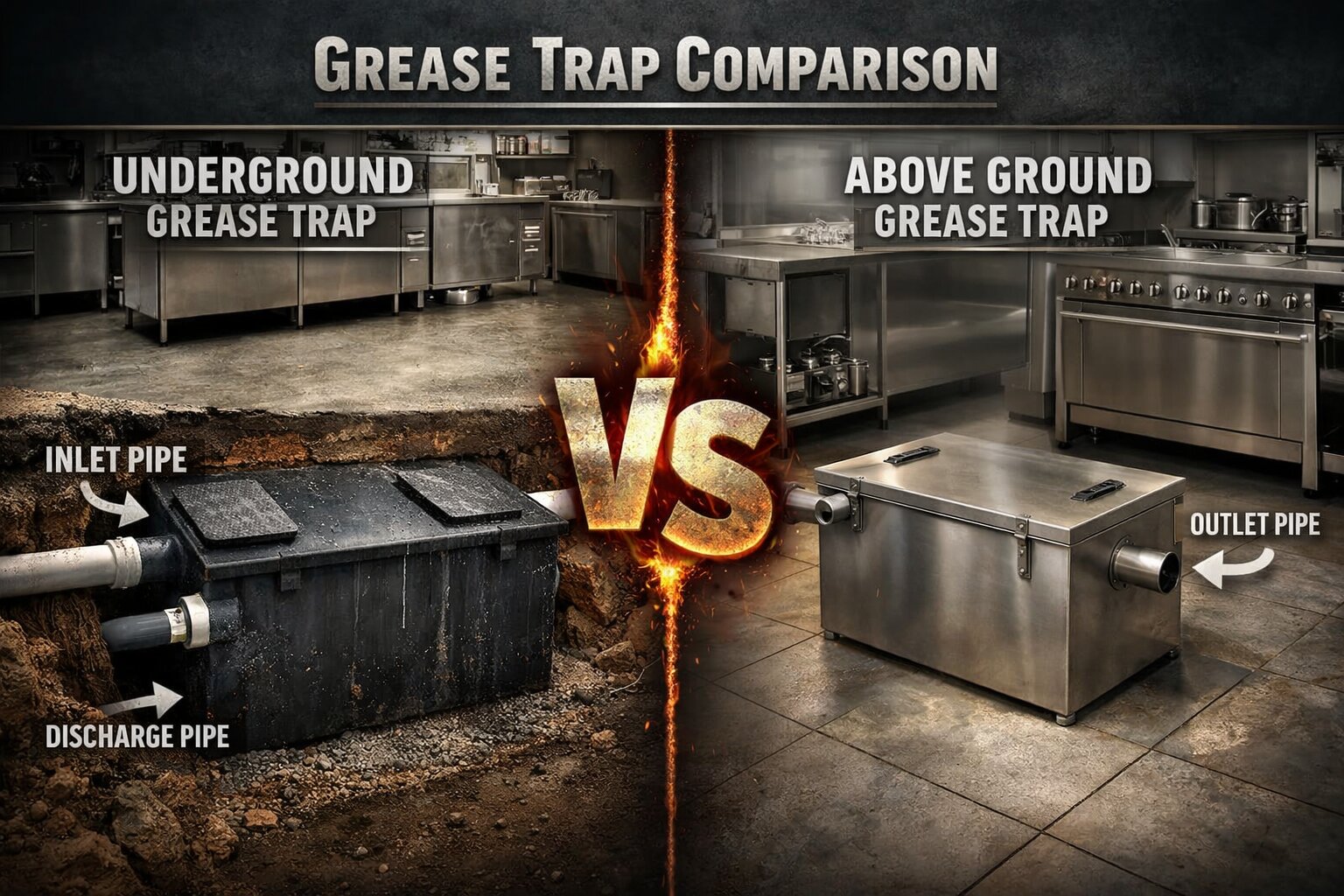
Commercial kitchens in restaurants, hotels, food courts and other food facilities generate large quantities of FOG – fa...