
How to Choose the Right Oil Grease Trap Size for Your Restaurant?
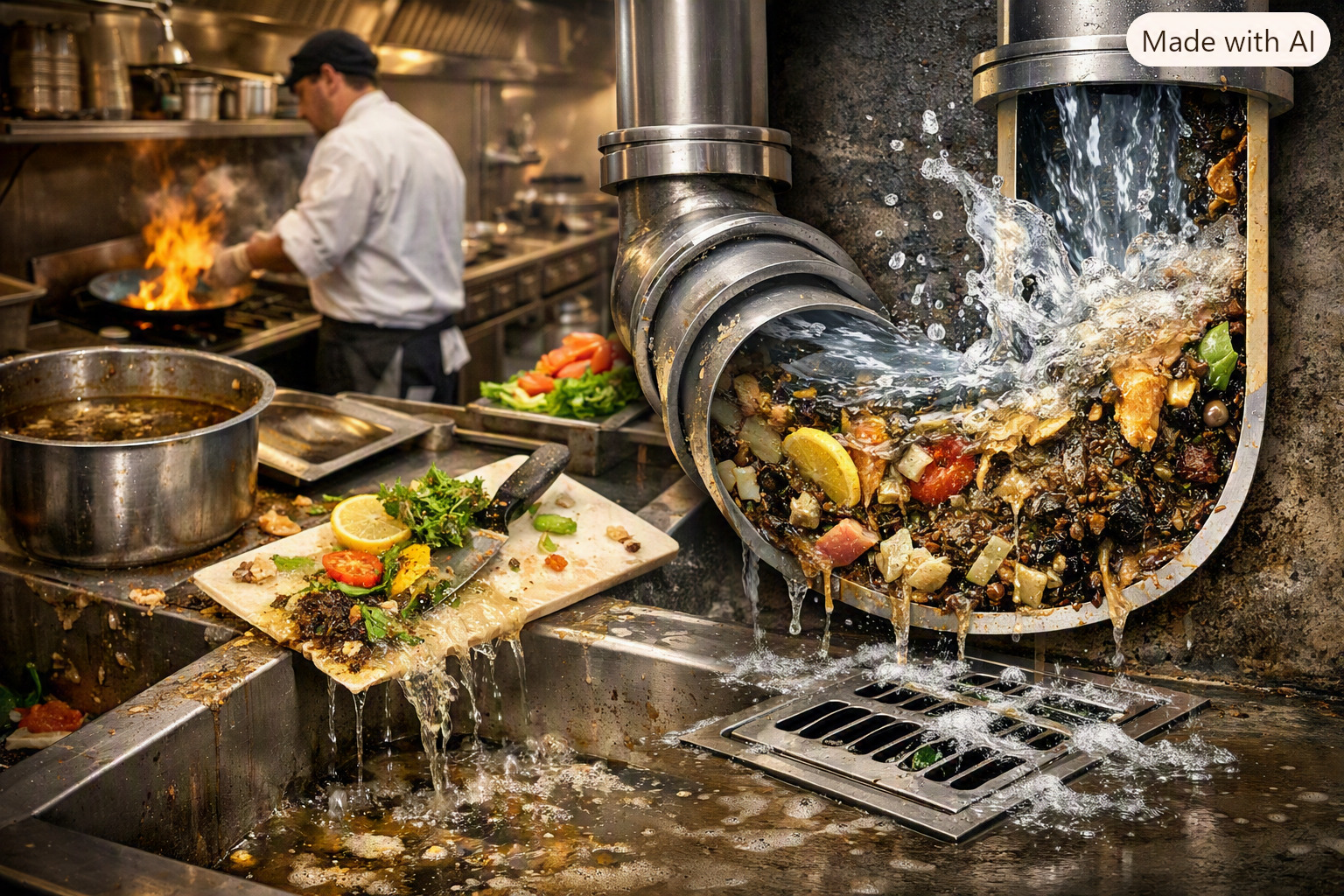
Choosing the right oil grease trap size for your restaurant is important for maintaining an efficient commercial kitchen, preventing drain blockages and managing wastewater in a responsible way. Many restaurants have a common concern: how to choose the right grease trap size? Hotels and restaurants generate a huge quantity of FOG- fats, oils, and grease- and wastewater from dishwashing, food preparation, and cleaning activities. If the grease trap size is not appropriate, FOG will get accumulated inside the drainage pipes, causing unpleasant odours, plumbing issues and potential regulatory issues. Selecting the right grease trap involves more than just choosing a product based on your kitchen size alone. This write-up will help you understand the key factors that are required to choose the right oil grease trap size for your restaurant.
What is an Oil Grease Trap?
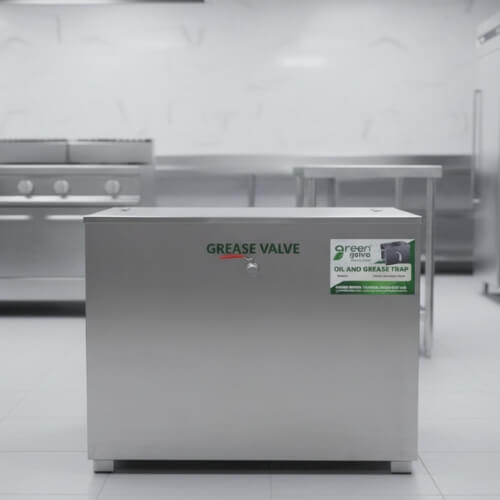
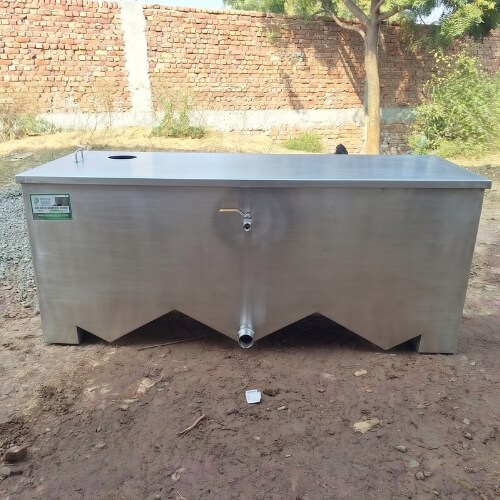
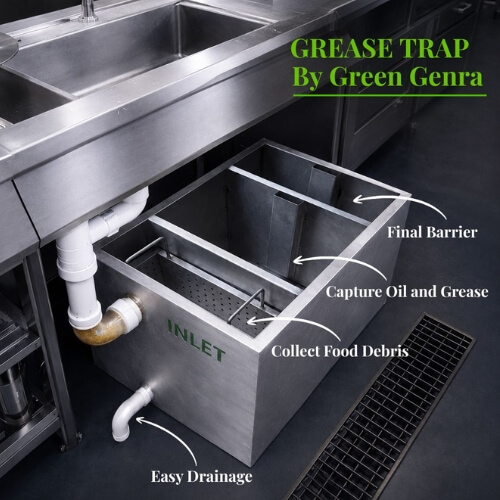
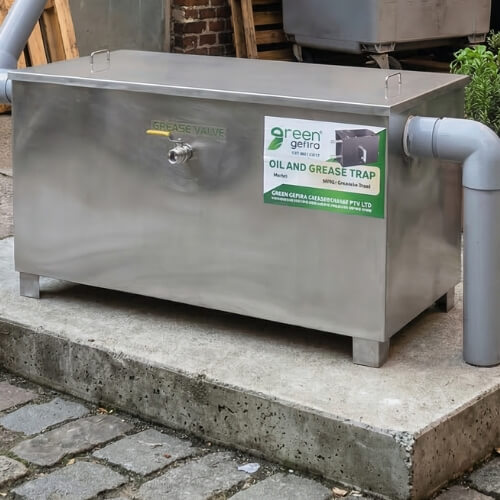
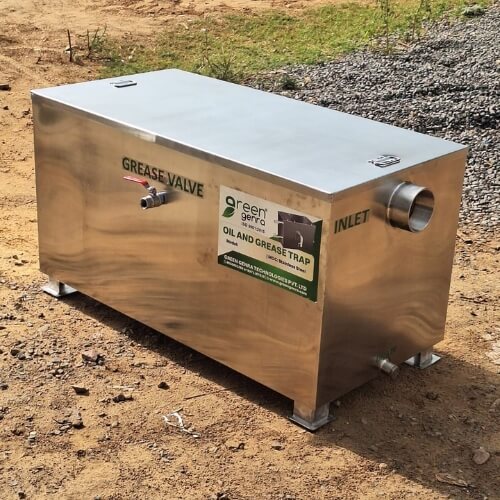
An oil grease trap is a plumbing device engineered to separate FOG from wastewater before it enters the drainage system. The grease separator, or interceptor as it is famously known, slows down the flow of wastewater, allowing grease and lighter oils to float to the surface while heavier food particles settle at the bottom. The cleaner water flows out through the drainage outlet.
Why is the right oil grease trap size important for a restaurant?
The right size grease trap-
- Prevents drain blockages by providing sufficient separation capacity to reduce grease accumulation in the kitchen drainage pipes
- It supports kitchen efficiency by helping manage wastewater generated during busy service hours without unnecessarily restricting drainage.
- It reduces maintenance issues.
- It supports regulatory compliance by helping restaurants meet applicable grease management and plumbing requirements when properly selected, installed and maintained.
How to Choose the right Oil Grease Trap Size for your Restaurant?
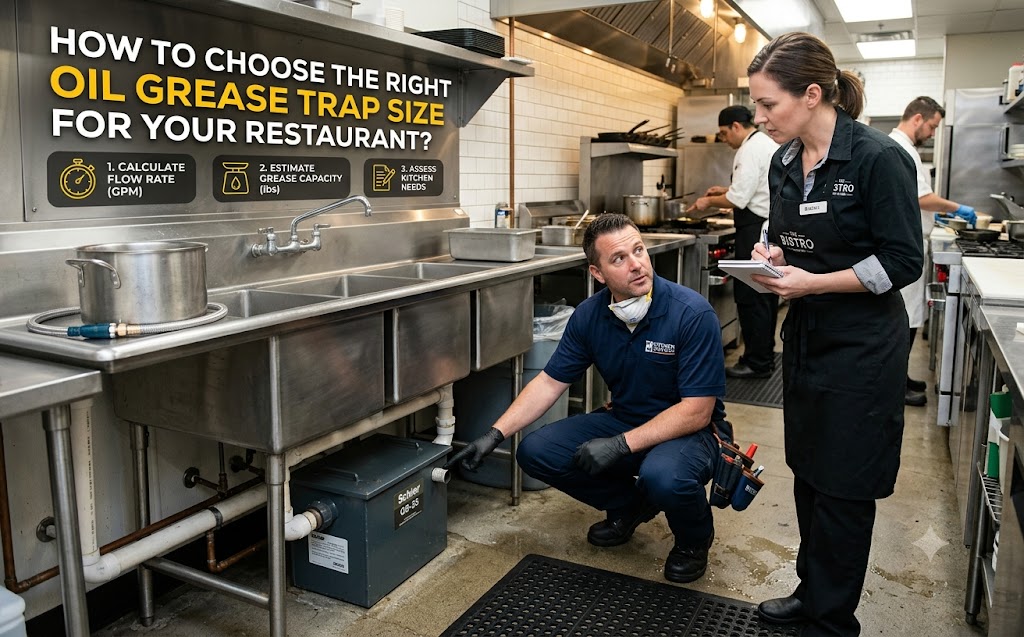
- Kitchen’s Wastewater Flow- Begin by estimating how much wastewater your kitchen generates during its busiest operating period. Consider the discharge from sinks, dishwashers, and other connected areas. The grease trap capacity for your hotel or restaurant depends on the flow rate and the sizing method specified by applicable plumbing code or local authority. Work with a professional grease trap exporter or supplier who will help you calculate the appropriate capacity based on your requirements.
- Number and Type of Kitchen Fixtures: List all the fixtures that will discharge wastewater into the grease trap. This includes pot sinks, preparation sinks, and commercial dishwashers. If your restaurant has large washing stations, it may require a higher capacity unit than a small café with limited washing facilities, even if both have the same customer footfall.
- Daily Meal Volume and Peak Hours: The number of meals served each day provides useful context for estimating grease and wastewater generation. If your restaurant is serving hundreds of customers during a short lunch period, you may experience greater simultaneous wastewater discharge than an establishment with the same daily customer count spread across the day. Choose a grease trap system that accommodates realistic peak operating conditions.
- Grease Trap’s Capacity and Design: Grease traps vary in capacity, flow rating, construction and installation requirements. Under-sink units are best for smaller kitchens, while larger restaurants may need external, floor-mounted, or higher-capacity systems. Choosing the grease trap separator based on physical dimensions or storage volumes is not correct. Check the rated flow capacity, separation performance, manufacturer’s specifications and whether it best fits your requirements.
- Local Plumbing Codes and Installation Requirements: When considering how to calculate grease trap size? Check the local plumbing codes and installation requirements. Both of these differ by location. Check the applicable plumbing code, wastewater authority requirements, and any local rules governing food service establishments. Assess the available installation space, access for cleaning, inlet and outlet connections, ventilation and maintenance clearance. Work with a reliable grease trap manufacturer to ensure professional installation, helping the unit operate as required.
- Work with an Experienced Manufacturer: A reliable grease trap manufacturer will assess your kitchen layout, fixture details, expected wastewater flow, and operational requirements before recommending a model. Based on your inputs about the restaurant’s size, menu, washing equipment, and peak service periods, they will help you select the best grease separator for your restaurant or hotel. Partnering with a good supplier will help you avoid choosing an undersized unit that struggles during peak periods or an unwanted large system that increases your initial costs.
Case Study
A busy restaurant in Delhi, NCR experienced recurring kitchen drain blockages and pungent smell during peak meal hours. Their existing grease trap was not adequately matched to wastewater generated by its multiple washing stations and commercial kitchen equipment. The restaurant manager and owners worked with a professional grease trap supplier who reviewed the fixture configuration, estimated wastewater flow and daily kitchen operations before recommending an appropriately sized grease trap. The restaurant installed the recommended unit and introduced a regular cleaning and maintenance schedule. The kitchen experienced fewer grease-related drainage interruptions and improved wastewater management.
This case study shows how the right grease trap size, professional guidance and routine maintenance can work together to address common kitchen drainage issues.
Choose the Right Grease Trap for Restaurant Today
An appropriately sized oil grease interceptor is an important investment in your restaurant’s drainage performance, kitchen hygiene and long-term maintenance strategy. The right choice depends on wastewater flow, connected fixtures, peak operating demand, installation conditions and applicable regulations.
When looking for reliable grease trap solutions for your commercial kitchen, partner with a professional grease trap manufacturer and supplier.
FAQs
1. How to determine the grease trap size for your restaurant?
Calculate the expected wastewater flow from connected fixtures and apply the sizing method required by your local plumbing code or wastewater authority. Work with the grease trap experts at Green Genra, who will help you choose the right grease trap size.
2. Can an undersized grease trap cause restaurant drain blockages?
Yes, an undersized grease interceptor may allow excessive grease to pass into drainage pipes, increasing the risk of blockages.
3. Why should restaurants buy grease traps from a professional manufacturer?
A professional supplier can provide guidance in selecting the right grease trap size, its technical specifications, installation recommendations and maintenance support for commercial kitchens. Green Genra offers the best quality and long-lasting grease interceptors according to your requirements.
4. In which facilities commercial grease traps are installed?
They are commonly installed in restaurants, hotels, cafes, cloud kitchens, and other food service facilities to reduce the accumulation of FOG in drainage pipes and support effective wastewater management.
About the Author
Green Genra is a trusted manufacturer, exporter and supplier of the best quality grease traps and STPs, providing environmental compliance solutions to businesses and industries. The brand focuses on quality, innovation and a customer-centric approach in every product they offer. With an aim to help businesses achieve better efficiency, long-term performance and sustainable growth, Green Genra supports responsible wastewater management and environmental compliance norms.
-
Which Industries need an ETP Plant in India?
17-09-2026
















































Choosing the right oil grease trap size for your restaurant is important for maintaining an efficient commercial kitchen, pre...
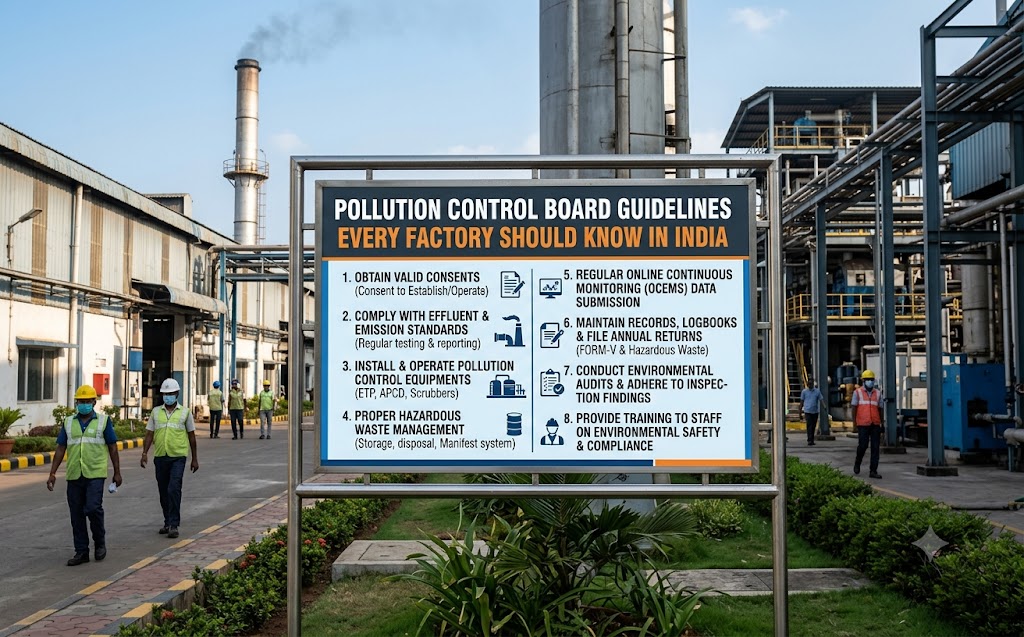
Factories in India operate under environmental regulations set by regulatory authorities to control pollution, protect natura...
Industrial growth in India has hit sky-high across many verticals, including manufacturing, textiles, pharmaceuticals, chemic...
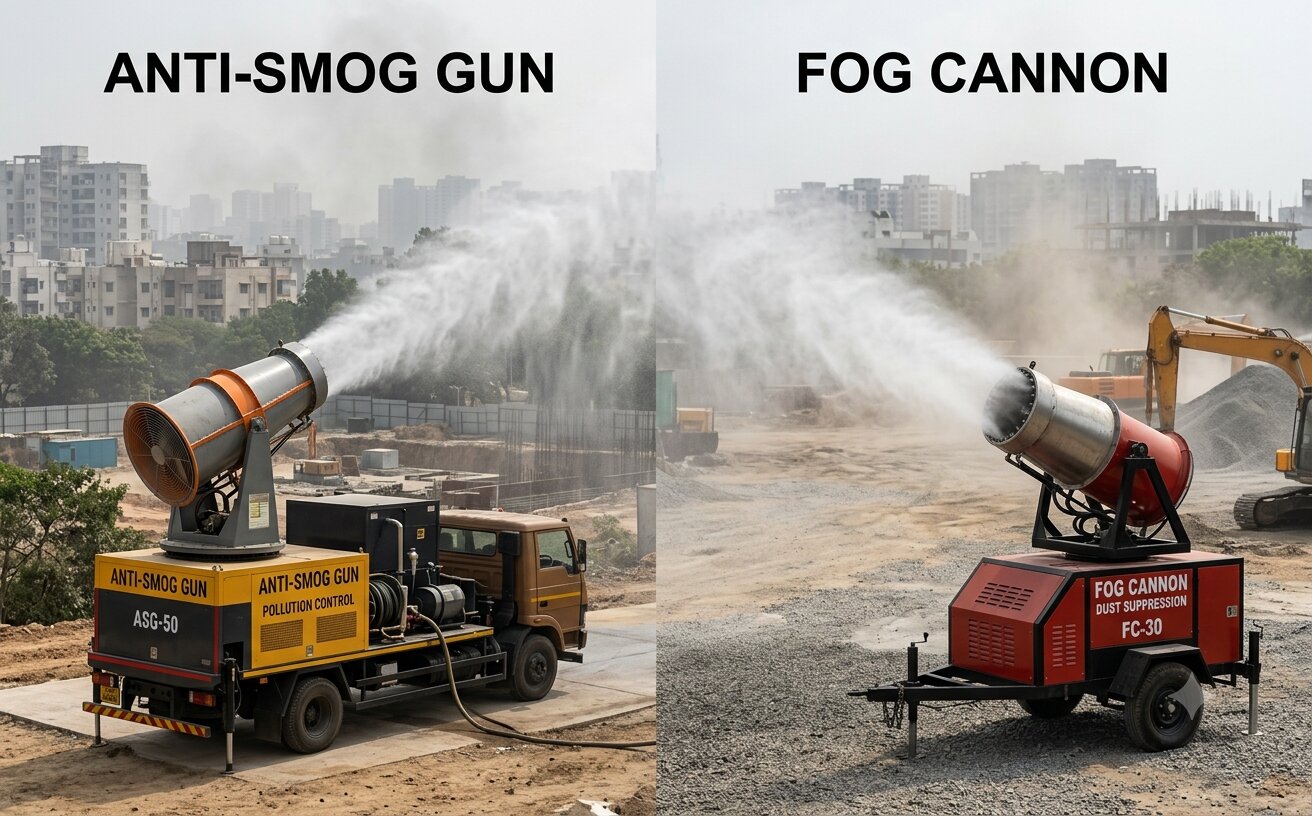
One of the most common issues Indian cities are facing is pollution. Pollution is very common in Delhi and the NCR area, wher...
Commercial kitchens deal with large volumes of food, cooking oils, fats, food particles and wastewater daily. Hotels, food jo...

Commercial kitchens, restaurants, healthcare facilities, canteens, food joints, and food processing units generate wastewater...