
How to Choose the Right Grease Separator for Hotels, Hospitals and Food Processing Units?
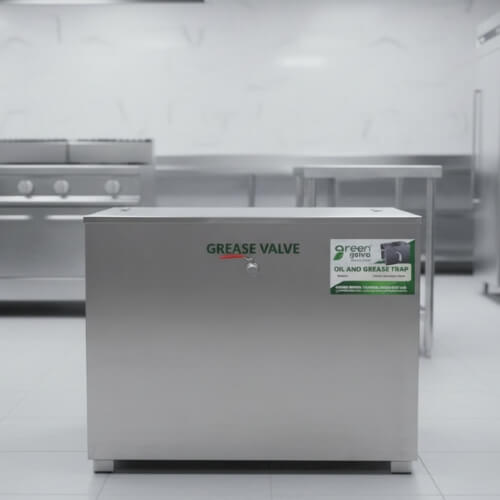
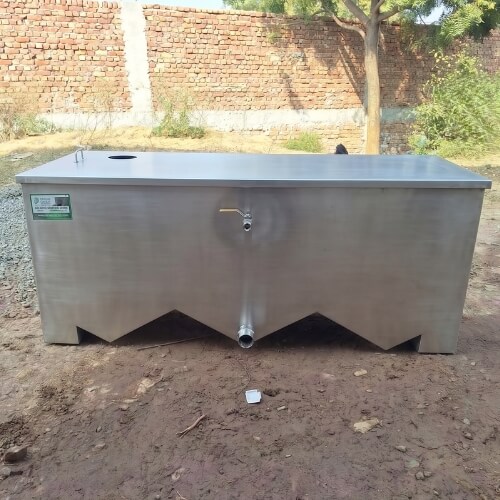
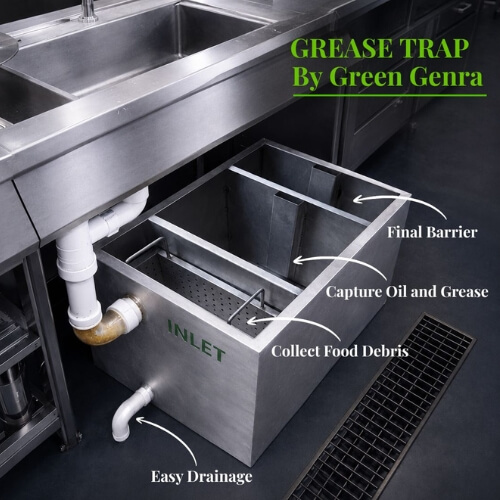
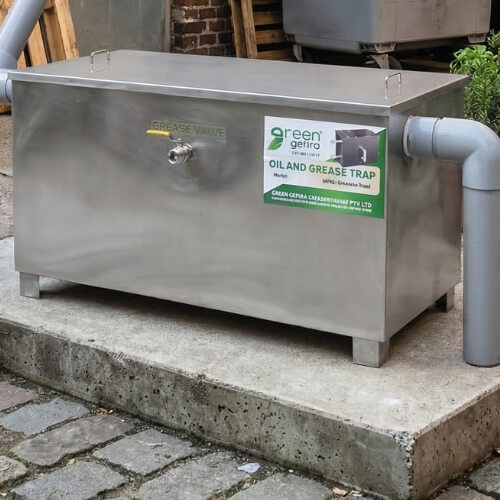
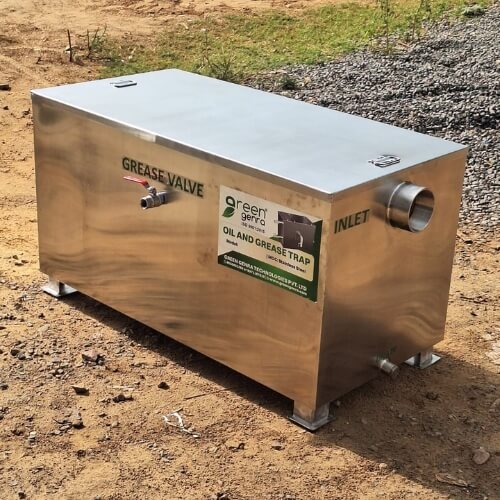
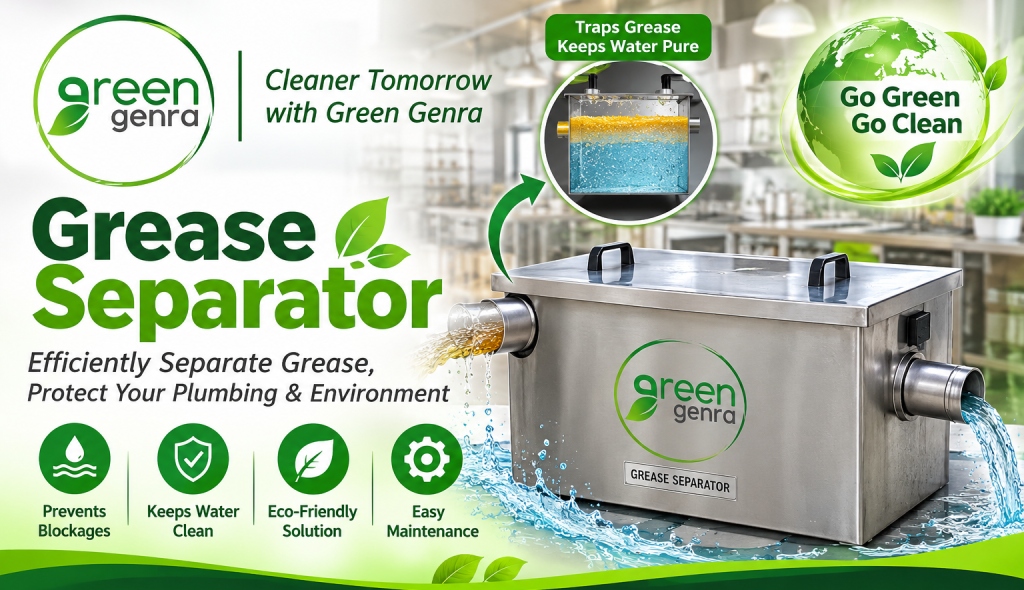
Effective wastewater management is important for maintaining hygiene, preventing drainage issues and ensuring seamless operations in commercial facilities. Hotels, restaurants, and food processing units generate large quantities of Fats, Oils, and Grease (FOG) that accumulate in drainage systems and cause blockages, pungent smells, and plumbing issues. This is where a high-quality Grease Separatorin Ghaziabadcomes in. Installing the right grease separator helps address these challenges by separating grease and solid waste from the wastewater before it enters the drainage system. Choosing the right grease interceptor is important and requires careful consideration of wastewater volume, grease concentration, operational requirements and installation conditions.
Why do Different Commercial Facilities Need Grease Separators?
Different Commercial facilities generate varying quantities of FOG, making grease separation a key part of wastewater management. Hotels and restaurants produce water rich in fats, oils and grease; hospitals may generate wastewater from food courts, cafeterias and institutional kitchens; appropriate grease management is important. The wastewater flow rate, FOG concentration and separator capacity must be verified before choosing a proper unit. Proper installation, good maintenance and efficient separation performance also contribute to long-term operational efficiency. Working with an experienced grease trap manufacturer helps businesses identify the requirements and choose a tailored grease separator solution.
How to Select the Right Grease Separator for Hotels?
Hotels generate a substantial amount of FOG water from dishwashing and food preparation. Choosing the right grease trap prevents drainage blockages and maintains efficient kitchen operations.
- Waste Water Volumes: Consider the wastewater volume of the kitchen. Check the daily wastewater generated by the kitchen sinks, dishwashers and food preparation areas to determine the required separator capacity.
- Grease Separation Efficiency: Select the system designed to separate fats, oils and grease from wastewater before discharge.
- Capacity of Tank: Select an appropriately sized grease separator based on the number of kitchen appliances, food preparation stations and the expected wastewater flow.
- Easy Cleaning and Maintenance: Invest in a system that is easy to clean and has removable components.
- Quality: Partner with a professional grease interceptor manufacturer and supplier offering a premium-quality product with strong construction, reliable performance and tailored solutions for commercial kitchens.
What factors should be considered when installing a Grease Separator?
- Installation Location: Identify an accessible location that allows convenient inspection, cleaning and maintenance without interfering with your daily operations.
- Wastewater flow rate: Make sure the system can handle the expected wastewater volume
- Regular Maintenance: A good cleaning and inspection schedule must be scheduled to prevent excessive grease accumulation, maintaining the system’s efficiency.
Case Study
A hotel in Delhi was experiencing frequent drainage blockages, bad smell and grease accumulation in its commercial kitchen wastewater system. The existing drainage system was not able to handle the grease generated through regular cooking, dishwashing and food preparation activities.
These issues affected their kitchen operations and increased maintenance requirements. To solve this issue, the hotel worked with a professional grease trap manufacturer and supplier. The supplier assessed the kitchen’s operational requirements, wastewater flow and expected grease concentration and recommended an appropriately designed grease trap.
The customized system helped separate FOG before the wastewater entered the sewage system. With proper installation and regular maintenance, the hotel experienced improved drainage management, reduced grease accumulation and smoother and uninterrupted kitchen operations.
The case study shows the importance of choosing professionally manufactured grease traps that match the wastewater requirements of commercial establishments.
Why Choose a Professional Grease Separator Manufacturer?
Selecting the right and experienced grease interceptor supplier is important for having a grease management system that meets the specific requirements of commercial facilities. A reliable manufacturer offers-
- Customized grease traps as per your facility’s wastewater volume, budget and application requirements.
- Strong, high-quality products
- Product specifications and installation support
- Dependable after-sales support
- Solutions best for hotels, hospitals, restaurants and food processing facilities.
Businesses must review the supplier’s industry experience, product range and quality standards and their ability to deliver tailored solutions.
Good grease management is important for maintaining clean drainage systems, improving kitchen hygiene and preventing costly operational disruptions. Whether you are the owner of a hospital, hotel, restaurant or food processing facility, choosing the right grease separator is important for efficient wastewater management. Partner with a good grease separator exporter who will offer long-lasting, efficient and tailored solutions to meet your commercial requirements.
FAQs
- What capacity grease separator does a food processing unit need?
The required grease trap capacity depends on the unit’s wastewater flow rate, FOG concentration, production volume and operational requirements. Green Genra offers a durable and customized grease trap as per your unit’s requirements.
- How often the commercial grease interceptor must be cleaned?
The frequency of cleaning depends on grease accumulation, wastewater volume, system capacity and applicable local requirements.
- How does a grease trap prevent wastewater pollution?
A grease trap prevents wastewater pollution by separating Fats, Oils and Grease from wastewater before it enters the drainage system. Green Genra offers a tailored grease trap for your unit as per your budget.
About the Author
Green Genra is an experienced and reliable manufacturer, exporter and supplier of the best quality grease traps and STPs, while also offering effective environmental management solutions for businesses and industries. The brand is committed to delivering quality-driven, innovative and tailored products to meet diverse wastewater treatment and environmental compliance requirements. With a strong focus on customer satisfaction, operational efficiency and long-term performance, Green Genra helps businesses have responsible wastewater management practices while supporting eco-friendly goals and compliance.















































Effective wastewater management is important for maintaining hygiene, preventing drainage issues and ensuring seamless operat...
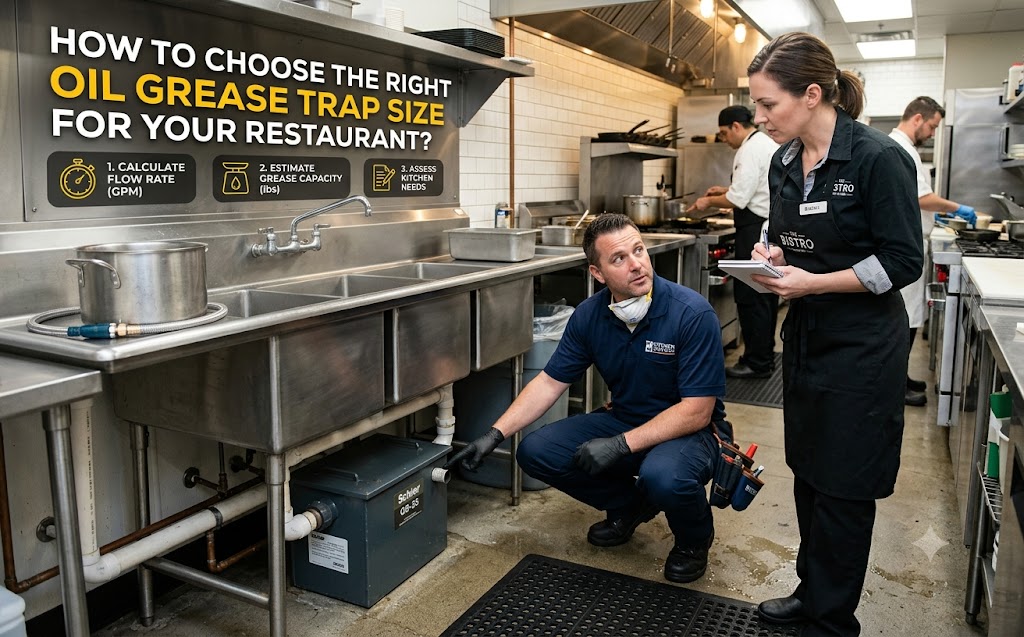
Choosing the right oil grease trap size for your restaurant is important for maintaining an efficient commercial kitchen, pre...
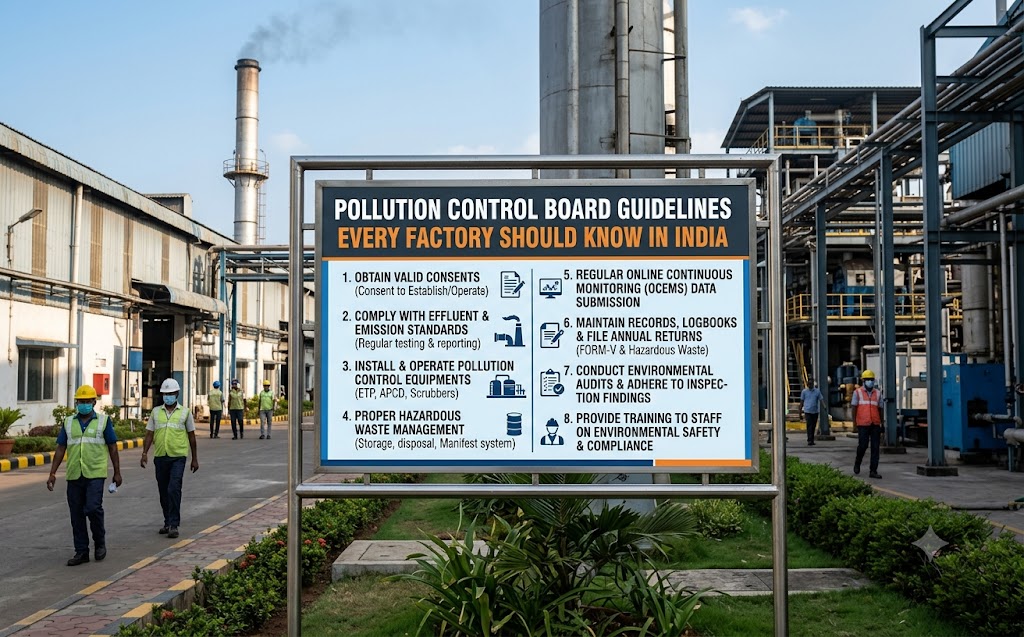
Factories in India operate under environmental regulations set by regulatory authorities to control pollution, protect natura...
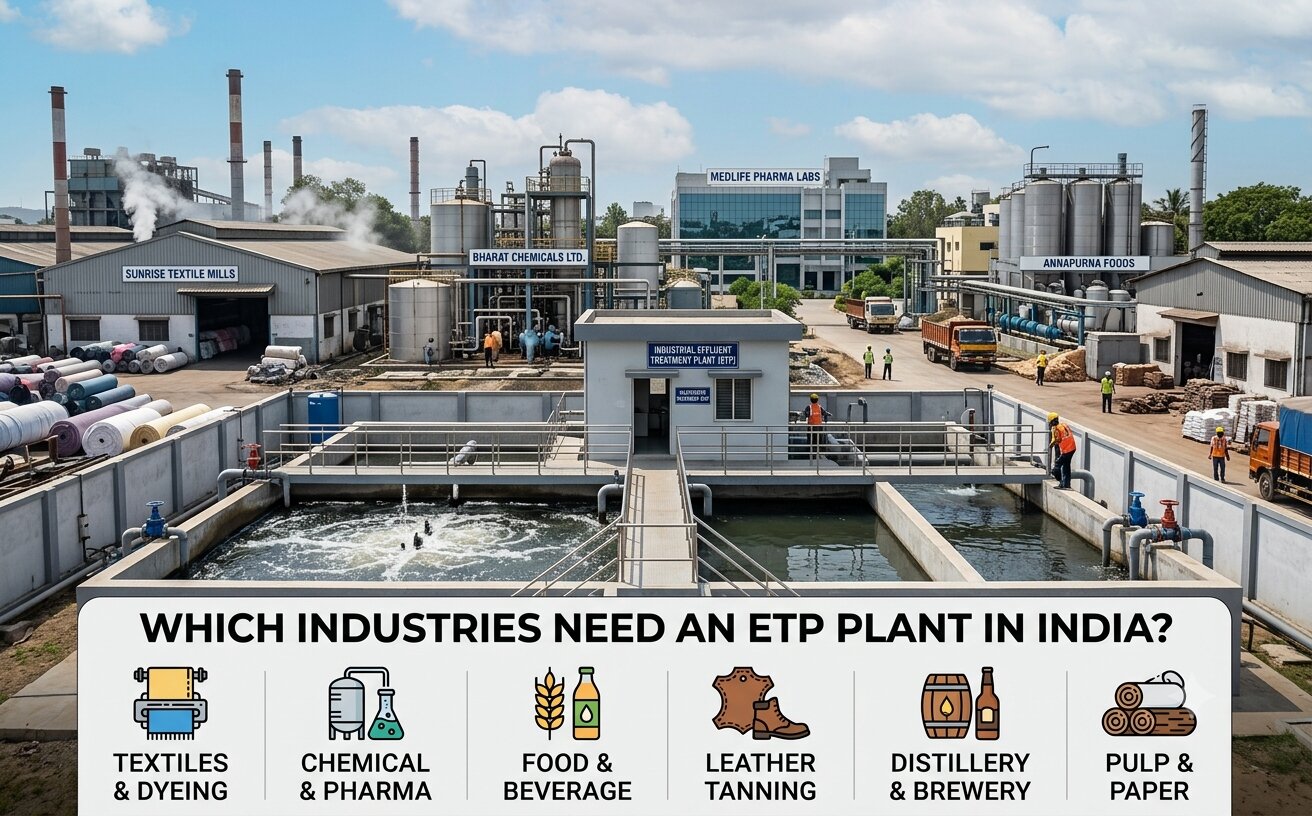
Industrial growth in India has hit sky-high across many verticals, including manufacturing, textiles, pharmaceuticals, chemic...
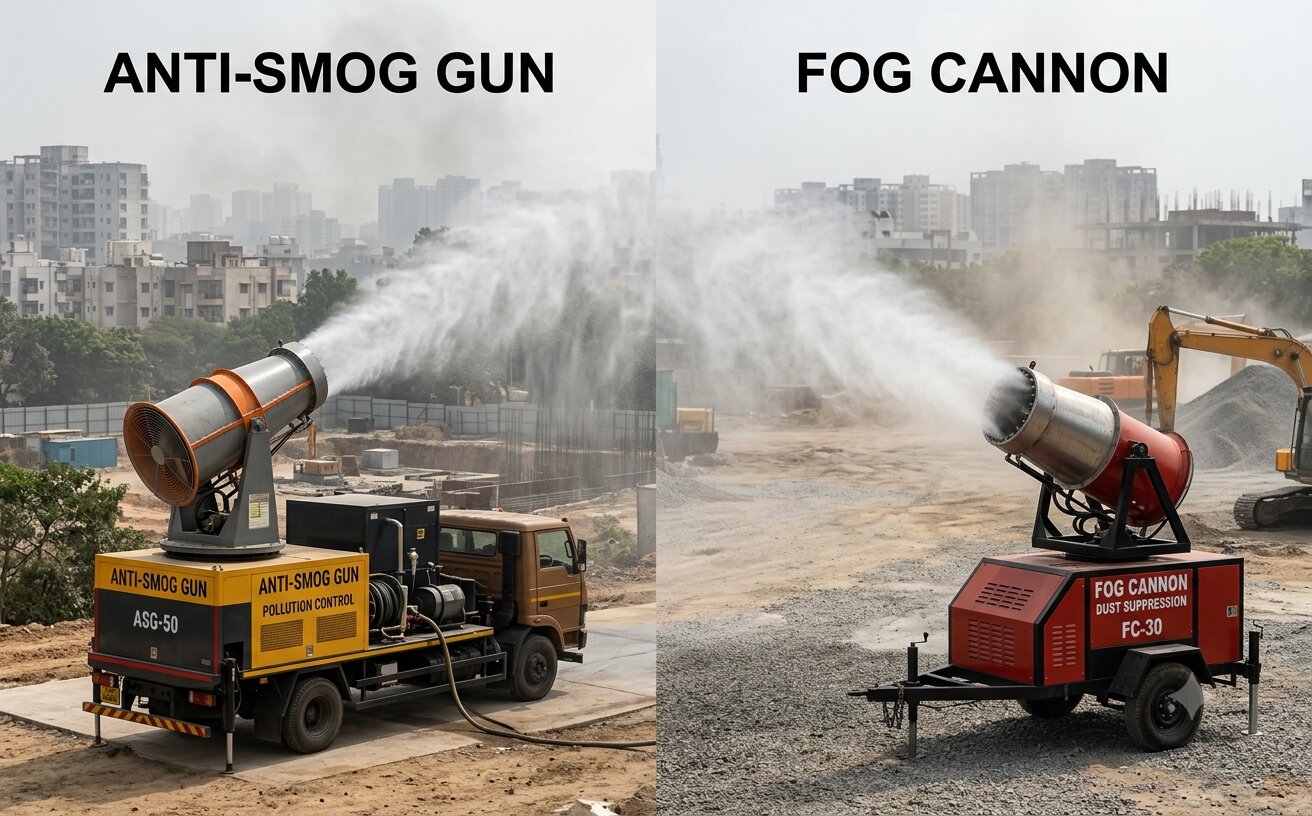
One of the most common issues Indian cities are facing is pollution. Pollution is very common in Delhi and the NCR area, wher...
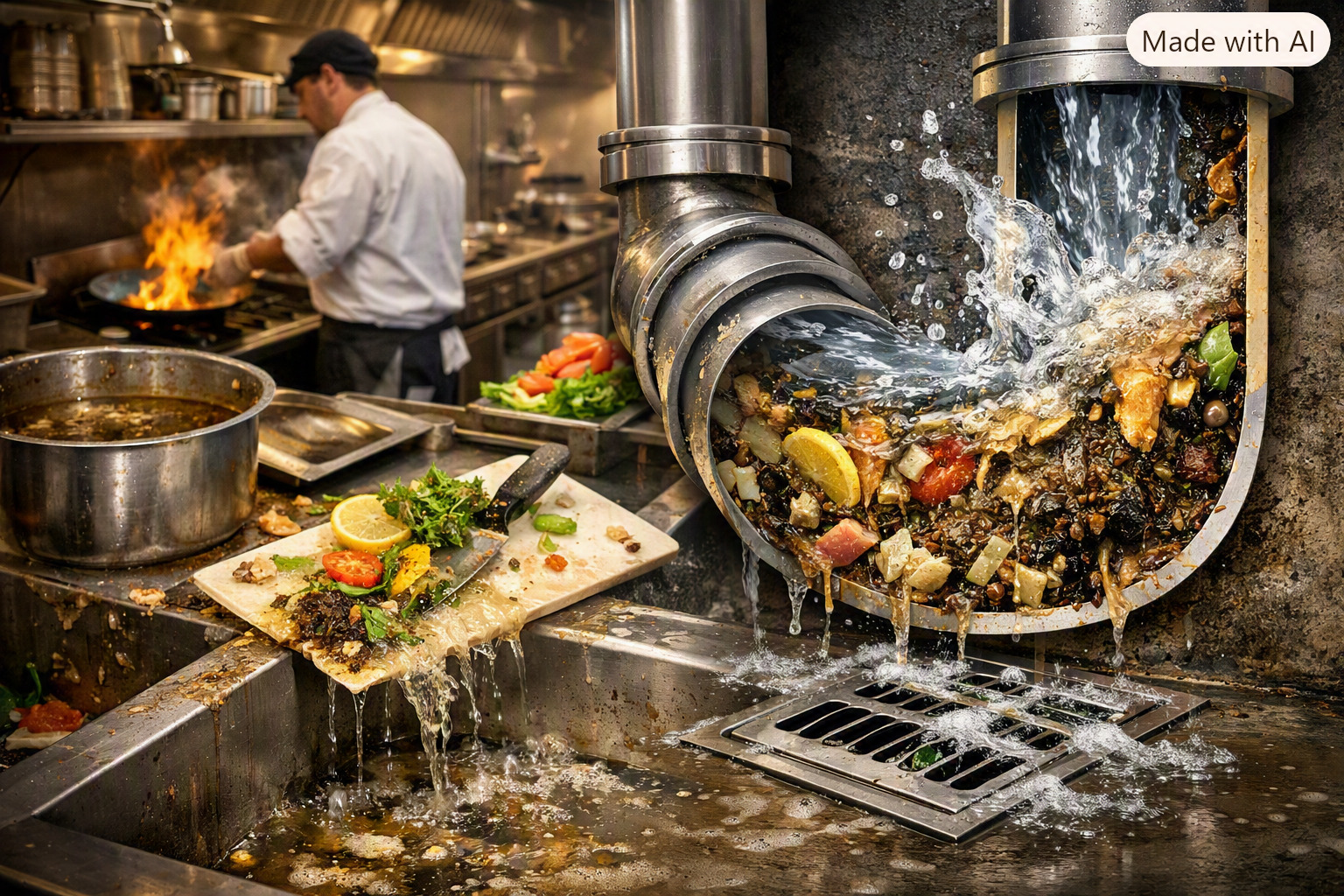
Commercial kitchens deal with large volumes of food, cooking oils, fats, food particles and wastewater daily. Hotels, food jo...