
India International Water Week - Climate Resilient Water Management Event Description Although nearly 70% of the Earth&...

Consent to Establish (CTE) v/s Consent to Operate (CTO): Key Differences
Consent to Establish (CTE) v/s Consent to Operate (CTO): Key Differences
18-03-2026
Are you planning to set up industries? If so, you need to follow environmental regulations before setting up and running your operations.
The two important approvals required for environmental compliance are Content to Establish (CTE) and Consent to Operate (CTO).
The State Pollution Control Board or the Central Pollution Control Board issues these permissions under the provisions of the environmental laws.
It is important to understand the CTE and CTO's meaning in pollution control. This helps businesses, manufacturers and industrial units to ensure legal compliance and avoid fines.
Consent to Establish and Consent to Operate Explained
What is Consent to Establish?
CTE is the environmental approval required before starting the construction or installation of an industrial unit or project.
This approval ensures the proposed project adheres to environmental norms and pollution control guidance before it begins its operations.
The authorities of the pollution control board review the proposed site, technology and pollution control measures. With this inspection, they determine whether the project can be permitted to proceed.
Why CTE is Important?
• It ensures that businesses, industries and manufacturers follow environmental regulations before construction
• Evaluates the potential impact of pollution from this industry on air, water and land.
• Verify that the pollution control systems are planned in advance
• It prevents environmental damage from poorly planned projects
CTE must be obtained before beginning the construction, machinery installation or setting up industrial infrastructure. Without CTE approval, a project cannot legally begin its establishment phase.
What are the documents required for CTE?
• Project report and the details of the manufacturing process
• Site layout and plant layout plan
• Details of pollution control equipment
• Water consumption and wastewater generation information
• Air Emission Details
• Consent application form and application fees
What is Consent to Operate?
CTO is the approval required post industry establishment, but before it starts its commercial operations.
This approval confirms that the unit has installed the required pollution control systems and adheres to environmental norms as promised during the Consent to Establish.
The pollution control board may conduct inspections to ensure that all environmental requirements are implemented before granting permission to operate.
Why is the CTO Important?
• It ensures all the pollution control systems are installed and are functional
• It allows units to start operations legally
• Ensure compliance with environmental norms
• Help monitor pollution levels during industrial activities.
CTO is required after the plant is constructed and production-ready, but before starting the operations. Operating without CTO approval is considered an environmental violation and may lead to fines, closure orders and legal action.
What are the documents required for a CTO?
• Copy of Consent to Establish
• Details of pollution control equipment, like STP installation
• Compliance report and environmental safeguards
• Inspection report from authorities (if applicable)
• Application form and prescribed fees
• Details from the waste management system
Difference between CTE and CTO
Understanding the difference between Consent to Establish v/s Consent to Operate helps the industries follow the correct compliance procedure.
• Approval Stage: It is important to understand the CTE v/s CTO approval process. CTE is required before starting the construction or installation of the project. CTO is required after establishment but before beginning operations.
• Purpose: CTE ensures that the project design and planning follow environmental norms. CTO ensures the industry operates with proper pollution control systems.
• Timings: CTE is applied during the project planning stage. CTO is applied for after the infrastructure and machinery are installed.
• Verification Process: CTE is based mainly on project plans and environmental proposals. CTO involves inspection and verification of installed systems.
• Legal Requirement: CTE and CTO are important under environmental laws in India. CTO cannot be obtained without obtaining CTE approval.
CTE and CTO- Their Importance to Industries
Environmental Compliance is not only a legal requirement but also a responsible approach towards eco-friendly industrial growth. Obtaining these two approvals helps the industries operate within the environmental norms while protecting natural resources.
Compliance Benefits
After understanding the CTE v/s CTO difference, let us understand their benefits –
• Prevents legal fines and operational shutdowns
• It ensures environmentally responsible industrial development
• Builds trust with regulators and stakeholders
• Improves corporate image and eco-friendly practices
• Ensures smooth approval for expansion and future projects
All those businesses, manufacturing and industrial units that follow environmental guidelines from the start experience seamless operational processes and regulatory approvals.
Understand the Steps to Apply CTE and CTO in India
The applications for both CTE and CTO are handled via the online portal of the respective state pollution control board.
• Register with the State Pollution Control Board of the Central Pollution Control Board
• Fill the application form for CTE and CTO
• Upload required documents and project information
• Pay the required government fees
• Your application will be reviewed by the concerned authorities
• They will conduct inspections
• An approval or consent certificate is issued if compliance is met.
Submit the accurate documents to reduce approval delays. Work with a professional service provider to navigate the process of CTE and CTO efficiently.
Understanding the difference between pollution control CTE v/s CTO is important for businesses planning to start or operate industrial projects. While CTE ensures the project is eco-friendly before construction, CTO confirms that the industry can safely operate with zero pollution.
Both approvals play a key role in maintaining environmental balance and ensuring industries follow regulatory norms. Work with a dedicated environmental specialist to navigate these two approvals easily and avoid legal complications.
FAQs
1. What is CTE and CTO in environmental Clearance?
They are environmental approvals issued by the State Pollution Control Board. These approvals allow industries to set up a project and start operations. Work with the experts of Green Genra to ensure easy application and issuance of CTE and CTO.
2. Can I operate my business without a CTO?
No, you cannot operate without a CTO.
3. How long is a CTO valid?
It depends on industry category and state regulations. Consult Green Genra specialists to get more information on CTO and CTE validity.
About the Author
Green Genra is an environmental consulting firm that helps businesses meet environmental compliance and regulatory norms. The brand provides services like CTE, CTO, DPCC approvals and environmental clearances.
Green Genra supports businesses with documentation, approvals and pollution control solutions, ensuring they operate responsibly while protecting the environment.
Share with:
Latest News
-
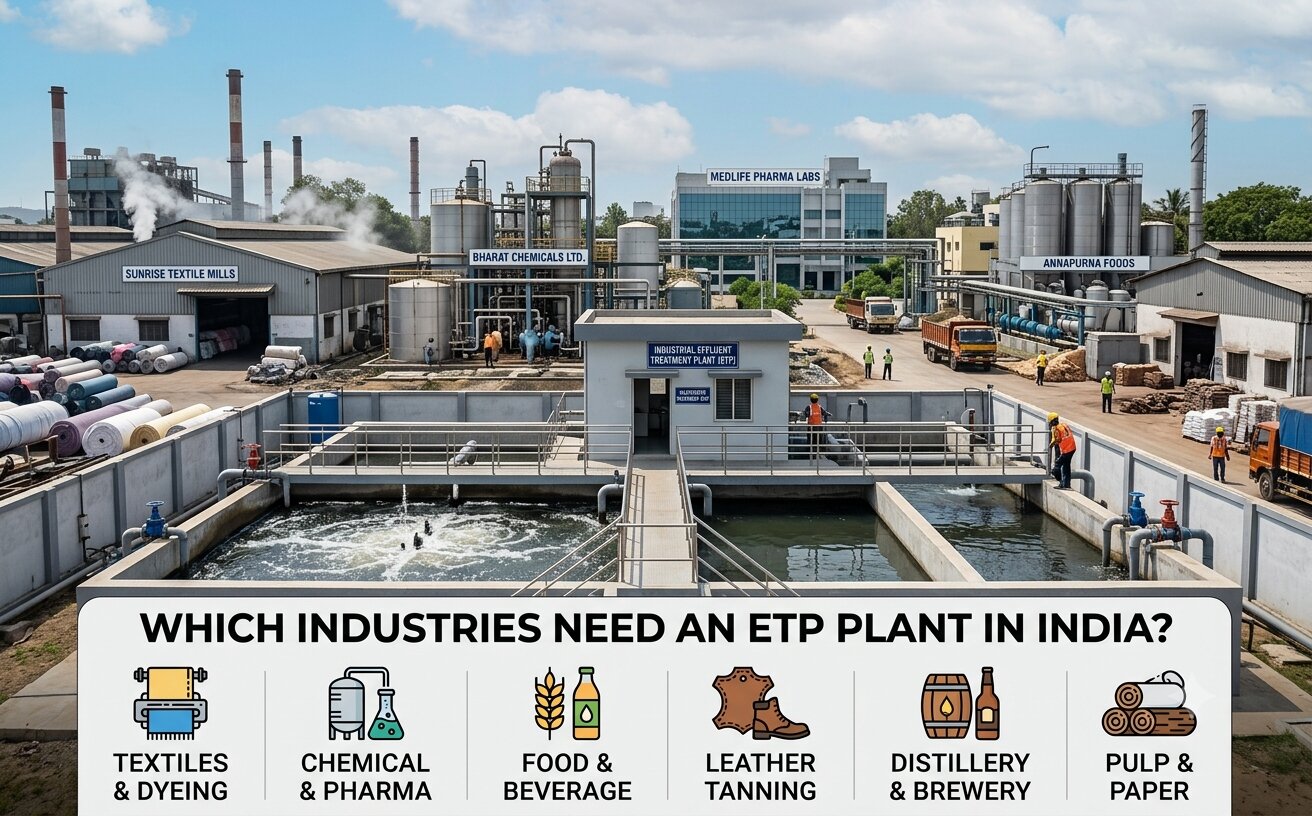
Which Industries need an ETP Plant in India?
17-09-2026
Our Clients
















































Latest News
Which Industries need an ETP Plant in India? 17-09-2026
Industrial growth in India has hit sky-high across many verticals, including manufacturing, textiles, pharmaceuticals, chemic...
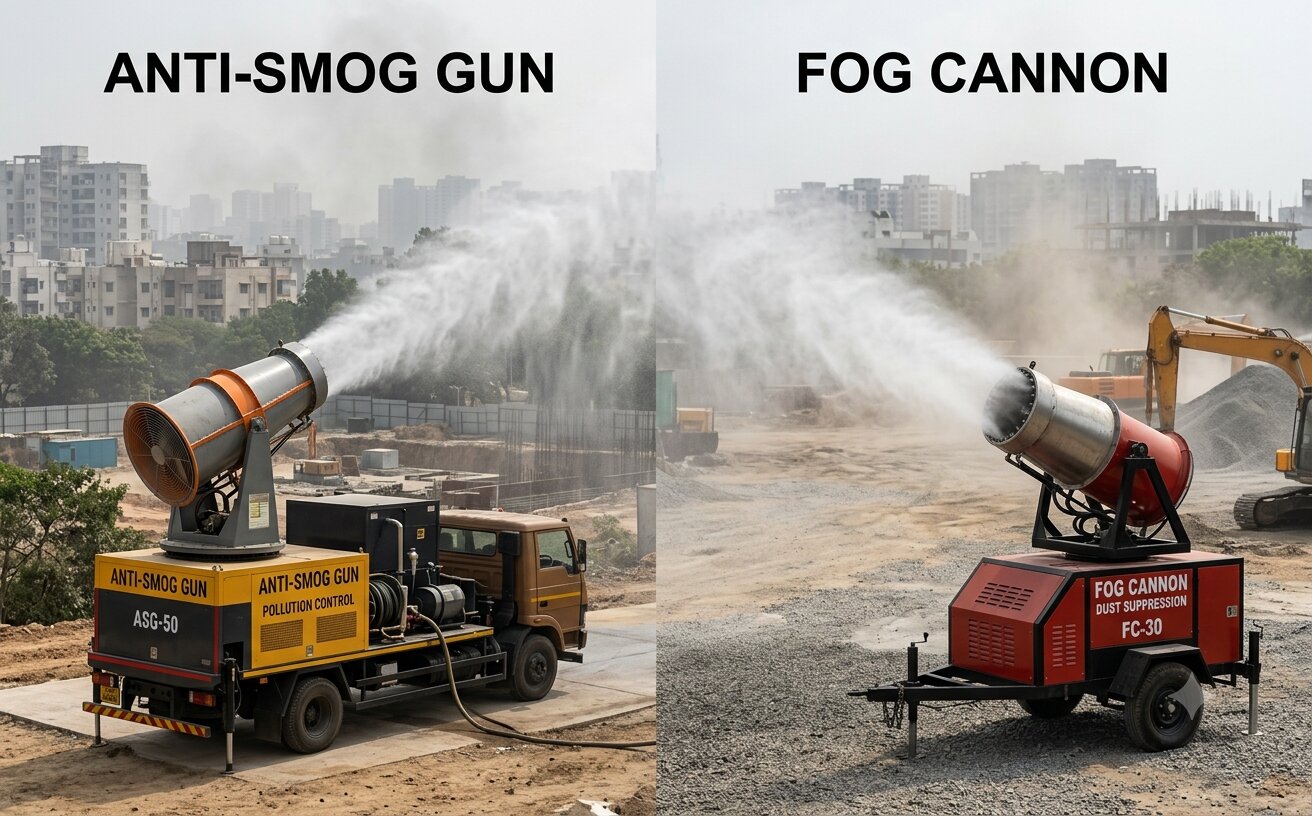
One of the most common issues Indian cities are facing is pollution. Pollution is very common in Delhi and the NCR area, wher...

Commercial kitchens deal with large volumes of food, cooking oils, fats, food particles and wastewater daily. Hotels, food jo...
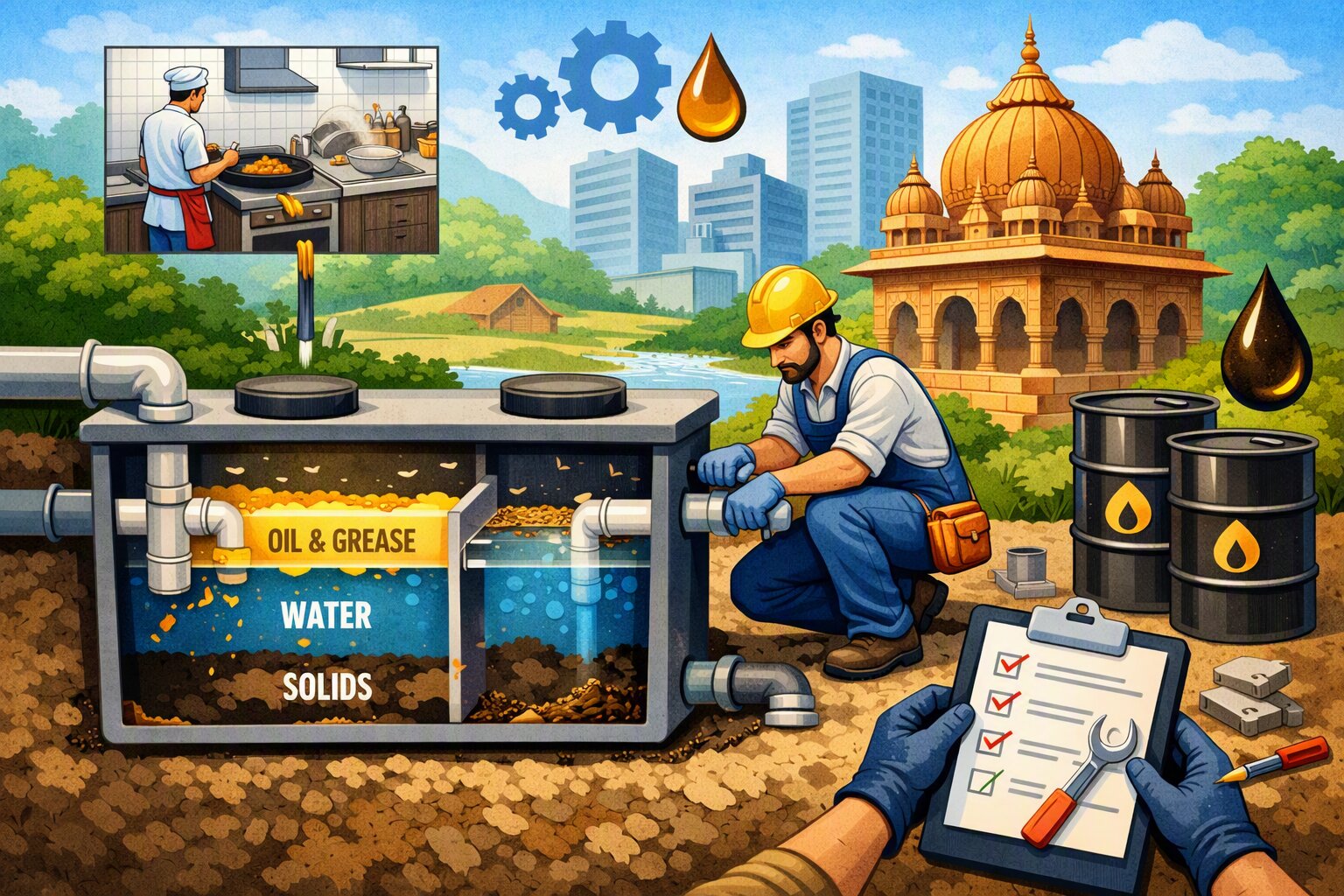
Complete Guide to Oil & Grease Traps in India: Types, Working, Installation & Maintenance 12-08-2026
Commercial kitchens, restaurants, healthcare facilities, canteens, food joints, and food processing units generate wastewater...
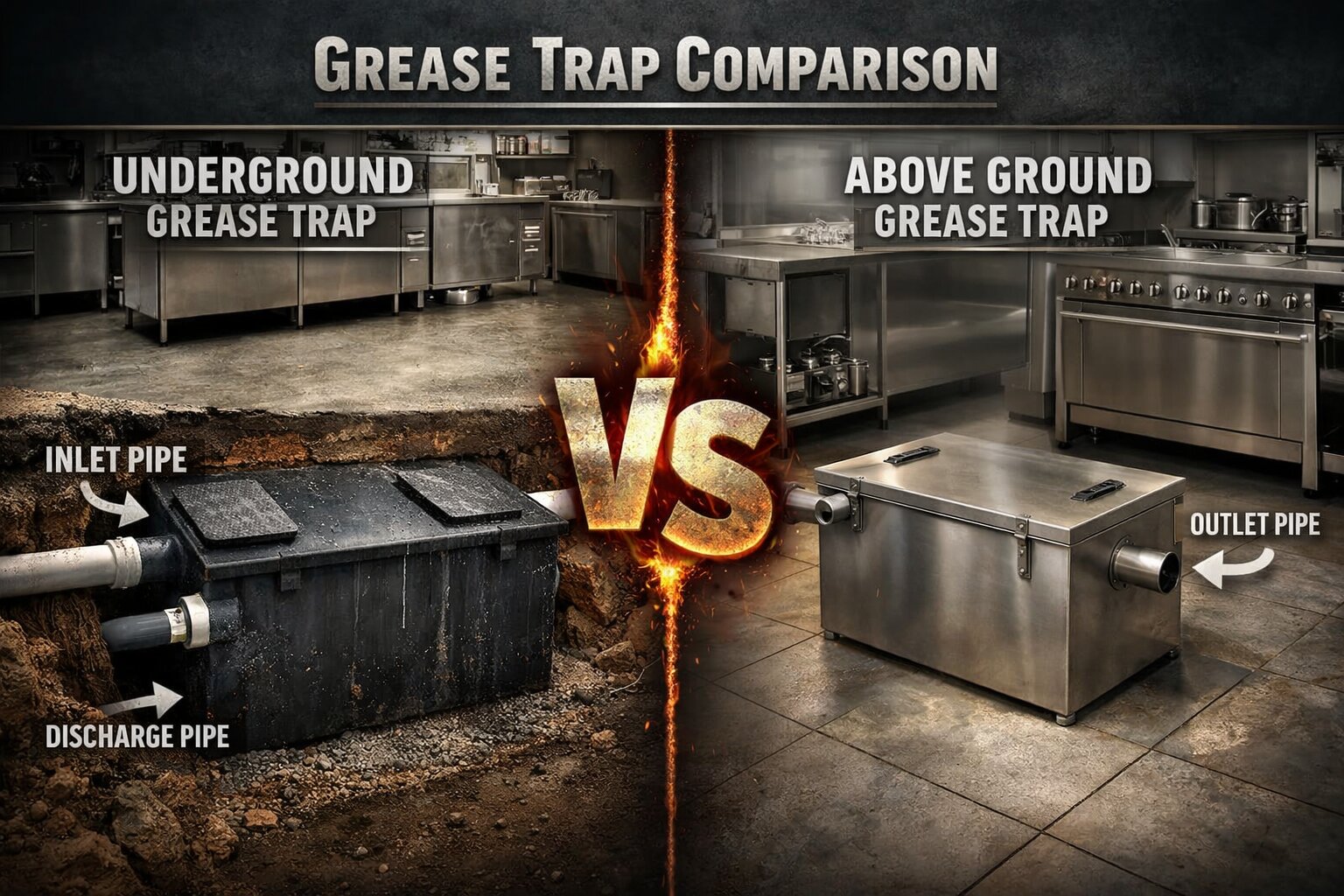
Underground v/s Above Ground Grease Trap 18-07-2026
Commercial kitchens in restaurants, hotels, food courts and other food facilities generate large quantities of FOG – fa...

Restaurant Grease Trap Buying Guide 02-07-2026
If you are an owner of a restaurant, you must consider investing in a good grease separator. The best Grease Trap for a resta...
Upcoming Events