
India International Water Week - Climate Resilient Water Management Event Description Although nearly 70% of the Earth&...

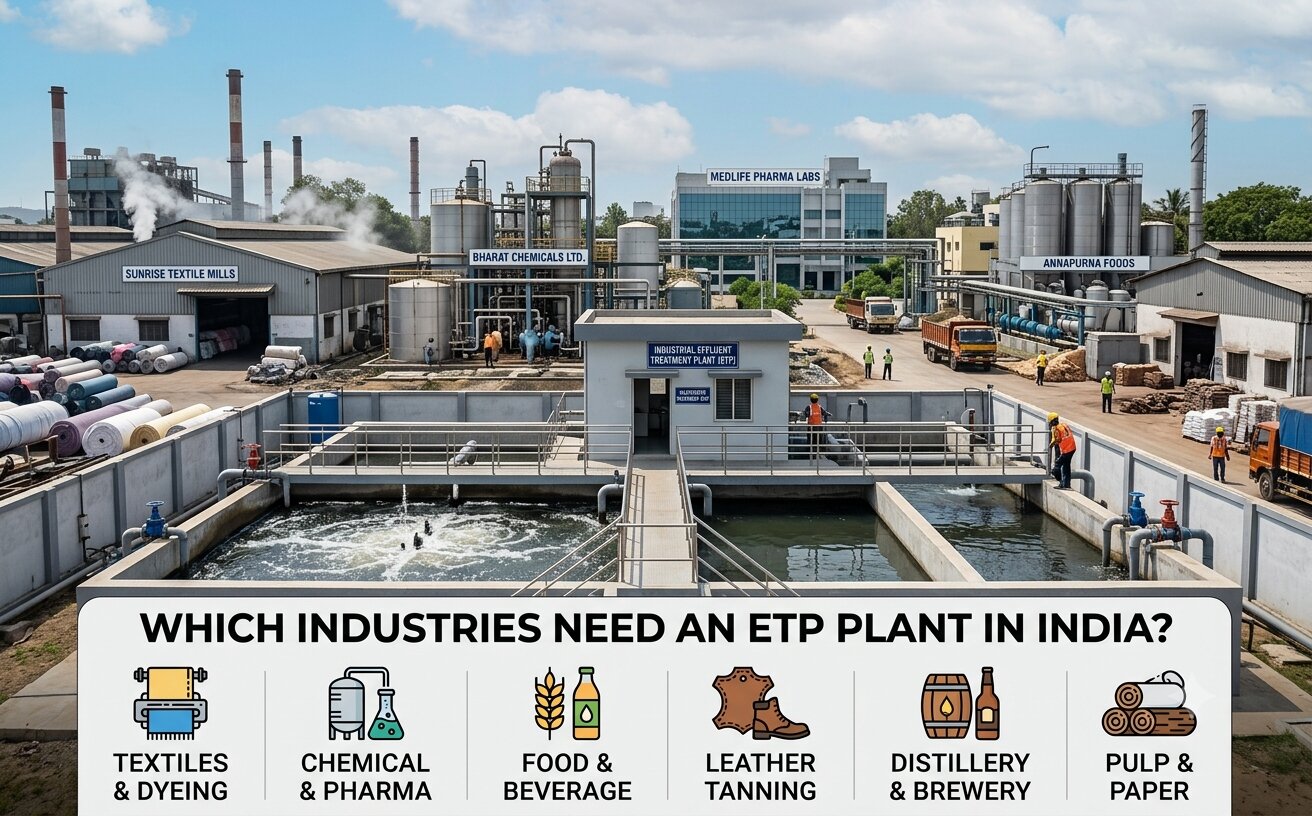
Which Industries need an ETP Plant in India?
Which Industries need an ETP Plant in India?
17-09-2026
Industrial growth in India has hit sky-high across many verticals, including manufacturing, textiles, pharmaceuticals, chemicals, food processing, and several other sectors. Industrial growth paves the way for economic development; many manufacturing processes generate wastewater containing oil, chemicals, organic matter, suspended solids and other pollutants. It is important to treat the wastewater, as untreated wastewater discharged without proper treatment can create environmental and regulatory concerns. Thus, it is important for industries to have an Effluent Treatment Plant (ETP) in India. But which industries require an ETP Plant in India? The answer to this question depends on the nature, quantity, and characteristics of the wastewater generated by the industrial process, as well as applicable state, central and other requirements.
What is an ETP Plant?
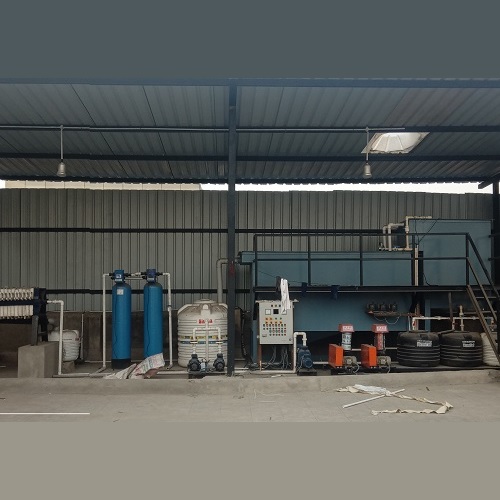
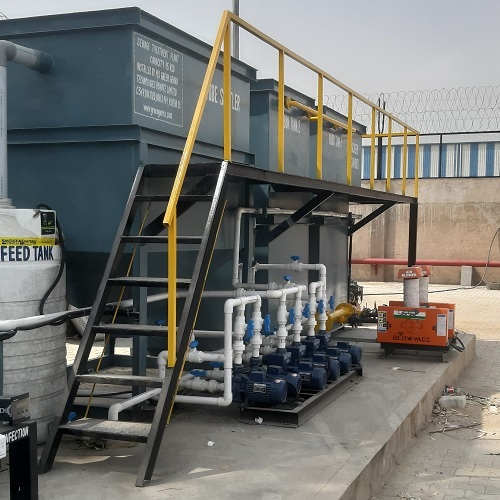
An effluent treatment plant is a wastewater treatment system designed to treat effluent generated from industrial activities. Depending on the type of wastewater, an ETP may use physical, chemical and biological treatment processes to reduce pollutants or FOG, including suspended solids, oil and grease, organic matter, chemicals and other contaminants. A standard ETP includes processes such as screening, equalization, flocculation and coagulation. The treatment process is selected according to the industry’s wastewater characteristics and applicable discharge or reuse requirements.
Which Industries need an ETP in India?
Wastewater generated varies from industry to industry. If your industry generates contaminated water, it requires appropriate wastewater treatment. Here are some of the major Indian industries that need an effluent treatment plant.
- Textile and Dyeing Industry: Textile manufacturing and dyeing processes generate wastewater containing dyes, chemicals, detergents, suspended solids, salts and high organic loads. An ETP Plant for the textile industry helps textile facilities treat process wastewater before discharge or reuse.
- Pharmaceutical Industry: Pharmaceutical manufacturing can generate complex wastewater containing active ingredients, solvents, organic compounds, chemicals and other process-related contaminants. The pharmaceutical wastewater differs between manufacturing processes; an ETP Plant for the pharmaceutical industry needs to be designed around a specific wastewater profile. The cutting-edge treatment stages may be required where conventional treatment alone is not sufficient.
- Chemical and Petrochemical Industry: Chemical manufacturing facilities generate effluent containing acids, alkalis, solvents, toxic compounds, oils and other chemicals. An advanced ETP plant for the chemical industry incorporates processes including pH correction, chemical precipitation, oil separation, biological treatment and advanced polishing stages based on contaminants involved.
- Food and Beverage Processing: Food processing, dairy, beverage and other related industries generate wastewater containing fats, oils, biodegradable organic matter and suspended solids. ETP requirements for food and beverage processing industries in India involve biological treatment because of their relatively high organic loads. A good ETP for the food industry can reduce pollutant load before treated water is discharged or considered for reuse.
- Metal, Engineering and Automotive Industries: Metal finishing, machining, electroplating, surface treatment and automotive manufacturing produce wastewater containing oil, heavy metals, acids, alkalis, suspended solids and other contaminants. Effluent treatment plant requiring for such industries require oil separation, pH adjustment, chemical precipitation and filtration. The exact configuration depends on the production process and contaminants present in the effluent.
- Dairy Industry: Dairy processing generates wastewater containing milk residues, fats, oils, proteins, detergents and high levels of biodegradable organic matter. The right ETP plant for the dairy industry with suitable biological treatment can help reduce BOD, COD, suspended solids and other pollutants before treated wastewater is discharged or reused.
- Brewery Industry: Breweries generate wastewater from brewing, fermentation, bottle washing and cleaning operations. The effluent water can have high organic loads because of sugars, yeast and other biodegradable materials. An appropriately designed ETP for the brewery industry helps manage this organic wastewater and maintain consistent treatment performance.
- Leather Industry: Leather processing and tanning produces complex wastewater containing organic matter, suspended solids, salts, sulphides, chromium and other chemicals. ETP for the leather industry need a blend of chemical, physical and biological treatment processes designed around specific characteristics of the wastewater generated.
- Paper Industry: Paper manufacturing generates wastewater containing fibres, suspended solids, organic matter, colour and chemicals used during different production stages. A Paper Industry ETP Plant incorporates clarification, biological treatment, filtration and other suitable processes to reduce pollutant load before discharge or reuse.
- Electroplating Industry: These industries generate wastewater containing heavy metals, acids, alkalis, cyanide compounds and other process chemicals. An Electroplating ETP Plant has special processes including pH adjustment, chemical precipitation and filtration to reduce contaminants to the required treatment levels.
- Automobile Industry: The automobile industry generates wastewater containing oils, grease, suspended solids, paints, heavy metals and other chemicals. Automobile Industry ETP Plant includes oil separation, chemical treatment, clarification and filtration to manage effluent from activities such as washing, machining and surface treatment.
Case Study
A textile dyeing facility in Delhi was experiencing difficulty in managing highly colored wastewater with fluctuating pH, high chemical loads and organic pollution. The existing treatment was not consistently producing the required treatment quality, especially during periods of higher production. The management worked with an experienced ETP Plant manufacturer in India to solve their issue. The manufacturer evaluated the facility’s wastewater characteristics, production process and flow variations. As per their assessment, they revamped the ETP and included pH correction, equalization, chemical treatment, biological treatment and polishing stages. They also incorporated better process control and sludge management. The upgraded ETP provided more consistent wastewater treatment and gave the facility a structured system for industrial effluent management.
ETP requirements for industries in India depend on the wastewater generated, treatment objectives, plant capacity and applicable regulatory conditions. A well-designed effluent treatment plant can help industries control pollution, manage wastewater responsibly and recover water for suitable reuse applications.
Partner with one of the best ETP plant suppliers in India to analyze your wastewater, identify the right treatment technology and design a plant around your industry’s operational requirements.
FAQs
1. Which Industries Require ETP Plant?
Textiles, pharmaceuticals, chemicals, food processing, metal finishing and automotive manufacturing industries require an ETP plant. Green Genra offers the best quality ETP plant aligned with your industry requirements.
2. What does an Effluent Treatment Plant remove from industrial wastewater?
ETP removes or reduces pollutants such as suspended solids, organic matter, oil and grease, chemicals and industry-specific contaminants.
3. How to choose an ETP plant for the industry?
Consider wastewater characteristics, flow rate, pollutant load, treatment objectives, available space and applicable discharge or reuse requirements. Contact Green Genra’s team to understand the type of ETP plant for your industry.
About the Author
Green Genra is a trusted grease trap and ETP manufacturer and exporter and an environmental consultancy firm. With 10+ years of experience in this field, the brand has a great team of environmental specialists and pollution control experts. With a focus on helping businesses improve wastewater quality, manage waste responsibly, meet environmental compliance and adopt more eco-friendly and efficient pollution-control practices.
Share with:
Latest News
-
Which Industries need an ETP Plant in India?
17-09-2026
Our Clients
















































Latest News
Which Industries need an ETP Plant in India? 17-09-2026
Industrial growth in India has hit sky-high across many verticals, including manufacturing, textiles, pharmaceuticals, chemic...
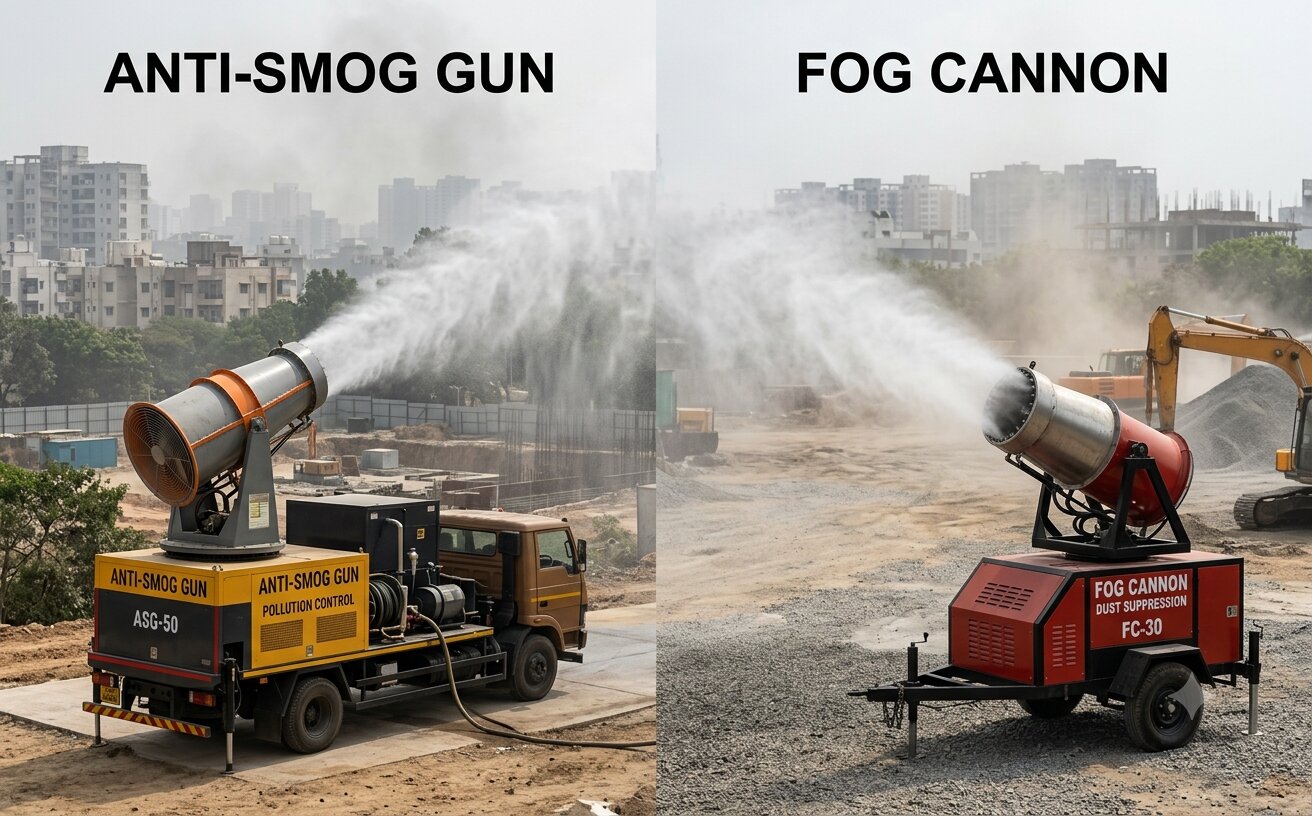
One of the most common issues Indian cities are facing is pollution. Pollution is very common in Delhi and the NCR area, wher...
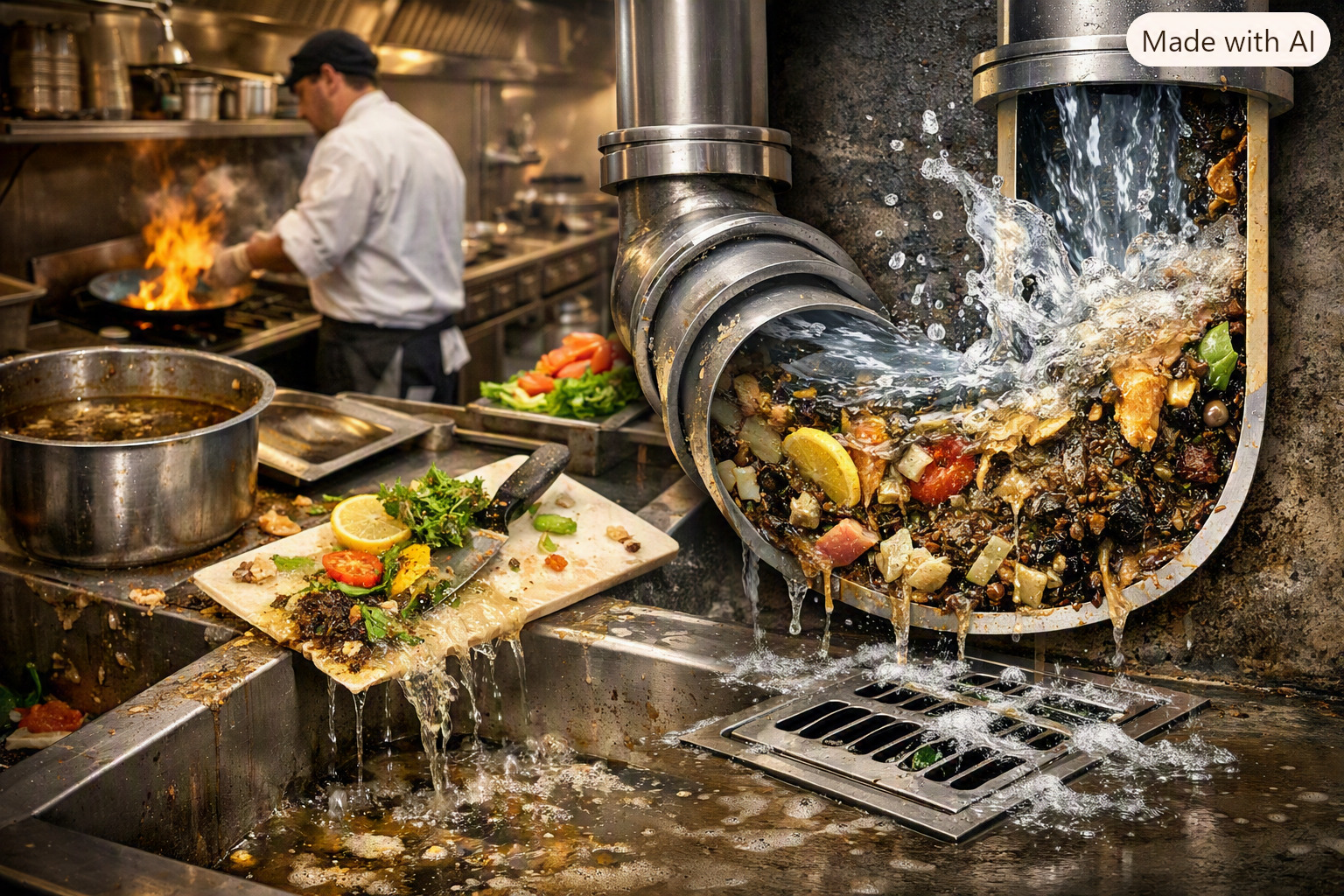
Commercial kitchens deal with large volumes of food, cooking oils, fats, food particles and wastewater daily. Hotels, food jo...
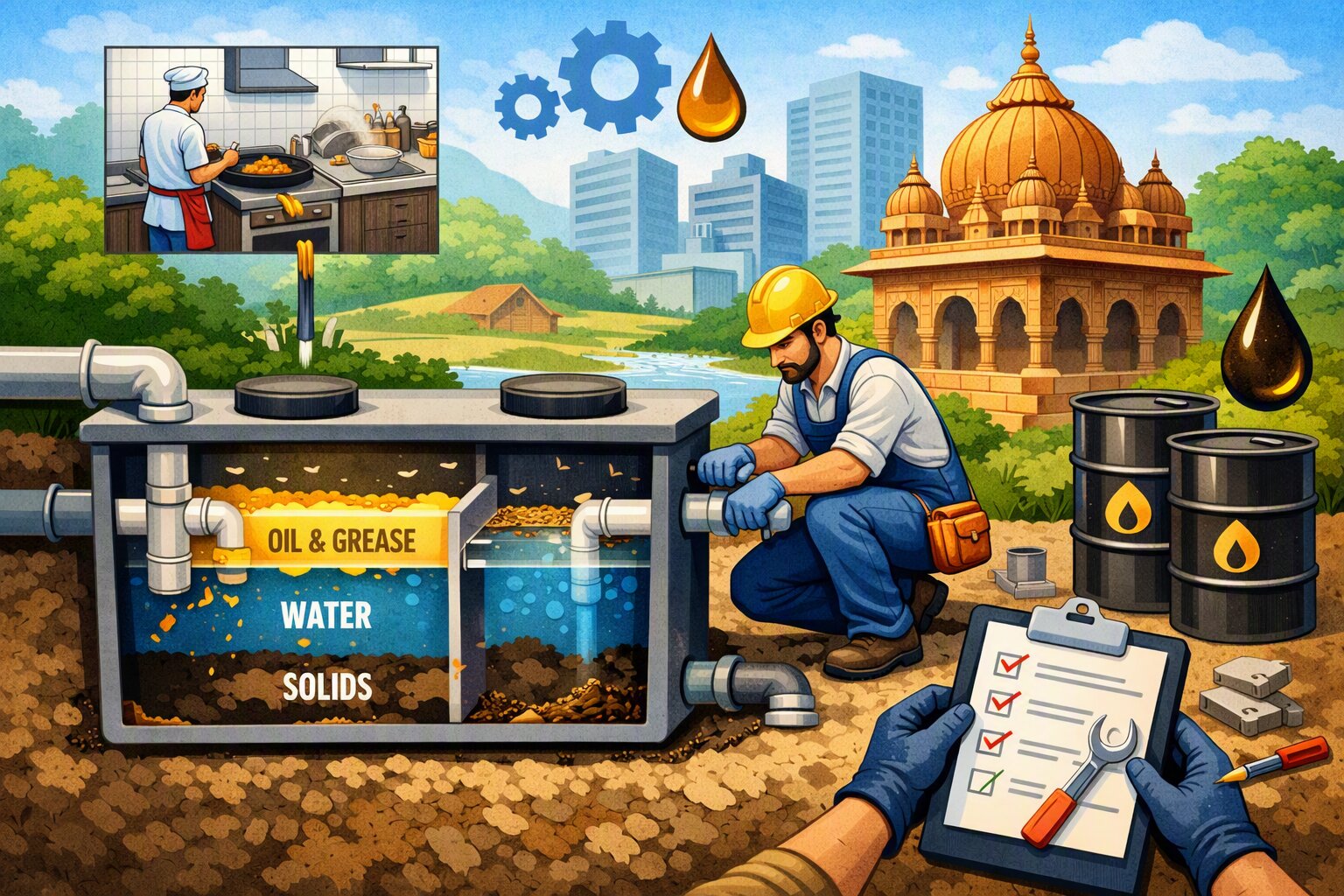
Complete Guide to Oil & Grease Traps in India: Types, Working, Installation & Maintenance 12-08-2026
Commercial kitchens, restaurants, healthcare facilities, canteens, food joints, and food processing units generate wastewater...
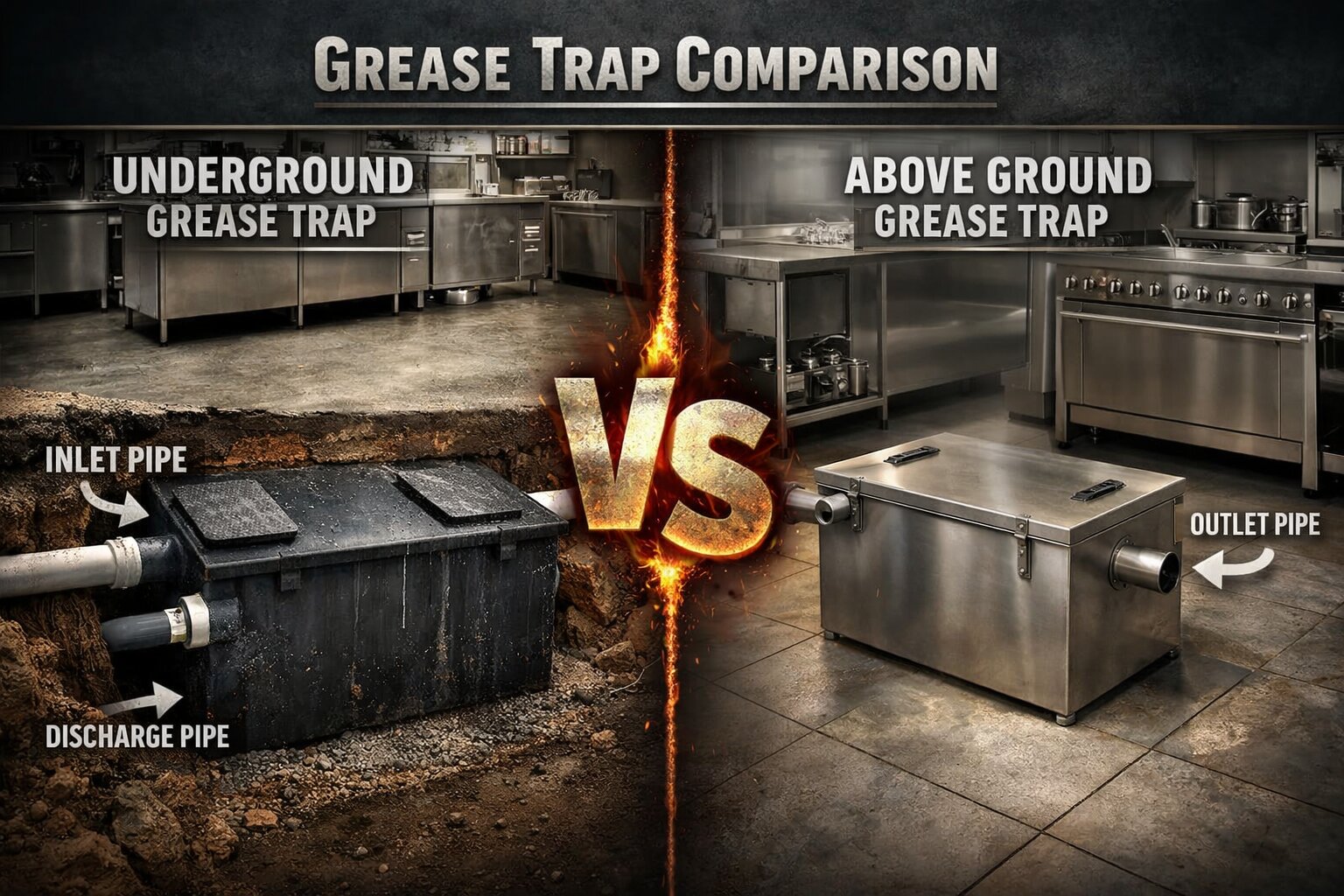
Underground v/s Above Ground Grease Trap 18-07-2026
Commercial kitchens in restaurants, hotels, food courts and other food facilities generate large quantities of FOG – fa...
Restaurant Grease Trap Buying Guide 02-07-2026
If you are an owner of a restaurant, you must consider investing in a good grease separator. The best Grease Trap for a resta...
Upcoming Events