
India International Water Week - Climate Resilient Water Management Event Description Although nearly 70% of the Earth&...

EPR v/s PWM and EWM: What’s the Difference?
EPR v/s PWM and EWM: What’s the Difference?
23-04-2026
Are you dealing with plastic, electronic waste or packaging in India? If so, you need to understand terms like EPR v/s PWM v/s EWM.
Though these terms sound similar, in reality, there are differences between the three. Not adhering to or misunderstanding these regulations can lead to fines, operational disruptions and reputational risks.
What is EPR?
The meaning of Extended Producer Responsibility or EPR is a policy approach that makes producers responsible for the entire lifecycle of their products, especially after consumption.
If a product is launched in the market, the producer is responsible for managing its waste. EPR applies to many waste streams, including plastics and e-waste. It is regulated by the Central Pollution Control Board.
Businesses must ensure-
• Post-Consumer waste collection
• Recycling and safe disposal
• Meeting annual targets
• Registration with authorities
If you are selling chips packed in plastic covers, you must ensure that the plastic used is collected and recycled.
EPR shifts the responsibility from consumers to municipalities to producers, making organizations accountable for ecological impact.
What is PWM?
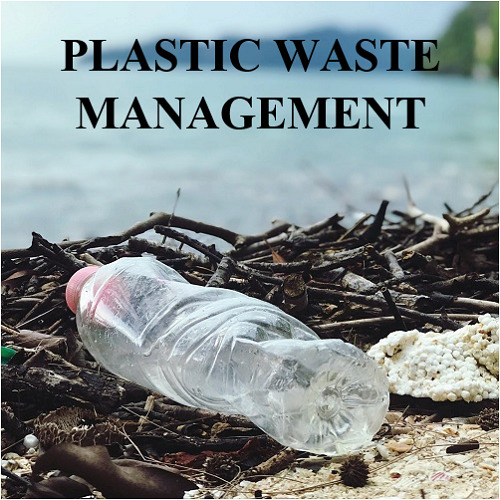
PWM or plastic waste management refers to the rules and framework specifically designed to manage plastic waste in India.
These rules are governed by the Plastic Waste Management rules. They are updated periodically to address growing environmental concerns.
It focuses on-
• Reduction of plastic usage
• Segregation of the collection of plastic waste
• Recycling and reuse
• Phasing out single-use plastics
PWM applies to manufacturers of plastic products, brand owners using plastic packaging and importers of plastic materials.
What is EWM?
EWM of the E-Waste Management deals with the handling, recycling and disposal of electronic waste such as computers, mobile phones and other electrical equipment.
It is governed under the E-Waste management rules. EWM ensures that harmful materials in electronic waste are safely handled. They do not harm the environment or human health.
EWM focuses on-
• Collection of e-waste from consumers
• Channelizing waste to authorized recyclers
• Make sure the safe disposal of toxic parts
• Maintaining compliance records.
Difference between EPR, PWM and EWM
It is important to understand the difference between these three
EPR is a policy concept. It states the producer is responsible for managing the waste of their products. It applies across multiple waste categories, including plastic and e-waste.
PWM is a regulation specifically focused on plastic waste. It defines how plastic waste should be managed.
EWM is a regulation for electronic waste. It outlines how e-waste should be handled and safely disposed of.
Understanding EPR PWM and EWM Comparison
Laws pertaining to sustainability and the environment are becoming stricter in India. Enforcement is stronger than ever. Non-compliance can result in huge fines, suspension of business operations and loss of brand credibility.
Compliance with these laws fosters improved brand recognition, sustainable business growth and better customer trust. Companies aligning with these regulations are building a future-ready business.
What is the EPR Registration Process?
• Identify the business category and check whether you are a producer, importer or brand owner. This PIBO classification is important as compliance requirements and targets vary based on the role and type of waste generated.
• Prepare necessary documentation such as company registration details, GST certificate, PAN card, product details and information about the quantity of waste generated. Work with a professional service provider to ensure accuracy while preparing documentation. The accuracy ensures smooth approval, avoiding delays.
• Register on the Central Pollution Control Board (CPCB) portal and create an account. Submit your application under the relevant category.
• After registration, applicants are required to submit an EPR action plan. This plan outlines how the company will collect, recycle and dispose of waste, including partnerships with authorized recyclers or waste management agencies.
• The concerned authorities review the application, and many request additional information or clarification to verify compliance with environmental regulations.
• Once approved, the business receives the EPR Certificate India. This certificate allows businesses to operate while meeting their environmental responsibilities and is subject to periodic renewals.
• Companies must meet recycling targets, maintain proper records and submit regular reports to ensure ongoing compliance.
• Businesses need to work with the authorized recyclers and ensure traceability of waste, helping maintain transparency and accountability in the system.
• Regular audits and updates are necessary to stay aligned with the changing norms and avoid fines. It also ensures long-term compliance and eco-friendly operations.
How does a professional Service Provider help with EPR, EWM and PWM compliance?
• A professional consultant will start by assessing your business model and identifying whether you fall under EPR obligations for plastic, e-waste or both. This initial assessment ensures you follow the correct compliance path without confusion.
• The experts handle the end-to-end documentation process, including preparing, compiling certificates and ensuring all data is accurate and aligned with regulatory norms, thus reducing the risk of rejection or delays.
• They help in business registration in CPCB portal and ensure a proper EPR action plan that outlines how the company will meet collection, recycling and disposal targets efficiently and in a cost-effective way.
• They connect businesses to authorized recyclers and waste management partners, ensuring proper channelization and traceability of waste as required by law.
• The experts manage ongoing compliance by tracking targets, maintaining records and filing periodic reports, ensuring your business remains compliant without any operational stress.
• Experts also keep businesses updated with regulatory changes, helping them adapt quickly and avoid fines or legal complications in a constantly evolving compliance ecosystem.
EPR, PWM and EWM are connected with each other; they serve different purposes. Ignoring their differences can lead to costly mistakes.
Understanding them gives your business a bird’s-eye view of compliance and sustainability.
FAQs
1. What are the full forms of EPR, EWM and PWM?
EPR is Extended Producer Responsibility. PWM is plastic waste management, and EWM is E-waste management. Green Genra provides end-to-end support and guidance in all these compliances.
2. What are the EPR compliance rules in India?
It requires producers, importers and brand owners to collect, recycle and responsibly manage the waste generated from their products according to the norms set by CPCB.
3. What happens if organization fails to comply with these rules?
Non-compliance results in fines, legal action and potential business restrictions. Work with the experts of Green Genra to ensure compliance and avoid penalties.
About the Author
Green Genra is a reliable environmental compliance partner helping businesses meet EPR, EWM and PWM regulations with ease.
The brand provides comprehensive solutions from registration to documentation to waste management and reporting, ensuring stress-free compliance.
Green Genra is committed to supporting sustainable business practices while helping enterprises stay compliant and environmentally responsible.
Share with:
Latest News
-

EPR v/s PWM and EWM: What’s the Difference?
23-04-2026
Our Clients
















































Latest News
Water is a significant natural resource and needs to be used carefully. Food processing industries depend heavily on water fo...
Our nature has many precious resources, and water is one of them. It is an essential resource for human life, industries, agr...
EPR v/s PWM and EWM: What’s the Difference? 23-04-2026
Are you dealing with plastic, electronic waste or packaging in India? If so, you need to understand terms like EPR v/s PWM v/...
.jpg)
Sustainable Living is the need of the hour for every business. This makes green building certifications important in India.&n...
STP v/s ETP: Key Differences Explained 25-03-2026
Wastewater management is important for industries, manufacturing units and commercial establishments. Smart wastewat...
 vs Consent to Operate (CTO).png)
Are you planning to set up industries? If so, you need to follow environmental regulations before setting up and running your...
Upcoming Events