
Wastewater Treatment Solutions for Food Processing Units
Water is a significant natural resource and needs to be used carefully. Food processing industries depend heavily on water for cleaning, washing, cooking, cooling, packaging and sanitation. However, with high usage of water, wastewater management becomes challenging for many food industries. Here comes the role of wastewater treatment solutions for the food industry.
If there is no proper treatment, this wastewater can harm the environment, violate pollution norms and damage the company’s image. Today, wastewater treatments are not only about compliance, but they are about sustainability, operational efficiency and responsible manufacturing.
Modern wastewater treatment for the food industry helps the units to reduce water wastage, enables recycled water, lowers operational costs and maintains strict hygienic rules. As environmental laws become stricter, investing in advanced wastewater treatment systems has become a necessity for every food processing business.
What is wastewater in the food processing industry?
Wastewater in the food processing industry refers to the contaminated water generated during cleaning, processing, and packaging and sanitation activities. This wastewater contains organic waste, food particles, oils and grease, chemicals and detergents, blood and fat residues, high biological oxygen demand and suspended solids.
Different food sectors generate different types of wastewater depending on their operations. If untreated wastewater is discharged directly into water bodies or drainage systems, it will severely impact the environment and public health.
Why Wastewater Treatment is Important for Food Processing Units?
- Protect the Environment: Food industry wastewater contains pollutants that contaminate rivers, lakes and groundwater. With proper wastewater treatment for food processing, the environmental damage is reduced, supporting sustainable operations.
- Ensures Regulatory Compliance: Government pollution control authorities have strict discharge norms for industrial wastewater. The cutting-edge industrial water treatment systems help businesses adhere to environmental laws and avoid fines.
- Reduces Water Consumption: The state-of-the-art treatment allows industries to recycle and reuse water, reducing dependency on freshwater resources.
- Enhances Brand Image: Consumers prefer environmentally responsible brands. Food units integrated wastewater treatment solutions appeal to many end users. Thus, sustainable wastewater management builds trust and improves brand reputation.
- Reduces Operational Costs: Efficient wastewater treatment reduces disposal expenses, lowers water procurement costs and reduces equipment issues.
What are the common challenges in Food Industry Wastewater Management?
- FOG: Fats, oils and grease can clog pipelines and interfere with the treatment processes if not handled properly.
- High Organic Load: Food processing wastewater contains high levels of biodegradable organic matter, increasing BOD and COD levels.
- Variable Wastewater Quality: Wastewater quality fluctuates depending on production cycles, making treatment more complicated.
- Odour and Sludge Management: Improper wastewater handling can create foul odours and excessive sludge accumulation, affecting operational hygiene.
Wastewater Treatment Solutions for the Food Industry
- Wastewater Treatment Plant (WWTP): A wastewater treatment plant is designed to treat industrial wastewater generated during food processing activities before the discharge or reuse. These systems involve physical, chemical and biological treatment methods to remove contaminants like suspended solids, organic matter, oils, grease and harmful chemicals. This system helps food processing units reduce biological oxygen demand, chemical oxygen demand and total suspended solids. These systems also support water recycling initiatives, making operations more eco-friendly and affordable.
- Sewage Treatment Plant (STP): STP is used to treat domestic wastewater generated from kitchens, washrooms, cafeterias and employee facilities within the food processing plants. They remove organic waste, bacteria and harmful microorganisms through biological treatment processes. The water treatment from the STP can often be reused for gardening, flushing and other non-production activities. With STP, the food processing facilities can maintain hygiene norms and reduce freshwater usage.
- Effluent Treatment Plant (ETP): Effluent Treatment Plant for the food industry is one of the most critical wastewater treatment solutions. They are specially designed to handle industrial effluents containing FOG, chemicals, suspended solids and organic pollutants. The ETP plant has the following processes- screening, equalization, coagulation, aeration, sedimentation, filtration and sludge treatment. These systems ensure treated wastewater meets environmental discharge standards and supports eco-friendly manufacturing practices.
Advanced Technologies Used for Wastewater Treatment in the Food Industry
- Membrane Filtration Systems
- Biological Treatment System
- Dissolved Air Flotation
- Sludge Dewatering Systems
Case Study- Wastewater Treatment Transformation in a Beverage Manufacturing Plant
A beverage manufacturing plant in Delhi faced many challenges with wastewater discharge compliance due to high organic content and excessive water usage. The company also struggled with the increasing operational costs and environmental concerns.
The management of the company held a meeting to overcome these challenges. The unanimous decision was to install a complete wastewater treatment solution that included an advanced ETP, membrane filtration system and sludge dewatering technique.
Within a few months, the company achieved remarkable outcomes-
- Great reduction in BOD and COD levels
- Compliance with environmental guidelines
- 50% reduction in the consumption of fresh water
- Lower wastewater disposal costs
- Increased Operational sustainability and efficiency
Choosing the Right Wastewater Treatment Plant
When investing in the industrial effluent treatment plant, food processing businesses should consider.
- Industry experience
- Tailored treatment solutions
- Regulatory Compliance expertise
- Maintenance and technical Support
- Water recycling capabilities
- Energy-efficient technologies
Work with the right supplier to ensure premium quality and durability.
Cleaner and Sustainable Food Processing Operations- Robust Wastewater Management
Wastewater management is a significant part of responsible food production. Modern wastewater treatment solutions help food processing units ensure sustainability, minimize costs, recycle water and maintain compliance with environmental standards.
Whether you operate a beverage unit, dairy plant, seafood processing facility or packaged food manufacturing unit, investing in the cutting-edge wastewater treatment solutions will ensure a safer, cleaner and more eco-friendly future for your food processing unit.
Partner with experienced wastewater management experts today and future-proof your food processing business.
FAQs
1. What is wastewater in the food processing industry?
Wastewater is contaminated water generated during cleaning, manufacturing, cooking and sanitation activities. Green Genra offers cutting-edge wastewater treatment solutions aligned with your specific business needs.
2. Wastewater Treatment- Important for Food Processing Units?
Wastewater Treatment helps industries adhere to environmental norms, reduce pollution, recycle water and improve operational sustainability.
3. Why Green Genra stands out as the reliable supplier of wastewater treatment solutions?
With a proven track record of delivering tailored energy-efficient and compliance –centric systems, backed by technical expertise and long-term support, Green Genra stand out as a reliable manufacturer and supplier of wastewater treatment solutions.
About the Author
Green Genra is a Delhi-based environmental engineering consultancy and manufacturing firm founded in 2015. Their team of professionals leverage years of experience to provide optimal pollution control solutions, cutting-edge waste management products and regulatory compliance support to commercial and industrial facilities across India.
-
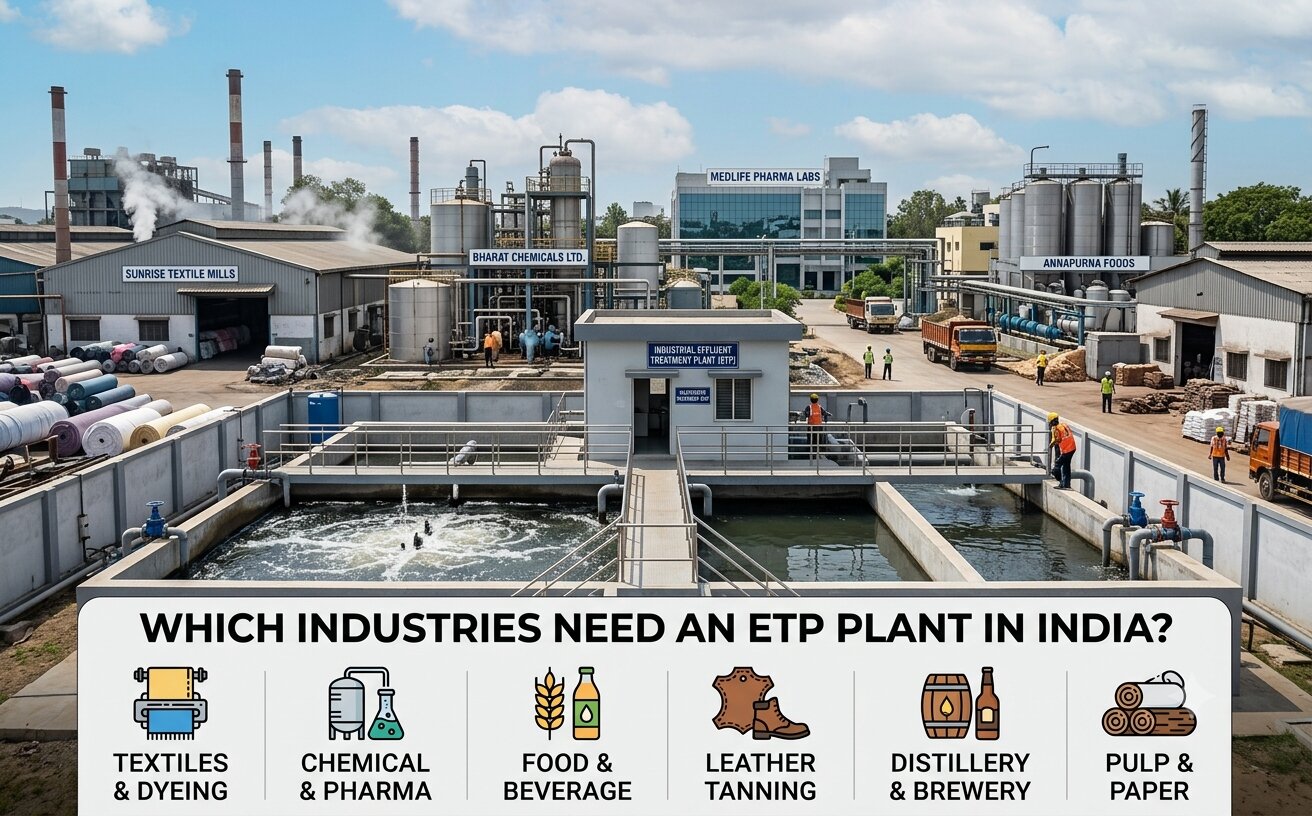
Which Industries need an ETP Plant in India?
17-09-2026
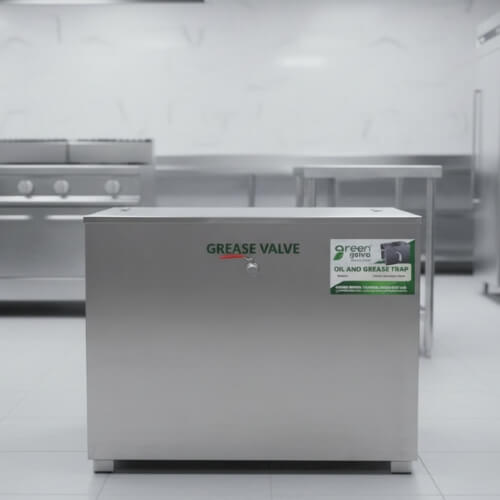
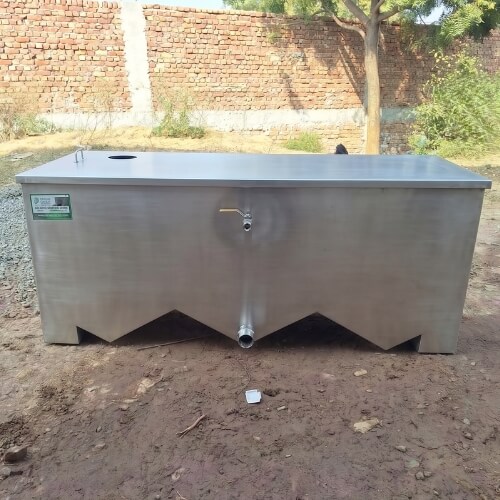
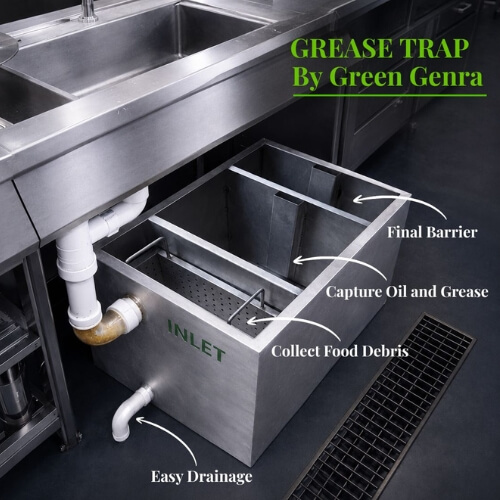
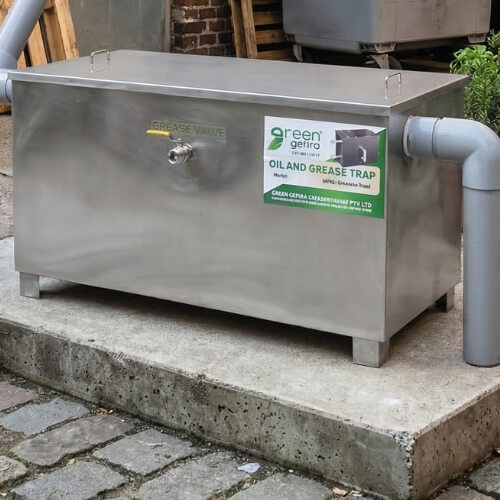
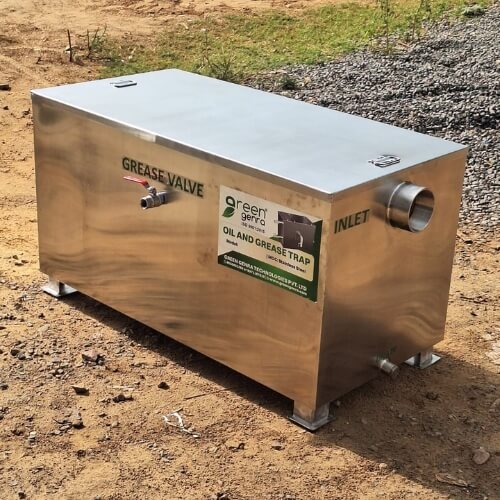










































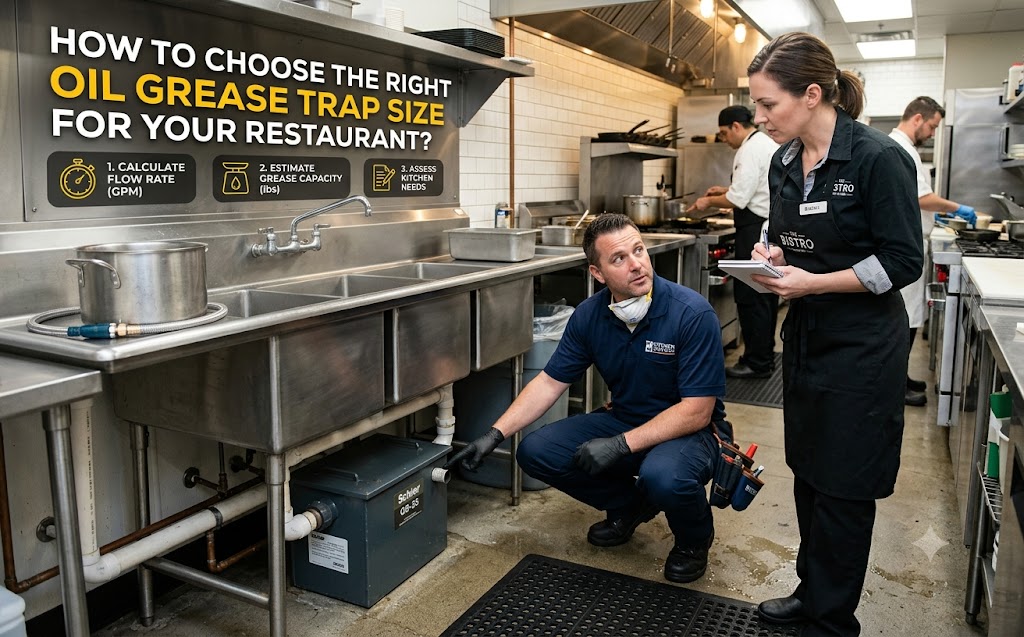
Choosing the right oil grease trap size for your restaurant is important for maintaining an efficient commercial kitchen, pre...
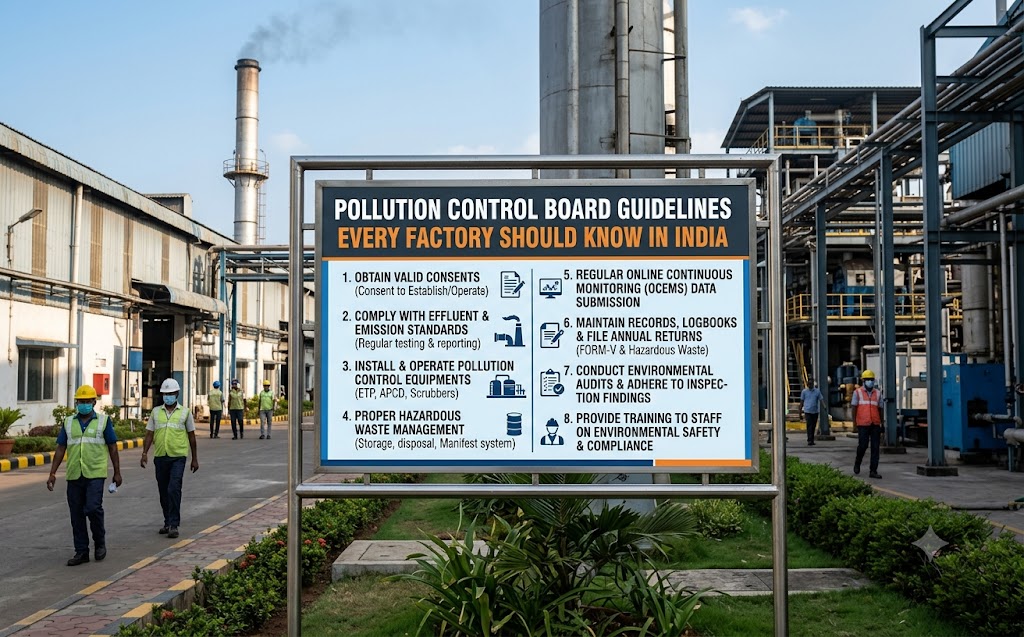
Factories in India operate under environmental regulations set by regulatory authorities to control pollution, protect natura...
Industrial growth in India has hit sky-high across many verticals, including manufacturing, textiles, pharmaceuticals, chemic...
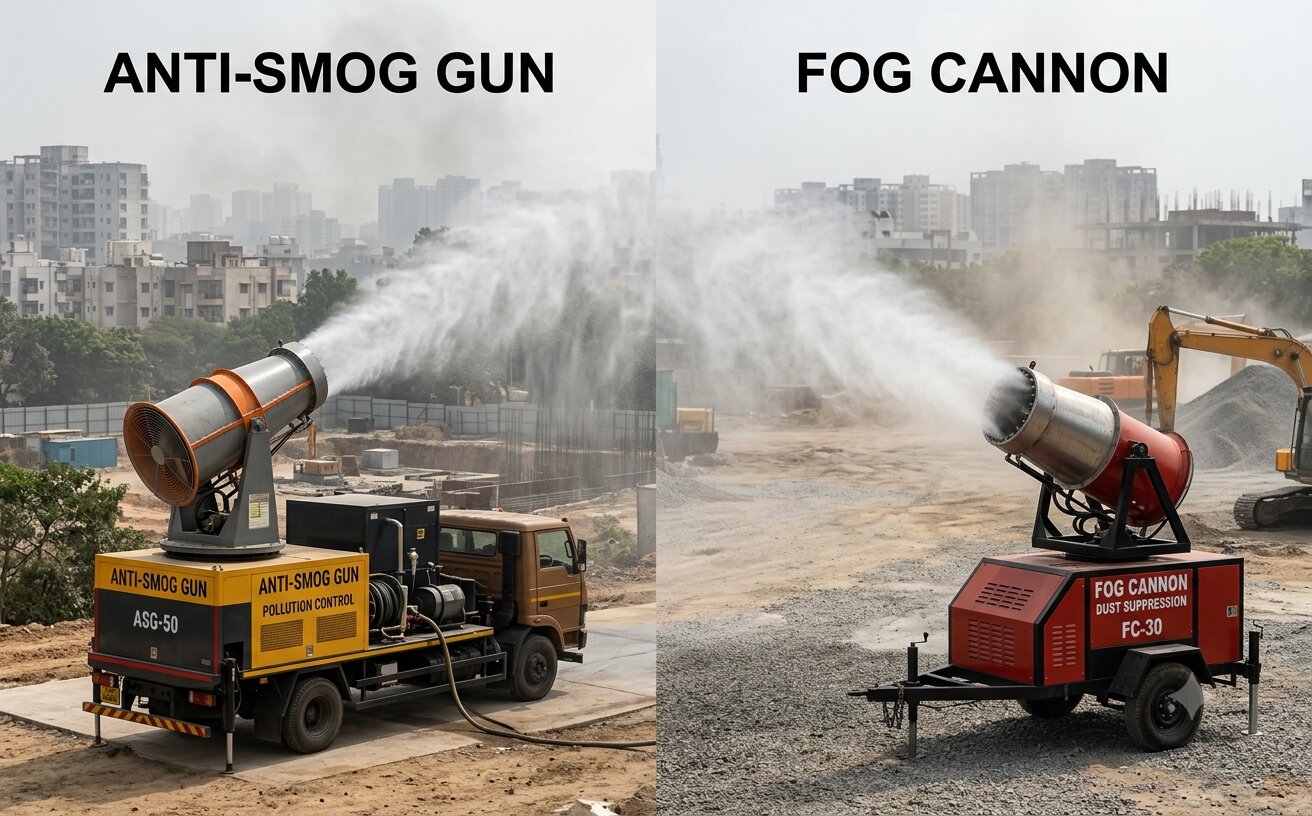
One of the most common issues Indian cities are facing is pollution. Pollution is very common in Delhi and the NCR area, wher...
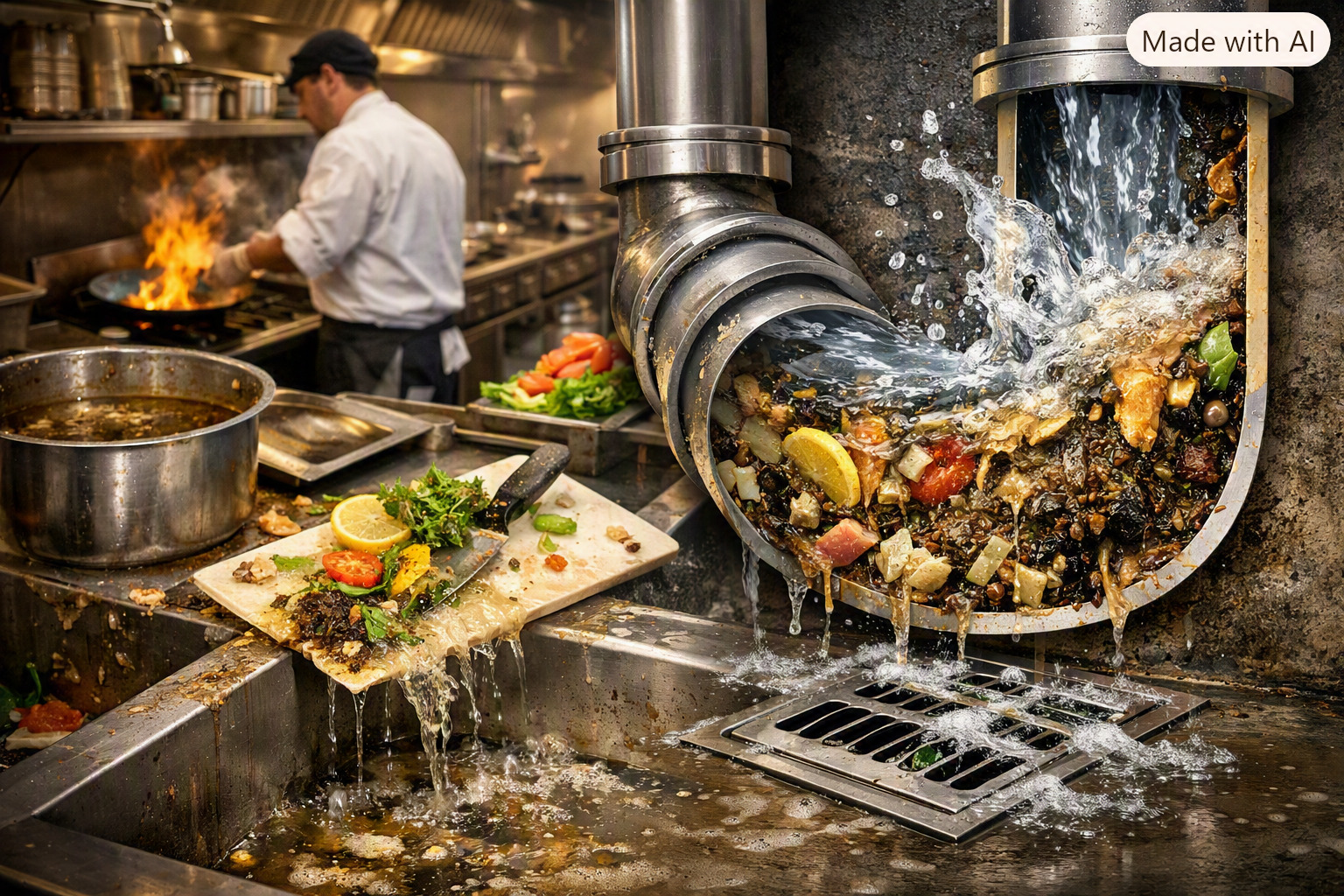
Commercial kitchens deal with large volumes of food, cooking oils, fats, food particles and wastewater daily. Hotels, food jo...
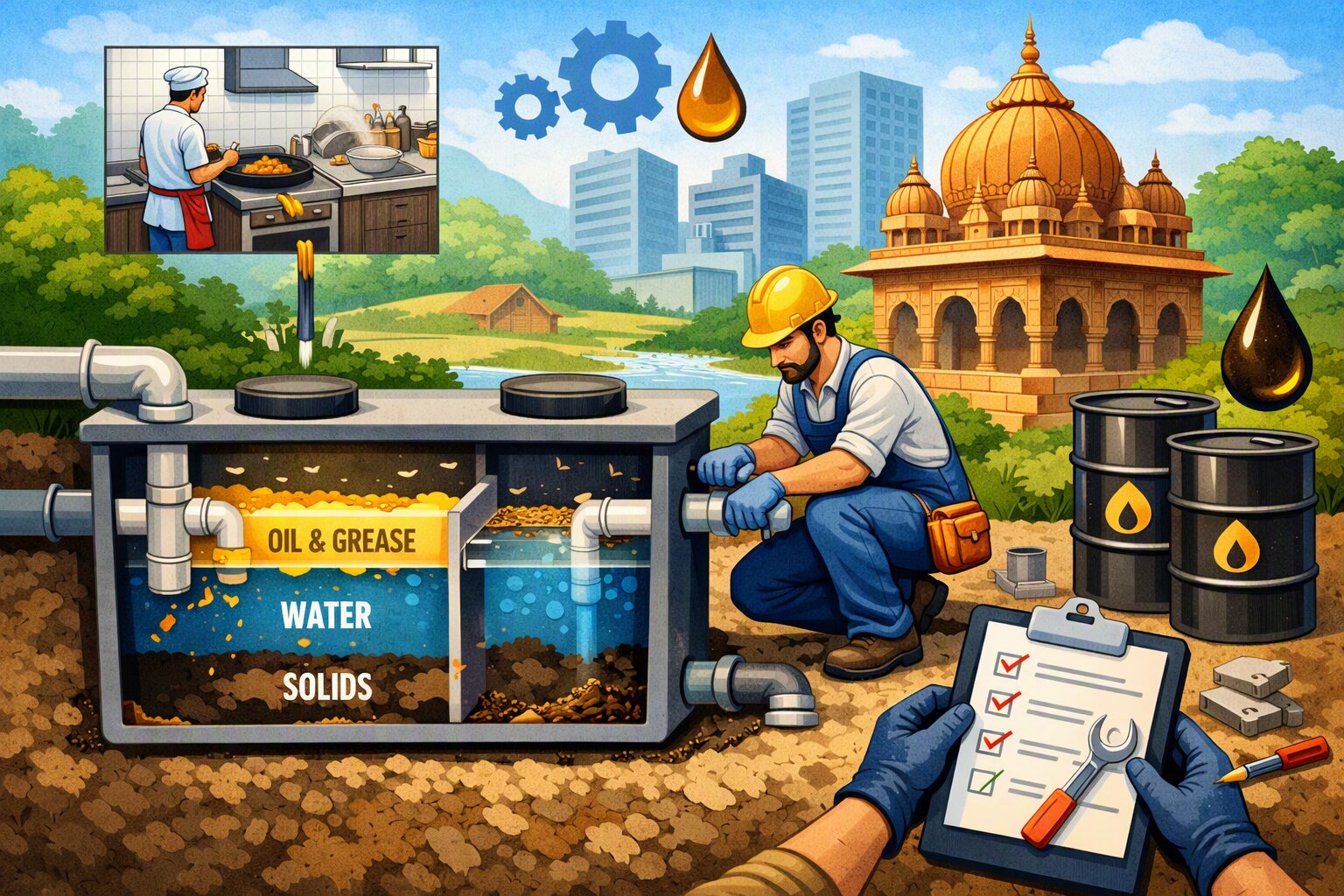
Commercial kitchens, restaurants, healthcare facilities, canteens, food joints, and food processing units generate wastewater...