
India International Water Week - Climate Resilient Water Management Event Description Although nearly 70% of the Earth&...

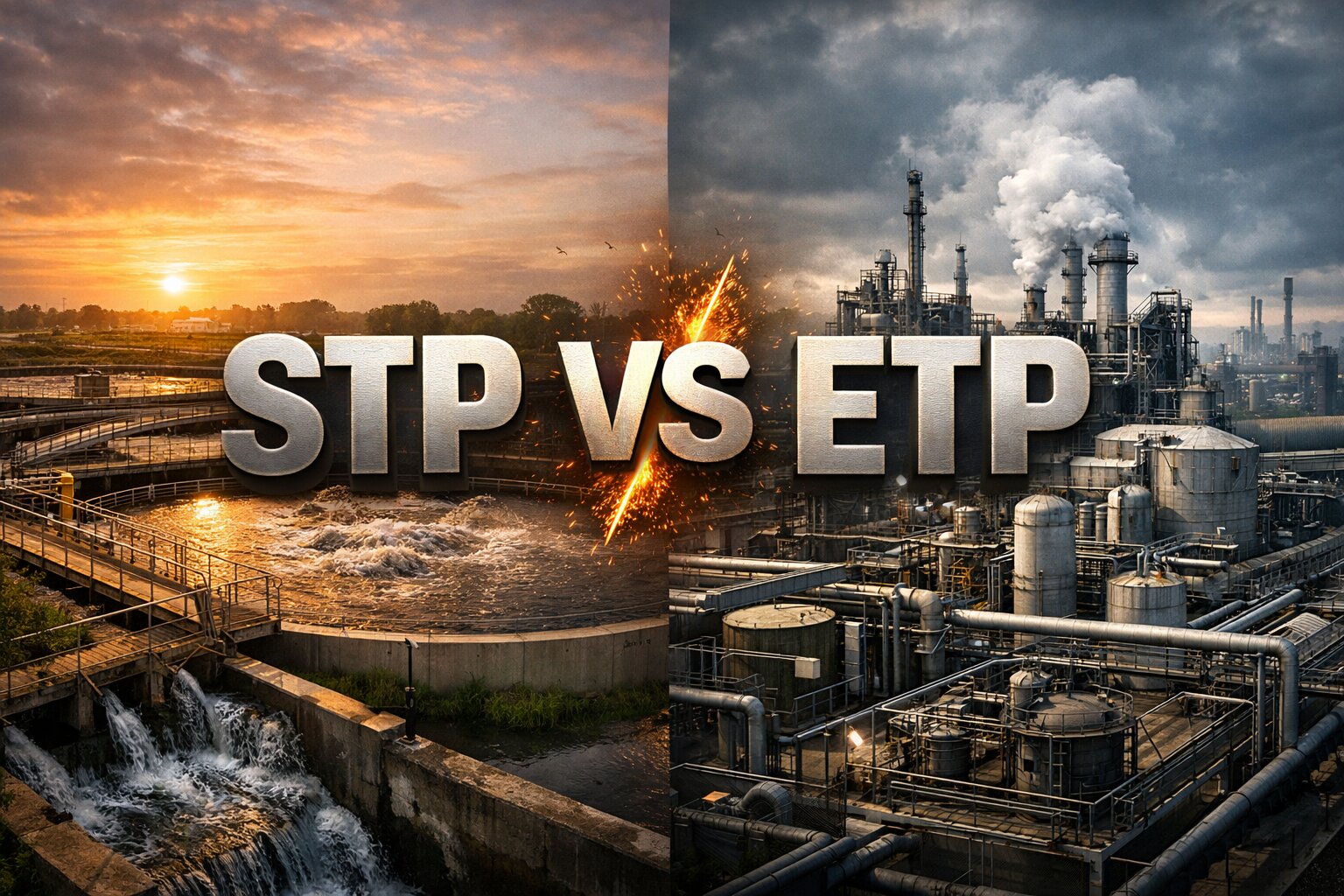
STP v/s ETP: Key Differences Explained
STP v/s ETP: Key Differences Explained
25-03-2026
Wastewater management is important for industries, manufacturing units and commercial establishments.
Smart wastewater management reduces the carbon footprint and pollution caused by contaminated water.
The two commonly used systems are STP and ETP. STP or the Sewage Treatment Plant, or the ETP or the Effluent Treatment Plants are designed to treat contaminated water; they differ in their applications, processes and treatment goals.
What is STP?
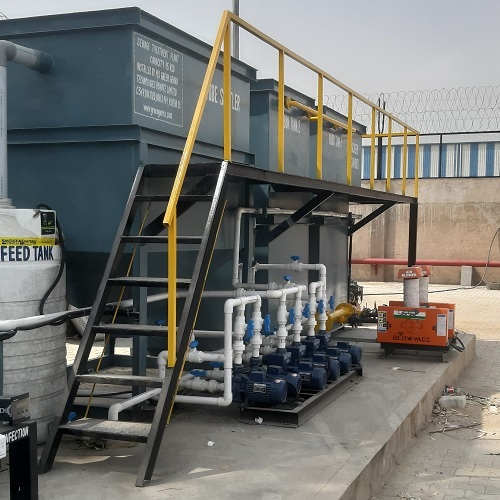
When understanding STP v/s ETP, it is important to know what they are. A STP is used to treat domestic wastewater or sewage generated from households, offices, hotels and residential complexes.
What are the Features of STPs?
• They treat biodegradable organic waste
• They remove suspended solids, pathogens and nutrients
• The biological treatment method is used in STPs
• The water treated from the STP can be reused for gardening, cleaning and flushing.
What is ETP?
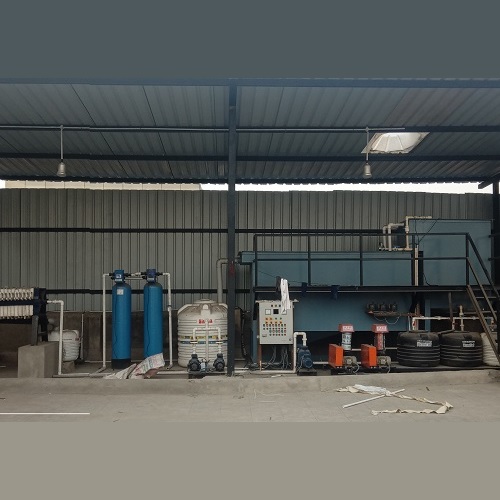
Understanding STP v/s ETP treatment plants is important to know which one best suits your needs. An ETP is designed to treat industrial wastewater that contains harmful chemicals, toxic substances, heavy metals and non-biodegradable pollutants.
What are the Features of ETP?
• They are used to treat industrial discharge
• They can easily handle toxic and chemical waste
• ETPs use physical, chemical and biological processes
• It ensures compliance with environmental norms.
Differences between STP and ETP
Understanding STP and ETP difference is important for effective wastewater management. Both the systems treat contaminated water; they differ in source, process and application.
• Wastewater Source: A Sewage treatment plant treats domestic sewage generated from offices, homes and commercial buildings. The source of wastewater in STPs is the kitchen, bathrooms and toilets. An Effluent Treatment Plant, on the other hand, treats industrial wastewater produced by factories, manufacturing units and processing plants. This wastewater contains harmful chemicals.
• Nature of Contaminants: The contaminants in STP are organic and biodegradable- human waste and food particles. An ETP deals with toxic substances like chemicals, heavy metals, oils and non-biodegradable pollutants, making the treatment more complex.
• Treatment Process: STPs rely on biological processes where microorganisms break down organic matter in sewage. ETPs use a blend of physical, chemical and biological treatments, including coagulation, neutralization and filtration, to remove harmful pollutants.
• Complications: STPs are simple in design and can be operated easily, so they deal with predictable and less harmful waste. ETPs are more complicated and require specialized equipment and skill to handle. This is because the source of water contains harmful industrial chemicals. Also, varying waste composition adds to the complexities.
• Sludge: The sludge generated in STPs is organic and can often be reused or safely disposed of after treatment. ETP sludge is harmful and may contain toxic materials, requiring careful handling and disposal as per environmental guidelines.
• Cost and Maintenance: Sewage treatment plants have lower installation and operational costs due to simpler processes. Effluent treatment plants are more expensive to install and maintain. This is because they treat water with industrial chemicals, use cutting-edge methods and follow stricter compliance requirements.
• STP v/s ETP Wastewater Treatment Reuse: Water treated in STP can be reused for gardening, flushing and landscaping purposes. ETP-treated wastewater can be reused in industrial processes or safely discharged after meeting environmental standards.
While both STP and ETP are important for wastewater treatment, they serve different purposes. By STP v/s ETP Comparison, you can make the right choice, ensuring compliance, efficiency and environmental sustainability.
Why Understanding Sewage Treatment Plant v/s Effluent Treatment Plant Difference Matters?
Understanding the difference between STP and ETP will help you choose the right system as per your requirements.
Choosing the right treatment system is crucial.
• Environmental Protection: Choosing the wrong treatment method can cause environmental pollution of water bodies and soil contamination.
• Regulatory Compliance: Industries must follow pollution control board norms to avoid fines.
• Cost Efficiency: Installing the right system can reduce unwanted operational costs.
• Eco-Friendly Water Management: Both STPs and ETPs enable water reuse, reducing freshwater contamination.
Industrial ETP v/s STP – Which one do you need?
The choice between STP and ETP depends on the water source and type of wastewater.
|
Need |
STP/ETP |
|
Residential |
STP |
|
Commercial |
STP |
|
Institutional |
STP |
|
Industrial Production with Chemicals |
ETP |
Some industries install both systems – an effluent treatment plant for industrial waste and a sewage treatment plant for domestic sewage generated within the facility.
How to choose the right STP or ETP?
• Know the source of wastewater: The first step when choosing ETP v/s STP wastewater treatment is to understand the source of wastewater. Determine whether the wastewater is domestic or industrial. Choose STP for sewage and ETP for industrial effluents.
• Understand Water Composition: Test for parameters like BOD, COD, pH, oil, grease and heavy metals. Industrial waste with harsh chemicals requires an ETP.
• Regulatory Norms: Follow the pollution control board guidelines for your industry. Industries have stricter discharge norms, making ETP mandatory.
• Treatment Objectives: Decide whether the treated water can be reused or discharged.
• Capacity: It is advisable to choose the system that matches your daily wastewater generation to ensure efficiency and avoid overload.
• Space Availability: Check the space available for installation. Compact or modular systems are ideal if space is limited.
• Sludge Handling: Make sure proper sludge treatment and disposal mechanisms are in place, especially for ETP.
Both STP and ETP are important for wastewater treatment; they serve different purposes. STPs are ideal for domestic sewage, whereas ETPs are designed for industrial effluents. Choosing the right system ensures efficiency, compliance and environmental sustainability. The differences between STP v/s ETP explained will help you make an informed choice.
FAQs
1. What is STP used for?
A sewage treatment plant is used to treat domestic sewage from residential and commercial spaces. Green Genra manufactures tailored STPs aligned with your needs.
2. What is ETP used for?
An effluent treatment plant is used to treat industrial wastewater containing harmful chemicals and pollutants.
3. Which is complicated- STP or ETP?
ETP is more complicated due to the presence of toxic and non-biodegradable waste. Green Genra is the reliable manufacturer and supplier of the best quality STPs and ETPs.
About the Author
Green Genra is the leading provider of advanced wastewater treatment solutions, specializing in efficient STP and ETP systems. The brand is committed to delivering eco-friendly technologies, helping businesses manage water responsibly.
They engineer tailored, durable and quality solutions designed for high performance, regulatory compliance and long-term cost efficiency.
Share with:
Latest News
-

EPR v/s PWM and EWM: What’s the Difference?
23-04-2026
Our Clients
















































Latest News
Water is a significant natural resource and needs to be used carefully. Food processing industries depend heavily on water fo...
Our nature has many precious resources, and water is one of them. It is an essential resource for human life, industries, agr...
EPR v/s PWM and EWM: What’s the Difference? 23-04-2026
Are you dealing with plastic, electronic waste or packaging in India? If so, you need to understand terms like EPR v/s PWM v/...
.jpg)
Sustainable Living is the need of the hour for every business. This makes green building certifications important in India.&n...
STP v/s ETP: Key Differences Explained 25-03-2026
Wastewater management is important for industries, manufacturing units and commercial establishments. Smart wastewat...
 vs Consent to Operate (CTO).png)
Are you planning to set up industries? If so, you need to follow environmental regulations before setting up and running your...
Upcoming Events