
India International Water Week - Climate Resilient Water Management Event Description Although nearly 70% of the Earth&...

Green Building Certification in India (LEED v/s IGBC v/s GRIHA)
Green Building Certification in India (LEED v/s IGBC v/s GRIHA)
21-04-2026
Sustainable Living is the need of the hour for every business. This makes green building certifications important in India.
It is important to choose the right certification, for it will impact your project value, compliance and long-term operational efficiency.
In India, the three most recognized green building certifications are LEED v/s IGBC v/s GRIHA. Each has its own framework, benefits and applicability.
Why is Green Building Certification for Buildings Important in India?
The green building certifications are beyond environmental responsibility. They are about cost savings, brand positioning and regulatory alignment.
Certified Green Buildings offer-
• Higher Property Value
• Higher Occupancy Rate
• Lower Energy Consumption
• Less Water Consumption
• Improved indoor air quality and occupant well-being
• Strong ESG credibility.
Environmental concerns are rising in India. This calls for strict regulations and sustainable building certification in India to future-proof your project.
What is LEED Certification?
The US Green Building Council developed LEED – Leadership in Energy and Environmental Design, which is a globally recognized certification system.
It has international credibility. This certification focuses on energy efficiency, carbon reduction and innovation. LEED is applicable for commercial, residential and industrial projects.
It offers various rating levels, including Certified, Silver, Gold and Platinum. LEED certification is best for projects that target global investors, multinational tenants or international standards.
What is IGBC Certification?
When understanding the difference between LEED v/s IGBC, it is important to understand the IGBC certification. This certification is designed for Indian conditions.
It is endorsed by the Ministry of New and Renewable Energy. It strongly focuses on energy, water and waste management.
This certification is mandatory for many government and large infrastructure projects in India. It emphasizes passive design and resource optimization.
It provides 1 to 5 star rating levels. This certification is best suited for government projects, institutional buildings and sustainability-driven developments.
What is GRIHA Certification?
When understanding the difference between IGBC v/s GRIHA, it is important to all about the GRIHA certification.
GRIHA council developed GRIHA (Green Rating for Integrated Habitat Assessment, India’s national rating system. It is endorsed by the Ministry of New and Renewable Energy.
This certification focuses on energy, water and waste management. It is mandatory for many government and large infrastructure projects. The certification emphasizes passive design and resource optimization.
It offers 1 to 5 rating levels. GRIHA is best for government projects, institutional buildings and sustainability-driven projects.
Difference between LEED v/s IGBC and GRIHA
• Origin: LEED is developed by the US Green Building Council and is recognized all across the globe. IGBC is managed by the Indian Green Building Council, focusing on Indian Construction needs, GRIHA. It is developed by GRIHA Council and is India’s official green building rating system backed by the government.
• Recognition and Market Value: LEED offers strong international credibility, making it ideal for projects targeting global investors and MNC tenants. IGBC is recognized all across India and is accepted by developers and builders. GRIHA is highly respected in government and institutional projects, where sustainability compliance is important.
• Cost and Certification: LEED is more expensive due to international standards, documentation and consulting requirements. When doing LEED v/s IGBC cost comparison, IGBC is cost-effective and offers a faster certification process suited to Indian developers. GRIHA falls requires a structured process and may take a longer time due to detailed performance evaluation.
• Applicability and Project Types: LEED is best for commercial buildings, IT parks and high-end residential projects with global aspirations. IGBC offers multiple rating systems, covering homes, factories, schools and healthcare, making it a versatile option. GRIHA is used for government buildings, large infrastructure and institutional developments.
• Focus Areas and Approach: LEED emphasizes energy efficiency, carbon reduction and innovation in design. IGBC focuses on practical, eco-friendly solutions adapted to Indian climates and materials. GRIHA emphasizes resource optimization, including water conservation, waste management and passive design strategies.
• Rating System: The ratings for LEED and IGBC are the same based on the points achieved. GRIHA uses a star-based system ranging from 1 to 5 stars, making it simple to understand for public sector projects.
• Government Alignment: LEED is globally accepted, and IGBC aligns partially with Indian sustainability initiatives. GRIHA is directly endorsed by the Ministry of New and Renewable Energy, making it an ideal option for government compliance.
Which Green Building Certification is best in India?
|
Certifications |
Best For |
|
LEED |
Global branding and Premium Positioning |
|
IGBC |
Cost-Effective and Scalable Certification |
|
GRIHA |
Strong Environmental Compliance and Government Approval |
Why Green Building Rating Systems Matter in India?
• Rising Environmental Concerns: India is facing serious environmental issues like scarcity of water, pollution and change in climate. Green building ratings systems help reduce environmental impact by promoting energy efficiency, sustainable materials and responsible construction practices.
• Cost-Savings: Green certified buildings consume less energy and water, leading to huge cost savings over time. This is important in India, where energy demand and utility prices are increasing.
• Government Policies: The Ministry of New and Renewable Energy is prioritising sustainability. This makes green certifications important for regulatory approvals and incentives, especially in large-scale and public projects.
• Higher Property Value: Green Buildings attract better buyers, tenants and investors. They have higher resale value and occupancy rates due to improved comfort, health benefits and lower operational costs.
• Improved Indoor Environment: They ensure better air quality, natural lighting and ventilation, leading to healthier living and working spaces, a significant factor in urban Indian cities.
• Strong brand and ESG Positioning: Green Certifications increase brand image and align businesses with global sustainability and ESG goals, making them more competitive in today’s market.
Green building Certification is certainly a need of the hour in India and a significant investment that improves efficiency, increases brand value and attracts premium clients. If you are planning a project or have one in progress, it is the right time to get certified.
To choose the right certification and generate more leads for your project, contact a good consultant.
FAQs
1. What is the difference between LEED v/s GRIHA in India?
LEED is developed by the US Green Building Council, and it is globally recognized. GRIHA is an Indian government-endorsed system focusing on local sustainability needs. Work with the expert consultants of Green Genra to choose the right certification.
2. What are the GRIHA v/s IGBC benefits?
GRIHA offers strong government alignment, and IGBC provides cost-effective and faster certification suited for Indian projects.
3. What is the cost of green building certification in India?
To know the exact cost, contact the team of Green Genra, experienced service providers supporting green building certification in India.
About the Author
Green Genra is a sustainability focused company delivering innovative environmental solutions for modern industries.
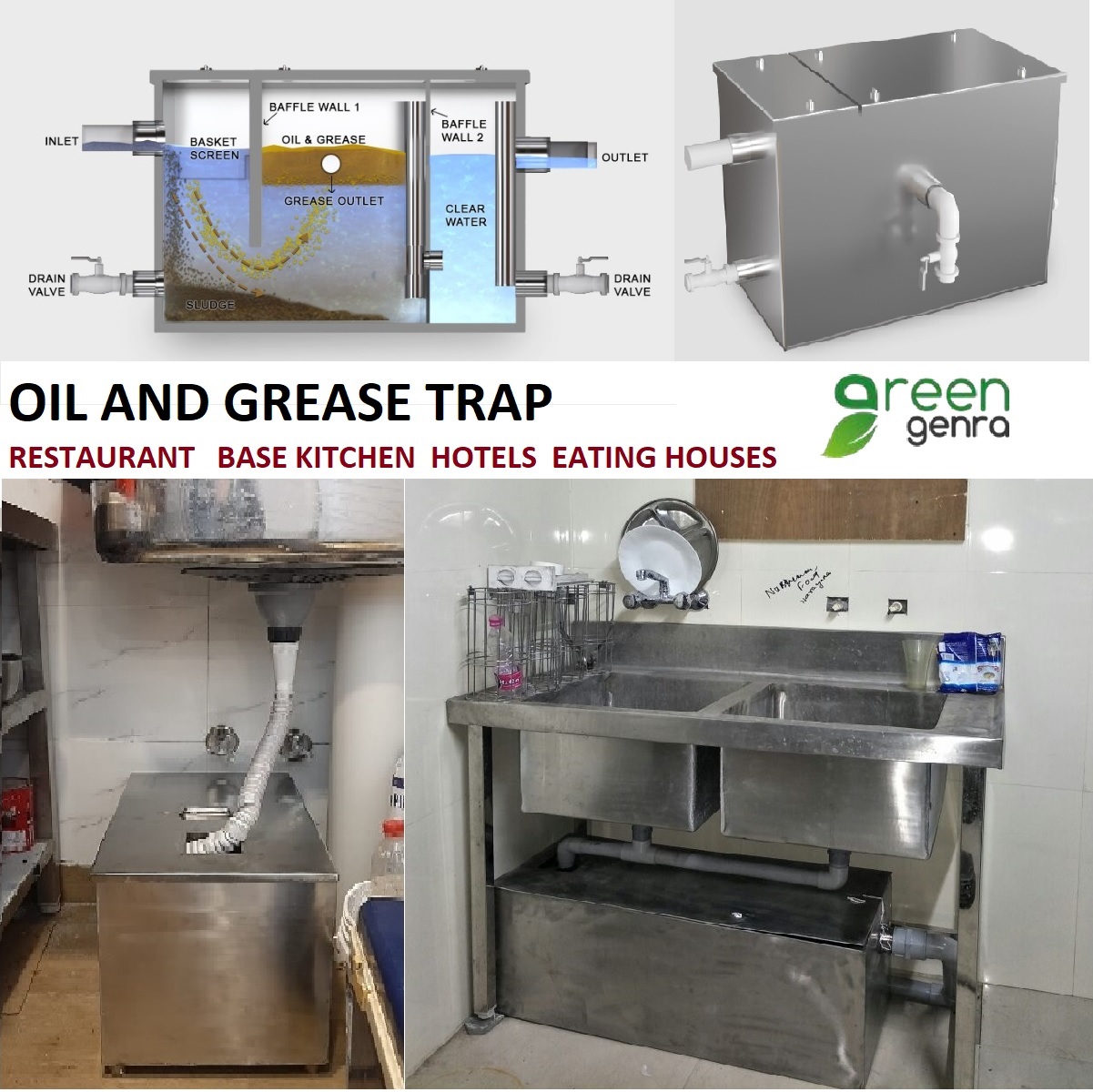
The brand specializes in wastewater management, including oil and grease traps and other eco-friendly systems to ensure regulatory compliance and operational efficiency.
Green Genra, with its support and services, helps its clients reduce environmental impact while building a healthier and cleaner future.
Share with:
Latest News
-

EPR v/s PWM and EWM: What’s the Difference?
23-04-2026
Our Clients
















































Latest News
Water is a significant natural resource and needs to be used carefully. Food processing industries depend heavily on water fo...

Our nature has many precious resources, and water is one of them. It is an essential resource for human life, industries, agr...
EPR v/s PWM and EWM: What’s the Difference? 23-04-2026
Are you dealing with plastic, electronic waste or packaging in India? If so, you need to understand terms like EPR v/s PWM v/...
.jpg)
Sustainable Living is the need of the hour for every business. This makes green building certifications important in India.&n...
STP v/s ETP: Key Differences Explained 25-03-2026
Wastewater management is important for industries, manufacturing units and commercial establishments. Smart wastewat...
 vs Consent to Operate (CTO).png)
Are you planning to set up industries? If so, you need to follow environmental regulations before setting up and running your...
Upcoming Events