
India International Water Week - Climate Resilient Water Management Event Description Although nearly 70% of the Earth&...

How Grease Traps Help Restaurants Meet Local Municipal Compliance?
How Grease Traps Help Restaurants Meet Local Municipal Compliance?
20-02-2026
If you are running a restaurant, it is important for you to adhere to the local municipal rules.
Restaurants must ensure compliance with various environmental, municipal and pollution control regulations. One of the most important yet often overlooked compliance issues is grease trap compliance.
What are Grease Traps?
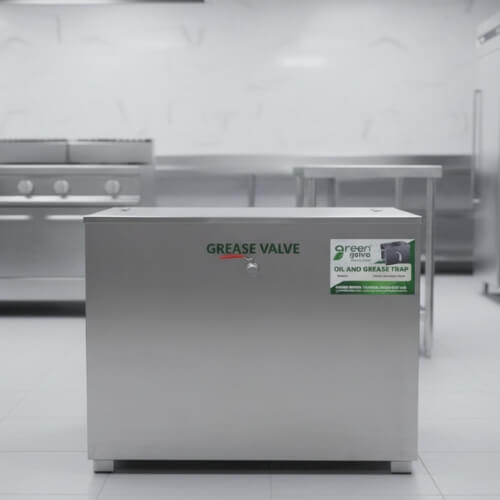
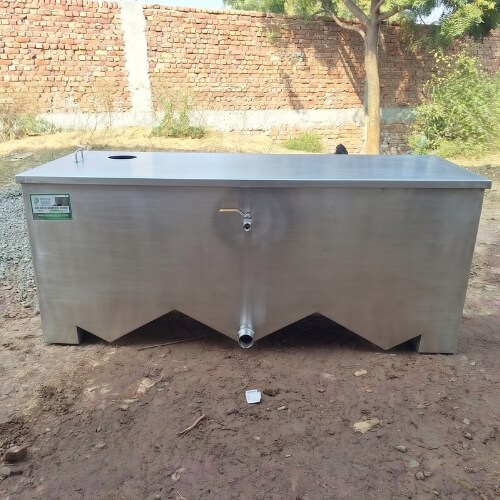
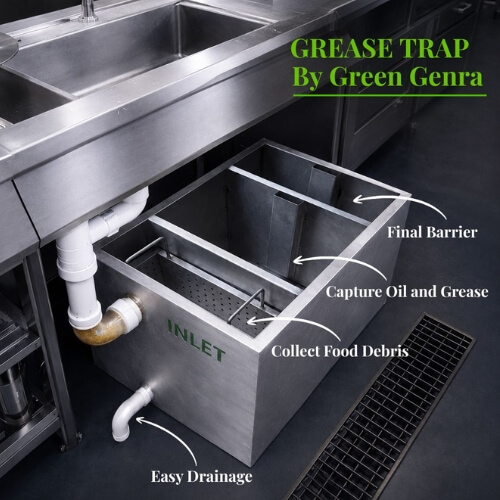
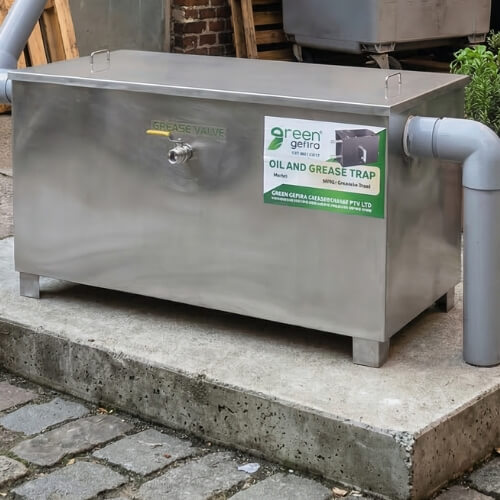
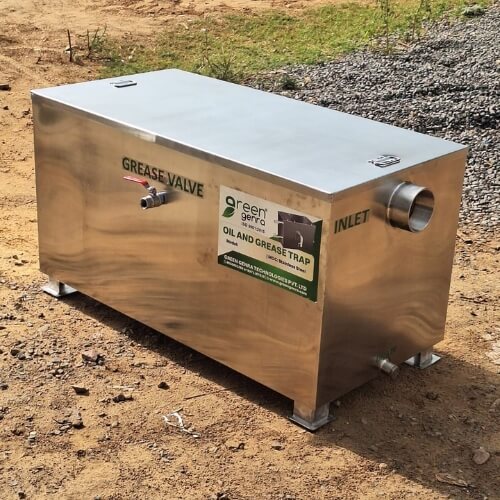
A grease trap, also known as a grease interceptor or separator, is a plumbing device designed to separate fats, oils and grease (FOG) from kitchen wastewater before it flows into municipal drains.
A grease trap is one of the most essential requirements for a commercial restaurant. In an Indian commercial Kitchen, FOG is generated from-
- Deep frying and cooking oils
- Dairy and butter residues
- Meat fats
- Gravies and Sauces
- Dishwashing water
If a grease trap is not installed, the FOG solidifies inside the drainage systems, causing severe blockages and sewer overflows. To prevent this, one of the most important municipal regulations is to install a grease trap.
Understanding Commercial Grease Trap Compliance
Most municipalities require restaurants to –
- Install grease traps
- Follow specific sizing requirements
- Keep maintenance logs
- Maintain a regular cleaning schedule
- Allow inspections by local authorities
- Dispose of the grease waste through licensed vendors
Failure to comply can result in
- Huge fines
- Sewer surcharge fees
- Legal notices
- Temporary business closure
- Reputational damage
Grease Traps Help Commercial Restaurants Meet FOG Compliance
- Prevent Blockage of Sewer: Grease trap installation for restaurants prevents sewer blockages and overflows. When grease accumulates in public sewer systems, it can form massive fatbergs. These blockages cause flooding in nearby properties, sewer backup, pollution and increased maintenance costs for the city. The grease separators trap FOG at source, reducing pressure on the public sewer system and staying aligned with environmental protection laws.
- Meeting Ecological Protection Standards: Municipal environmental departments monitor wastewater discharge from commercial establishments. Excess grease can contaminate water bodies and harm the aquatic life. The grease traps help commercial food facilities minimize harmful wastewater discharge, adhere to environmental laws, support sustainable business practices and demonstrate corporate responsibility. This showcases the restaurant prioritizes sustainability, which enhances its brand image in the public.
- Avoid Costly Fines: Non-compliance with grease management rules can lead to huge fines. Non-Compliance can result in huge fines like spot fines, sealing of premises, legal action under environmental laws and trade license revocation. Installing and maintaining a properly sized grease trap protects your restaurant from unwanted financial risk. It also shows that the restaurant owners and the workforce are managing wastewater proactively.
- Adhering to Pollution Control Board Norms: The State Pollution Control Boards require the commercial food facilities to implement pre-treatment systems before wastewater enters public drains. The grease interceptor controls FOG concentration in effluent, meets permissible discharge limits, obtains Consent to Establish and Consent to Operate and helps food facilities avoid environmental violation notices.
Proper grease management sends a perfect message that the food facility adheres to all the compliance norms during inspections from pollution control authorities.
- FSSAI Hygiene and Sanitation Norms: FSSAI focuses on food safety. Sanitation and hygiene are important for compliance. If the grease is not disposed of properly, it can cause foul kitchen odours, pest infections, drain flies and wastewater backup inside the kitchen. A properly maintained grease trap ensures clean drainage systems, supporting hygiene norms during FSSAI inspections. Clean infrastructure also contributes to safe food handling practices.
- Records and Documentation: One of the requirements of local municipal compliance is to ensure regular cleaning of the grease trap. Many municipal local bodies require restaurants to maintain grease trap cleaning logs, hire authorized waste disposal agencies, provide clear documents during inspections and keep pump-out invoices. Regular cleaning ensures that grease traps function effectively. Maintaining proper documentation builds credibility with authorities and ensures compliance readiness during surprise inspections.
- Sustainability: Many municipal bodies focus on sustainability. A grease trap helps restaurants prevent contamination in water bodies, reduce huge dependence on STPs, support responsible waste disposal and ensure recycling of used cooking oil. The collected grease is recycled into biofuel by many licensed vendors, contributing to the circular economy.
- Long-Term Operational Efficiency: Beyond compliance, grease traps offer operational benefits like reduced maintenance costs, improved drainage performance, prevention of kitchen downtime and fewer plumbing emergencies. A blocked drainage can bring the restaurant to shut down its operations and damage customer experience. By adhering to the grease trap laws, restaurant businesses can ensure business continuity.
Why do restaurants need to adhere to Grease Trap Regulations?
Environmental scrutiny is increased, and Indian municipalities are strengthening wastewater regulations. Restaurants that fail to implement proper grease management may hamper their reputation and invite operational disruptions.
A well-maintained grease trap –
- Protects the trade license
- Ensures pollution control compliance
- Reduces environmental liability
- Strengthens brand trust
- Supports FSSAI hygiene norms.
Grease Trap Permits Important for Restaurants
Grease trap permits for commercial food facilities are important to adhere to municipal wastewater and pollution control norms. The permits ensure proper installation, sizing and maintenance of grease traps, preventing blockages of sewer and damage to the environment. Having required permits protects businesses from fines, legal action and potential closure notices.
Grease traps are beyond plumbing accessories. They are important tools for restaurants operating in India. From preventing sewer blockages to meeting pollution control norms and avoiding fines, grease interceptors play a key role in municipal compliance.
Investing in grease traps is a smart move by commercial restaurant owners. It ensures environmental responsibility, long-term business stability and regulatory alignment.
In today’s regulatory environment, compliance is mandatory and the basis of eco-friendly restaurant operations.
FAQs
1. Are there any grease trap maintenance requirements?
Yes, grease traps must be maintained in compliance with regulations to ensure their effective performance. Work with Green Genra for the maintenance of your grease trap.
2. Are there any grease trap inspection requirements to be adhered to?
Yes, restaurants must follow periodic grease trap inspection and maintenance norms set by local municipal authorities and State Pollution Control Boards to ensure proper functioning and regulatory norms.
3. Does Green Genra’s grease trap follow regulations?
Yes, every grease interceptor model of Green Genra follows regulations ensuring full compliance with wastewater discharge and environmental standards.
About the Author
Green Genra is a leading environmental solutions service provider specializing in delivering sustainable wastewater treatment solutions.
With a focus on regulatory compliance, innovation and environmental responsibility, Green Genra delivers best quality, durable and performance- backed products designed to meet municipal and pollution control norms. Backed by industry expertise and a customer-centric approach, the brand is committed to helping businesses operate sustainably, protecting public infrastructure.
Share with:
Latest News
-
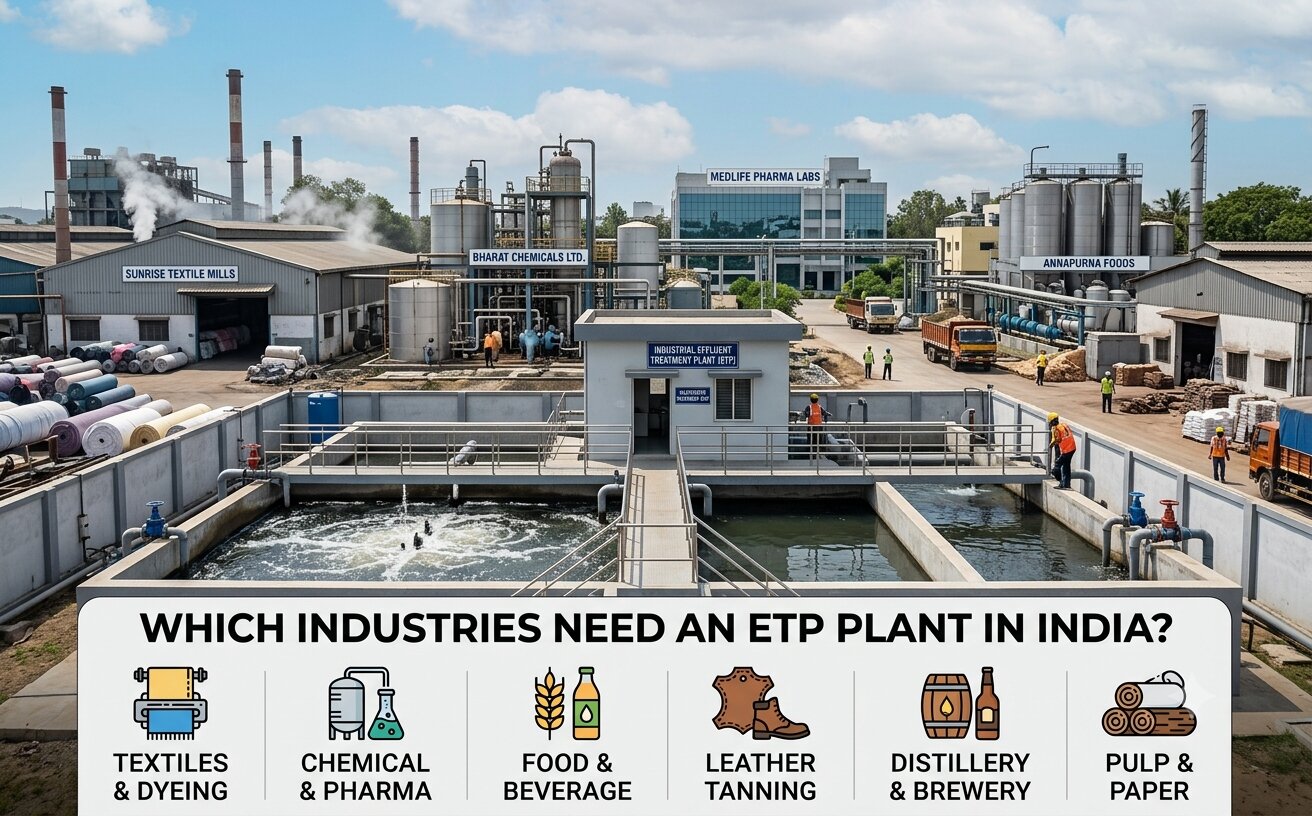
Which Industries need an ETP Plant in India?
17-09-2026
Our Clients














































Latest News
Which Industries need an ETP Plant in India? 17-09-2026
Industrial growth in India has hit sky-high across many verticals, including manufacturing, textiles, pharmaceuticals, chemic...
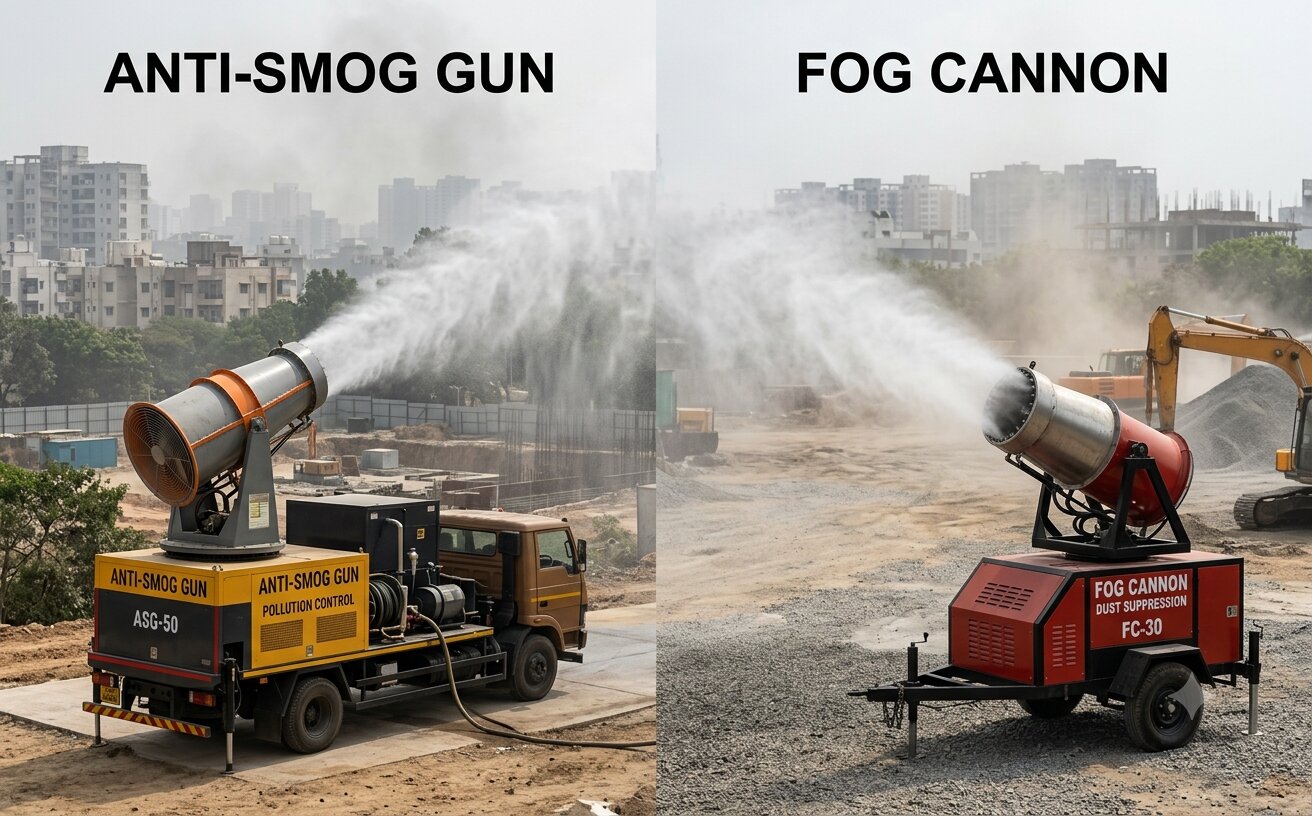
One of the most common issues Indian cities are facing is pollution. Pollution is very common in Delhi and the NCR area, wher...
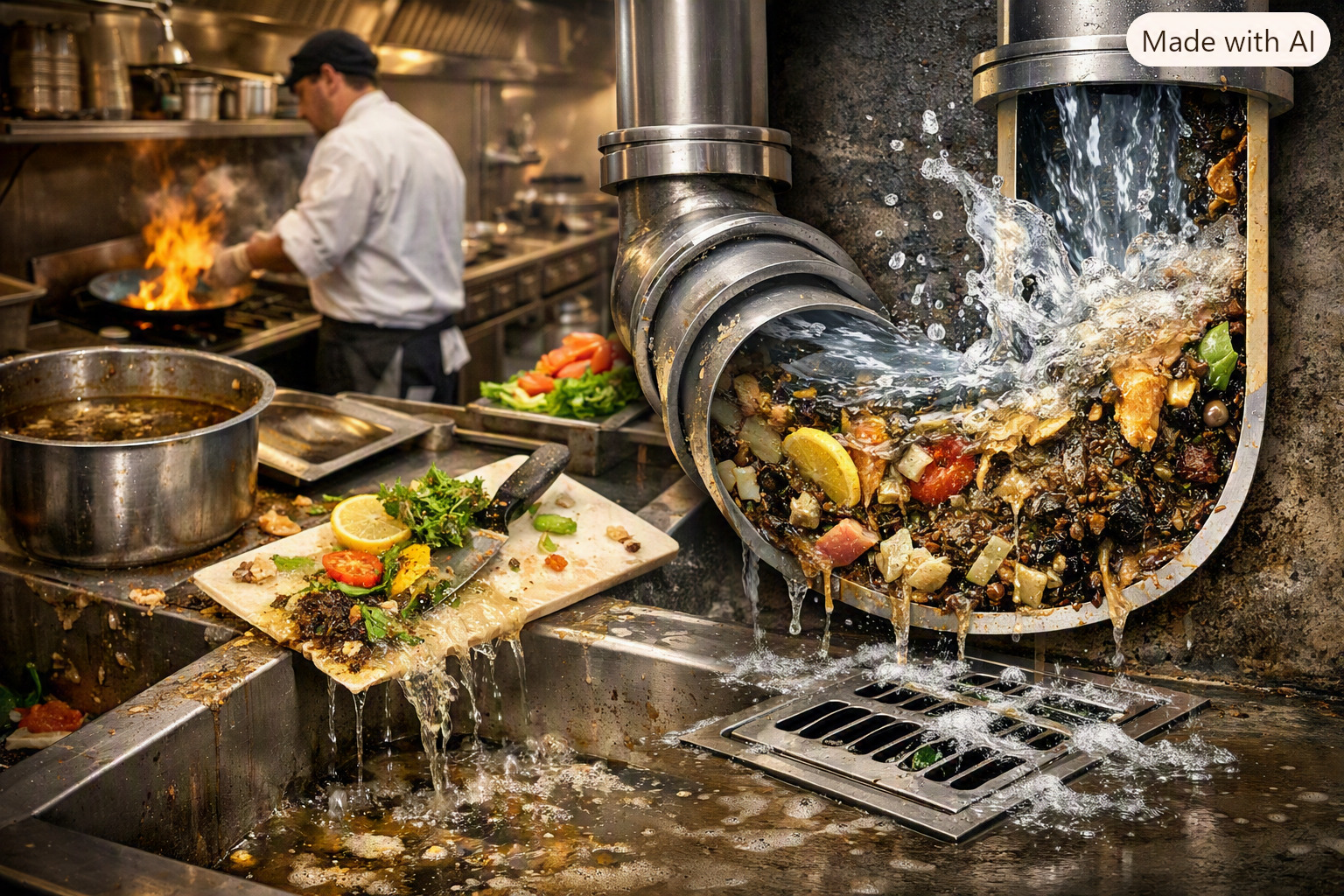
Commercial kitchens deal with large volumes of food, cooking oils, fats, food particles and wastewater daily. Hotels, food jo...
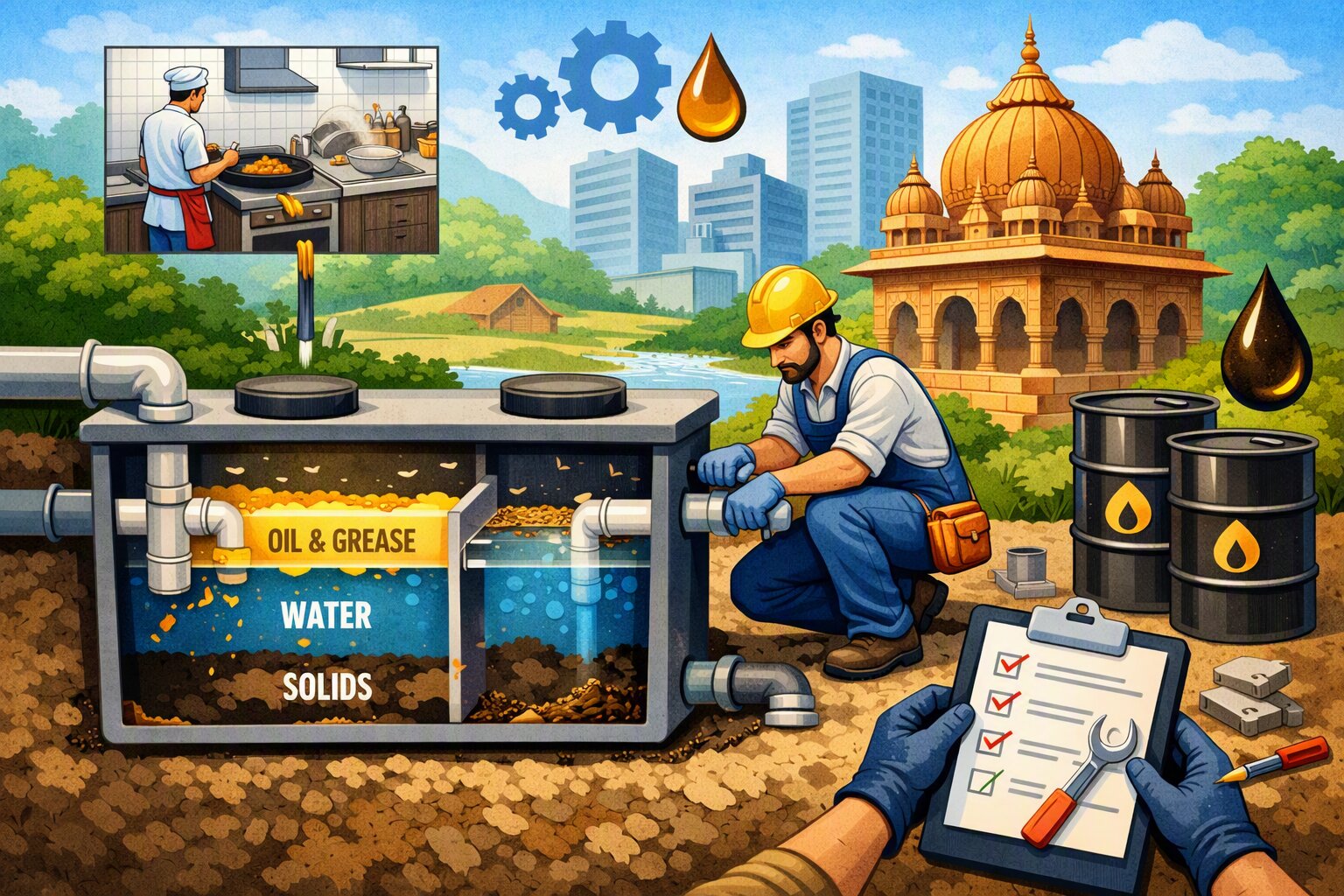
Complete Guide to Oil & Grease Traps in India: Types, Working, Installation & Maintenance 12-08-2026
Commercial kitchens, restaurants, healthcare facilities, canteens, food joints, and food processing units generate wastewater...
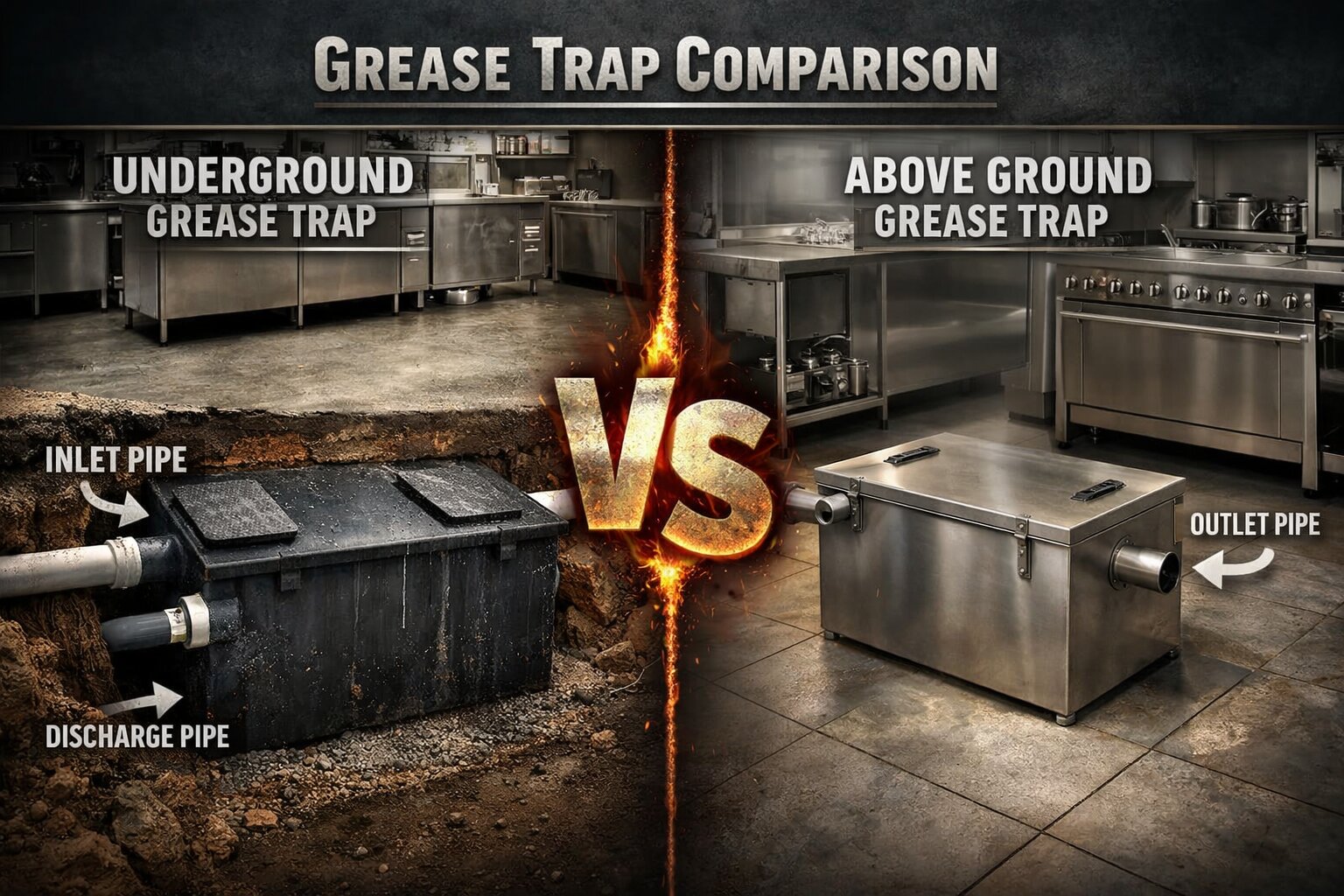
Underground v/s Above Ground Grease Trap 18-07-2026
Commercial kitchens in restaurants, hotels, food courts and other food facilities generate large quantities of FOG – fa...
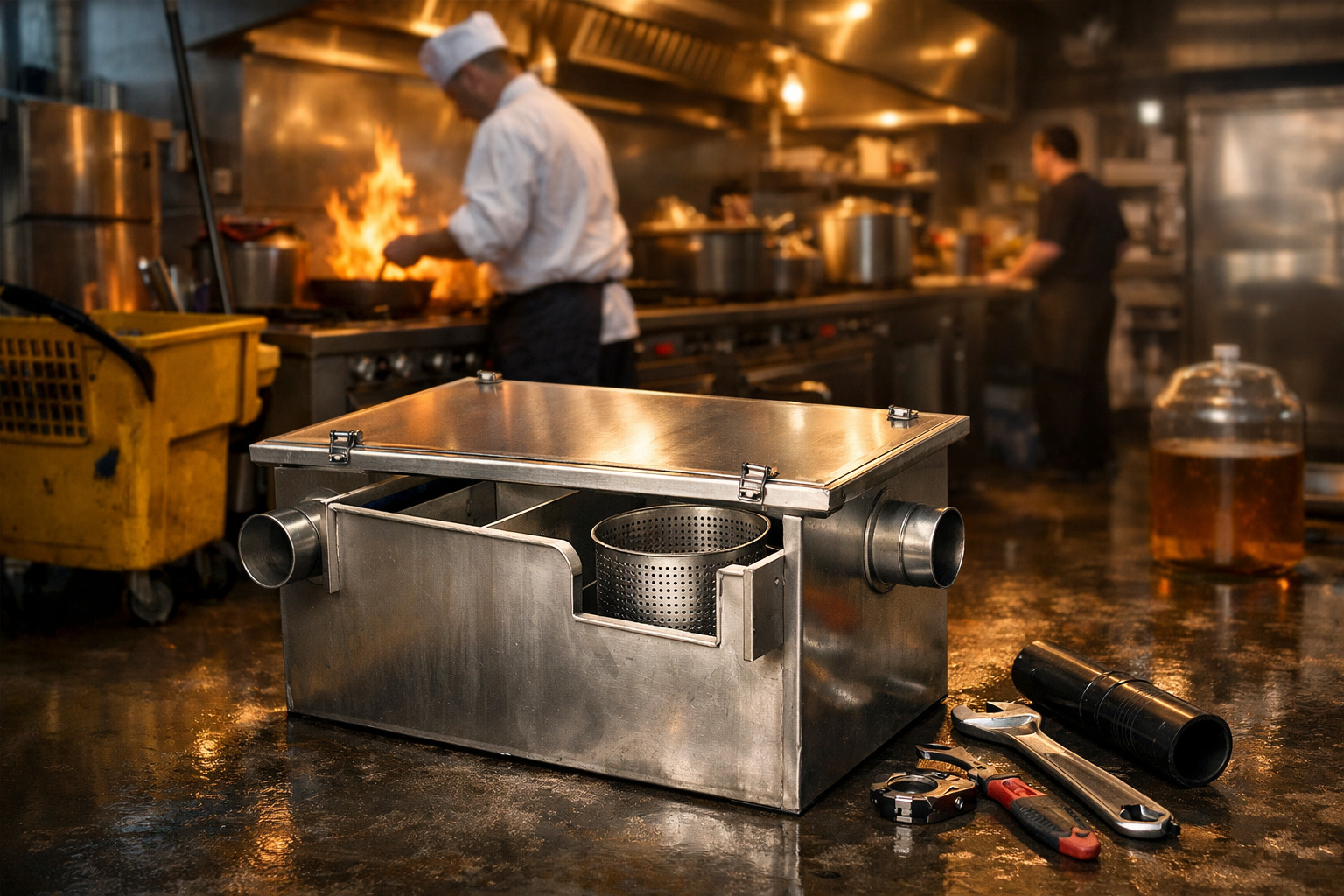
Restaurant Grease Trap Buying Guide 02-07-2026
If you are an owner of a restaurant, you must consider investing in a good grease separator. The best Grease Trap for a resta...
Upcoming Events