
How to obtain an EPR certificate for E-Waste?
EPR stands for Extended Producer’s Responsibility. EPR certificate for E-waste is compulsory for Indian Manufacturer/Importer of products for E-Waste Management. E-waste refers to the unwanted, defective or obsolete electrical and electronic equipment.
This includes everything from smart phones to laptops that have reached the end of their useful life. It is important to effective manage E-waste to minimize their impact on human health and environment.
What is the Benefit of EPR certificate for E-Waste in India?
- Promotion of product reuse: EPR manages to ease the process of disassembling the E-Waste for reuse and recycling.
- Ecological impact: EPR Certificate for E-Waste reduces the dependence on other waste disposal methods like burning or buying which is dangerous for human beings and environment.
- Sustainable development: EPR promotes the conservation of waste, eradicates pollution, contributing to sustainable development.
- Legal compliance: EPR authorization for E-Waste ensures compliance with government regulations and avoids penalties or legal consequences. By fulfilling EPR obligations, businesses maintain positive relationships with regulatory bodies.
- Enhanced brand image: EPR authorization showcases the commitment of the company to environmental stewardship and sustainability. This can boost brand image and attract eco-friendly conscious consumers, enabling the businesses stand out.
- Saves costs: EPR authorization help businesses to recycle waste products, reducing waste management costs. The businesses can implement efficient waste management practices, and optimize resource utilization, streamlining operations.
What is the registration process for obtaining EPR Certificate for E-Waste?
- Application process: The producers need to apply for registration on portal. Only online application is accepted and must be submitted through the designated portal.
- Validity: The registration is valid for 5 years from the date of issuance of EPR certificate. The producers must apply for renewal 120 days before the registration expires.
- Application requirements: To obtain registration certificate, producers must provide Pan card or Aadhar card for Identity and address proof, GST pan details, Company CIN, EPR plan, Importers IEC certificate, ROHS compliance, SPCB/PCC consent, DIC registration and MOU with e-waste recycling companies.
- Submit application: Complete EPR application form requirements online, available on website. Attach all the documents including e-waste management plan and MOUs with recyclers.
- Pay the required fees: Pay the application fee as prescribed by the Central Pollution Control Board. The fee varies depending on the type and volume of electronic products of business.
- Inspection and Issuance of Certificate: The CPCB may conduct inspection of facilities and review the e-waste management plan. Once application is reviewed and approved, the EPR certificate for E-Waste is issued.
Obtaining EPR certificate for E-waste management is not just a legal obligation but a step towards sustainable and responsible business practices.
also read: Registering for E-Waste EPR: A must-know for responsible businesses
FAQs
1. What is EPR certificate for E-waste management?
EPR certificate for E-Waste management is regulatory document mandating producers to ensure environmentally responsible, collection, recycling and disposal of E-Waste.
2. Why EPR certificate for E-Waste is important?
EPR certificate for E-Waste is important because it ensures producers take responsibility for ecological impact of their electronic products throughout their lifecycle.
3. Who is responsible for E-Waste management in India?
E-Waste management lies with producers, manufacturers, importers and sellers of electronic products.
-
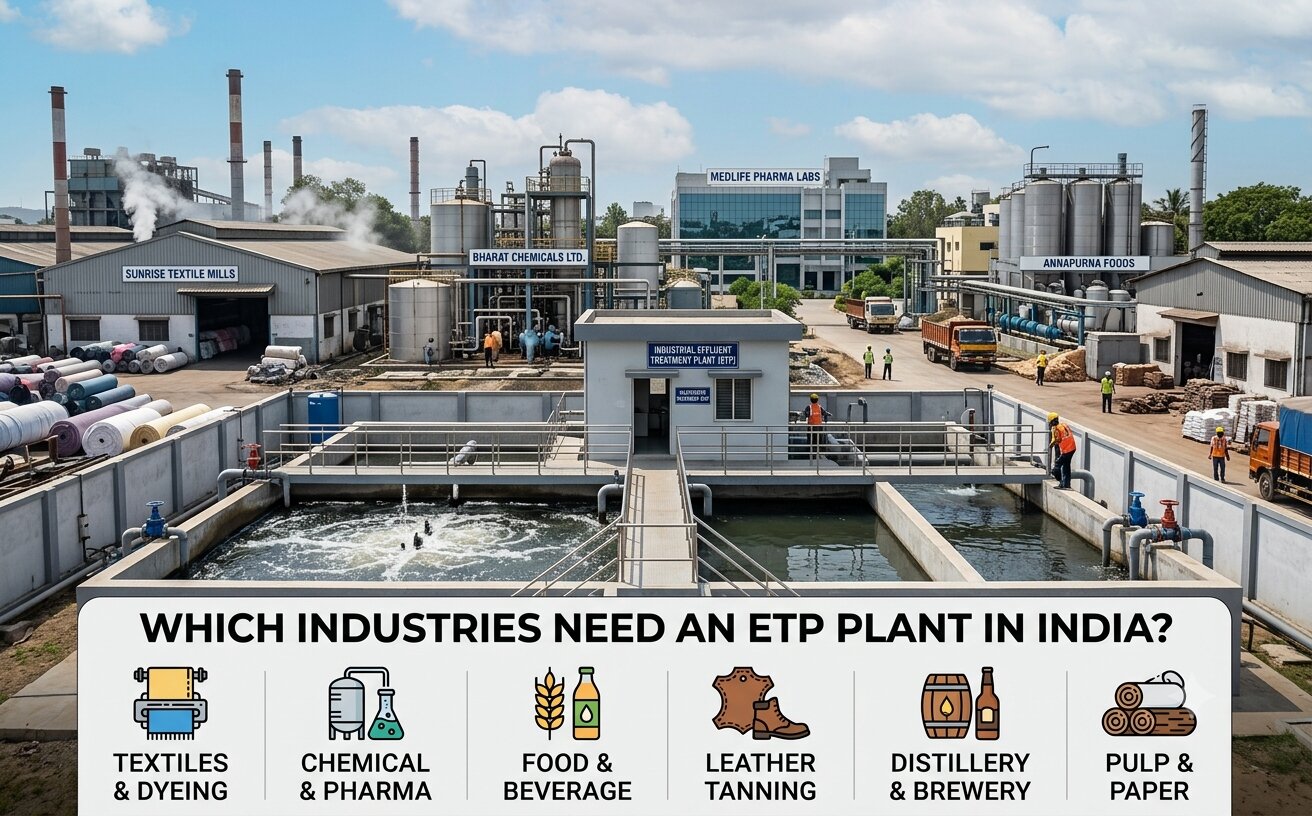
Which Industries need an ETP Plant in India?
17-09-2026
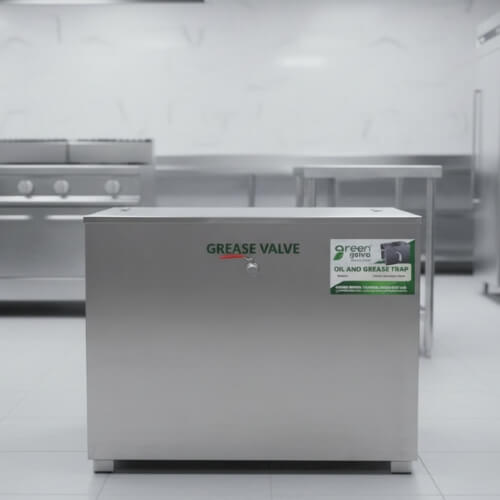
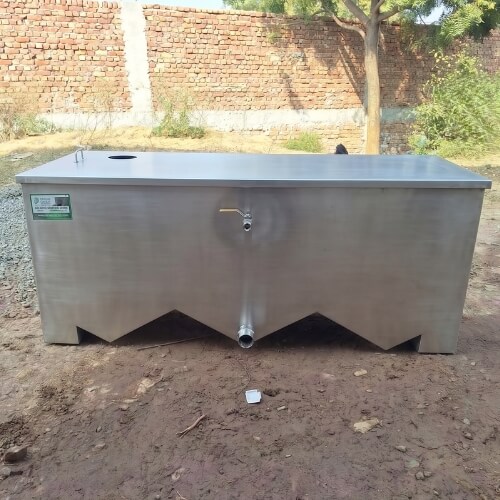
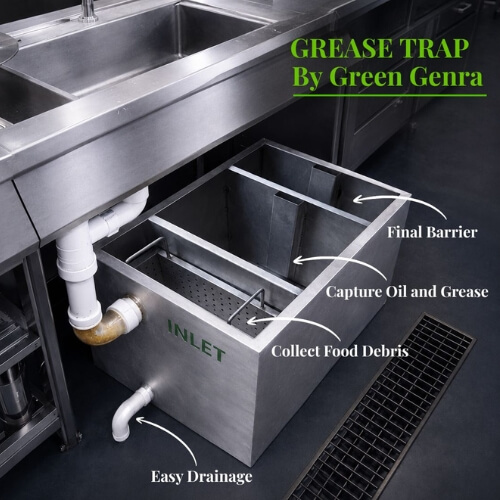
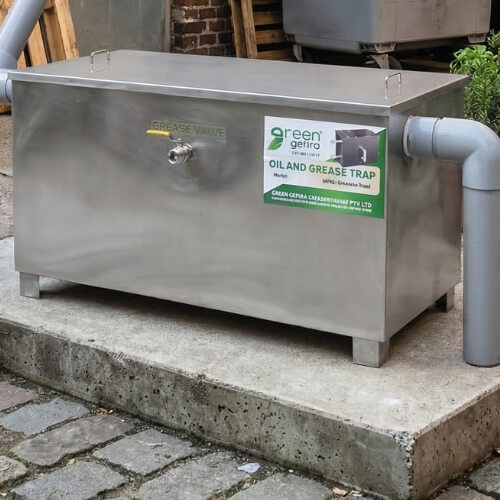
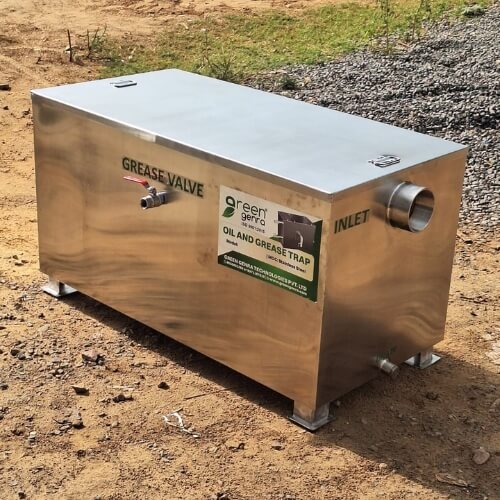

















































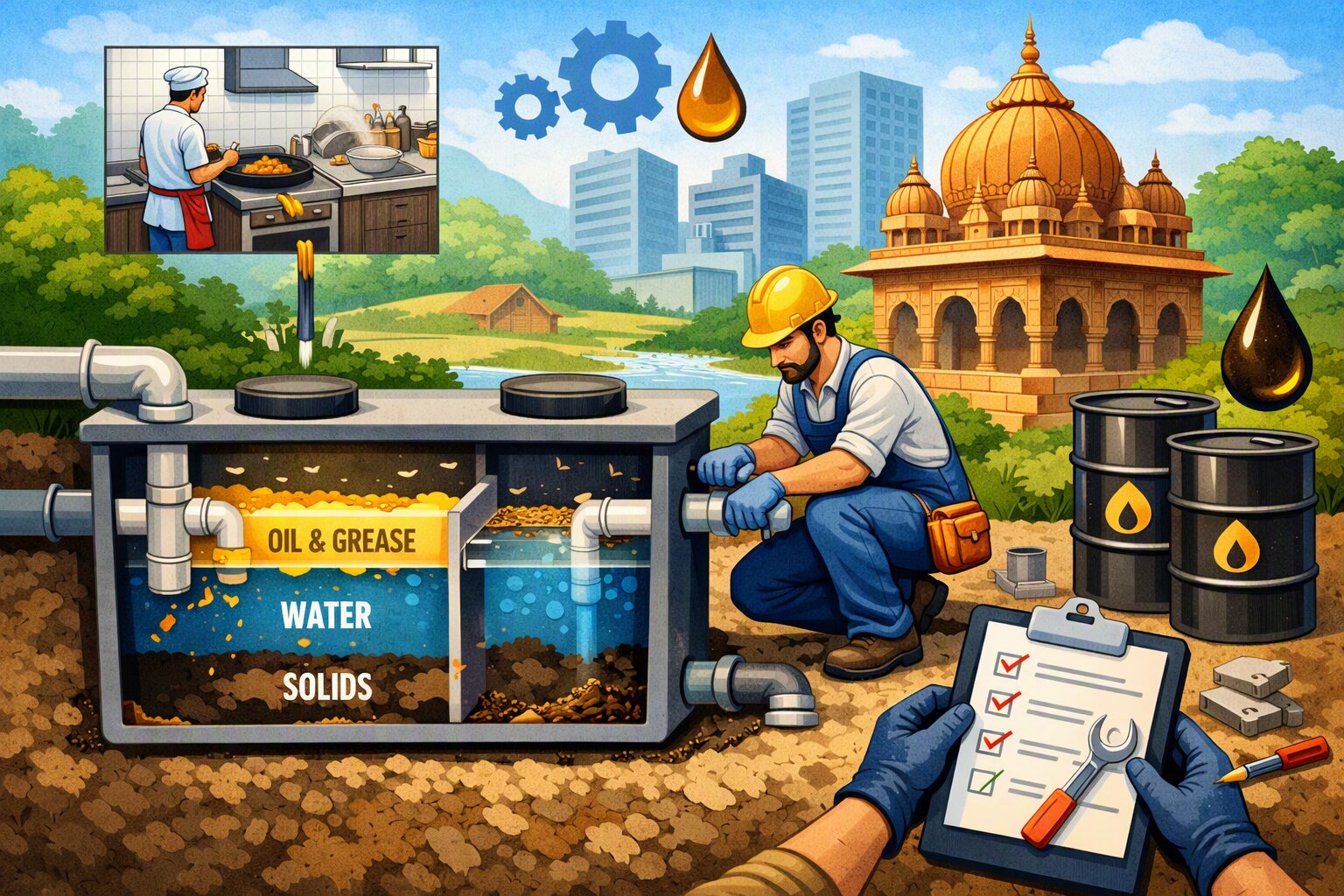
Choosing the right oil grease trap size for your restaurant is important for maintaining an efficient commercial kitchen, pre...
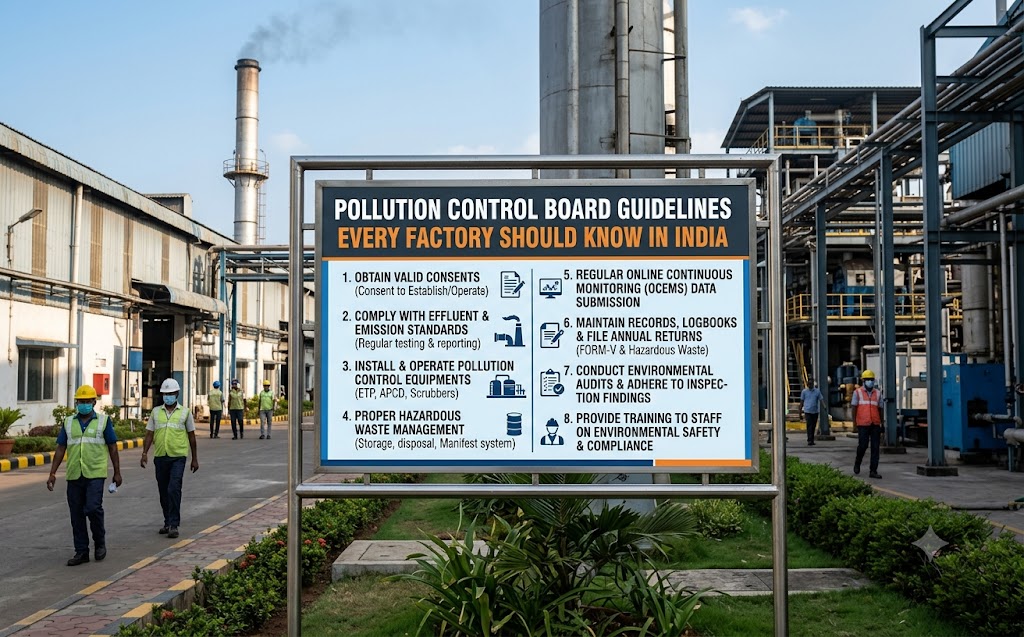
Factories in India operate under environmental regulations set by regulatory authorities to control pollution, protect natura...
Industrial growth in India has hit sky-high across many verticals, including manufacturing, textiles, pharmaceuticals, chemic...
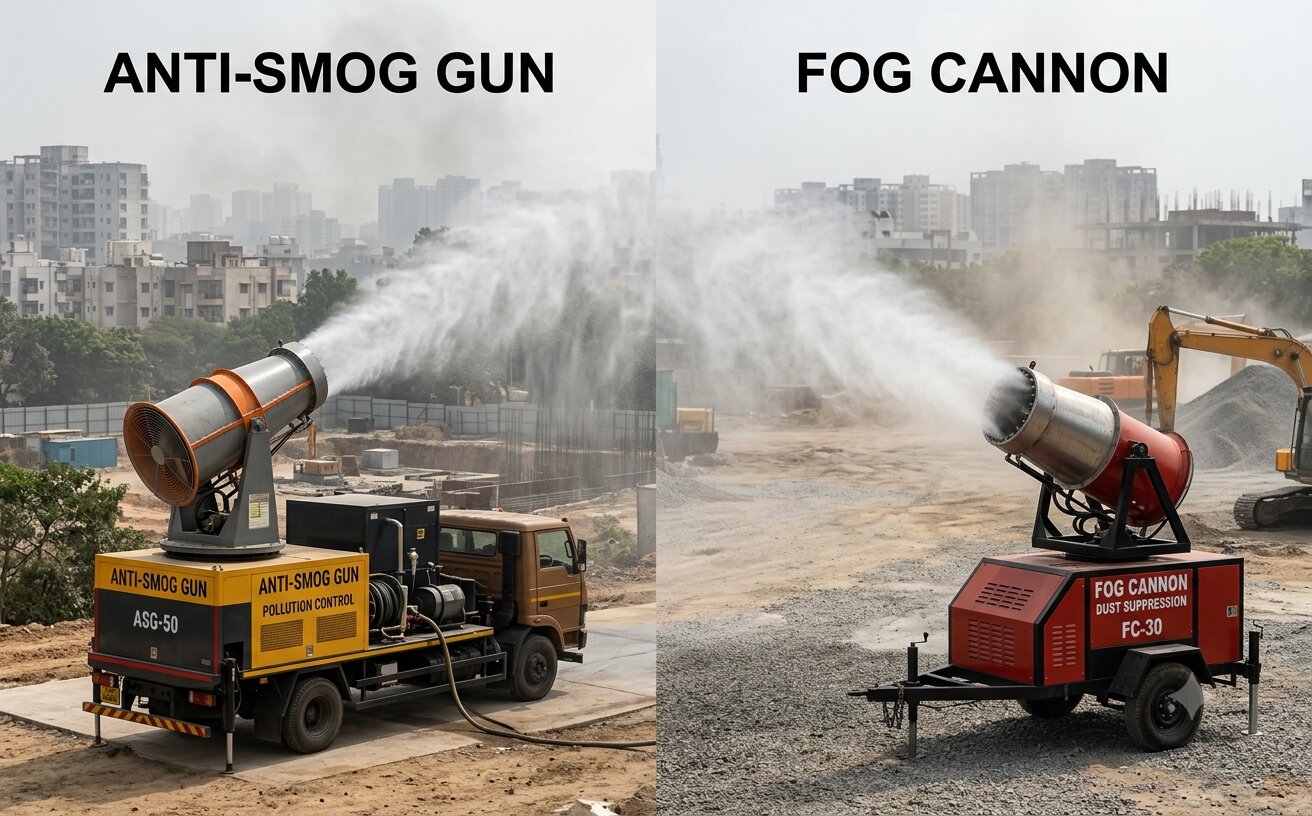
One of the most common issues Indian cities are facing is pollution. Pollution is very common in Delhi and the NCR area, wher...
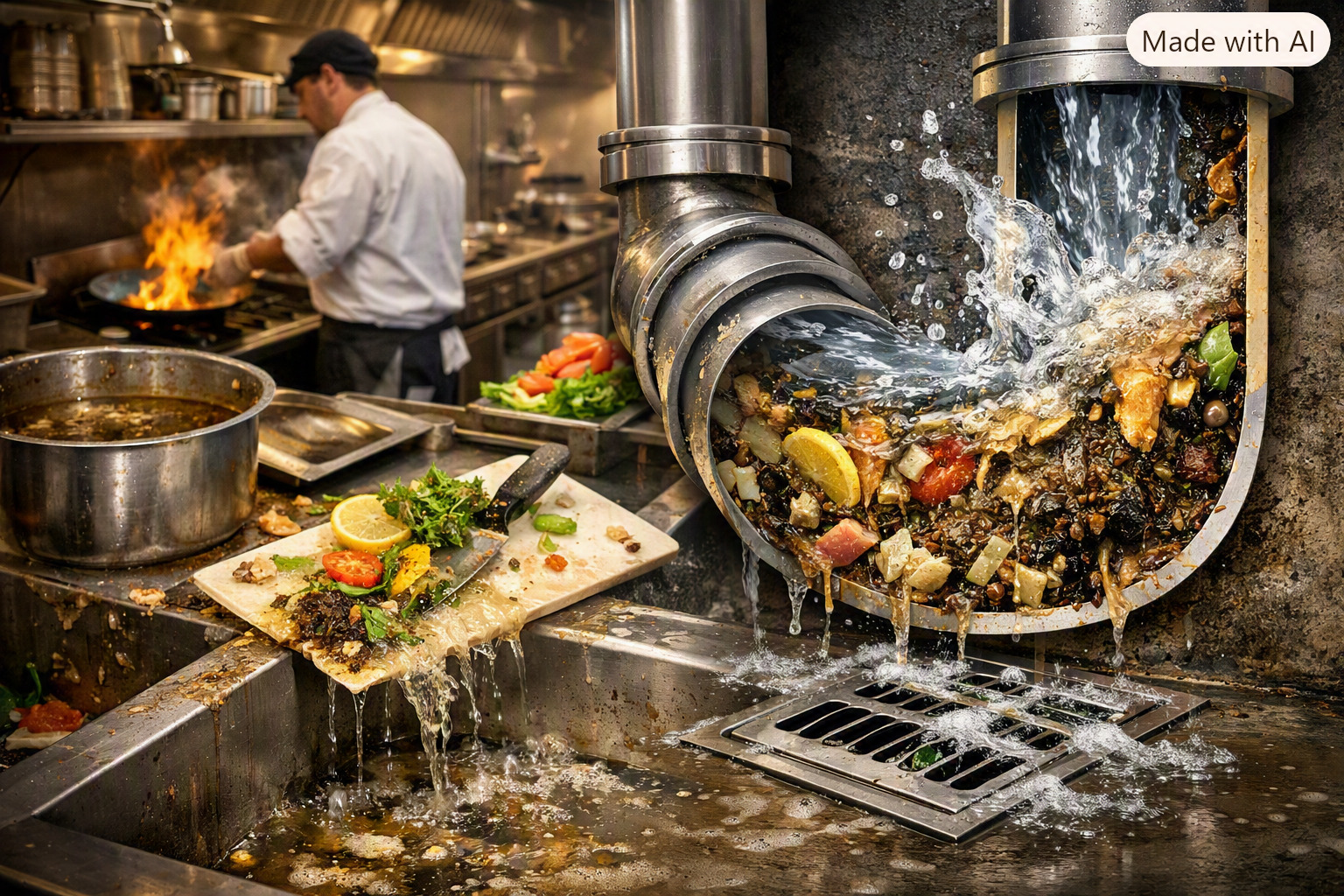
Commercial kitchens deal with large volumes of food, cooking oils, fats, food particles and wastewater daily. Hotels, food jo...
Commercial kitchens, restaurants, healthcare facilities, canteens, food joints, and food processing units generate wastewater...