
India International Water Week - Climate Resilient Water Management Event Description Although nearly 70% of the Earth&...

Know All About Biomedical Waste Certificate in India
Know All About Biomedical Waste Certificate in India
03-05-2024
Biomedical waste, also known as medical waste is a kind of waste containing infectious or potentially infectious materials from medical or biological sources. It is important to safely dispose biomedical waste to prevent the spread of infections, ensure environment safety and protect public health.
What is Bio-Medical Waste?
Bio-Medical Waste is defined as a medical waste that contains infectious or potentially infectious materials and other materials that pose the risk of injury.
Here are various types of biomedical waste-
- Sharps waste: These can cause cuts or puncture wounds and include needle, syringe, broken glass and scalpels.
- Pathological waste: The body parts removed during the surgery or human tissue, organs.
- Chemical waste: Solvents used for laboratory preparations, disinfectants, and heavy metals contained in medical devices.
- Pharmaceutical waste: Expired, unused, and contaminated drugs and vaccines.
- Cytotoxic waste: Waste including substances with genotoxic properties like drugs used in cancer treatment.
- Radioactive waste: Products contaminated with radionuclides including radiotherapy material.
- Infectious waste: Waste from infected patients that could be transmitted to others. It includes body fluids, and other biological waste.
It is important to manage and properly dispose biomedical waste to prevent the spread of infection, protect public health and environment.
Why is the Bio-medical waste Certificate Important?
The Bio-Medical Waste Certificate is important for many reasons that include-
- Helps ensure the safe disposal of bio-medical waste as per government rules and regulations.
- Reduce the disease transmission.
- Prevent environment contamination from the harmful substances found in biomedical waste and curb environment pollution.
- Trains the health care staff in best practices for waste segregation and handling.
- Enhances the credibility and trustworthiness of the health care facility in the eyes of patients, regulatory bodies and the community.
Who needs a Bio-Medical Certificate in India?
In India, any entity that generates, collects, receives, stores, transports, treats, disposes of or handles bio-medical waste in any form is required to have a Bio-medical certificate and include-
- Healthcare facilities: Clinics, hospitals, dental practices, veterinary hospitals and labs that produce any form of medical waste due to patient care and treatment.
- Research and Diagnostic labs: All the facilities that conduct research and diagnostics that generate biomedical waste, including medical testing laboratories and research centre.
- Blood banks and donation centers: Facility involved in the collection, storage and processing of blood and blood products.
- Nursing homes and medical care institutions: These facilities provide medical treatment and generate biomedical waste.
- Pharmaceutical manufacturers: Pharmaceuticals companies generate waste that includes discarded chemicals and medicines.
- Cosmetic treatment providers: All those entities providing treatments that include cosmetic surgery clinics and parlors generate biomedical waste need the certificate.
- Veterinary services: Facilities that provide care and perform treatment or surgeries on animals, produce waste need the certificate.
Process to Get Biomedical Waste Certificate
To obtain a Bio-medical waste Certificate it is important to follow certain steps that include-
- Apply for certificate to local state pollution control board or Pollution Control Committee.
- Attend the training program by the authorized agency.
- Pass the exam and get the certificate.
- Renew the certificate every five years.
Benefits of having the Biomedical Waste Certificate
Obtaining bio-medical waste certificate in India provides several benefits to health care facilities and other entities that handle the bio-medical waste and include
- Compliance with legal requirements.
- Enhanced public health and safety.
- Reduce health and environment risks.
- Improved bio-medical waste management.
- Validation of skills and knowledge.
- Improves the reputation and credibility of the facility.
- Ensures safety of employees.
- Helps identify, manage, and mitigate risks pertaining with the handling of bio-medical waste.
- Foster better community relations.
Conclusion
Bio-medical waste certificate ensures regulatory compliance, protect public health and enhance environmental safety while also improving the reputation of the facility. The process of obtaining Bio-medical waste certificate requires careful planning and adherence to the regulations and protocols. It is imperative to consult a professional service provider who is expert in environmental laws who will help you navigate the process smoothly.
Share with:
Latest News
-
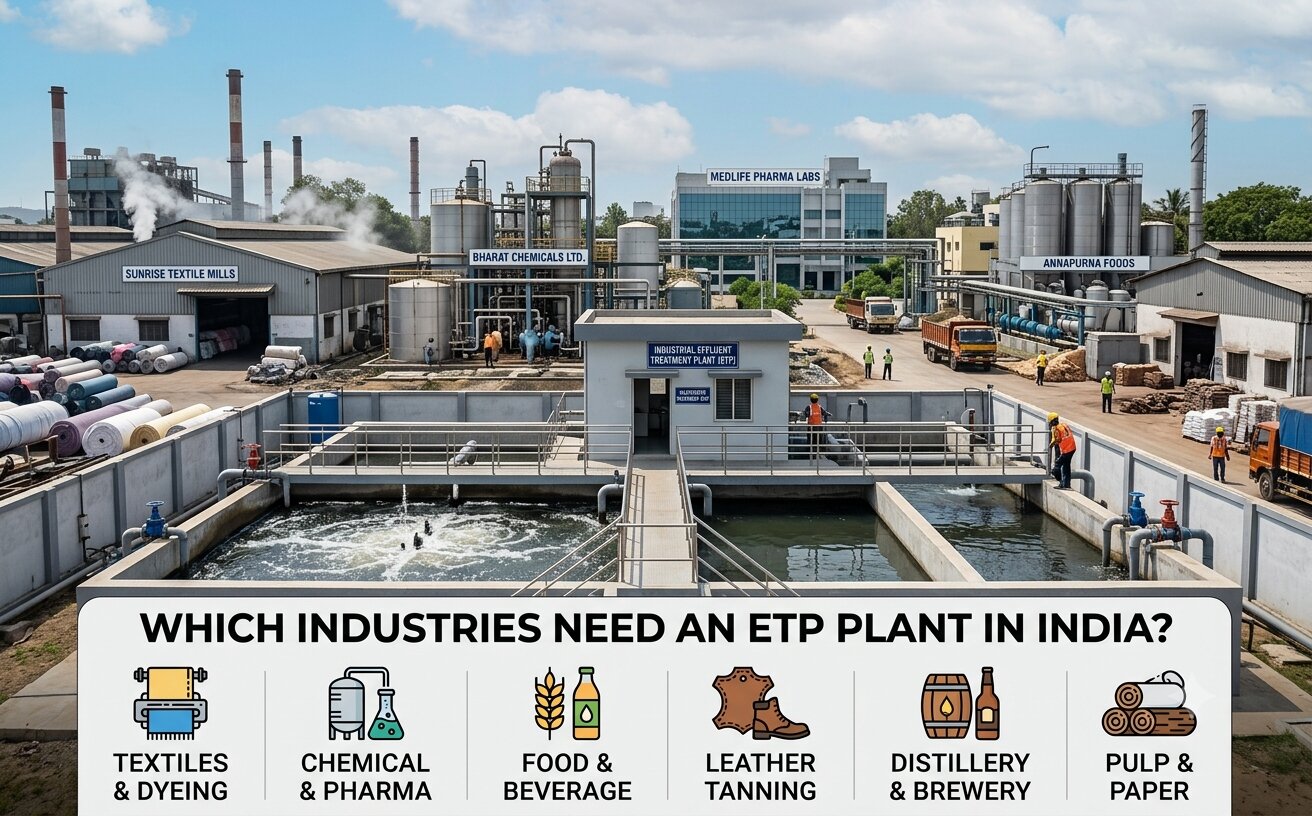
Which Industries need an ETP Plant in India?
17-09-2026
Our Clients









































Latest News
Which Industries need an ETP Plant in India? 17-09-2026
Industrial growth in India has hit sky-high across many verticals, including manufacturing, textiles, pharmaceuticals, chemic...
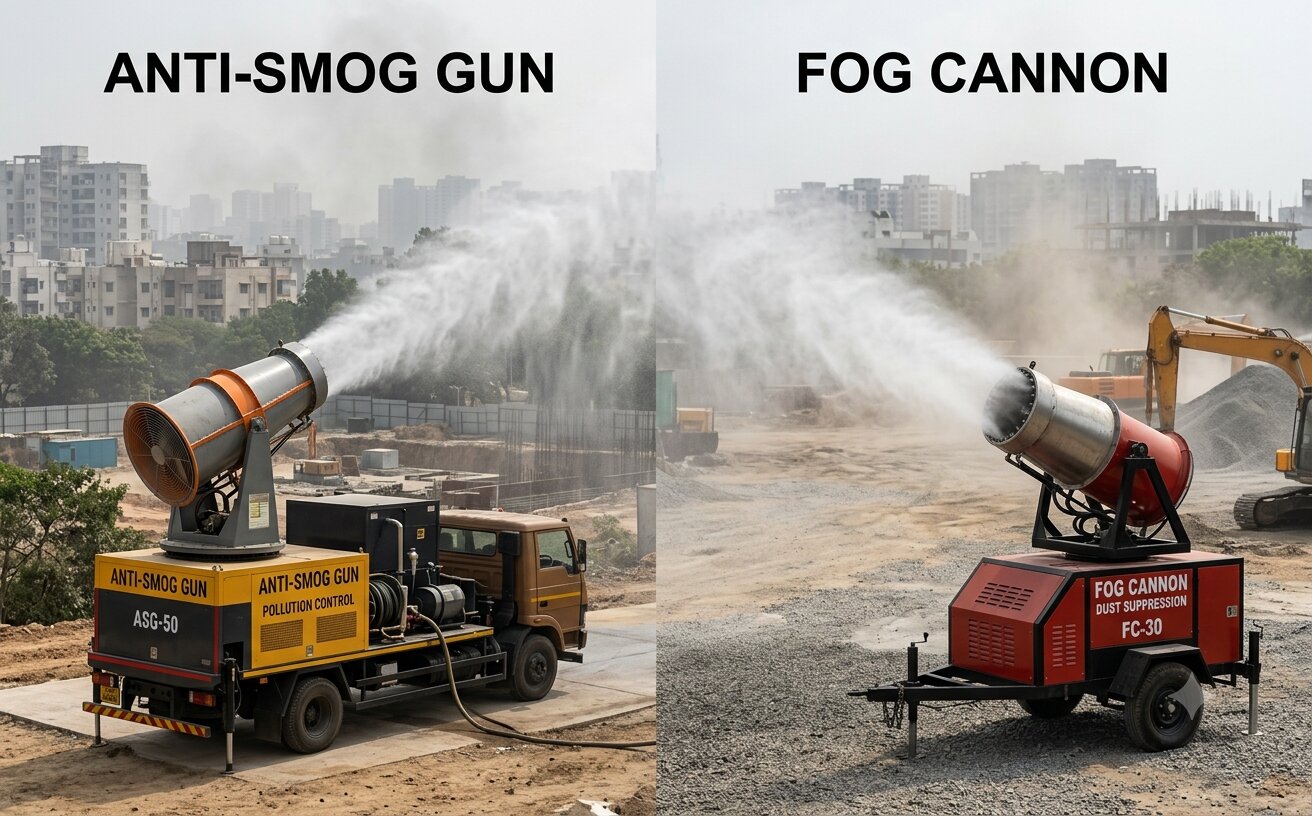
One of the most common issues Indian cities are facing is pollution. Pollution is very common in Delhi and the NCR area, wher...
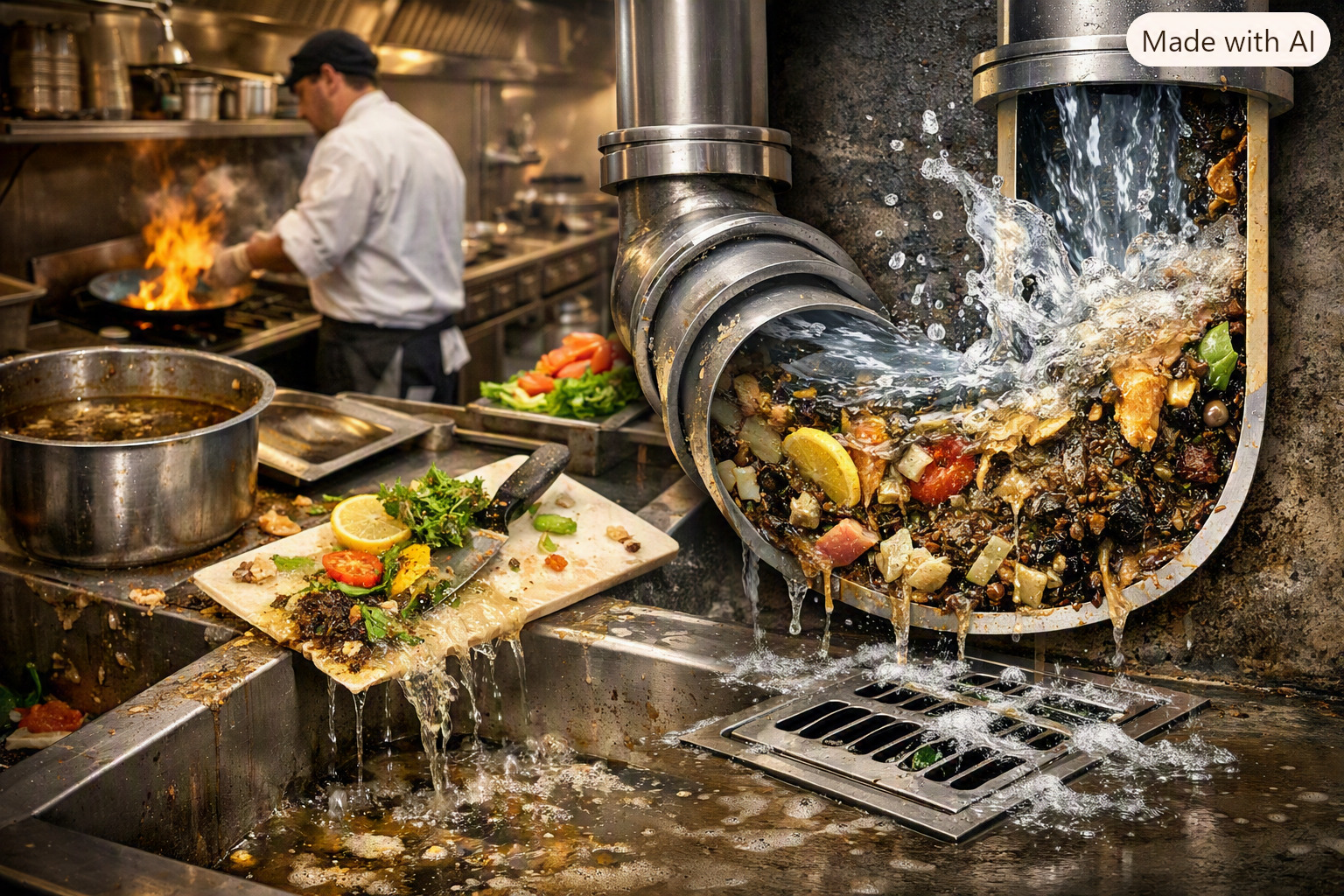
Commercial kitchens deal with large volumes of food, cooking oils, fats, food particles and wastewater daily. Hotels, food jo...
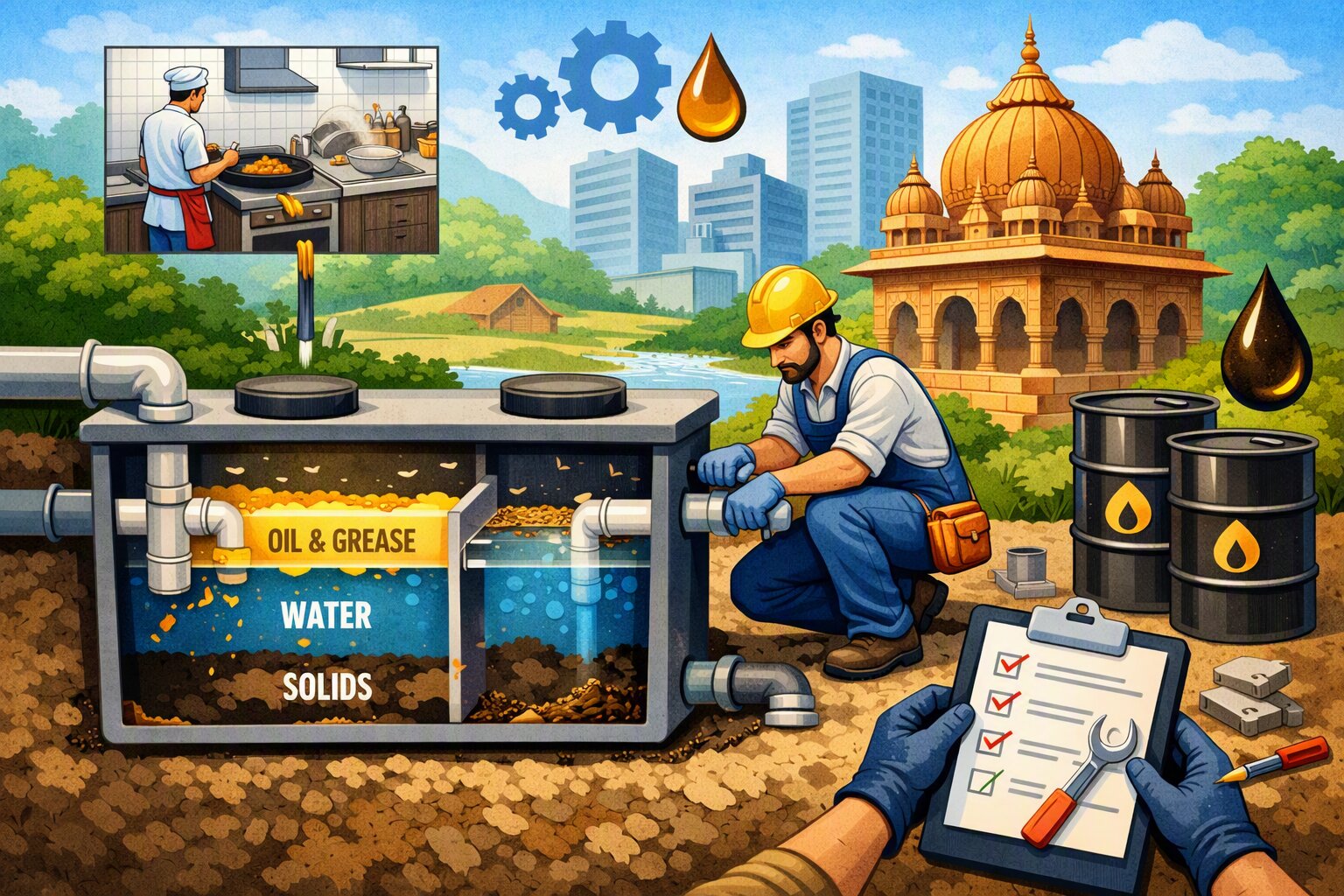
Complete Guide to Oil & Grease Traps in India: Types, Working, Installation & Maintenance 12-08-2026
Commercial kitchens, restaurants, healthcare facilities, canteens, food joints, and food processing units generate wastewater...
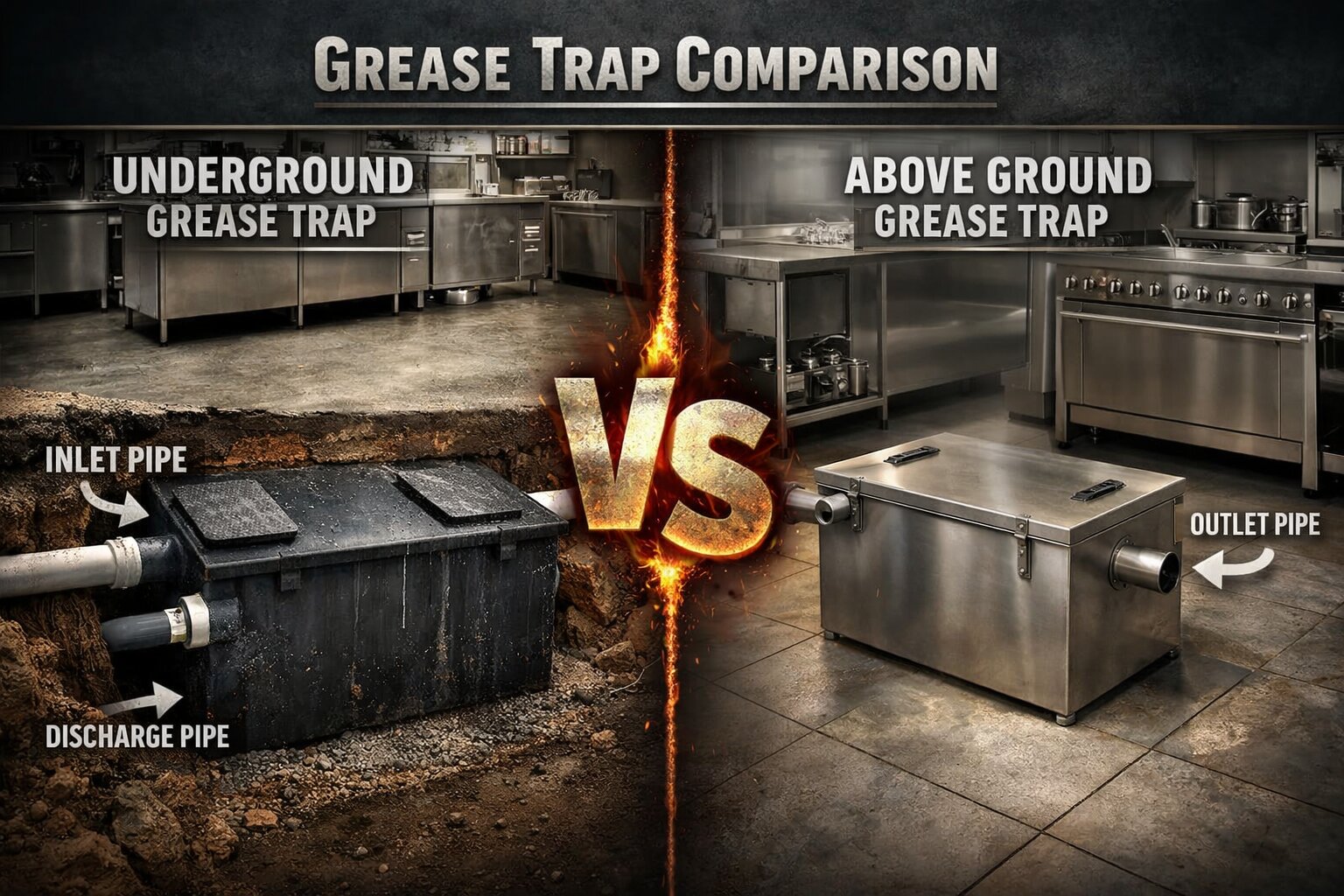
Underground v/s Above Ground Grease Trap 18-07-2026
Commercial kitchens in restaurants, hotels, food courts and other food facilities generate large quantities of FOG – fa...
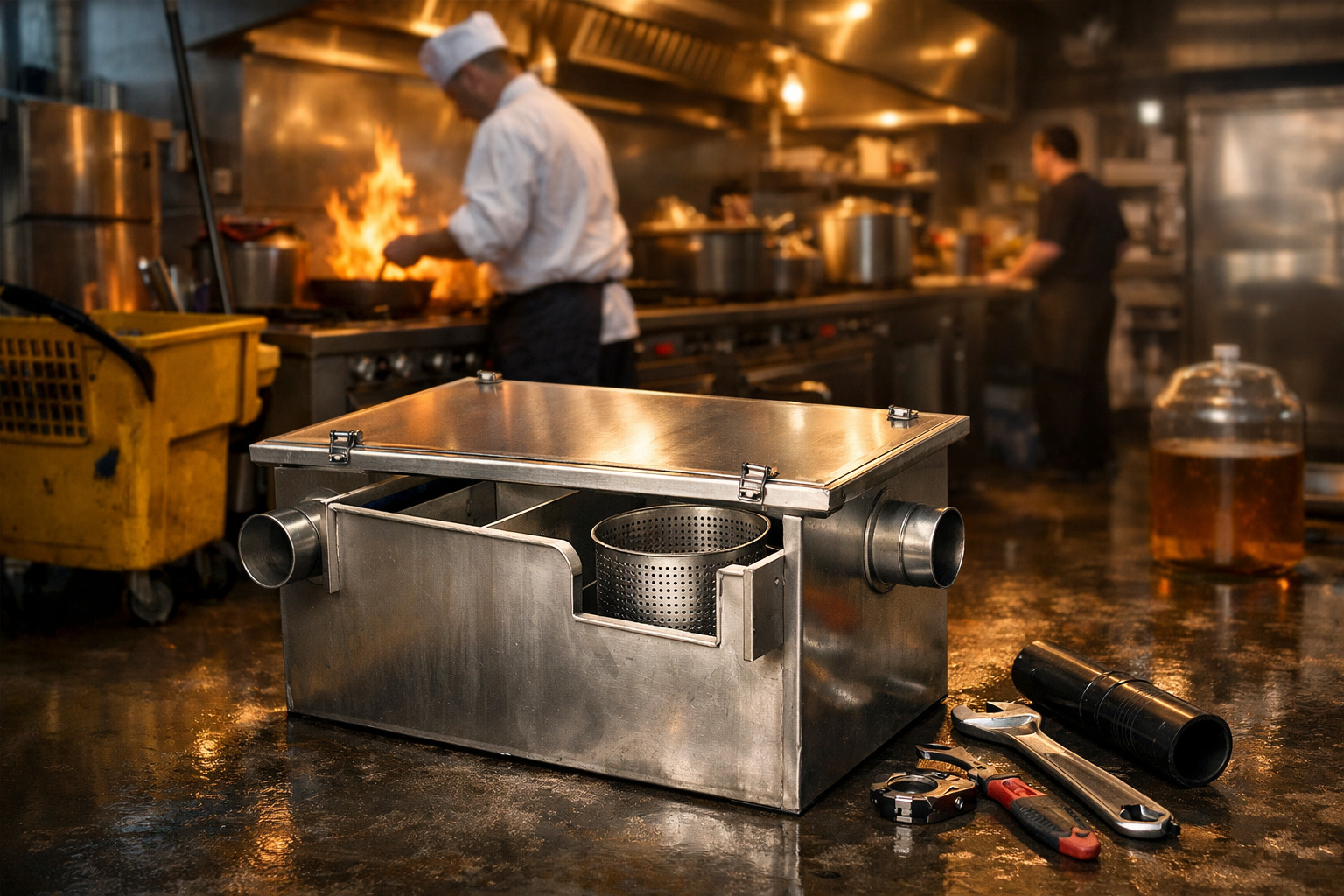
Restaurant Grease Trap Buying Guide 02-07-2026
If you are an owner of a restaurant, you must consider investing in a good grease separator. The best Grease Trap for a resta...
Upcoming Events