
Take action for greener future – Register for E-Waste EPR
In India, EPR Registration for E-Waste is mandatory requirement enforced by the Central Pollution Control Board under the Ministry of Environment, Forest and Climate change.
The registration obliges producers, importers and manufacturers of electronic goods to take the responsibility for the disposal of end-life products. The EPR policy aims to minimize e-waste by ensuring that electronic products are collected, recycled and disposed of in an environmentally friendly manner.
Entities must submit a detailed EPR plan which includes target for e-waste collection and recycling processes. Compliance with these regulations helps reduce environmental impact of e-waste and promotes the recycling of valuable materials.
What are E-Waste and EPR?
E-Waste encompasses discarded electronic devices, ranging from mobile phones to refrigerators. These electronic gadgets contribute significantly to global waste, leading to environmental degradation and health issues because of toxic components like lead and mercury. EPR programs are designed to shift the responsibility of post consumer waste management from municipalities and consumers back to manufacturers, incentivizing them to design products that are easier to recycle and less harmful to environment.
What is the importance of E-Waste EPR?
EPR Registration for E-Waste has many benefits. Firstly it encourages recycling of valuable materials like gold, silver and copper minimizing the need for virgin material mining that is often destructive to ecosystems.
It also ensures safe and efficient disposal of harmful substances, preventing them from contamination of soil and water sources. EPR programs not only protect natural resources but also promote public health and safety.
What are the benefits of E-Waste EPR?
- EPR motivates companies to innovate by designing products that are easier to recycle and maintain and have a longer life span. This minimizes environmental impact and also lowers production costs over time through the efficient use of materials. The EPR waste management boosts the demand for recycling and waste management services stimulating the development of new businesses in the recycling sector and enhancing growth of green technology industries, leading to job creation.
- Proper waste management under EPR helps minimize pollution and its adverse effects on health. With EPR registration one can ensure the hazardous materials are safely disposed contributing to a healthier environment that is important for public well-being. The EPR policies help educate producers and consumers about environmental impacts of their production and consumption habits. Increased awareness can lead to more susceptible behaviors and greater community involvement in environmental protection.
- Companies participating in EPR programs can boost their brand image and gain competitive edge. Consumers are increasingly looking to support environmentally responsible companies and EPR registration can be strong part of company’s sustainability credentials. The registration also helps companies comply with the national and international environmental regulations. The compliance reduces risk of legal penalties and the costs related with non-compliance like fines and damaged image.
EPR registration offers a holistic approach to managing the environmental, economic, and social impacts of product lifecycle. By embracing EPR, companies not only comply with regulations but also contribute positively to sustainability.
FAQs
1. What is EPR registration for E-waste?
EPR registration for e-waste in India is a regulatory requirement that mandates producers of electronic goods to manage the disposal of their products in an eco-friendly and responsible manner.
2. Who needs to register mandatorily for EPR E-waste?
In India, producers, manufacturers, and importers of electronic and electrical equipment must mandatorily register for EPR e-waste management.
-
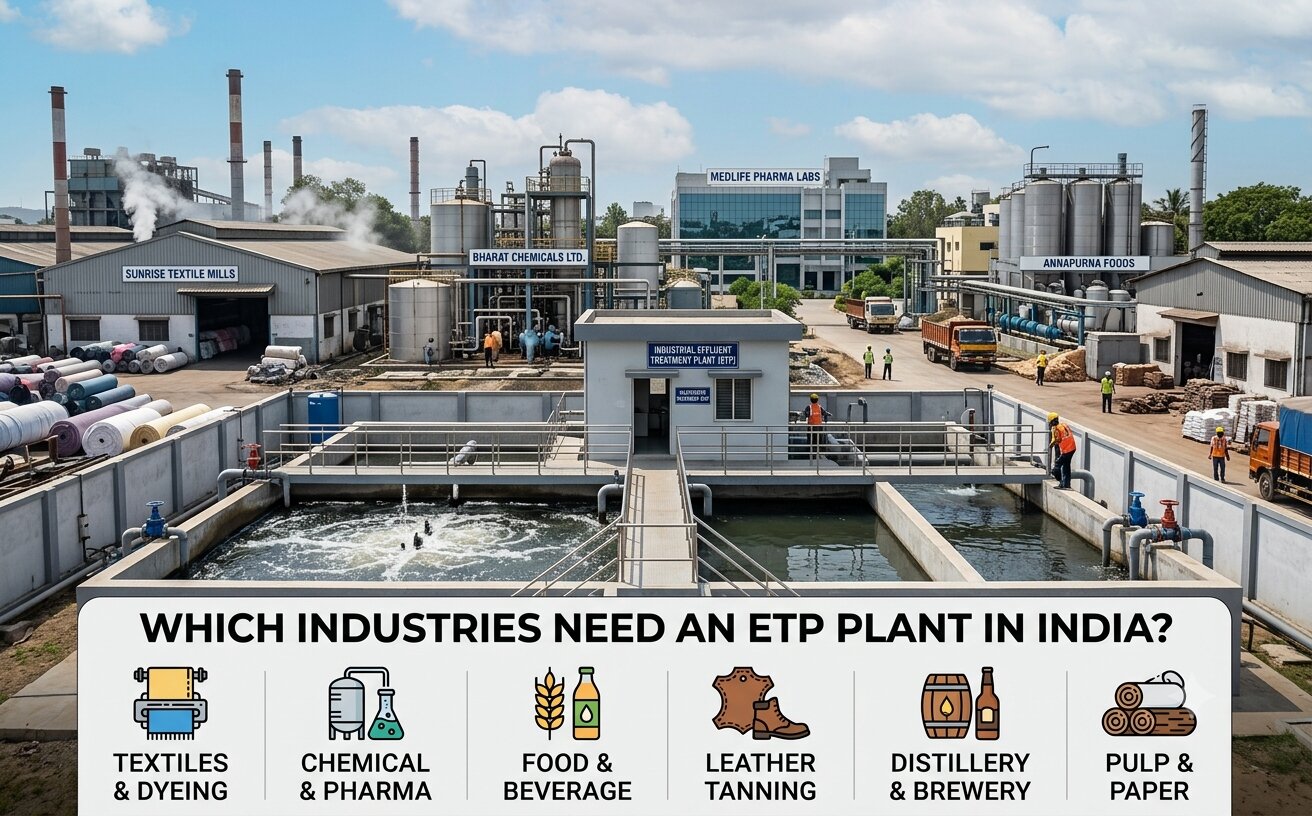
Which Industries need an ETP Plant in India?
17-09-2026
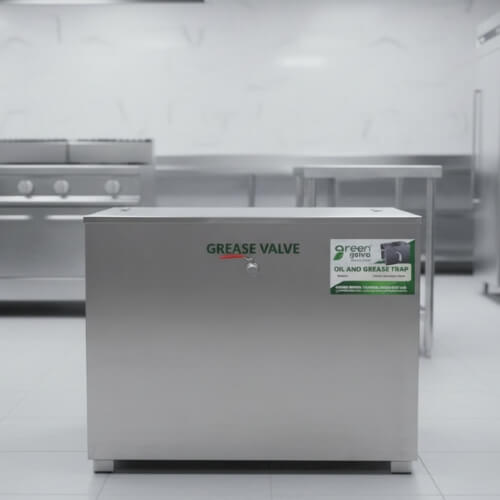
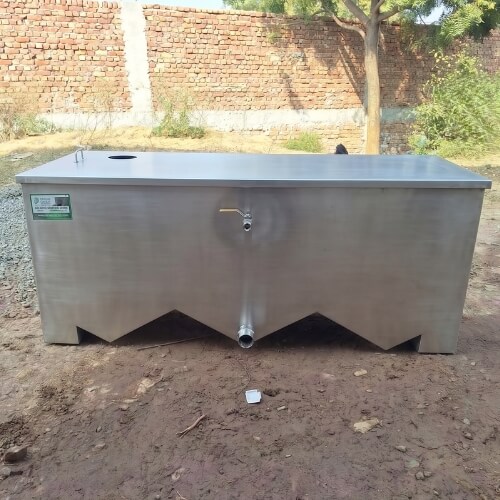
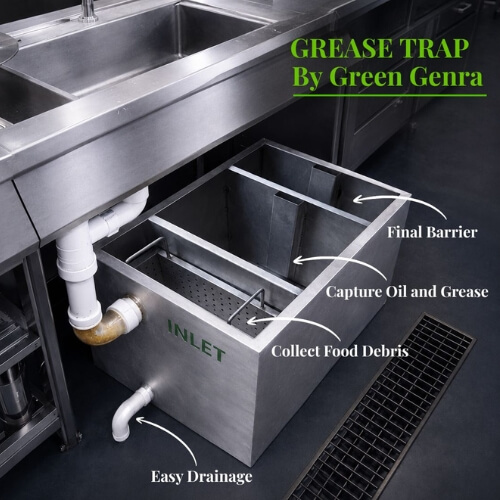
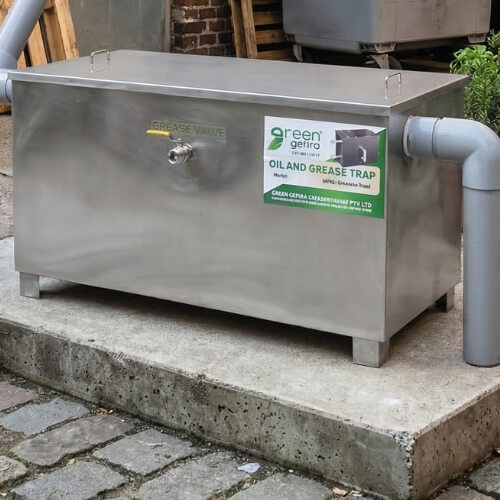
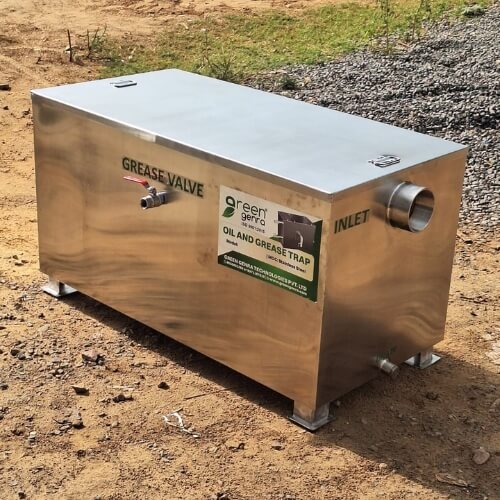

















































Choosing the right oil grease trap size for your restaurant is important for maintaining an efficient commercial kitchen, pre...
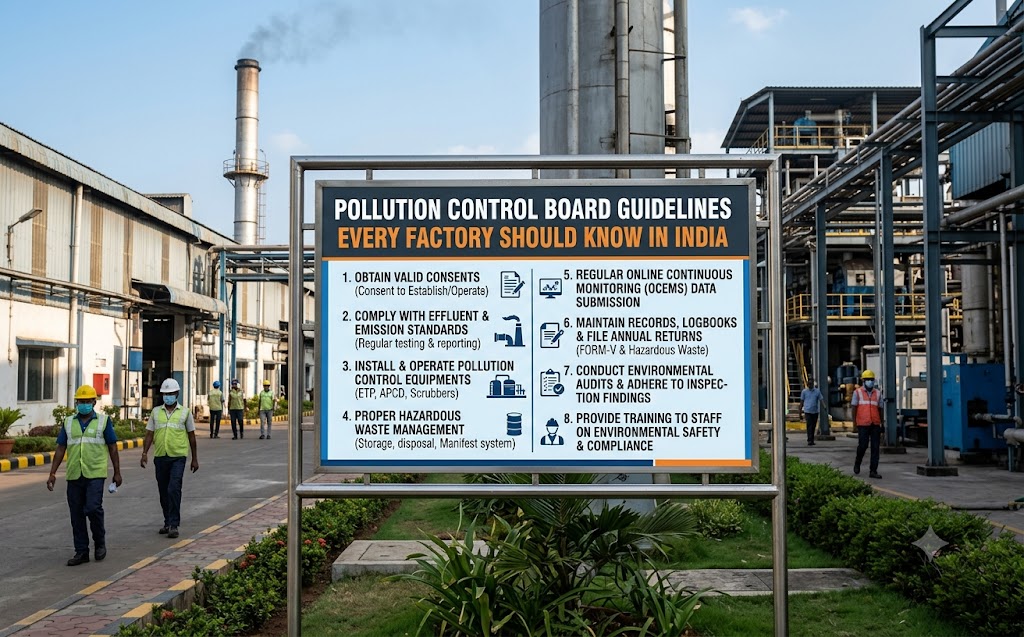
Factories in India operate under environmental regulations set by regulatory authorities to control pollution, protect natura...
Industrial growth in India has hit sky-high across many verticals, including manufacturing, textiles, pharmaceuticals, chemic...
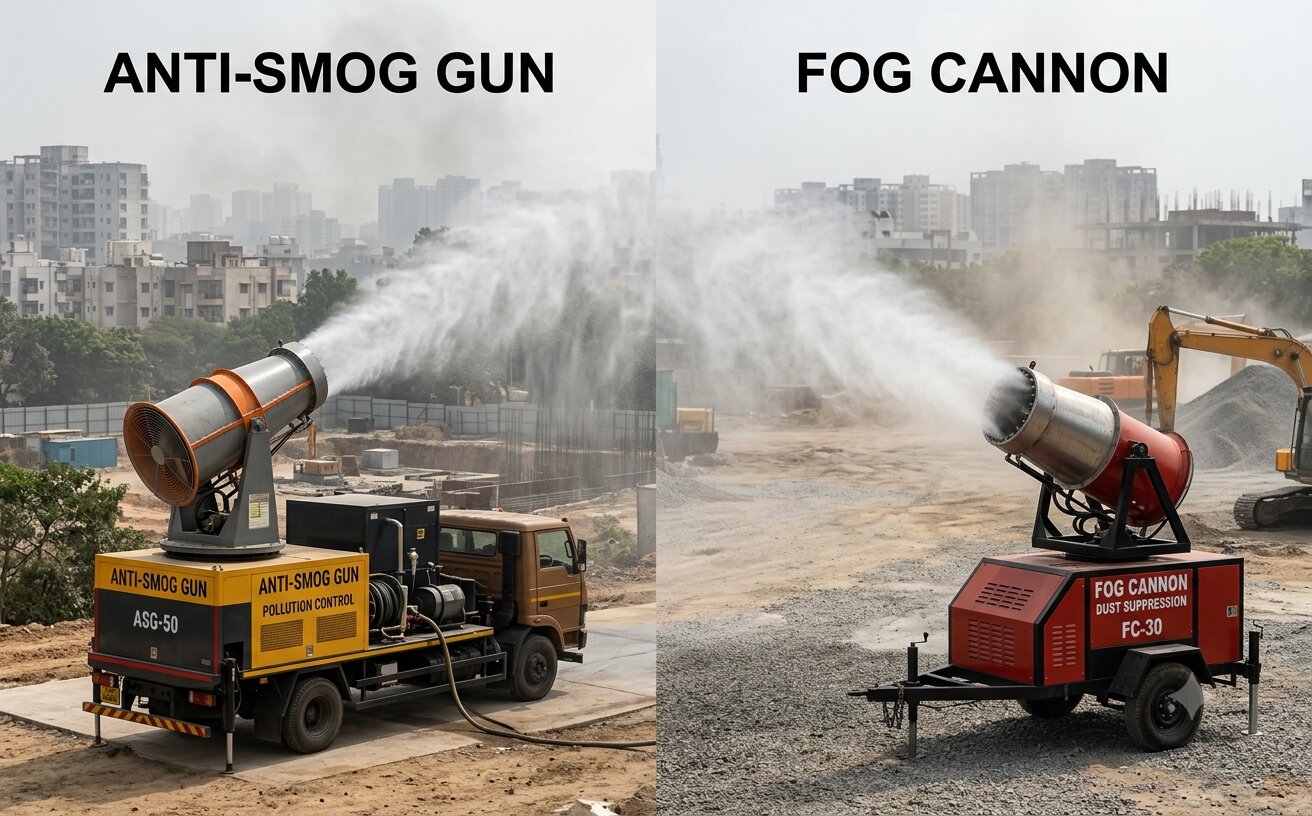
One of the most common issues Indian cities are facing is pollution. Pollution is very common in Delhi and the NCR area, wher...
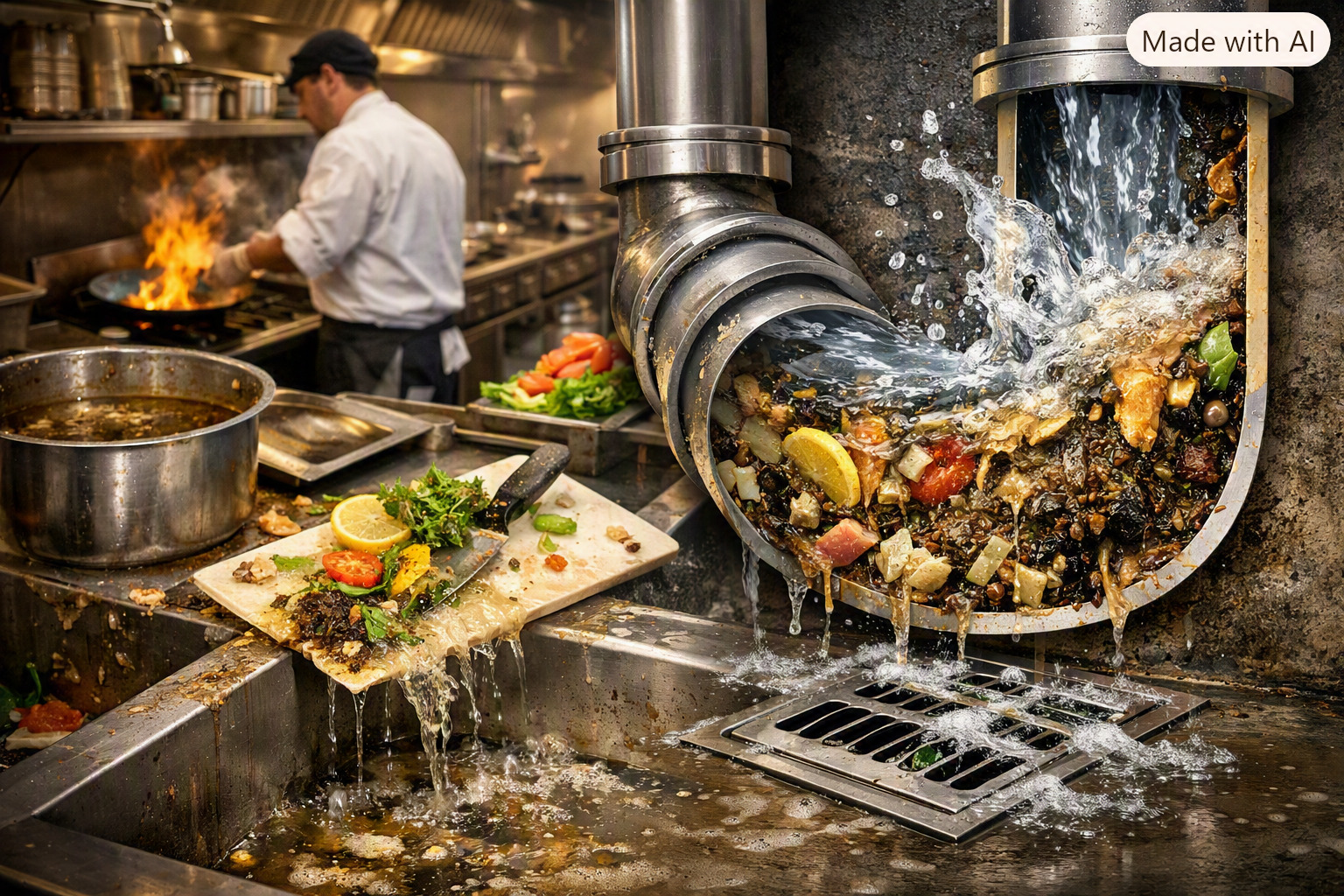
Commercial kitchens deal with large volumes of food, cooking oils, fats, food particles and wastewater daily. Hotels, food jo...
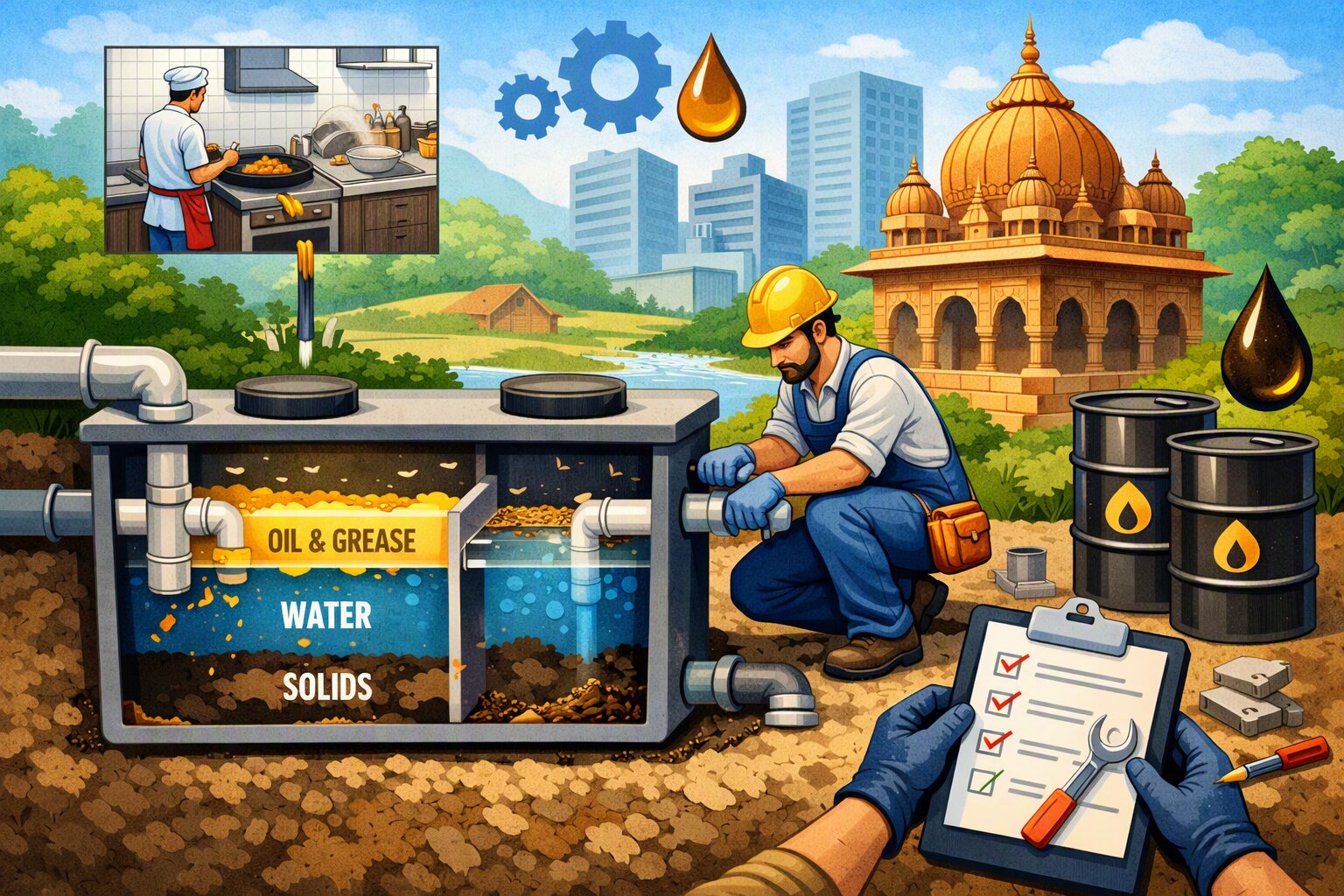
Commercial kitchens, restaurants, healthcare facilities, canteens, food joints, and food processing units generate wastewater...