
Under-Sink V/s Outdoor Commercial Grease Traps: Pros and Cons
Commercial Kitchens, those in hotels, food courts, and restaurants, generate a high volume of Fats, Oils and Grease (FOG).
The FOG has to be managed properly; else it will clog pipes, cause a pungent smell and lead to costly fines from the local authorities. Here comes the role of the commercial grease trap.
What are Commercial Grease Trap Systems?
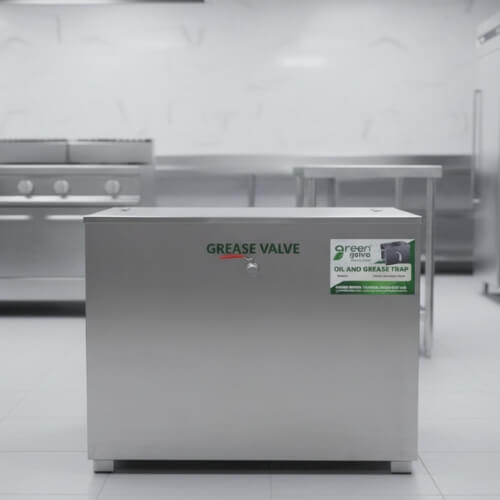
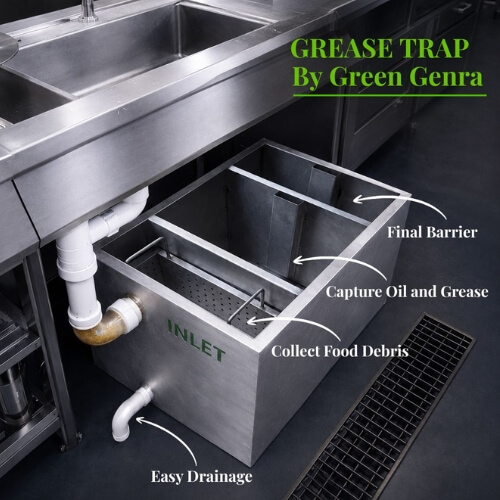
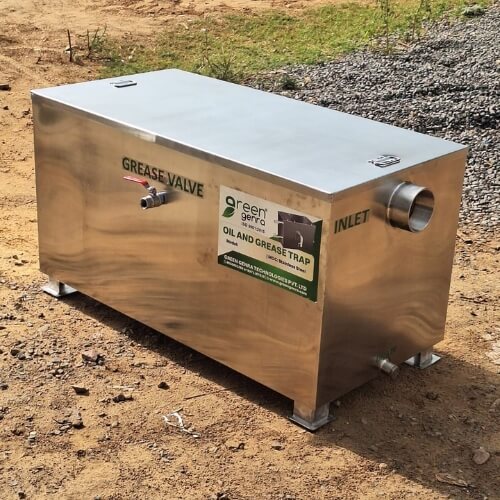
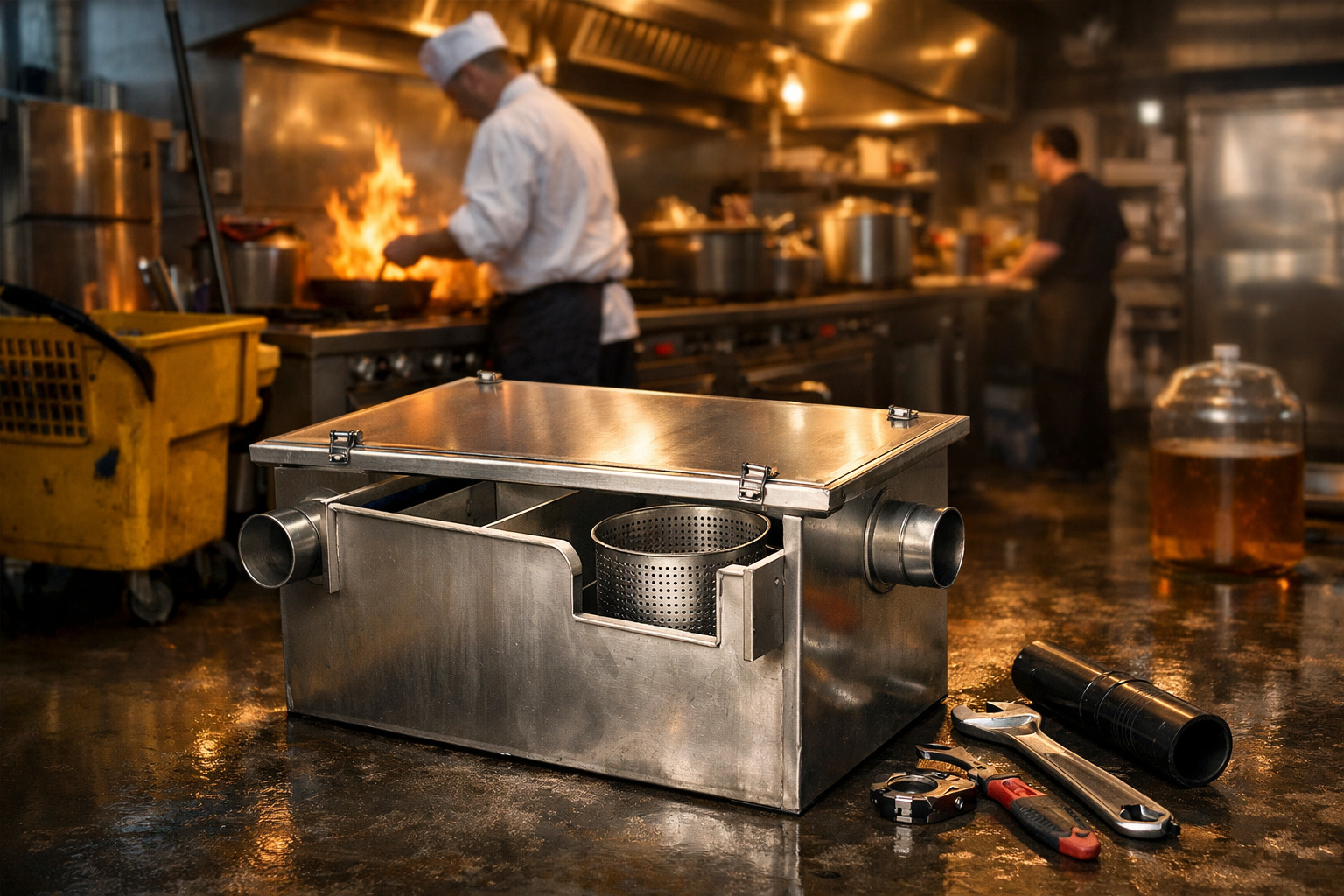
A grease trap or a separator is a plumbing device designed to intercept FOG before it enters the drainage system. The traps work by slowing down wastewater flow, allowing grease to float to the top while the solids settle at the bottom.
Commercial Grease Trap comes in two types-
• Under Sink Grease Trap
• Outdoor Grease Trap
It is important to choose the right system based on your kitchen size, operations and compliance needs.
What is an Under-Sink or Indoor Grease Trap?
Under-Sink grease traps are compact units installed directly beneath kitchen sinks or near dishwashers. They are commonly used in small or medium commercial kitchens with limited space.
Benefits of an Under-Sink Grease Trap for Restaurants
• Space-Efficient Design: The indoor grease interceptors are ideal for commercial kitchens where outdoor installation is not possible. They are compact in size and can be easily installed within existing cabinetry.
• Less Initial Cost: The indoor grease traps are more affordable than outdoor grease traps, making them an ideal option for cafes, food courts, bakeries and small restaurants.
• Easy to Install: The grease traps are easy to install as they connect directly to the sink line. Installation is faster and less disruptive. There is no need for the food facilities to make any changes in their kitchen layout to install these traps.
• Suitable for low to moderate FOG: If you run a small food facility, then there will be limited grease production in your commercial kitchen. The under-sink grease installed effectively prevents pipe blockages.
What are Disadvantages of Under-Sink Grease Traps?
• Limited Capacity
• Frequent Maintenance
What is an Outdoor Grease Trap?
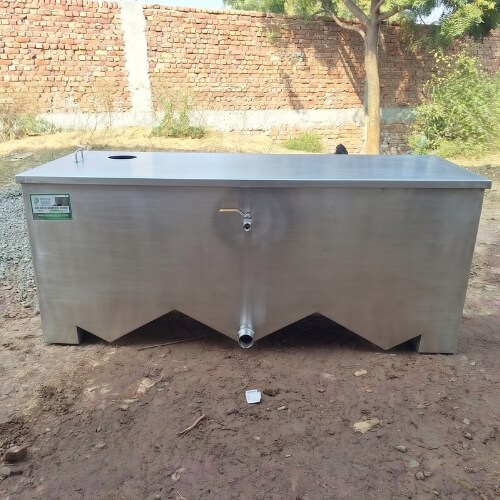
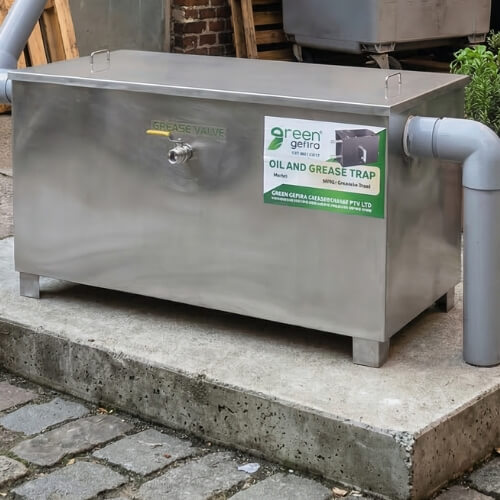
Outdoor Grease traps or interceptors are large units installed outside the building, usually underground. They handle the wastewater of the entire kitchen.
Benefits of an Outdoor Grease Interceptor for Commercial Kitchens
• High Capacity for Heavy Use: Outdoor Grease traps are designed for large commercial kitchens, hotels and industrial canteens. The traps can handle high volumes of grease.
• Regulatory Compliance: Considering the increasing pollution levels in many cities, the local authorities and pollution control boards prefer or make it mandatory for large and medium food facilities to install outdoor grease traps.
• No Indoor Smell: This grease trap is installed outside, so the grease buildup does not affect kitchen hygiene or air quality, reducing the risk of indoor odours.
• Less Frequent Cleaning: Due to their large capacity, cleaning intervals are longer. They are cleaned often, monthly or quarterly, reducing operational disruption.
What are the disadvantages of Outdoor Commercial Grease Trap Installation?
• Higher Installation Cost
• Space Requirement
• Complicated Instalment Process
• Professional Maintenance is Required
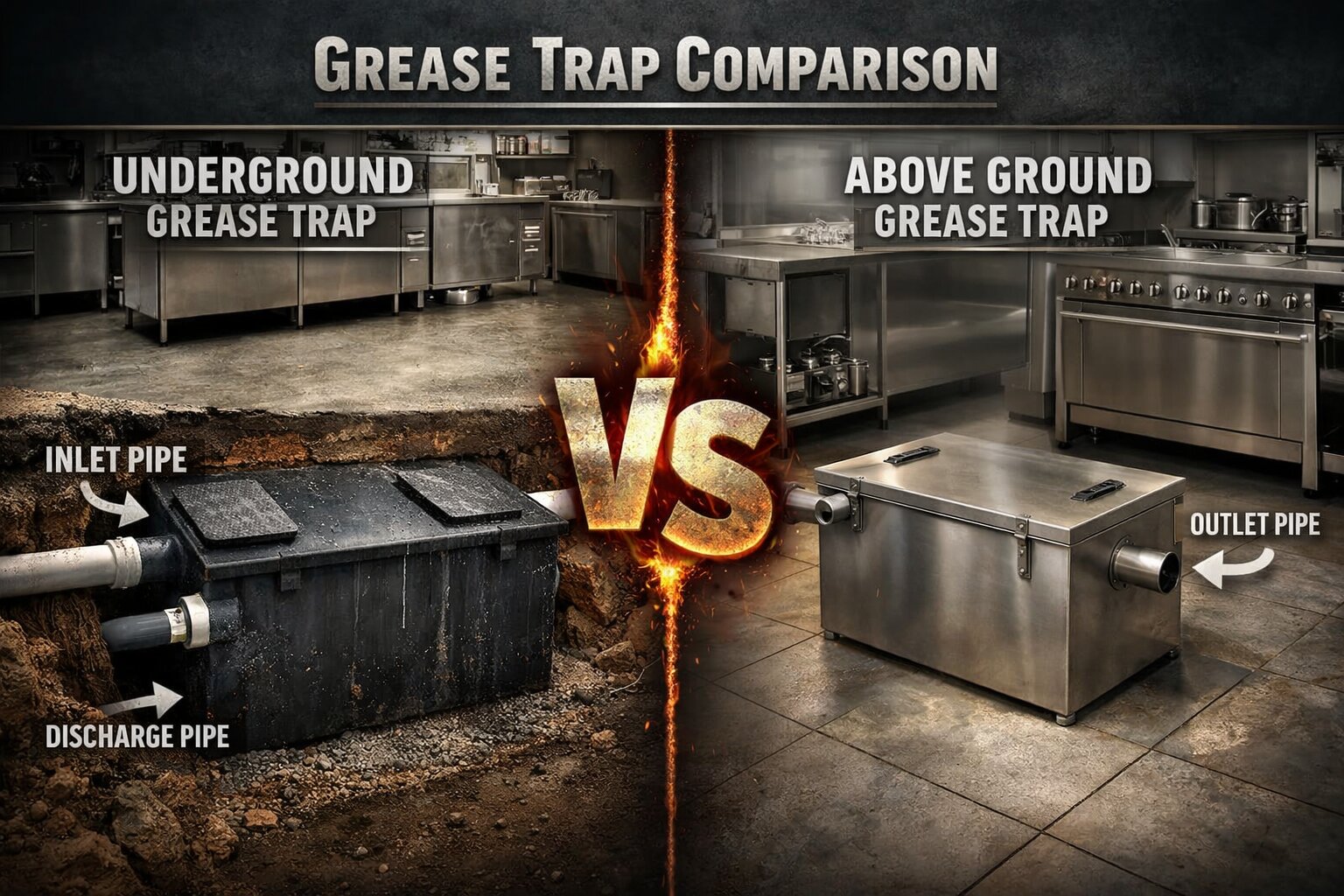
Under Sink Grease Trap v/s Outdoor Grease Trap
The main difference between under-sink and outdoor commercial grease traps lies in their capacity, usage and long-term efficiency. The grease trap cost comparison shows that indoor traps are cost-effective when compared with the outdoor traps.
The indoor traps are apt for small commercial kitchens with low to moderate grease output, but they require frequent cleaning and have limited holding capacity. The outdoor grease interceptors, on the other hand, are designed for high-volume food operations, offering larger grease handling capacity, better odour control and stronger compliance with municipal norms.
The under-sink grease traps are easier and cheaper to install, and the installation cost of outdoor traps is comparatively higher. The indoor grease traps are compact and do not require much space for installation. The outdoor traps are huge and require more space, but they reduce maintenance frequency, providing more reliable and long-term solutions for medium to large commercial kitchens.
Which Grease Trap- Indoor or Outdoor Grease Trap is Right for your Business?
The right choice depends on three important factors.
• Commercial Kitchen Size: If you are running a small food facility - small cafes, cloud kitchen and bakeries, then under-sink grease traps are the best deal. Large restaurants, hotels and food processing units should install outdoor grease interceptors.
• Grease Trap Volume: If your kitchen involves frying, grilling or heavy oil usage, an outdoor grease trap is a safer and more compliant option.
• Local Norms and Compliance: Check local municipal and pollution control guidelines. Many regions require outdoor grease traps for commercial establishments above a certain size.
How to choose the right grease trap for your Commercial Kitchen?
• Check your commercial kitchen size and the number of meals prepared daily
• Estimate the amount of FOG generated
• Check local municipal guidelines and pollution control board norms for compliance
• Choose between an under-sink or outdoor grease trap based on the kitchen capacity and space.
• Consider Installation and long-term maintenance costs
• Work with a professional and experienced grease trap manufacturer and exporter.
Choice between an under-sink and an outdoor commercial grease trap is not just about cost- it is about capacity, hygiene, compliance and future growth. If your kitchen capacity is small and the grease output is minimal, go for an indoor grease trap.
If you operate at scale and kitchen capacity is huge, an outdoor grease interceptor is an ideal option. A well-chosen grease trap management system from a reliable supplier keeps your kitchen running smoothly, while also ensuring clear drains and business compliance.
FAQs
1. Which grease trap is best for a large commercial kitchen?
Outdoor grease traps or interceptors are best for large commercial kitchens. Work with Green Genra, a trusted manufacturer and supplier of grease traps aligned with your kitchen needs and FOG capacity.
2. I have a small food court, which grease trap is ideal?
For small commercial kitchens, installing an indoor or under-sink grease trap is ideal.
3. Why Green Genra is the best manufacturer and supplier of grease traps?
Green Genra delivers premium quality, regulation-compliant and long-lasting grease traps with efficient FOG separation and reliable after-sales support customized to your commercial kitchens.
About the Author
Green Genra is a trusted manufacturer and supplier of grease traps and sustainable waste management solutions. With a strong focus on quality, regulatory compliance and environmental responsibility, the brand designs durable and efficient grease trap management systems that help businesses prevent drain blockages, control pungent smell and meet pollution control norms.
Backed by technical expertise and a customer-pro approach, Green Genra stands as a go-to partner for long-term grease management solutions.
-
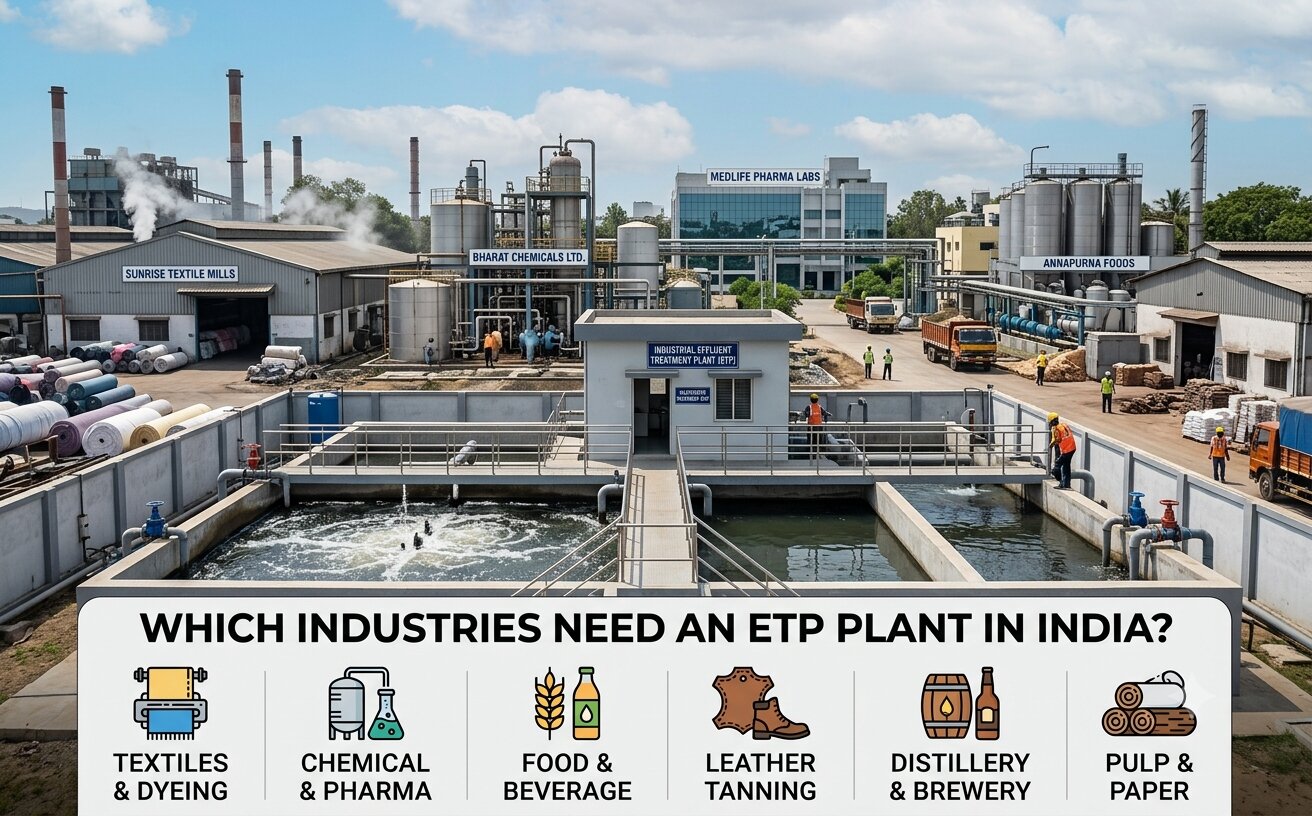
Which Industries need an ETP Plant in India?
17-09-2026
















































Industrial growth in India has hit sky-high across many verticals, including manufacturing, textiles, pharmaceuticals, chemic...
One of the most common issues Indian cities are facing is pollution. Pollution is very common in Delhi and the NCR area, wher...
Commercial kitchens deal with large volumes of food, cooking oils, fats, food particles and wastewater daily. Hotels, food jo...

Commercial kitchens, restaurants, healthcare facilities, canteens, food joints, and food processing units generate wastewater...
Commercial kitchens in restaurants, hotels, food courts and other food facilities generate large quantities of FOG – fa...
If you are an owner of a restaurant, you must consider investing in a good grease separator. The best Grease Trap for a resta...