
India International Water Week - Climate Resilient Water Management Event Description Although nearly 70% of the Earth&...

WHAT IS AN ETP (EFFLUENT TREATMENT PLANT)
WHAT IS AN ETP (EFFLUENT TREATMENT PLANT)
22-04-2024
Definition and Purpose of ETP (Effluent treatment plant)
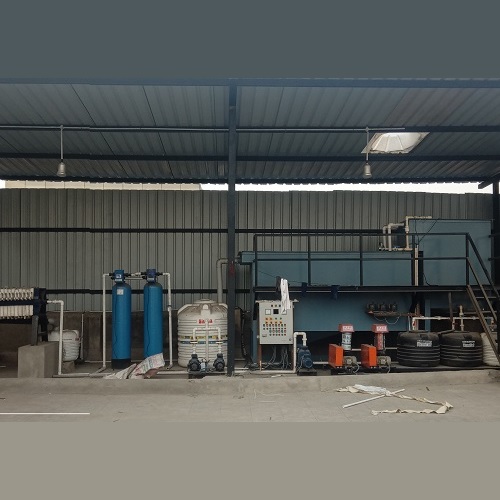
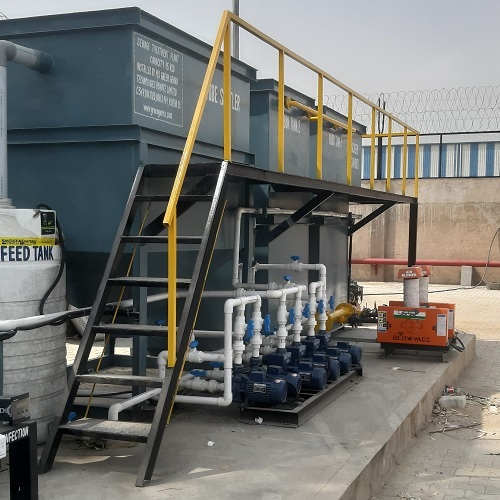
ETP means Effluent Treatment Plant. It is a meticulously designed facility that treats the wastewater or effluent generated by industrial activities before they are discharged into the environment.
The main purpose of an ETP is to remove pollutants from industrial wastewater to meet environmental legislation standards for water quality and prevent contamination of water bodies. This treatment helps in protecting ecosystems and human health from industrial pollutants.
ETP treats wastewater generated from industrial processes before discharge
ETP is an industrial facility that is thoughtfully engineered to treat wastewater generated from various industrial processes before it is discharged into the environment. The main aim of ETP is to remove contaminants from the industrial wastewater to make sure that the effluent discharged meets local environmental regulations and norms. The treatment prevents the releases of harmful pollutants into natural water bodies, thus protecting ecosystems and promoting public health and environmental safety.
Main Aim of ETP is to remove pollutants and meet environmental norms
The primary goal of Effluent Treatment Plant is to remove pollutants from wastewater generated by industrial processes to make sure that the treated effluents meet environmental norms and standards. The treatment helps in reducing the environmental impact of industrial activities, preventing pollution of water bodies and safeguarding aquatic and human health. By effectively treating the wastewater before it is released, ETP plays a key role in promoting sustainable industrial practices.
What are wastewater sources?
Wastewater referred as sewage can come from various sources, both industrial and residential that include-
- Domestic or residential sources-
- Household water- Water used all for household activities.
- Kitchen wastes- Waste water generated from activities in kitchen that include cooking, washing the dishes, and other work.
- Bathroom wastes- Water from Showers, bathtubs, sinks and toilets.
- Commercial sources –
- Businesses- Wastewater from shops, hotels, offices, restaurants.
- Public facilities – Waste water from community centre, schools, hospitals and other public buildings.
- Industrial sources-
- Manufacturing processes- Wastewater generated by entities during manufacturing processes.
- Cooling water- This water is used in various power plants and industrial processes.
- Rinsing and cleaning operations – Water used for washing machinery, equipment, and the facility which may contain detergents and other cleaning agents.
- Agricultural Source-
- Water from fields- Runoff water from fields carries fertilizers, pesticides, and organic matter.
- Animal farms- Wastewater from livestock and poultry operations include manure, feed and cleaning water.
- Institutional sources-
- Educational facilities- Wastewater generated from educational institution’s cafeterias, laboratories, maintenance activities, and bathrooms.
- Hospitals and clinics- Wastewater from health care facilities during medical procedures, cleaning and sanitation processes containing pharmaceutical residues and pathogens.
- Rainwater runoff-
- Rainwater runoff- Water from rain or snow that flows over the ground surface, collecting pollutants from urban areas including oils, debris, and chemicals from roads and parking lots.
Standard stages of treatment processes used in ETPs
Effluent Treatment Plant follows a series of standard stages to treat wastewater effectively. The stages are smartly designed to remove varied types of contaminants from water ensuring that the final effluent meets environmental regulations before it is discharged. Here are standard stages of treatment processes used in ETPs.
Pretreatment
- Screening- Removes large solids and debris like sticks, rags, and other large objects that might clog or damage equipment.
- Grit removal- Separates inorganic solids like sand and gravel, which could settle in channels and tanks, causing maintenance issues.
- Flow equalization- Balances the flow and organic load to optimize the efficiency of subsequent treatment processes.
Primary treatment
Sedimentation – Allows suspended solids to settle out as sludge while oils, greases, and lighter solids float to the surface and are removed off. This is achieved in primary clarifier.
Secondary treatment
- Biological treatment – This is a key phase where organic pollutants are biologically degraded. Various methods are used-
- Activated sludge process- Aerobic bacteria and protozoa consume organic matter. Air is pumped into large aeration tanks to support the growth of bacteria that break down the organic matter.
- Trickling filters – Wastewater is passed over a bed of stones or other material covered with bacteria that break down the organic matter.
- Biofilm systems – Wastewater flows over surfaces on which biofilms grow and consume organic pollutants.
- Secondary Clarification- After biological treatment, the water goes through another sedimentation process to remove any remaining biological mass.
Tertiary treatment
- Filtration- Removes residual suspended particles and unsettled floc after secondary treatment.
- Nutrient removal- Specifically targets nutrients like nitrogen and phosphorous that can cause eutrophication in bodies of water. Processes include biological nitrification and denitrification and chemical phosphorous precipitation.
- Disinfection- Typically the final step before discharge involves the use of chlorine, ultraviolet light or ozone to kill any remaining pathogens.
Sludge treatment
- Thickening- Concentrates sludge solids and minimize the volume of slurry that needs to be processed.
- Digestion- Biological processes, either aerobic or anaerobic, break down organic matter in sludge, minimizing its volume and producing biogas that can be used as energy source.
- Dewatering- Further minimize the moisture content of the sludge, making it suitable for disposal or use of fertilizer.
Effluent disposal
- Disposal- Treated effluent may be discharged into local water bodies, depending on local environmental guidelines.
- Reuse- Treated water can be used for agricultural irrigation, industrial cooling or reclaimed water in urban areas.
Why ETPs are important and what are its benefits?
ETPs are important component in the management of wastewater, especially from industrial sources. Their main aim is to treat polluted water before it is released back to the environment.
Prevent pollution
ETPs are crucial in preventing the pollution of water bodies and reducing the ecological damage. They achieve this by treating wastewater that contains various pollutants that include industrial, chemicals, heavy metals, and organic wastes before it is discharged into rivers, lakes or oceans. This treatment helps to remove harmful substances that could degrade water quality, harm aquatic life, and disrupt ecosystems.
Help entities meet environmental regulations and compliance standards
ETPs treat the wastewater generated from various industrial processes to remove contaminants before the water is released back into the environment. They are designed to minimize pollutants to the level that meet or exceed the regulatory needs. By effectively treating wastewater, ETPs prevent potential legal and financial penalties related to non-compliance.
Support sustainable and responsible industrial growth
ETPs support sustainability goals of industries by reducing ecological impact, enabling recycling of water and ensuring the responsible disposal of industrial waste. Compliance with environment standards through effective treatment of wastewater can boost the image and reputation of the company as a responsible corporate citizen. This can lead to better community relations, improved investor confidence and can even be a deciding factor in securing business contracts.
Protect public and Ecosystem health
Effluent treatment plants protect both ecosystem and public health by effectively removing pollutants from wastewater before it is released into the environment. ETPs effectively remove pathogens, minimize chemical pollutants and prevent spread of harmful diseases and thus protect public health. Furthermore, ETPs support sustainable water use, minimize sedimentation of water bodies caused by pollution thus help maintain water quality and healthy aquatic ecosystem.
Effluent Treatment Plant plays a key role in safeguarding environmental and public health by treating industrial wastewater before discharge. It prevents water pollution and protects aquatic ecosystems, supporting ecological balance and bio-diversity. They also ensure compliance to stringent environmental regulations, reducing legal risks and boosting corporate image in the domain.
Want to know more, contact ETP Supplier Green Genra!
Share with:
Our Clients
















































Latest News
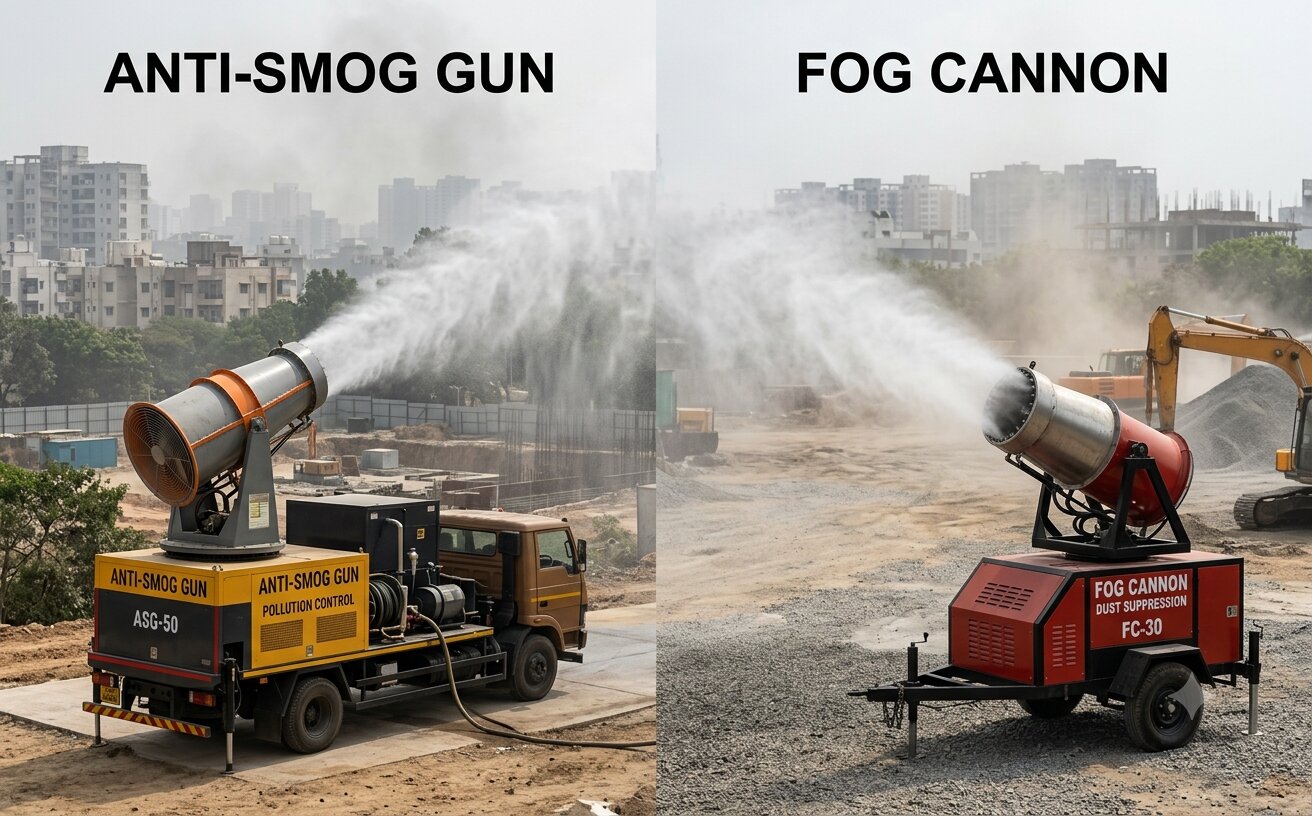
One of the most common issues Indian cities are facing is pollution. Pollution is very common in Delhi and the NCR area, wher...
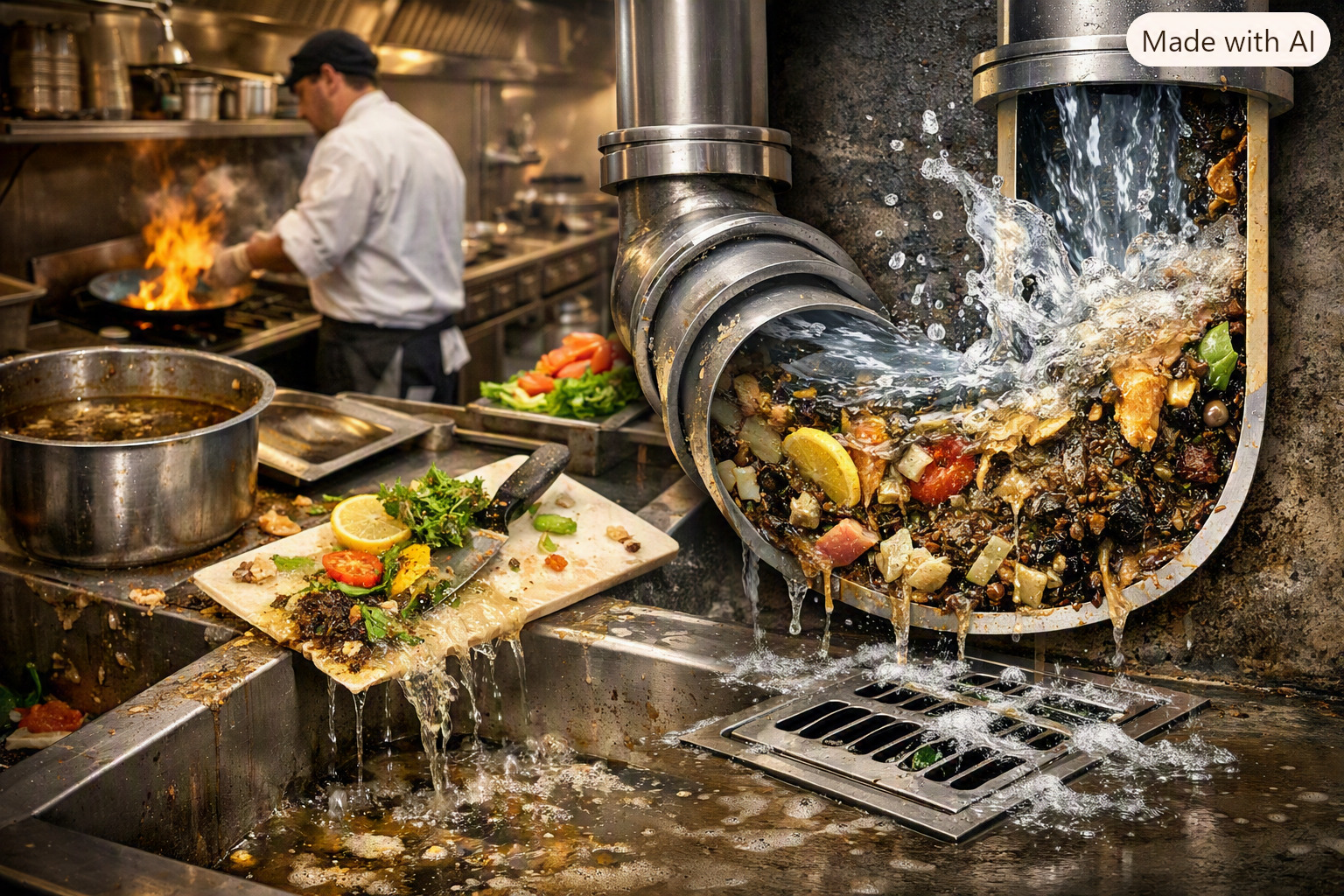
Commercial kitchens deal with large volumes of food, cooking oils, fats, food particles and wastewater daily. Hotels, food jo...
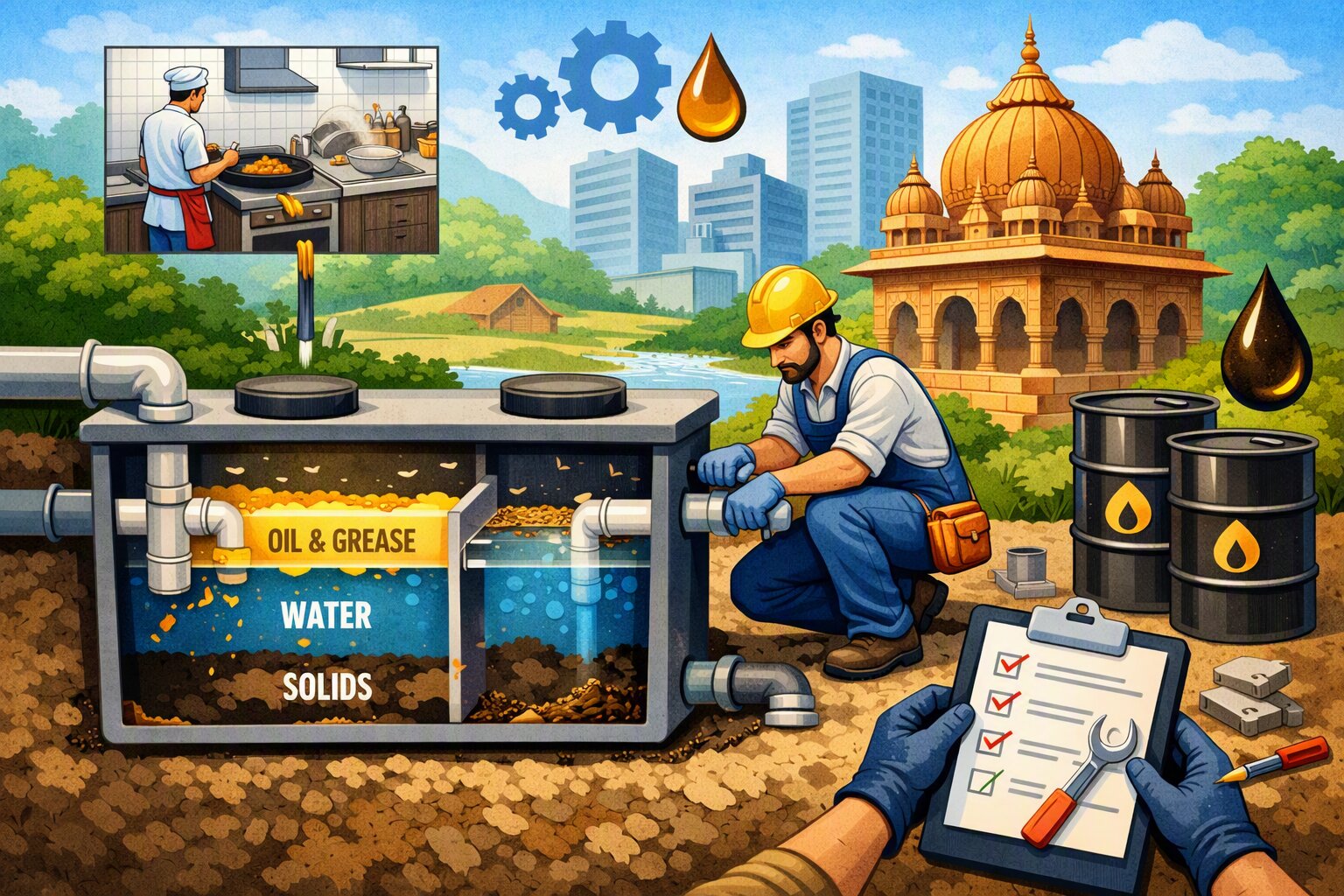
Complete Guide to Oil & Grease Traps in India: Types, Working, Installation & Maintenance 12-08-2026
Commercial kitchens, restaurants, healthcare facilities, canteens, food joints, and food processing units generate wastewater...
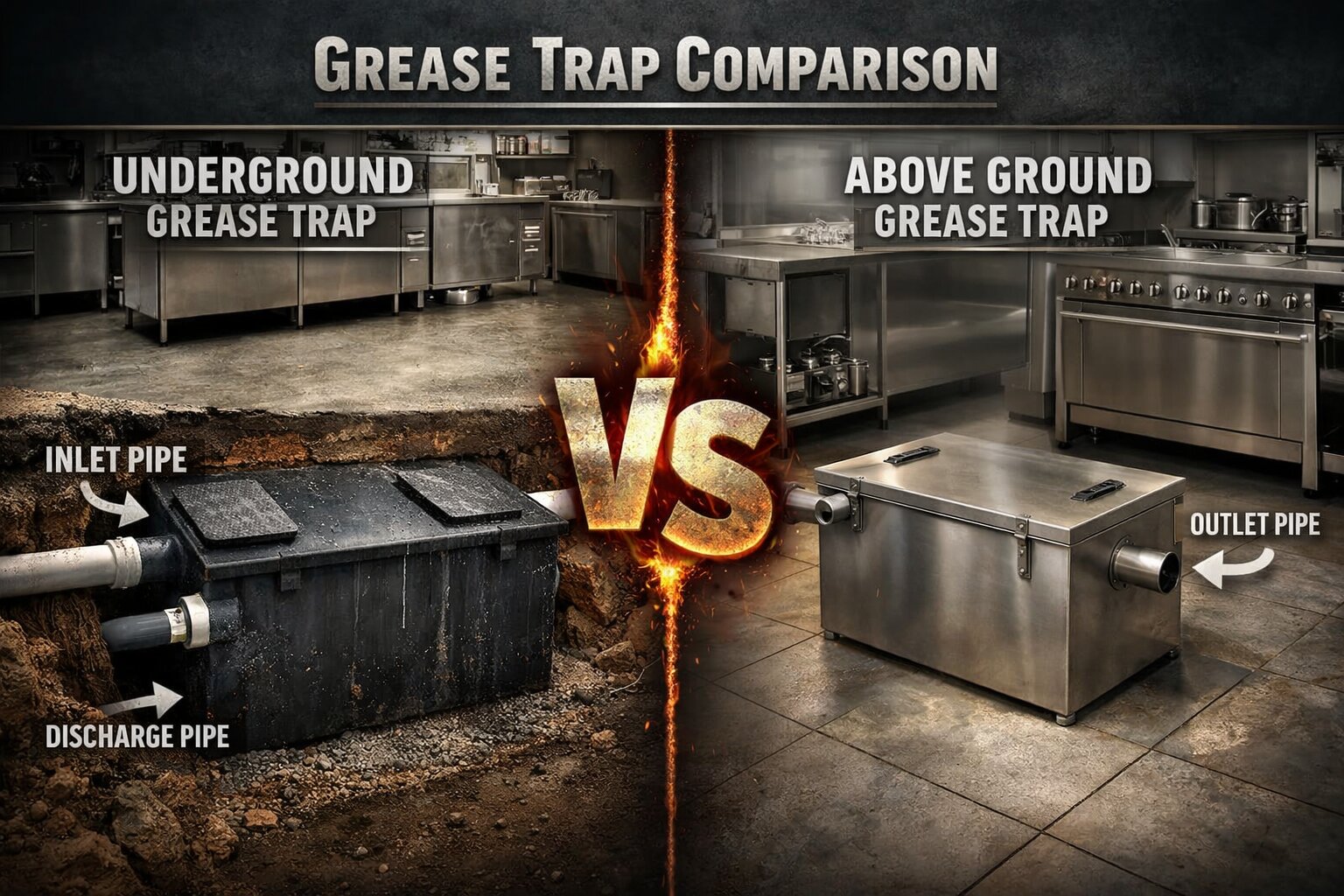
Underground v/s Above Ground Grease Trap 18-07-2026
Commercial kitchens in restaurants, hotels, food courts and other food facilities generate large quantities of FOG – fa...
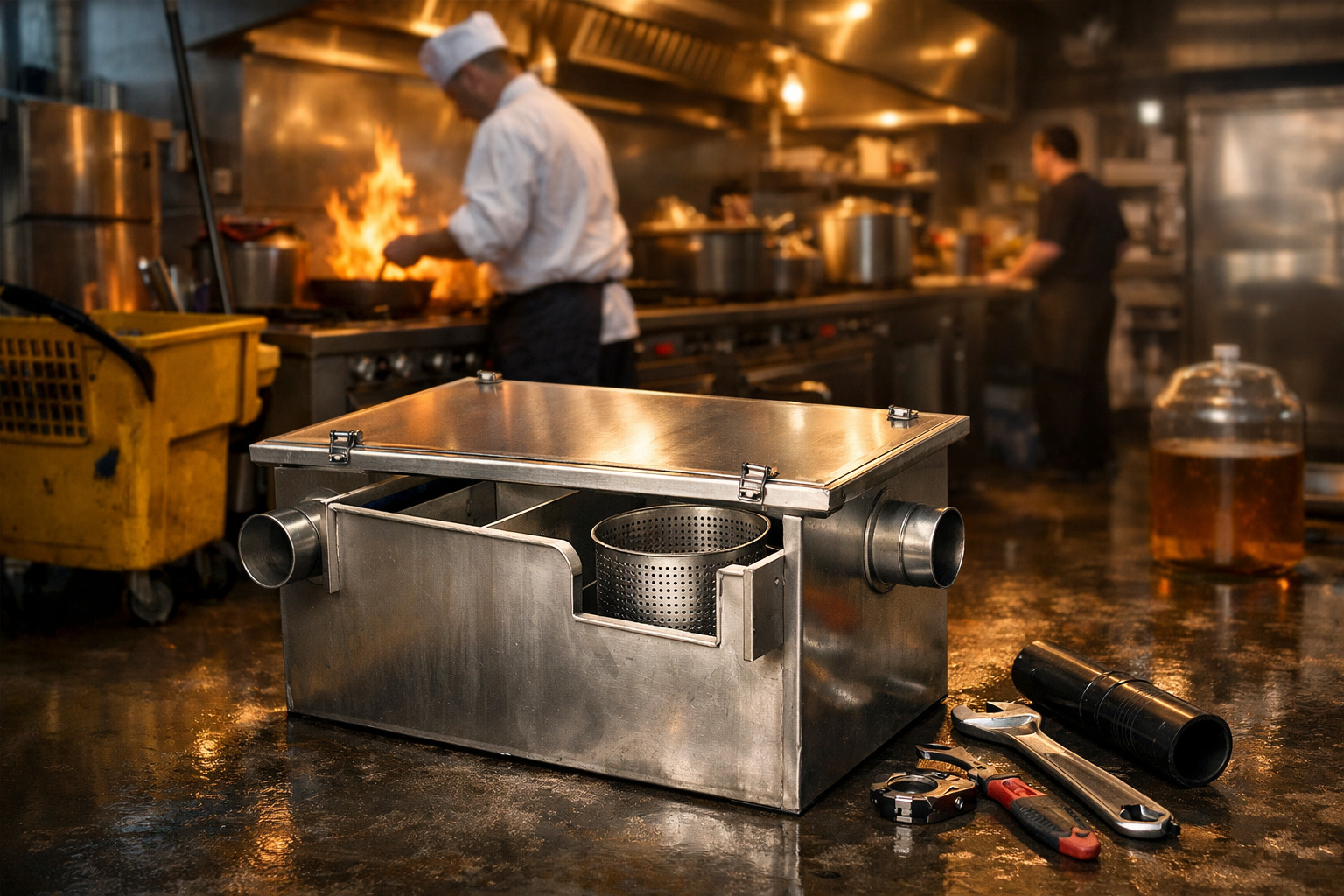
Restaurant Grease Trap Buying Guide 02-07-2026
If you are an owner of a restaurant, you must consider investing in a good grease separator. The best Grease Trap for a resta...
Every business, small, medium, or big, in India must have environmental compliance. Whether you are setting up a manufacturin...
Upcoming Events