
Why Are EPR Certificates Important For Tyre Waste Management?
Sustainability is not a trend but necessity to save planet earth and environment. Tyre Waste management often goes unnoticed.
Tyres are important for transportation and pose great environmental hazards when not managed or disposed properly. Here comes the role of EPR certificate tyre waste. The certificate plays an effective role in managing tyre waste efficiently and sustainably.
Before understanding why EPR certificates are important for tyre waste management, let us know the environmental impact of tyre waste-
- Overload on landfills: Tyres occupy more space in landfills and as they are non-biodegradable they cause long-term environmental issues.
- Fire hazards: The stock piles of tyres are susceptible to catch fire easily resulting in toxic smoke that pollutes air and causes health risks.
- Breeding ground for the pests: Water trapped in discarded tyres is breeding ground for pest and mosquitoes spreading dreadful diseases.
- Resource wastage: Tyres are made from valuable materials that can be recycled and reused promoting a circular economy and conservation of resources.
Importance of EPR certificate for tyre waste management
EPR certificates play a key role in reducing the environmental impact of tyre waste.
- Accountability of the producer: EPR certificate tyre waste holds the manufacturers of tyre accountable for the entire lifecycle of their products. This ensures that they invest in eco-friendly disposal and recycling methods.
- Encouraging and recycling reuse: As the producers have the obligation to properly manage and dispose the tyre waste, they are incentivized to develop and implement recycling programs. The recycled tyres can be used in various applications like playground surfaces and construction materials.
- Reduce illegal dumping: The EPR certificates ensure that the producers manage end-of-life tyres in a responsible manner. It helps minimize the illegal dumping which is a significant public health and environmental concern.
- Promote Innovation: The EPR certificate mandates producers to manage tyre waste efficiently encouraging them to innovate in product design and materials making the tyres more recyclable and eco-friendly.
- Circular economy: EPR certificates support the circular economy by ensuring the materials from old tyres are reintroduced into the production cycle. This minimizes the need for virgin materials and carbon footprint on the environment.
EPR certificates play a significant role in tyre waste management. They ensure producers accountability and help reduce the ecological impacts helping the country move towards a sustainable and circular economy.
FAQs
1. What is EPR certificate for tyre waste management?
EPR certificate for tyre waste management mandates the producers and manufacturers of tyre to manage and recycle their tyre waste ensuring environmental compliance and sustainability.
2. What is the benefit of EPR certificate for tyre waste management?
The Extended Producer Responsibility certificate for tyre waste management ensures responsible recycling and disposal of tyre waste, promoting environmental sustainability and compliance with the pollution norms and regulation.
3. Who is accountable in EPR certificate for tyre waste management?
Producers, brand owners and importers are responsible for tyre waste management under the EPR certificate.
-
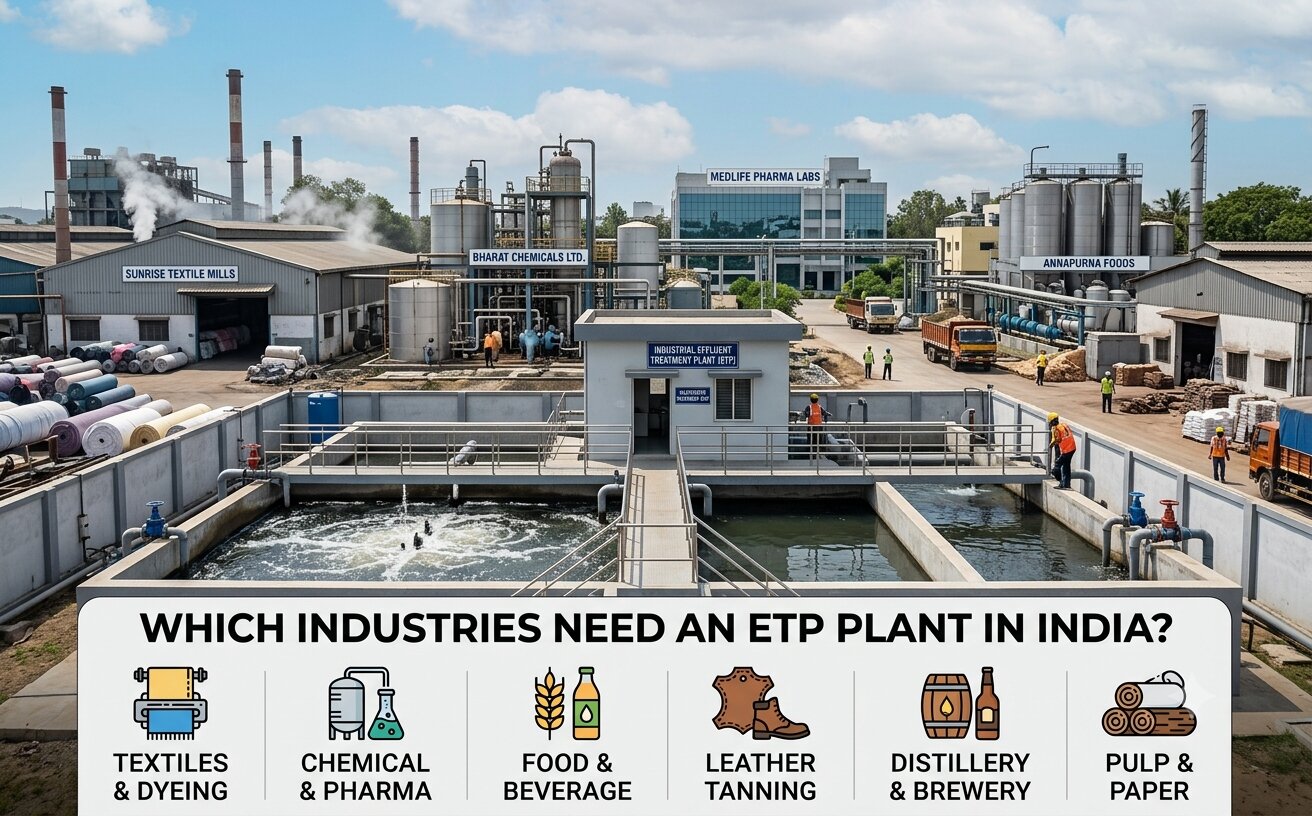
Which Industries need an ETP Plant in India?
17-09-2026
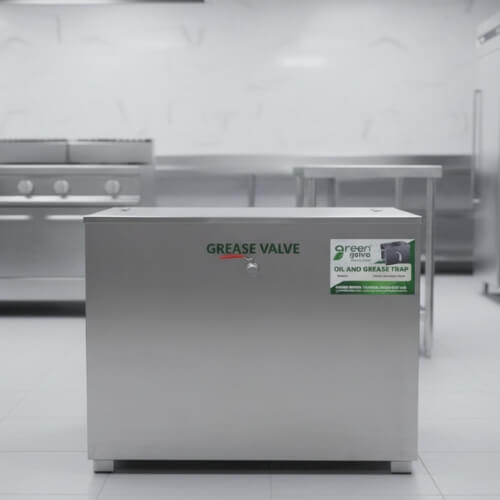
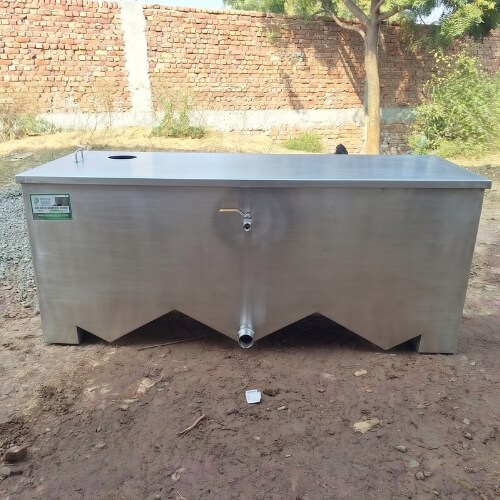
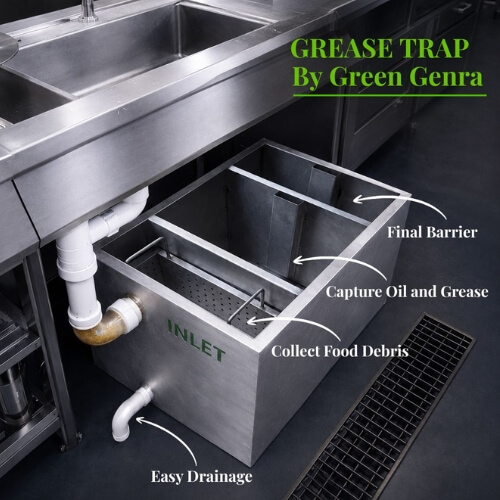
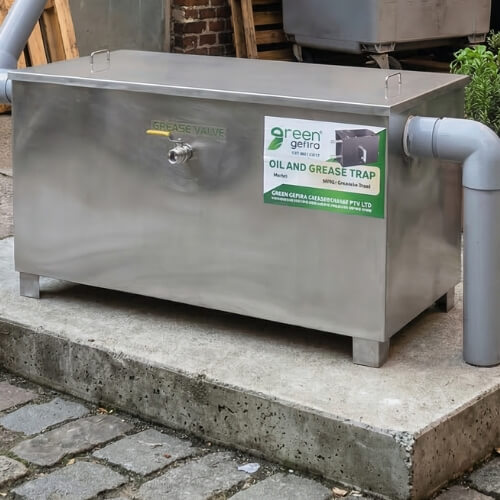
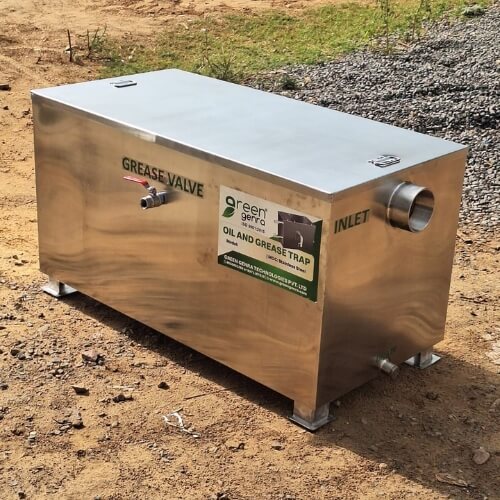

















































Choosing the right oil grease trap size for your restaurant is important for maintaining an efficient commercial kitchen, pre...
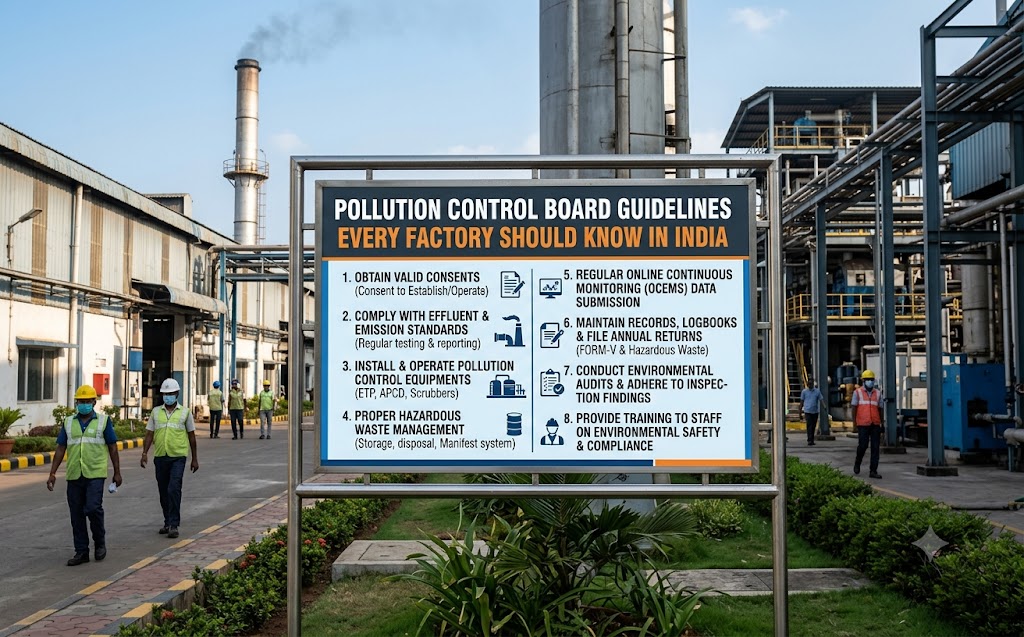
Factories in India operate under environmental regulations set by regulatory authorities to control pollution, protect natura...
Industrial growth in India has hit sky-high across many verticals, including manufacturing, textiles, pharmaceuticals, chemic...
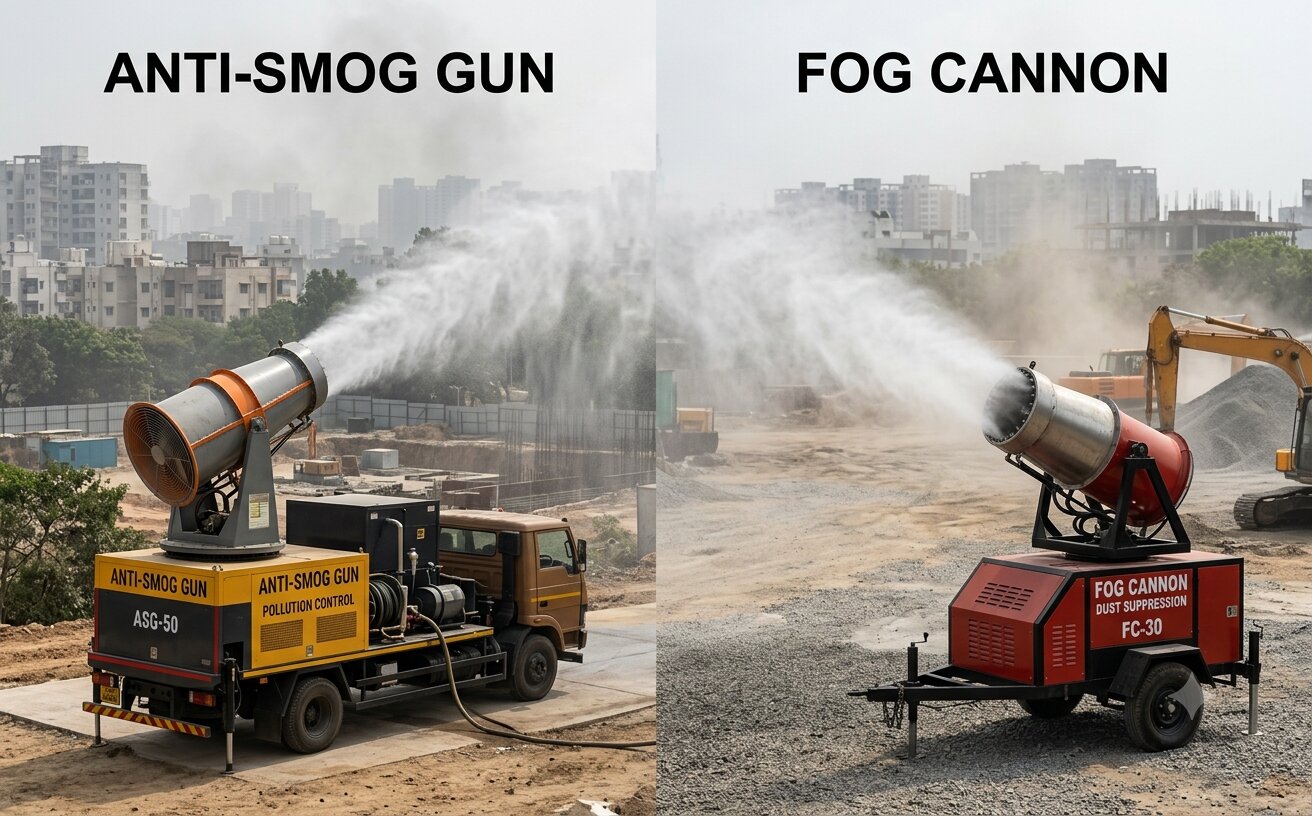
One of the most common issues Indian cities are facing is pollution. Pollution is very common in Delhi and the NCR area, wher...

Commercial kitchens deal with large volumes of food, cooking oils, fats, food particles and wastewater daily. Hotels, food jo...
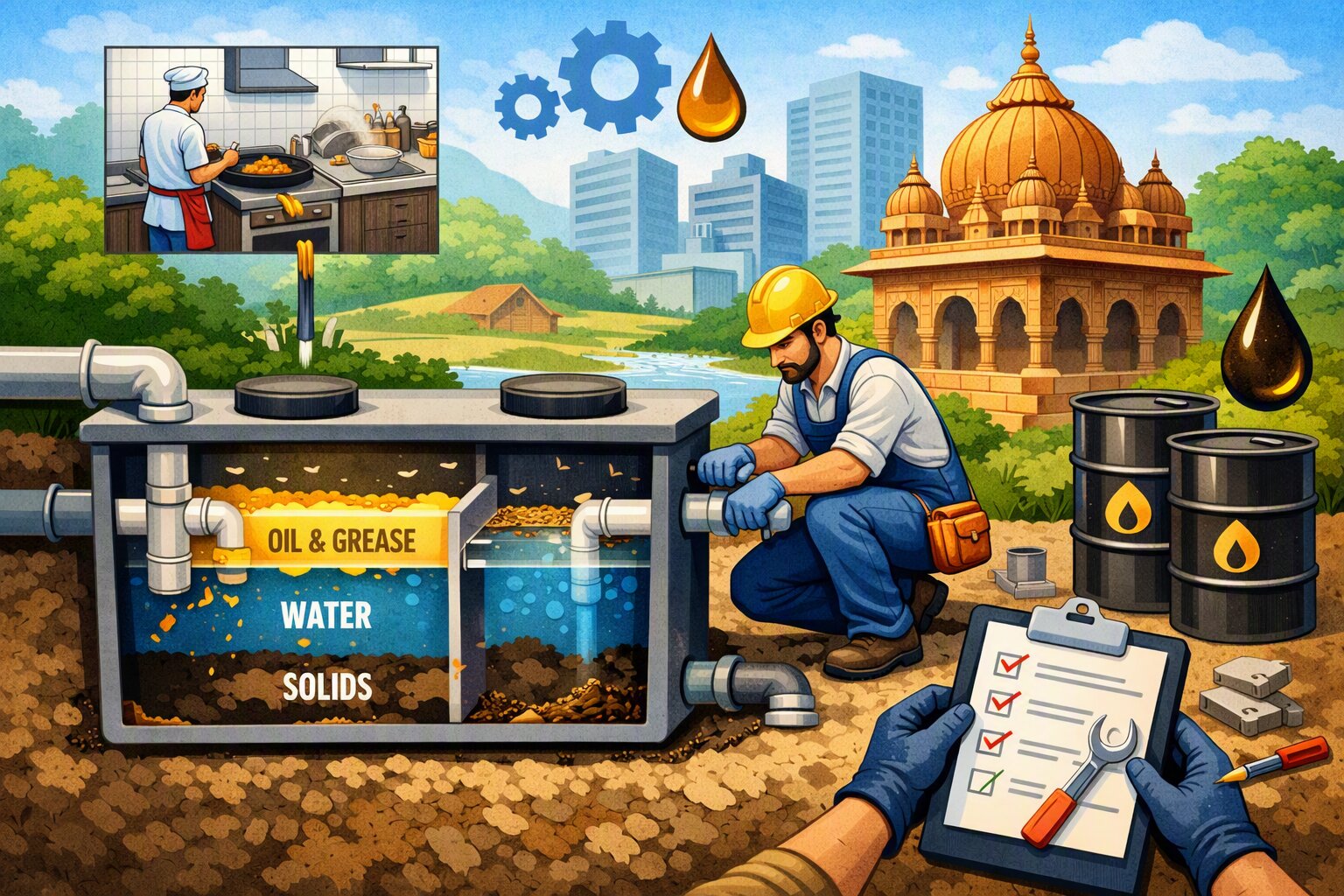
Commercial kitchens, restaurants, healthcare facilities, canteens, food joints, and food processing units generate wastewater...