
EPR Registration Step towards a greener future in plastic waste management
EPR registration for plastic waste management or the extended producer responsibility registration for plastic waste management is the mechanism aimed at making producers responsible for the entire life cycle of plastic products they introduce in market.
It is designed to encourage producers to design environment-friendly products by incorporating waste management costs into product development process. It is a critical regulatory requirement for businesses involved in the production, handling, and import of plastic products.
The EPR registration for plastic waste management epitomizes the responsibility of producers to manage the environmental impact of their products throughout the lifecycle including post consumer stage.
This initiative minimize the plastic pollution, encourage recycling and responsible disposal of plastic waste.
What is the Role of EPR in the Plastic Waste Reduction?
EPR plays a significant role in minimizing plastic waste by holding producers, importers and brand owners accountable for the entire lifecycle of plastic products. Through EPR, the businesses must establish or participate in the waste collection, recycling and eco-friendly disposal systems.
EPR registration encourages eco-friendly practices, reducing plastic pollution and ecological impact. It also promotes sustainable design by encouraging companies to adopt recyclable materials and reduce the use of single-use plastics. By assigning accountability to the manufacturers and brands, EPR drives a systematic shift towards a circular economy.
Guide to the EPR Registration Process
The Plastic waste registration process involves several key steps. The businesses- producers, importers and brand owners must apply on the Central Pollution Control Board’s EPR portal, providing details about their plastic usage and waste management plans.
After the submission, they need to draft an action plan highlighting collection, recycling and disposal strategies for plastic waste. The Central Pollution Control Board reviews and verifies the application. After the approval, the applicant receives an EPR certificate, making them responsible for meeting the recycling targets and reporting compliance annually. The registration also ensures Plastic waste compliance requirements.
What are the key aspects of EPR registration?
1. Responsibility on producers: EPR shifts the responsibility for waste management from municipalities and consumers to producers. The producers are fully resonsible for collecting and processing their products once they become waste.
2. Registration: The producers, importers, brand owners are required to register with the environmental agency or authority based on the regulations. They must report quantities of plastic placed on the market and demonstrate compliance with the recovery targets and recycling.
3. Product design: By making producers responsible for end-of-life management of their products, EPR encourages the design of the products that are easy to recycle and have low environmental impact and contain recycled content.
4. Financial responsibility: Producers are required to finance the collection, sorting, and the recycling of waste. This can involve paying fees as per the amount and type of plastic packaging they produce. The fees collected are used to support waste management system and recycling.
5. Documentation: All those businesses registered under EPR schemes must maintain detailed records of their waste management activity that include amounts of waste collected, recovered and recycled. This data must be reported regularly to relevant authorities.
What are the objectives of EPR for plastic waste management?
1. Minimize plastic waste: The EPR incentivize producers to generate less waste and boost recyclability of their products.
2. Promote recycling: It aims to achieve higher recycling rates for plastic products and minimize the resilience on virgin materials.
3. Reduce environmental impact: It encourages more sustainable product design and minimize the amount of plastic waste that ends up in landfills or the environment.
4. Support circular economy: It paves way for a circular economy where materials and products are recycled and reused to maximum.
What are the benefits of EPR certificate?
1. Improve environmental compliance: EPR ensures the businesses with applicable environmental regulations comply with them. If any business do not do so are liable to face legal penalties that can affect its daily work activity and even lead to closure. With EPR registration, businesses can improve environmental compliance and secure itself from incurring fines.
2. Better management of waste: EPR offers clear understanding to businesses pertaining collection, storage, transportation, treatment, recycling or disposal of their waste. Businesses can manage all kinds of waste ensuring no harm is done to general public or the environment. Also, it creates a culture of recycling by motivating producers adjust their packaging, design and ways to make products easily recyclable at end of their life cycle.
3. Minimize waste management costs: EPR registration mandates businesses to put comprehensive efforts and techniques in place for effective waste handling alongside minimizing overall expenditure to great extent.
4. Create positive brand image: With EPR registration businesses can create a positive brand image that will further help it strengthen customer relations by establishing credibility with them.
What are the various challenges faced by businesses in EPR Implementation?
The various challenges faced by businesses in EPR implementation include-
- High Investment Costs: EPR Compliance requirements require huge investments in waste collection, recycling and disposal infrastructure, which many small businesses find difficult to manage.
- Limited Recycling Infrastructure: India lacks advanced recycling facilities. This challenge is faced more in the rural areas, making it difficult for businesses to meet EPR recycling targets.
- Complicated Regulatory Framework: There are many state and central regulatory requirements and navigating the same can be challenging for many businesses.
- Lack of Consumer Awareness: Many consumers, especially in rural areas are not aware of the proper waste segregation methods. This affects collection efforts, impacting the ability of the businesses to meet the EPR targets.
- Supply Chain Management: Reverse Supply Chain for the waste collection is challenging and requires a dedicated logistics network, that many businesses find it tough to establish.
- Data Collection and Reporting: EPR registration mandates businesses to have robust Plastic waste tracking system and reporting. This task demands advanced data systems and compliance expertise.
- Limited Access to Recyclable Materials: Finding consistent sources of recyclable plastic materials can be difficult, and this hinders businesses' ability to meet recycling goals.
- Dependence on Informal Sector: Much of the waste management relies on informal sectors that can lack standards and accountability, making the official compliance process complicated.
- Enforcement Challenges: Every state has its own EPR regulations and this inconsistent enforcement of EPR regulations across the states leads to non-compliance by some businesses.
What is the future of EPR and plastic waste management?
- Increased Regulatory Framework: The competent authority will strengthen EPR laws and implement strict penalties to improve compliance and minimize plastic waste.
- Expanding the recycling infrastructure: The future will witness increased investment in recycling facilities, especially in remote regions to meet the rising EPR demands.
- Sustainable Packaging: The increased use of sustainable materials and circular design will contribute to reducing single-use plastics.
- Public Awareness Campaign: The competent authorities, government and businesses must take initiatives to educate consumers on waste segregation, boosting collection efficiency.
- Digital Solutions: Businesses need to leverage technology for tracking waste, collecting data and streamlining the reporting processes.
- Circular Economy: There needs to be encouragement in having collaboration among the stakeholders to promote recycling, reuse and plastic waste reduction.
- Formalizing of Informal Sector: In future, there will be integration of the informal waste workers into the formal EPR ecosystem for standardized practices.
What is the impact of EPR registration for plastic waste on the environment?
EPR registration for plastic waste significantly reduces environmental pollution by ensuring responsible plastic management. It promotes recycling, minimizes landfill waste, and reduces plastic pollution in natural habitats. EPR registration holds sustainable practices, conserves resources and supports the shift towards a cleaner and circular economy.
How the consumers can support EPR Initiatives?
- Practice Proper Waste Segregation: Consumers can separate plastic waste from organic and other types of waste to make the recycling process easy and effective.
- Reduced Single-Use Plastics: Consumers must avoid using single-use plastic items like straws, bags, and cutleries. They have to opt for reusable or biodegradable alternatives.
- Brand take-back programs: The consumers need to engage in the product return and take-back programs offered by the brands for recycling, especially for packaging and e-waste.
- Choosing eco-friendly brands: They must support the companies committed to EPR and sustainable packaging. This creates demand for eco-friendly practices in the market.
- Educate and Awareness: Consumers need to share information on social media and within communities about the importance of EPR and plastic waste management.
- Seek Responsible Packaging: They need to demand responsible packaging, encouraging the brands to adopt eco-friendly packaging by favouring products with less or recyclable plastic.
- Disposing of plastics responsibly: Consumers must use the designated recycling bins and centres for plastic waste disposal, minimizing landfills and environmental pollution.
What are the collaborative Efforts in Plastic Waste Management?
- Government and Industry Partnerships: It is important to formulate regulations and compliance frameworks to manage plastic waste effectively.
- Public and Private Initiatives: Initiating joint programs for the collection of waste, recycling infrastructure and awareness campaigns.
- Community Engagement: The local communities can participate in the segregation of waste and recycling efforts.
- Involvement of NGOs: NGOs conduct awareness drives and help in waste management logistics.
- EPR: Businesses collaborate on plastic take-back and recycling systems.
When worried about How to register plastic waste? Consider working with a professional service provider who will help navigate the EPR registration for plastic waste effectively.
FAQs
1. What is EPR authorization for plastic waste management?
It is the process wherein importers, producers or manufacturers of plastic goods comply with EPR regulations set by Central Pollution Control Board.
2. Who needs EPR license or certificate?
Every producer, importer, brand owner and plastic processors of plastic packaging in India needs EPR certificate to keep plastic waste under control.
3. What is the aim of EPR authorization?
EPR authorization aims to ensure proper collection, recycling and environment-friendly disposal of plastic waste.
-
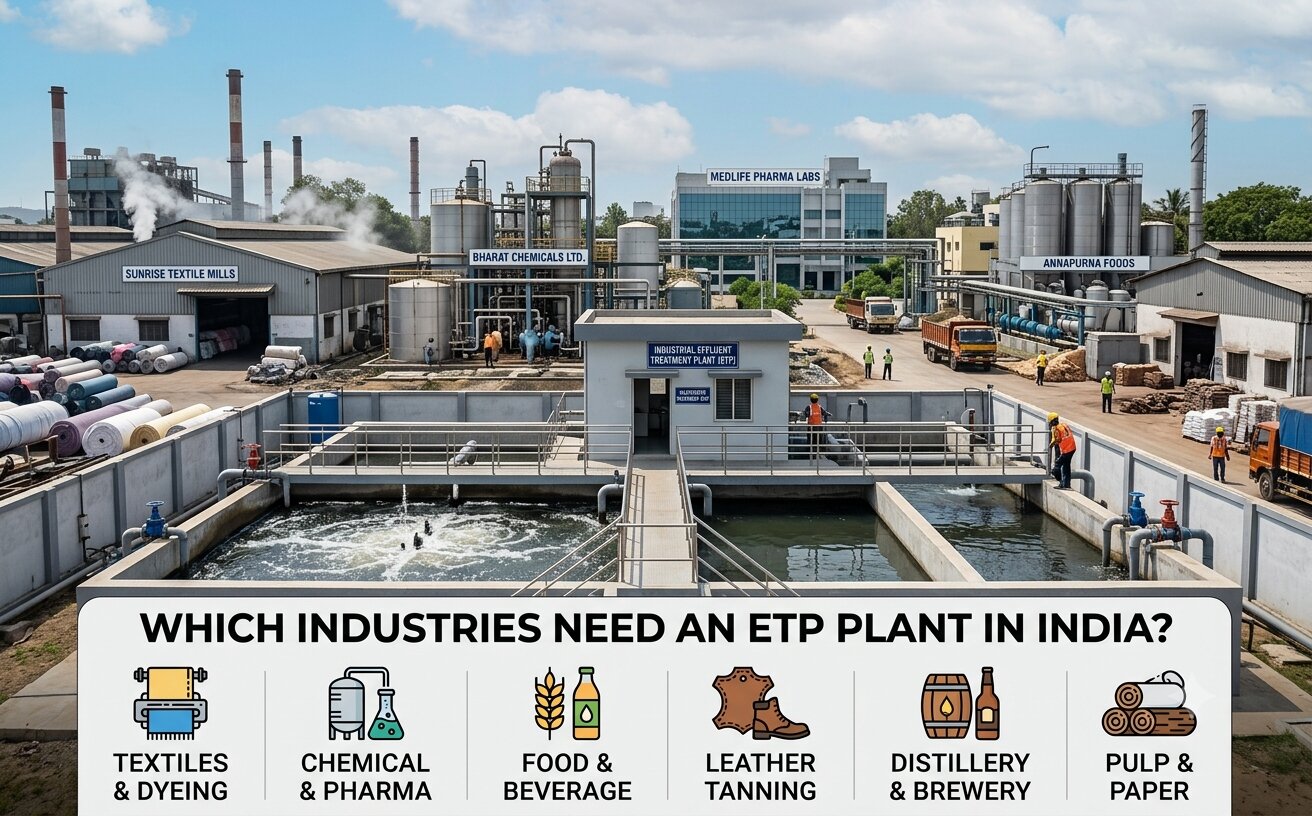
Which Industries need an ETP Plant in India?
17-09-2026
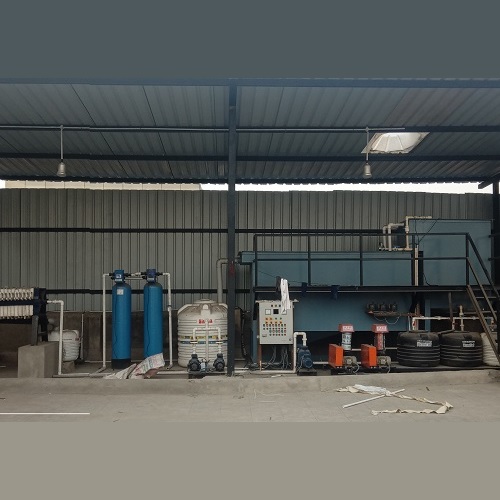
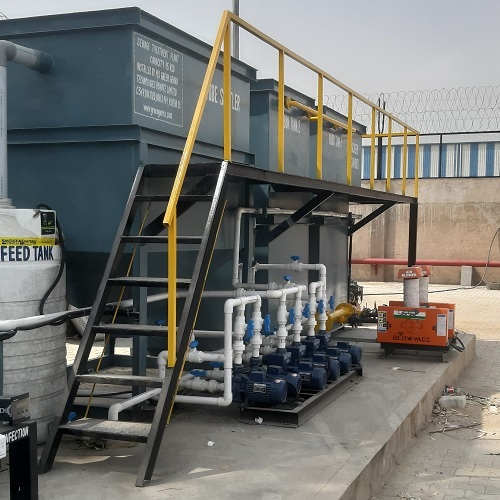
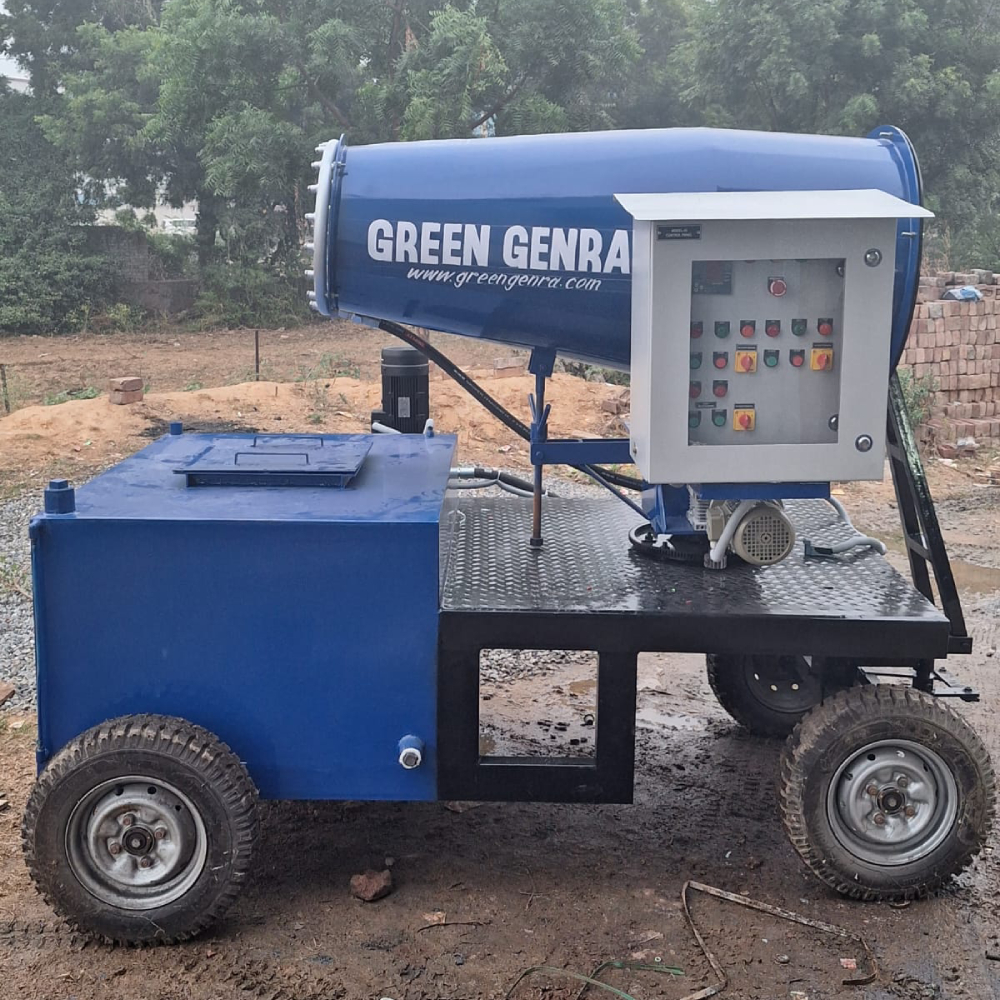
















































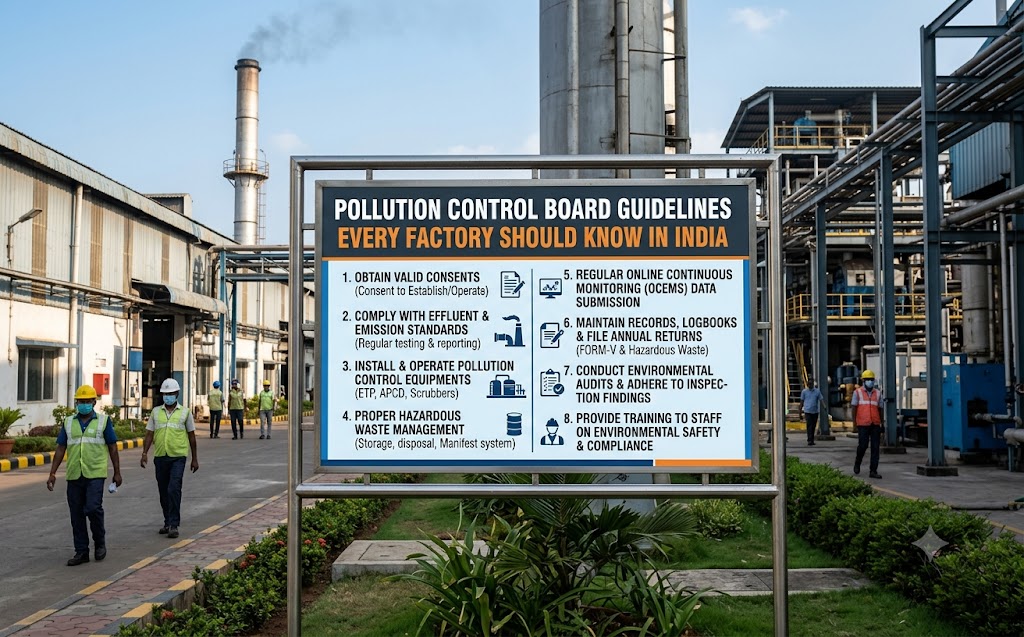
Factories in India operate under environmental regulations set by regulatory authorities to control pollution, protect natura...
Industrial growth in India has hit sky-high across many verticals, including manufacturing, textiles, pharmaceuticals, chemic...
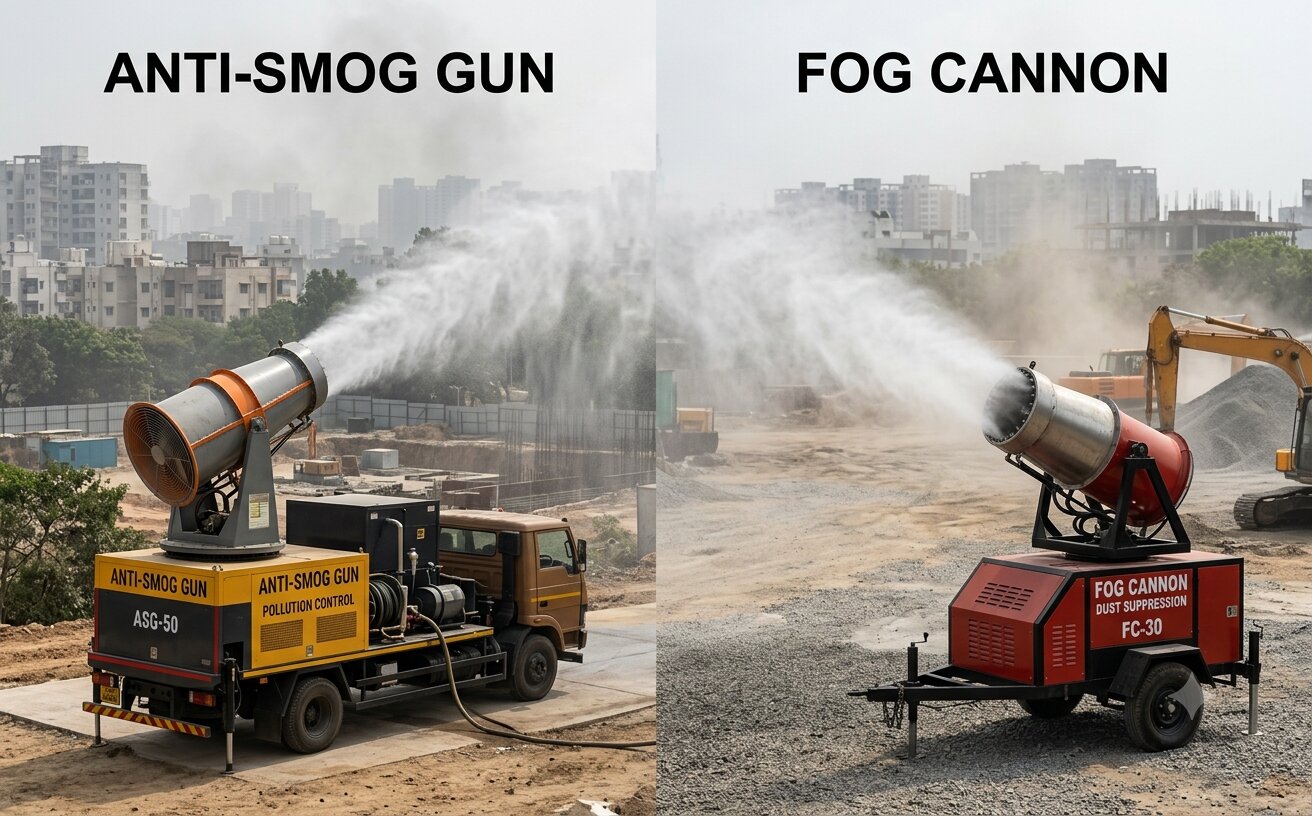
One of the most common issues Indian cities are facing is pollution. Pollution is very common in Delhi and the NCR area, wher...

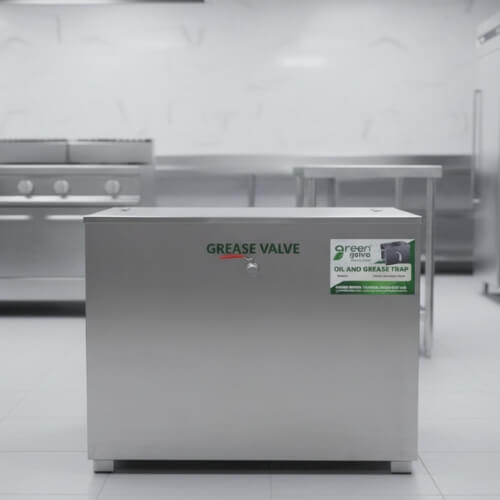
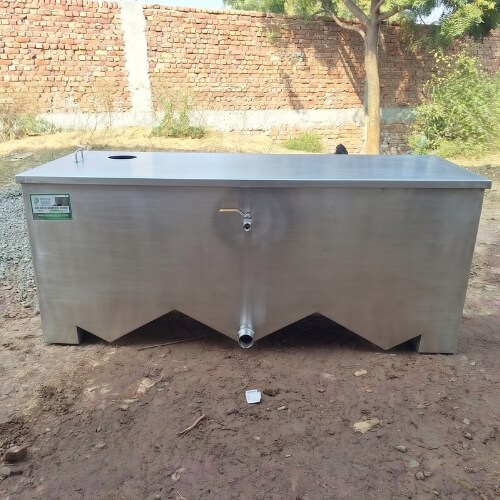
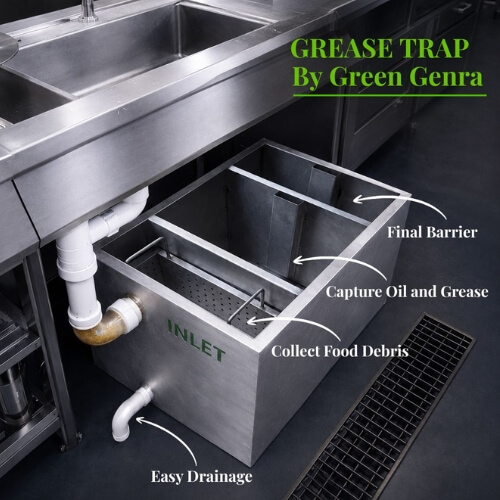
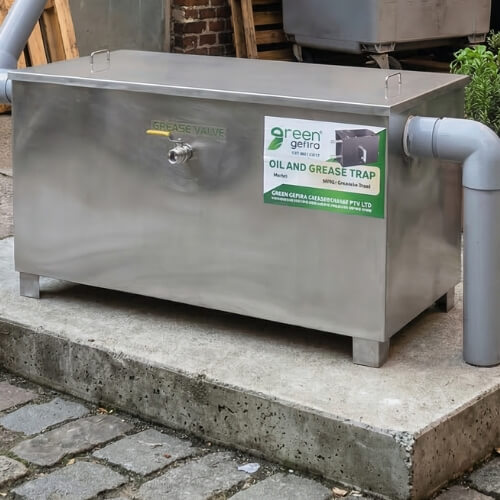
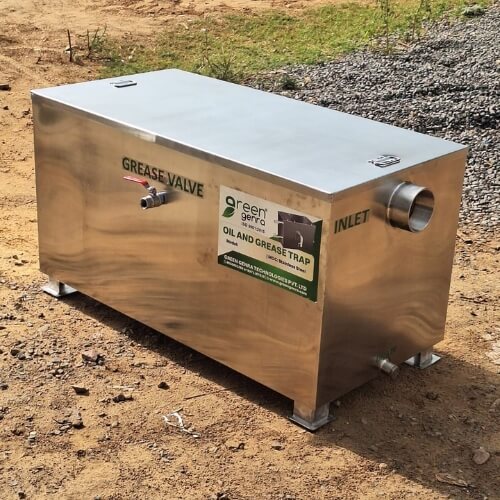
Commercial kitchens deal with large volumes of food, cooking oils, fats, food particles and wastewater daily. Hotels, food jo...
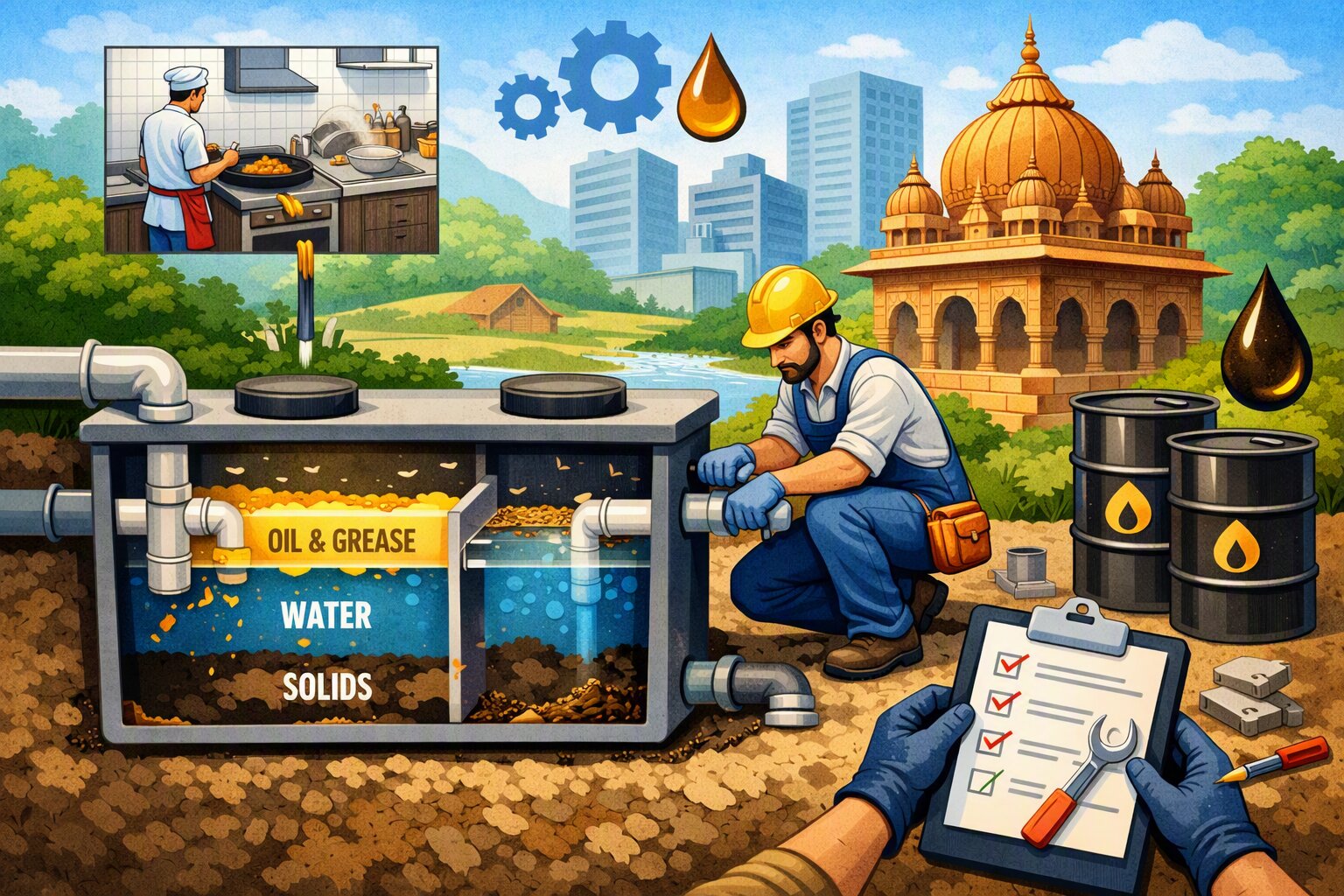
Commercial kitchens, restaurants, healthcare facilities, canteens, food joints, and food processing units generate wastewater...
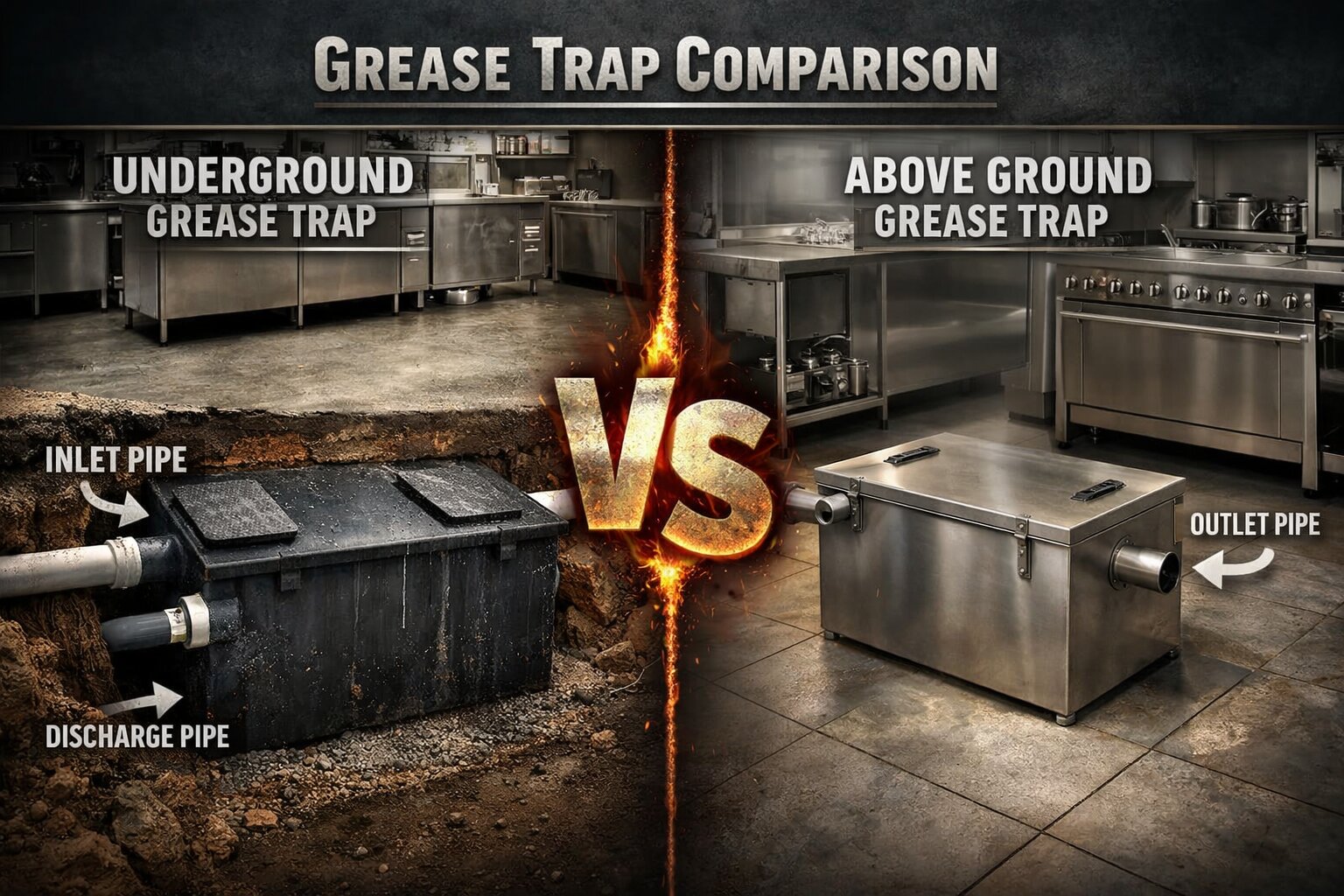
Commercial kitchens in restaurants, hotels, food courts and other food facilities generate large quantities of FOG – fa...