
EPR Registration for Battery Waste: A Comprehensive Guide
Extended Producer Responsibility or EPR registration mandates manufacturers and importers of batteries take the responsibility for managing the disposal of battery waste.
EPR registration for battery waste is an effort to minimize environmental pollution and encourage recycling. Companies from obtain EPR authorization from the Central Pollution Board Control to comply with these guidelines and ensure proper waste management.
With the increasing use of batteries in various devices and vehicles, managing battery waste has become important environmental challenge. This EPR registration plays a significant role in addressing the issue.
Understand the Legal Requirements for EPR Registration in India
In EPR for battery waste management, registration is mandatory under the Environment Protection Act and various waste management rules. This regulation holds the Indian producers, importers and brand owners accountable for the eco-friendly management of the waste of their products after the end of their life cycle.
For EPR registration, the responsible stakeholders must apply to the Central Pollution Control Board (CPCB) or the relevant State Pollution Control Boards. This process includes the submission of detailed plans for waste collection, recycling and disposal according to the established targets. The stakeholders responsible must provide the documents including the annual returns, and waste-handling agreements, to showcase the commitment of the company to environmental responsibility.
Battery waste EPR compliance mandates that the companies implement a collection method to handle their products’ waste responsibly and in a sustainable manner. The producers are required to set up the collection centres, work with authorized recyclers and establish take-back programs or deposit schemes to facilitate effective waste management.
Non-compliance with the EPR norms may lead to huge penalties, legal actions and even closure and ban of the business operations. EPR registration ensures regulatory compliance and also fosters sustainable waste management practices, promoting a circular economy and minimizing environmental hazards.
What is the importance of EPR registration for battery waste?
EPR registration for battery waste mandates manufacturers, importers and brand owners of batteries take charge of their end-of-life disposal in an eco-friendly manner.
- Environmental protection: Proper disposal of battery waste prevents harmful chemicals from contaminating soil and water, thus protecting the environment.
- Sustainability: The EPR promotes recycling and reuse of battery materials, contributing to the circular economy and minimizing the dependence of raw materials thus protecting them from depletion.
- Legal compliance: EPR registration for plastic waste is a legal requirement in India, helping companies avoid legal penalties and align with national waste management policies.
Who requires EPR Registration for Battery Waste?
In India, EPR registration for Battery Waste is required for producers, importers, and battery brand owners. All the companies manufacturing or importing batteries as well as those incorporating batteries into products must manage the battery collection, recycling and disposal according to the Battery waste rules compliance.
What are the types of batteries covered under the EPR Regulations?
Under the EPR Regulations in India, the following batteries are covered-
- Primary Batteries: These are non-rechargeable batteries such as alkaline and zinc carbon.
- Secondary Batteries: They are rechargeable batteries including nickel-cadmium, lithium-ion and lead-acid batteries.
- Electric Vehicle batteries: They are used in electric vehicles.
- Industrial Batteries: All the batteries used in industrial applications are often larger and with higher capacity.
- Portable Batteries: Small, handheld batteries, used in devices like laptops, mobile phones, and power tools.
What is the EPR Application Process?
The EPR battery waste registration process requires the stakeholders including producers, importers and brand owners to apply with the CPCB. The process involves submitting a detailed EPR plan that outlines the waste collection, recycling and disposal mechanisms for end-of-life batteries.
Through the Battery EPR online registration through the CPCB portal, the stakeholders must register, providing information on products, volume, collection targets and partnerships with the authorized recyclers.
CPCB will review the application form and grant the EPR authorization if found satisfactory. The producers, importers and brand owners must also submit annual reports showcasing compliance with the collection and recycling targets. Non-compliance can result in huge penalties and legal action.
What are the Documents required for the EPR Registration?
For the EPR registration following documents are required-
- Company Incorporation Certificate
- PAN and GST Registration
- Product Details (Types and the Quantities of the Batteries)
- EPR Plan (waste collection, recycling the strategies for disposing of them)
- Agreements with Authorized Recyclers
- Annual Compliance Reports (If Applicable)
What is the process of EPR registration for battery waste?
- Documentation: Companies need to prepare comprehensive documentation that includes details of their waste management plans and financial records.
- Application: The application for EPR authorization is submitted to the CPCB.
- Review: The CPCB reviews the application by verifying all the documents submitted.
- Approval: The Central Pollution Control Board approves the application and business receives an EPR certificate that is typically valid for a specific period before renewal is required.
What are the common challenges in EPR Registration and how to overcome them?
The Common Challenges include-
- Complex Documentation
- Compliance with strict CPCB Guidelines
- Finding Authorized Recyclers
- Setting Up an Effective Waste Collection and Recycling system
- Meeting the collection Targets
- Ensuring Timely Reporting
How to overcome these Challenges?
- Working with professional and experienced EPR consultants
- Automate Compliance Tracking
- Establish Partnerships with Certified Recyclers
- Investing in ERP Planning, Staff Training and Regular Audits
What are the Benefits of EPR Registration for the Manufacturers and Importers?
- Regulatory Compliance: The EPR registration ensures compliance with environmental laws, avoiding fines and legal issues.
- Enhanced brand reputation: It showcases the business's understanding of its responsibility towards the environment and the general public, enhancing its brand image among environmentally friendly consumers.
- Minimize Optimization: EPR registration Battery recycling is encouraged, thus reducing the costs and dependency on scarce raw materials, fostering a sustainable future.
- Competitive Edge: The businesses proactively managing their battery waste stand out from their competitors.
- Ecological Impact: The Battery waste management registration supports eco-friendly practices, minimizing pollution and landfill waste, contributing to a salubrious environment.
- Seamless Market Access: Businesses can seamlessly operate in various regions with EPR registration ensuring uninterrupted market access.
What are the post-registration compliance and reporting requirements?
Post EPR battery waste registration, the manufacturers, importers and brand owners must adhere to these compliance and reporting needs-
- Annual Compliance Reports: They must submit the annual reports to the CPCB outlining waste collection, recycling and disposal efforts.
- Collection Targets: The businesses must meet the prescribed collection and recycling targets according to the sales volume.
- Authorized Recyclers: As part of battery waste recycling authorization India, businesses must work with certified recyclers for eco-friendly and safe waste handling.
- Public Awareness: Businesses must conduct public awareness programs to inform consumers about battery waste disposal.
- Audit: They must maintain detailed records of waste management activities for potential audits and inspections by the competent authorities.
What are the best practices for effective battery waste collection and recycling?
- Setting up of collection points
- Partnering with authorized recyclers for safe processing
- Consumer Awareness through educating them on proper disposal methods
- Offering incentives to consumers for returning used batteries
- Conducting regular audits to track compliance.
What are the EPR registration fees and Timeline?
Extended Producer Responsibility for batteries registration varies depending on the type and quantity of products being produced.
Plastic Waste- The applicable fee for the plastic waste is
- INR 10,000 for less than 1000 tons per annum
- INR 20,000 for 1000 – 10,000 tons per annum
- INR 50,000 for more than 10,000 tons per annum.
E-waste- The registration fees for E-waste are between INR 10,000 to INR 50,000, depending on the type and quantity of electronic products produced.
The timeline for the EPR batter waste registration process can vary between 15 to 30 days.
The EPR Registration Process is overwhelming; it is thus advisable to work with a professional service provider to navigate the process effectively without any hassle.
EPR registration for battery waste is not a regulatory need but a step towards a more eco-friendly future. By understanding and participating in EPR, consumers, manufacturers and recyclers can contribute to a cleaner and healthier environment.
The comprehensive guide aims to equip stake holders with the required knowledge to navigate the complexities of EPR registration and to foster an environment of responsible battery waste management in India.
FAQs
1. What is EPR registration for battery waste?
EPR registration for battery waste is a legal requirement in India that mandates producers to manage the disposal of battery waste responsibly and sustainably.
2. For whom the EPR registration for battery waste is compulsory?
EPR registration for battery waste is compulsory for manufacturers, importers, and brand owners of the battery product in India.
3. What is the process of EPR registration for battery waste?
The process of EPR registration for battery waste involves submitting an application with waste management plans to Central Pollution Control Board for approval.
4. For how long the EPR Registration for battery waste valid?
EPR registration for battery waste in India is normally valid for five years before requiring renewal.
5. How many days before the expiry EPR registration for battery waste needs to be renewed?
EPR registration for battery waste should be renewed at least 120 days before its expiry.
-
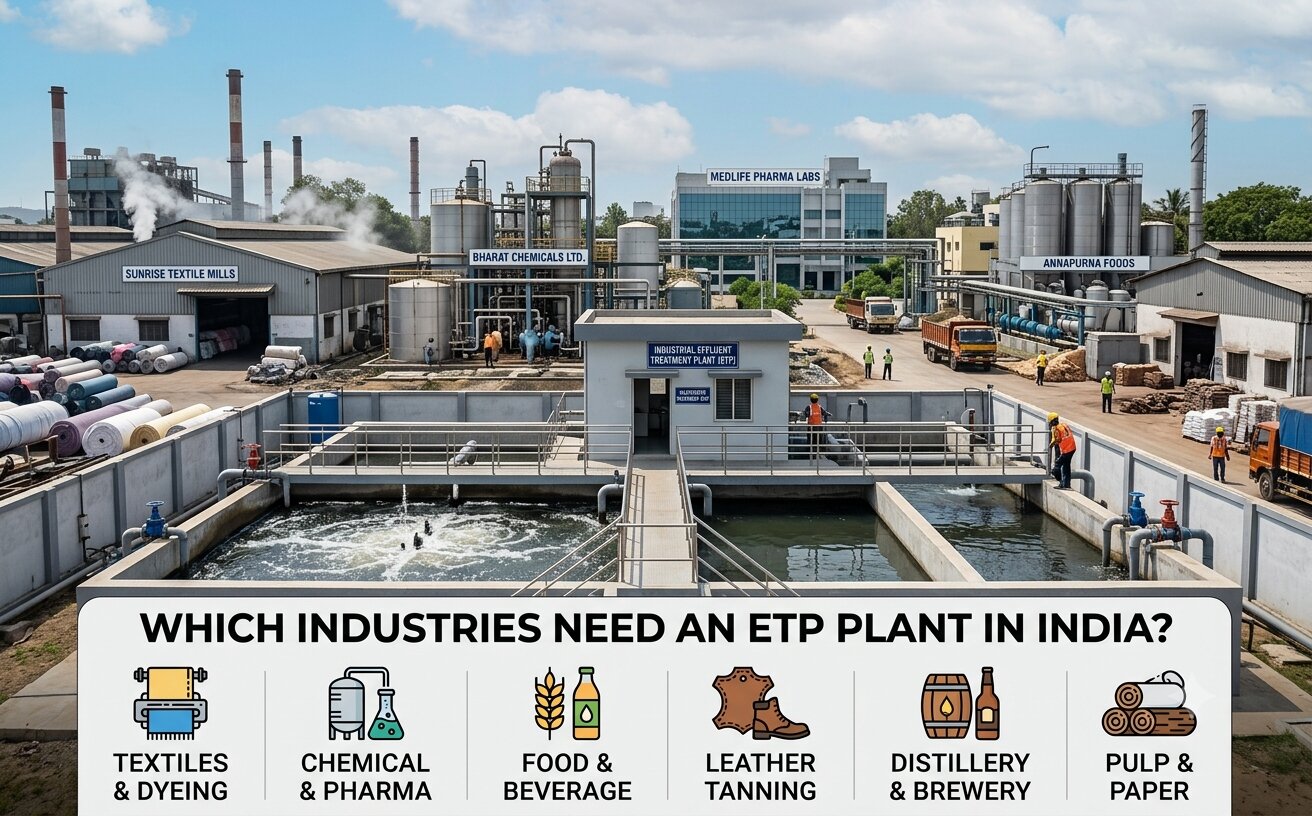
Which Industries need an ETP Plant in India?
17-09-2026
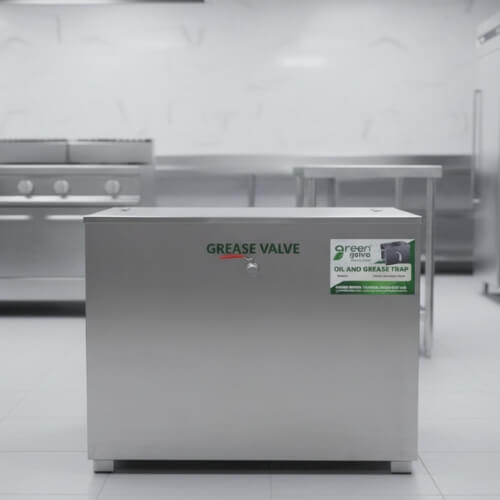
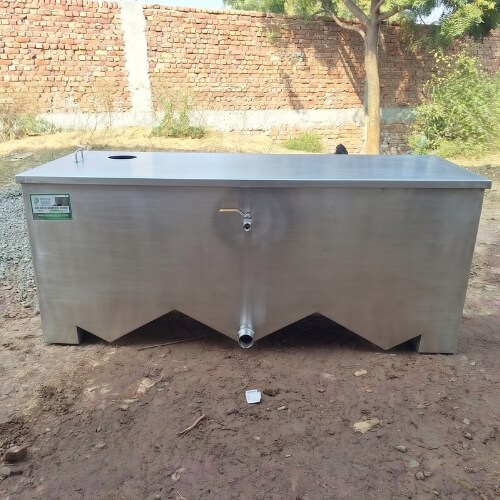
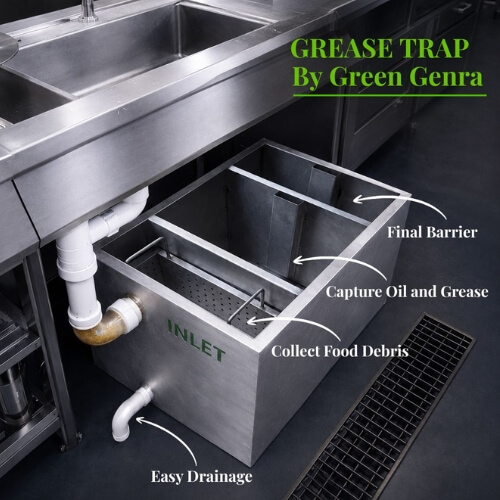
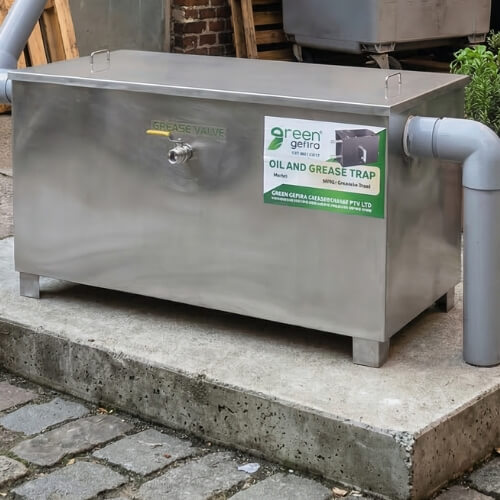
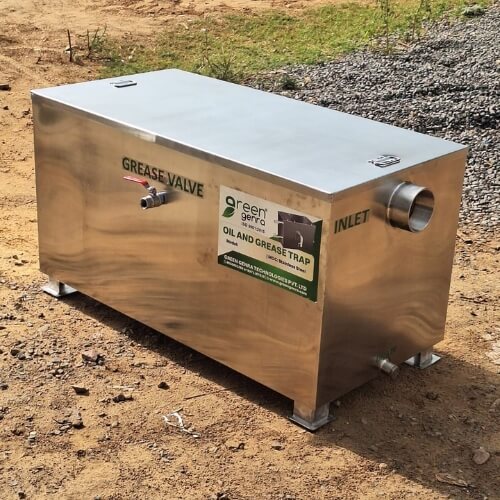

















































Choosing the right oil grease trap size for your restaurant is important for maintaining an efficient commercial kitchen, pre...
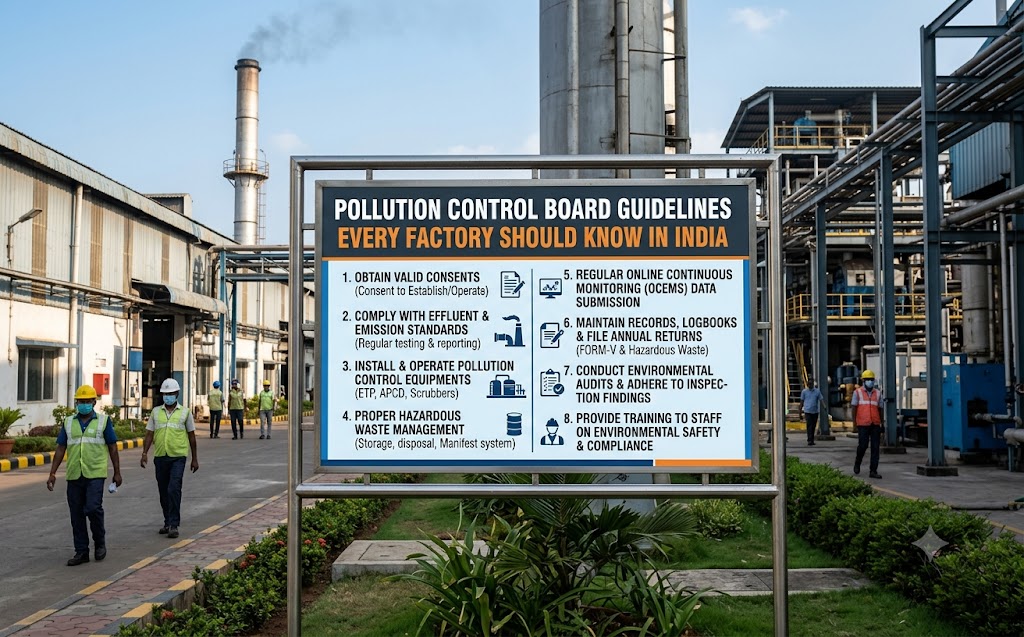
Factories in India operate under environmental regulations set by regulatory authorities to control pollution, protect natura...
Industrial growth in India has hit sky-high across many verticals, including manufacturing, textiles, pharmaceuticals, chemic...
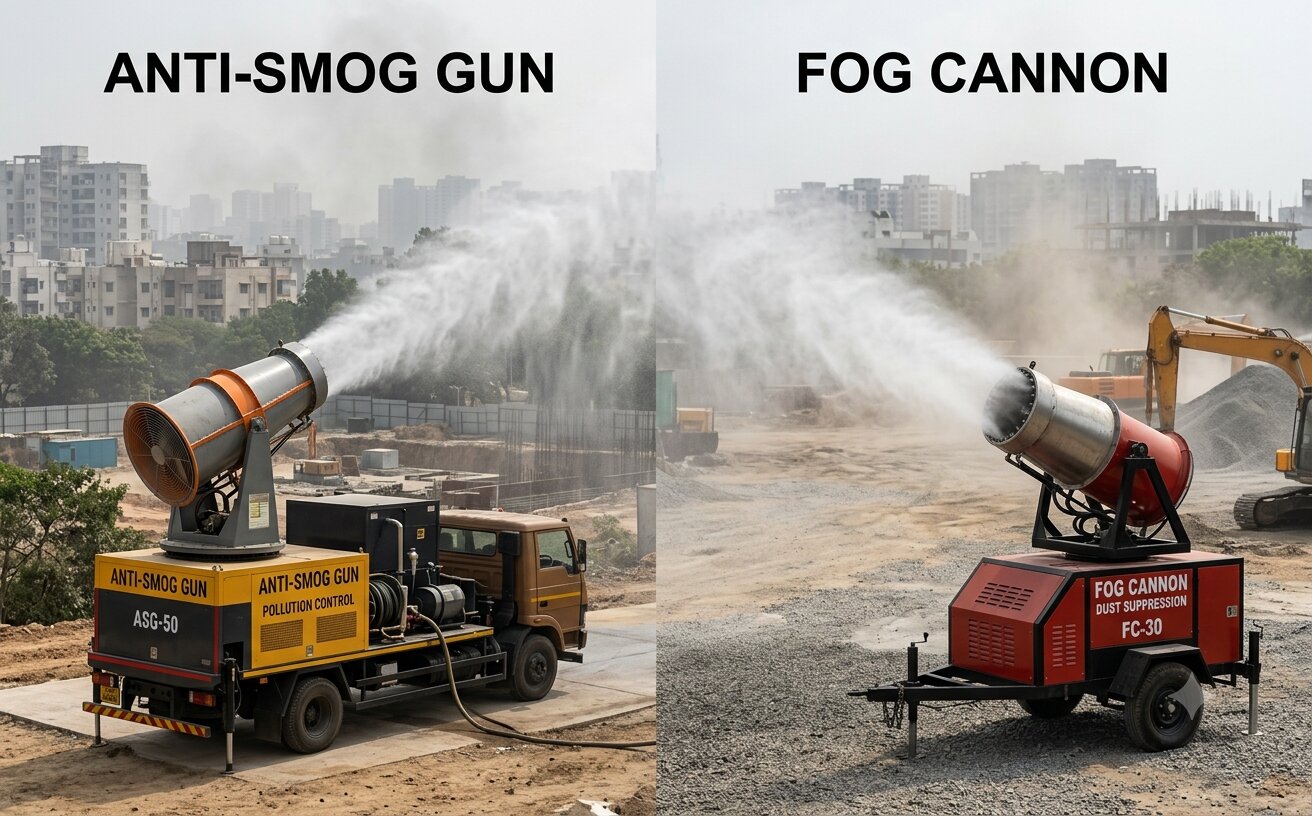
One of the most common issues Indian cities are facing is pollution. Pollution is very common in Delhi and the NCR area, wher...

Commercial kitchens deal with large volumes of food, cooking oils, fats, food particles and wastewater daily. Hotels, food jo...
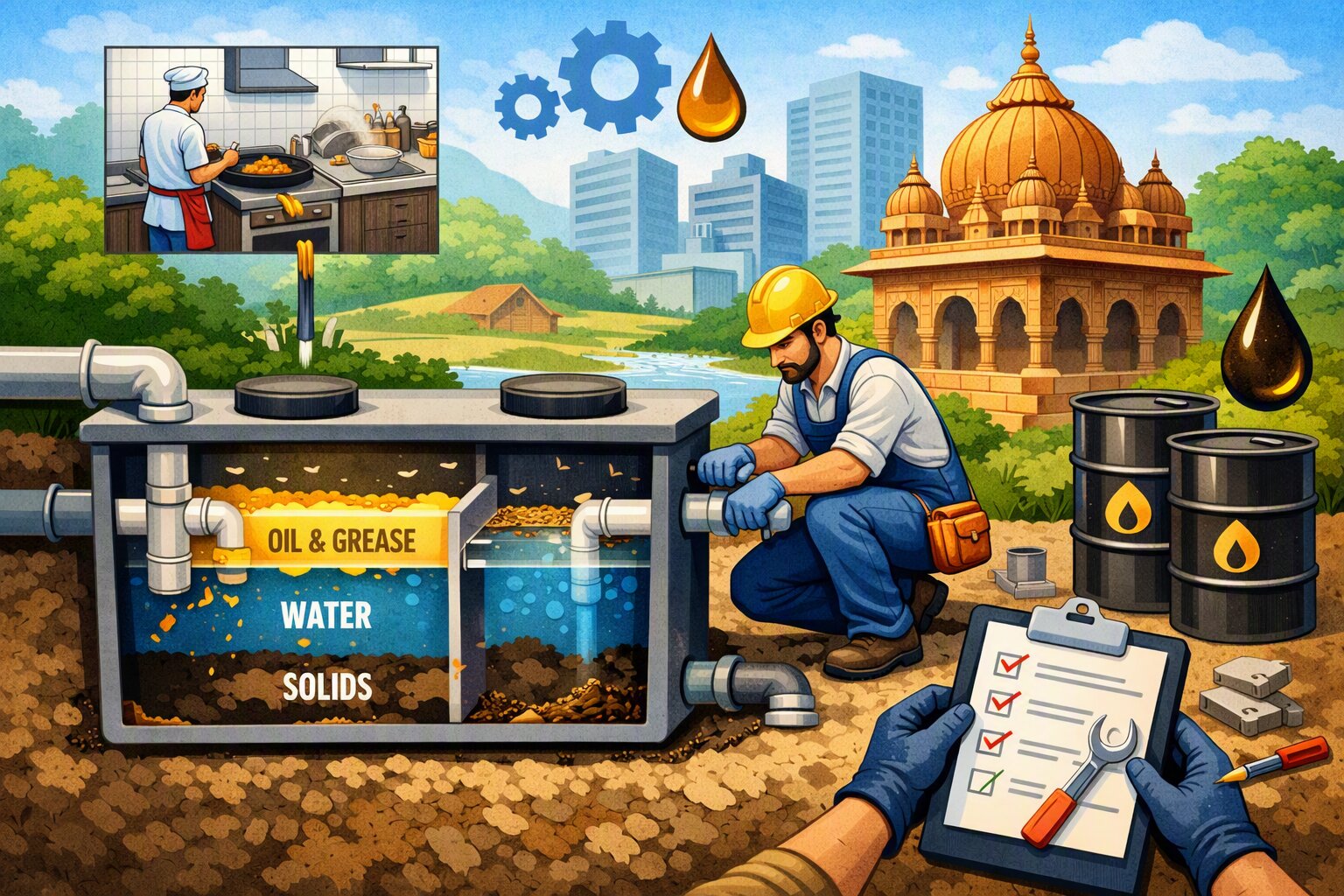
Commercial kitchens, restaurants, healthcare facilities, canteens, food joints, and food processing units generate wastewater...