
How to obtain an EPR Certificate for Battery Waste: A step-by-step guide?
The rising use of batteries in various sectors has paved way the challenge for effective battery waste management. Here comes the role of EPR certificate battery waste to play.
The EPR certificate holds the producers responsible for the entire lifecycle of their products including disposal.
Here is the step-wide guide to help one navigate the process of obtaining EPR certificate for battery waste –
- Know the regulatory framework: It is important to know the regulatory framework for battery waste management. The rules outline the responsibilities of producers, importers and brand owners in managing battery waste. Knowing the rules helps them ensure compliance and prepare required documents.
- Conduct internal assessment: Evaluate current battery waste management practices. Know the quantity and type of batteries produced, imported or sold. Also assess the existing collection, recycling and methods of disposal. This will help business know their EPR obligations and identify areas for improvement.
- Develop EPR plan: Develop a comprehensive EPR plan that outlines how you will manage the end-of-life disposal of batteries. The plan needs to include collection mechanism, recycling and disposal, consumer awareness, and reporting and documentation.
- Partner with authorized recyclers: Collaborate with authorized recyclers approved by the Central and State pollution control board. These partnerships are important for ensuring that collected batteries are recycled or disposed of properly.
- Submit the EPR plan: Submit the EPR plan to Central or State pollution control board, with all the required documents attached including EPR plan, details of collection and recycling partners and evidence of compliance with existing rules.
- EPR registration: Once the EPR plan is reviewed and approved, the regulatory authorities will issue an EPR registration certificate. This certificate is formal recognition of compliance with EPR regulations and your commitment to responsible battery waste management.
- Implementing EPR plan: After receiving your EPR certificate battery waste implement the EPR plan. Set up collection mechanisms, initiate recycling processes and launch consumer awareness campaigns as outlined in the plan. Regular monitoring of EPR activities ensures compliance and identifies areas for improvement.
- Maintain compliance and reporting: Ongoing compliance is important. Maintain accurate records of battery waste management activities and submit periodic reports to regulatory authorities. These reports should outline details of quantities of batteries collected, recycled and disposed of ensuring accountability and transparency in the EPR program.
Also read: EPR Registration for Battery Waste : Guide
Obtaining EPR certificate for battery waste is a systematic process and need good understanding of requirements. It is thus advisable to take help from a professional service provider who will help you navigate the process without any hassle and get your EPR certificate for battery waste easily.
FAQs
1. What is EPR certificate for battery waste?
EPR certificate for battery waste is a regulatory authorization that holds producers responsible for sustainable collection, recycling and disposal of used batteries.
2. What is the benefit of EPR certificate for battery waste?
The benefit of an EPR certificate for battery waste is that it ensures responsible disposal, minimizes environmental pollution and promotes sustainable practices.
3. What is the key responsibility of producers under an EPR certificate for battery waste?
The key responsibility of producers under EPR certificate for battery waste is to ensure eco-friendly sound collection, recycling and disposal of used batteries.
-
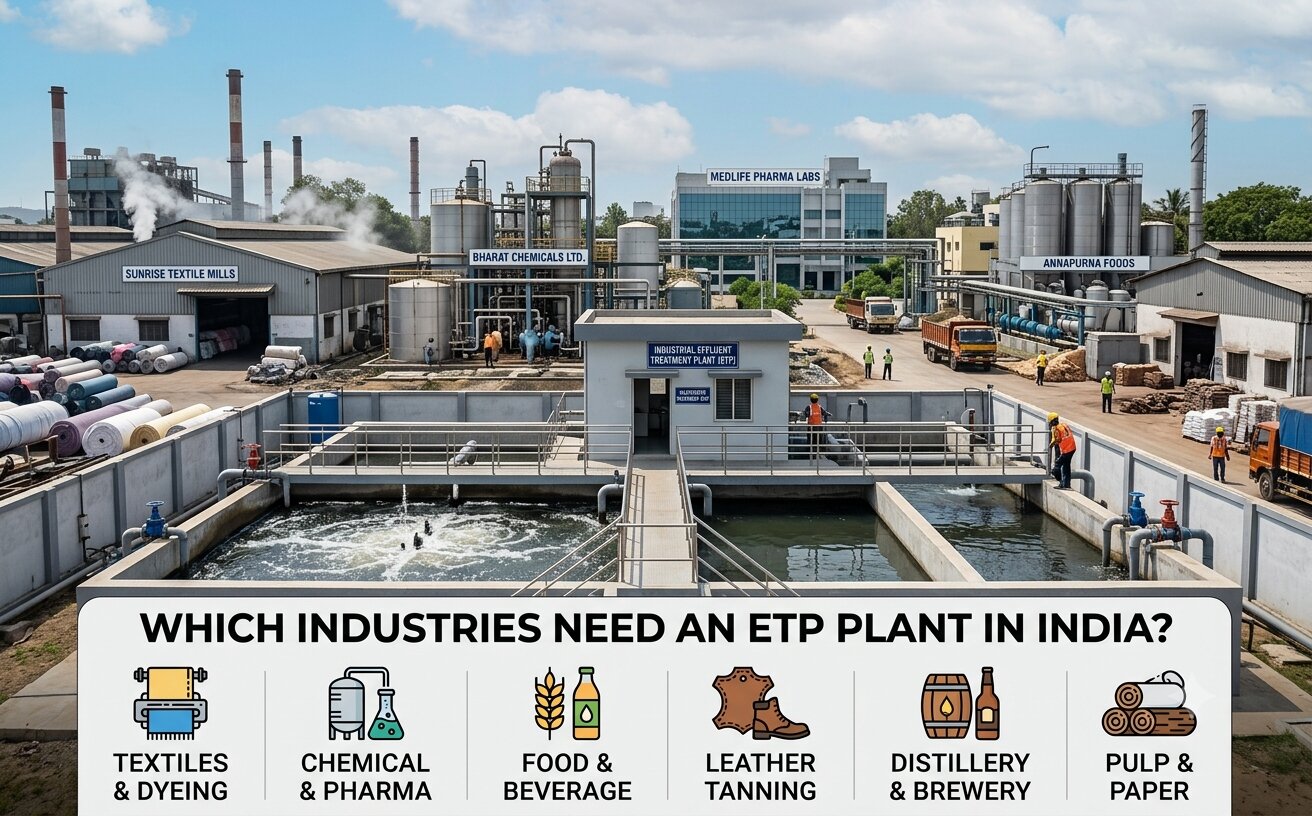
Which Industries need an ETP Plant in India?
17-09-2026
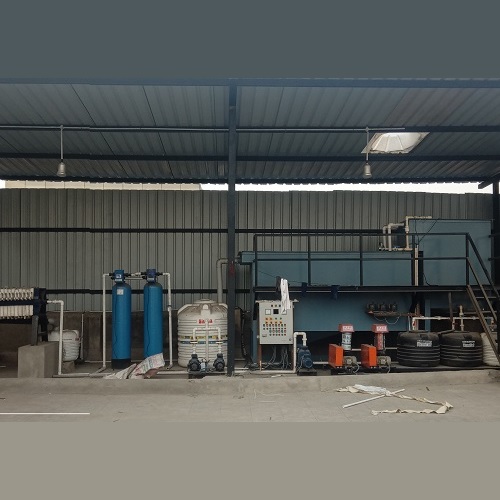
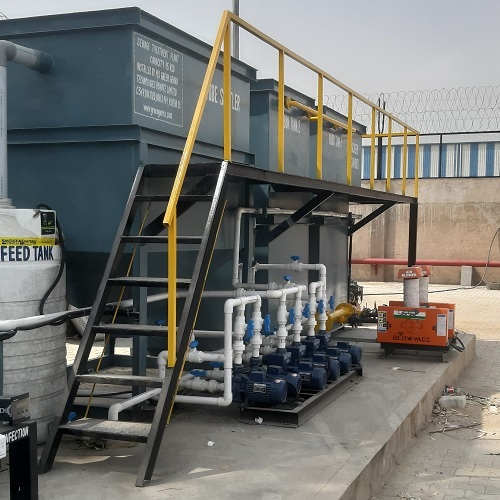
















































Industrial growth in India has hit sky-high across many verticals, including manufacturing, textiles, pharmaceuticals, chemic...
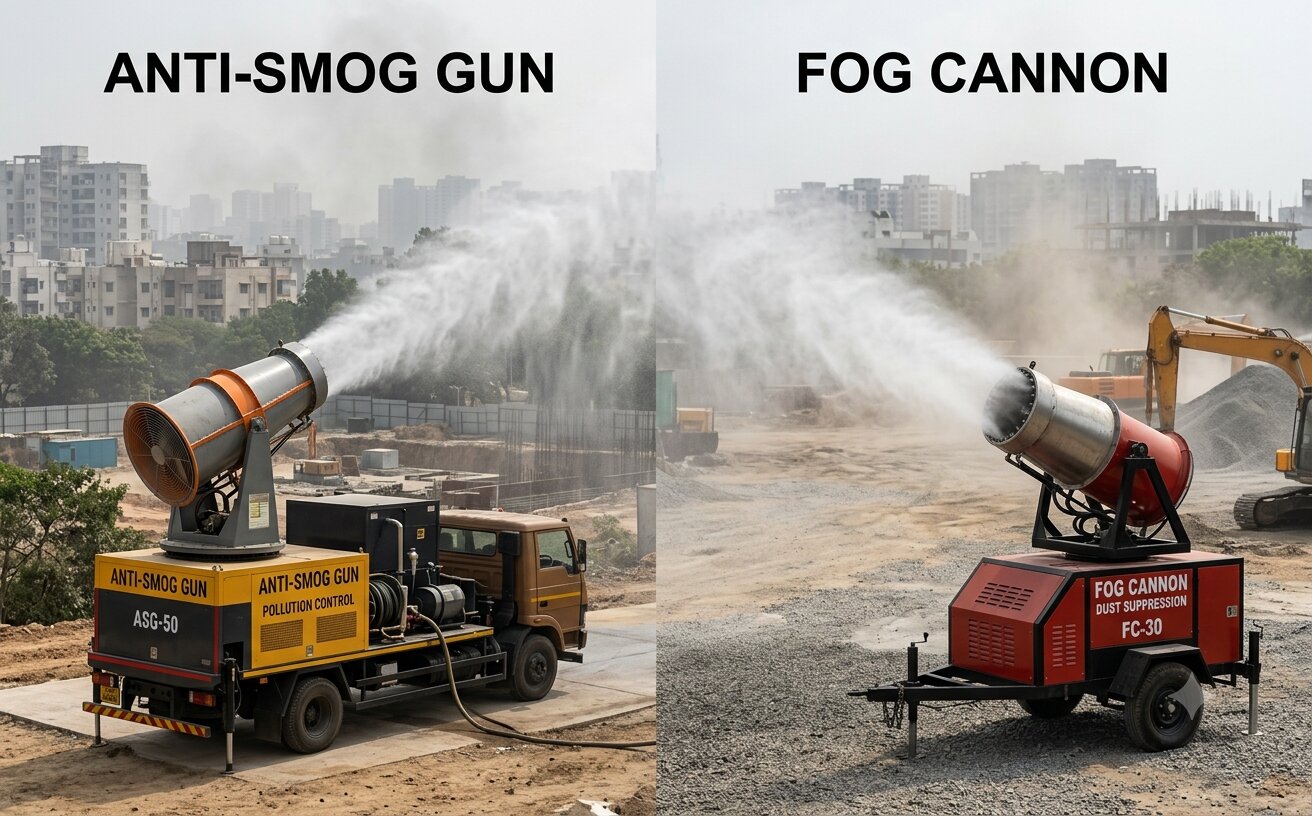
One of the most common issues Indian cities are facing is pollution. Pollution is very common in Delhi and the NCR area, wher...

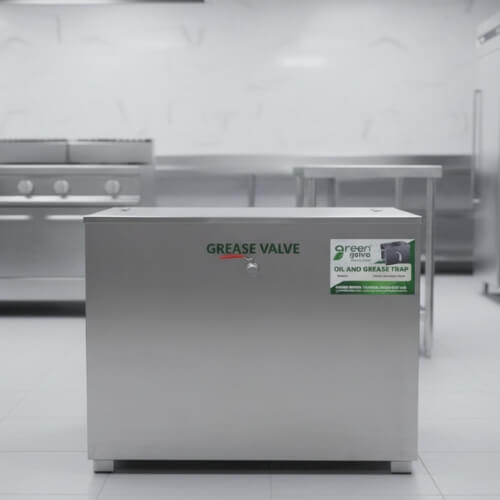
Commercial kitchens deal with large volumes of food, cooking oils, fats, food particles and wastewater daily. Hotels, food jo...
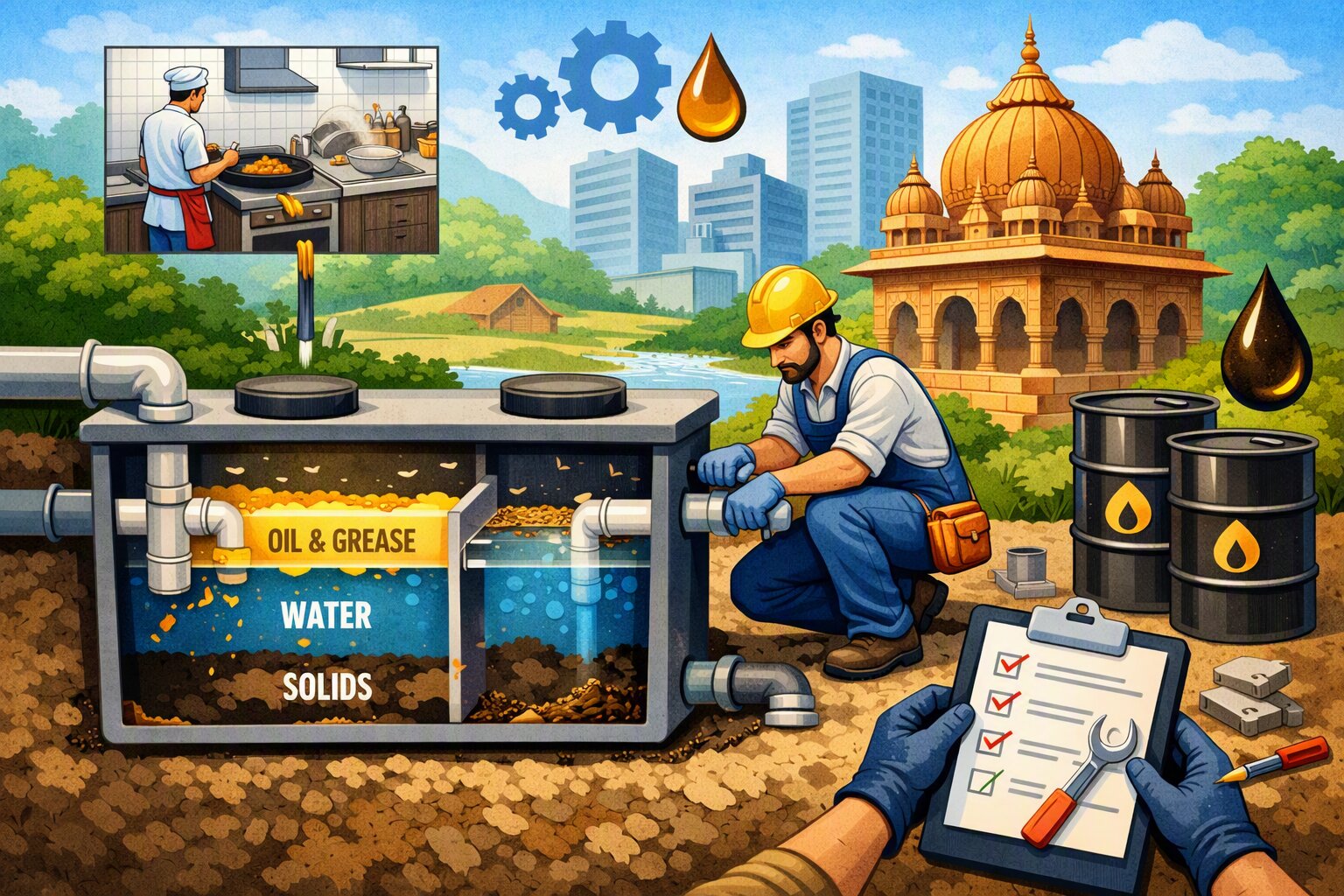
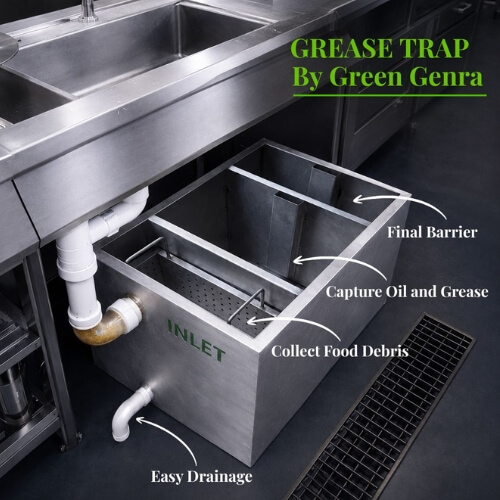
Commercial kitchens, restaurants, healthcare facilities, canteens, food joints, and food processing units generate wastewater...
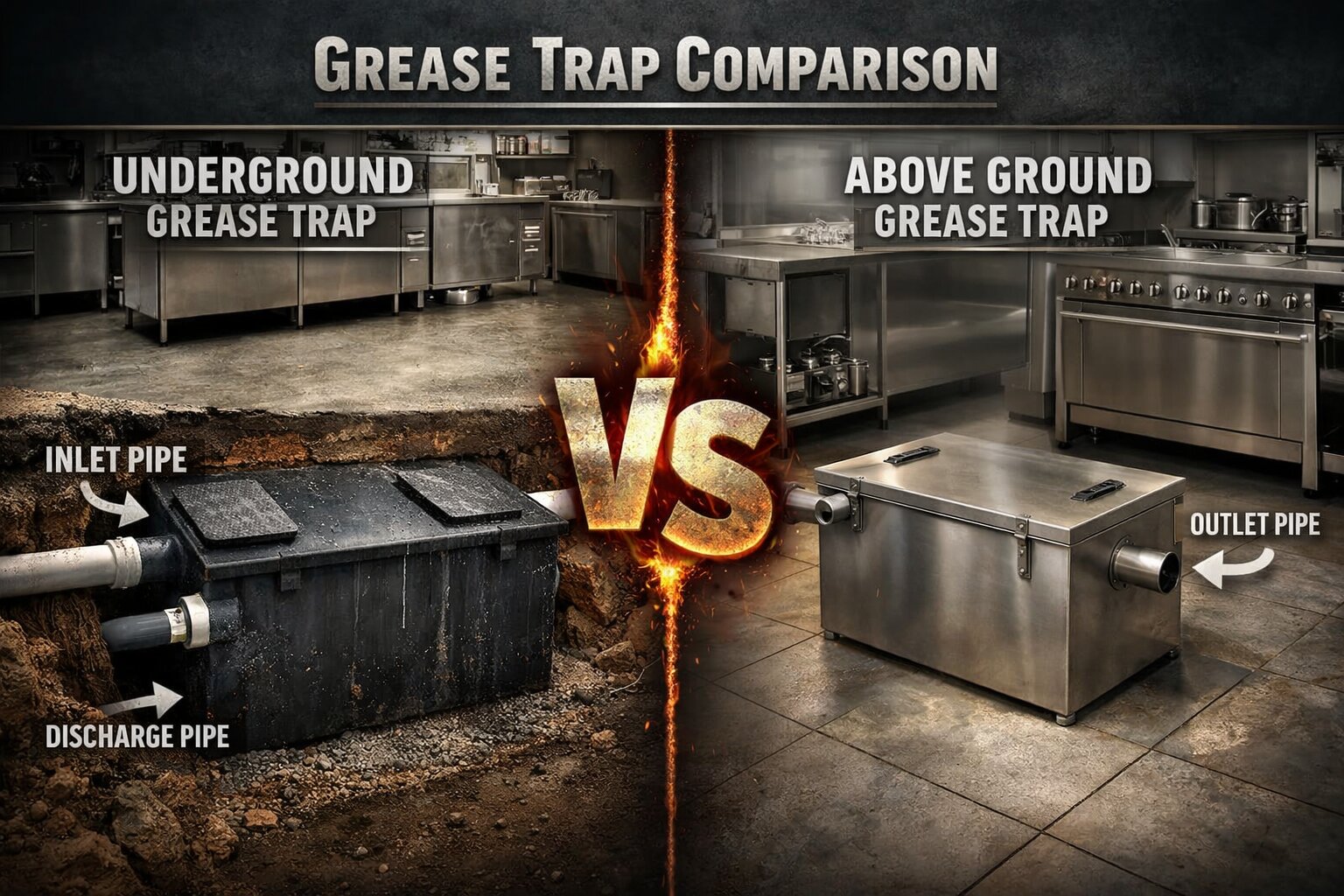
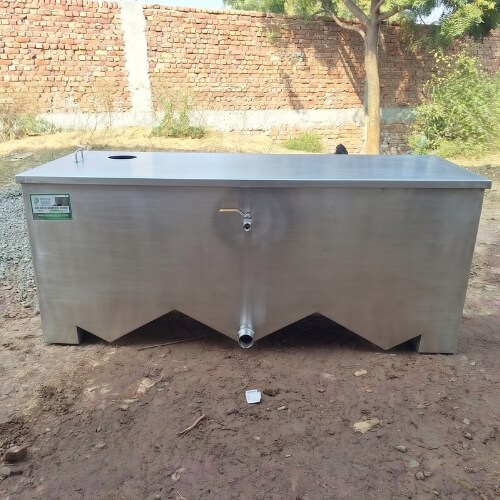
Commercial kitchens in restaurants, hotels, food courts and other food facilities generate large quantities of FOG – fa...

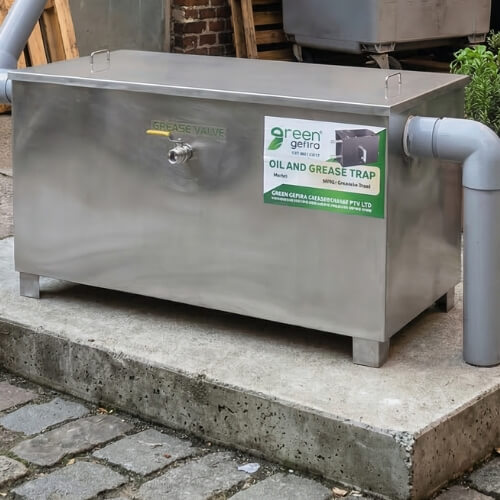
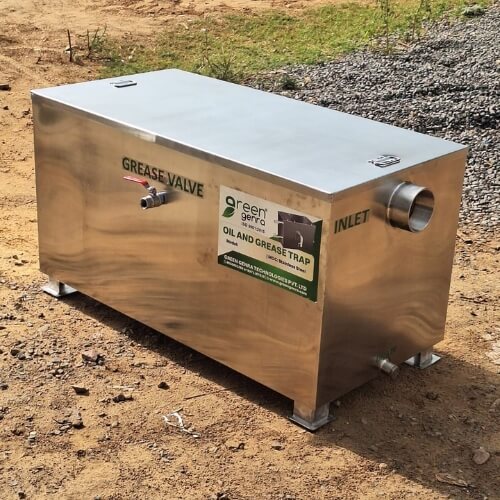
If you are an owner of a restaurant, you must consider investing in a good grease separator. The best Grease Trap for a resta...