
India International Water Week - Climate Resilient Water Management Event Description Although nearly 70% of the Earth&...

How to register for tyre waste EPR – Step-by-Step Guide
How to register for tyre waste EPR – Step-by-Step Guide
23-07-2024
With the increasing concern for environmental sustainability, the management has become a pressing issue in India.
Improper disposal and accumulation of used tyres pose great threats to ecosystems and human health. EPR registration for tyre waste has emerged as a significant mechanism to address the environmental impact of tyre waste.
What is EPR registration for tyre waste?
EPR is a policy approach that holds producers responsible for the entire lifecycle of their products including proper disposal or recycling.
EPR registration for tyre is a legal requirement for producers to take responsibility for managing and recycling the waste tyres they produce, sell or import in the market. With EPR registration for tyre waste, producers contribute to a circular economy and promote sustainability.
Entities that require EPR registration for tyre waste in India –
- Producers
- Recyclers
- Retraders
What are the documents required for tyre waste EPR registration?
- Company’s pan card
- Company’ GST number
- IEC number of company in case of importing waste tyres
- CIN number of company
- Aadhar number of authorized person
- Covering letter
- Undertaking
- Tyre composition
- Plant-wise manufacturing data.
What fees is charged for EPR registration for waste tyres?
The fees for EPR registration varies from INR 10,000 to INR 50,000 based on quantity of waste generated by manufacturer/ producer or importers.
The EPR certificate is valid for the period of five years once granted.
What is the process of EPR tyre waste registration?
- All the applicants first need to provide complete details for their EPR waste certification.
- The details with an application has to be filed with EPR authorities online
- The Control for Pollution Control Board will evaluate the online application for e-waste EPR registration and will revert back in the event of any concerns or inconsistencies.
- The certificate of authorization will be granted within the 30 days of filing the application. Once the certificate is issued producers are required to implement an EPR plan to meet EPR target.
What are the benefits of EPR tyre waste registration?
- EPR registration for tyre waste ensures that the tyre waste is managed in an environmentally responsible manner. The registration encourages producers to take responsibility for the entire life cycle of their products including proper disposal and recycling. With EPR registration the amount of tyre waste sent to landfills or illegally dumped can be reduced leading to a cleaner and healthier environment.
- Tyres are made from valuable materials that can be reused or recovered. EPR registration promotes the establishment of efficient recycling and recovery process for tyre waste. This helps conserve natural resources by minimizing the need for raw materials used in the production of new tyres. With reuse and recycling of tyres, EPR contributes to more sustainable and circular economy.
- Recyling of tyre needs less energy as compared to manufacturing them from scratch. EPR registration motivates tyre recycling facilities where tyres are processed into various products like rubberized asphalt, sports surfaces or construction materials. EPR saves energy and minimize carbon footprint pertaining to new tyre production.
- Tyre recycling creates new job opportunities leading to growth of sector focused on tyre waste management. This creates jobs in collection, sorting, processing and manufacturing of recycled tyre products contributing to local economies.
- EPR registration ensures producers or tyres comply with waste management regulations and obligations, providing framework for monitoring and enforcing the proper handling of tyre waste throughout its life cycle. It also prevents illegal dumping and encourages adhering to waste management practices fostering cleaner and more sustainable environment.
FAQs
1. For how long the EPR for tyre waste registration is valid?
The registration certificate is valid for the period of five years once granted.
2. For which entities EPR tyre waste registration is mandatory?
Producers, recyclers and retraders have to apply for EPR tyre waste registration.
3. How many days before the due date, renewal application has to be made?
The renewal of EPR for tyre waste registration can be renewed 60 days before the due date.
Share with:
Latest News
-
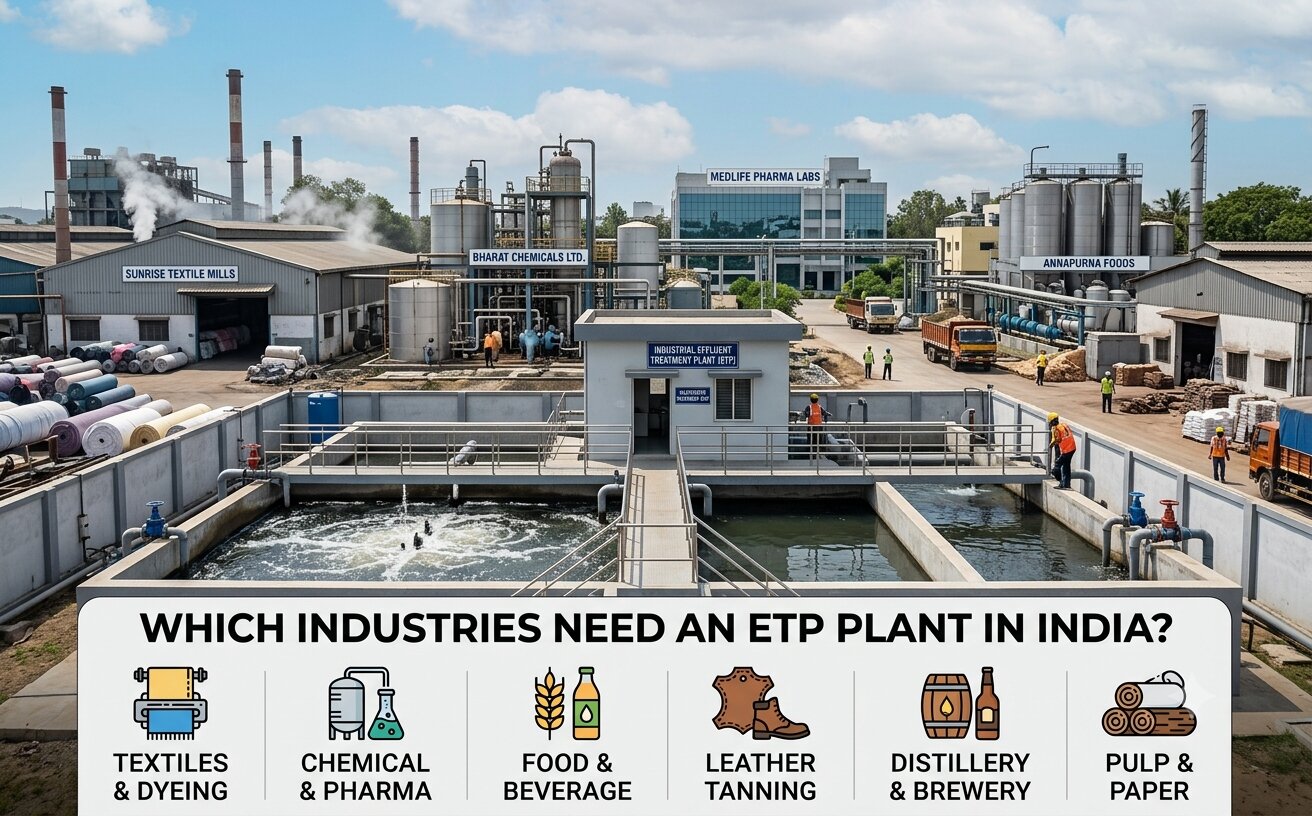
Which Industries need an ETP Plant in India?
17-09-2026
Our Clients
















































Latest News
Which Industries need an ETP Plant in India? 17-09-2026
Industrial growth in India has hit sky-high across many verticals, including manufacturing, textiles, pharmaceuticals, chemic...
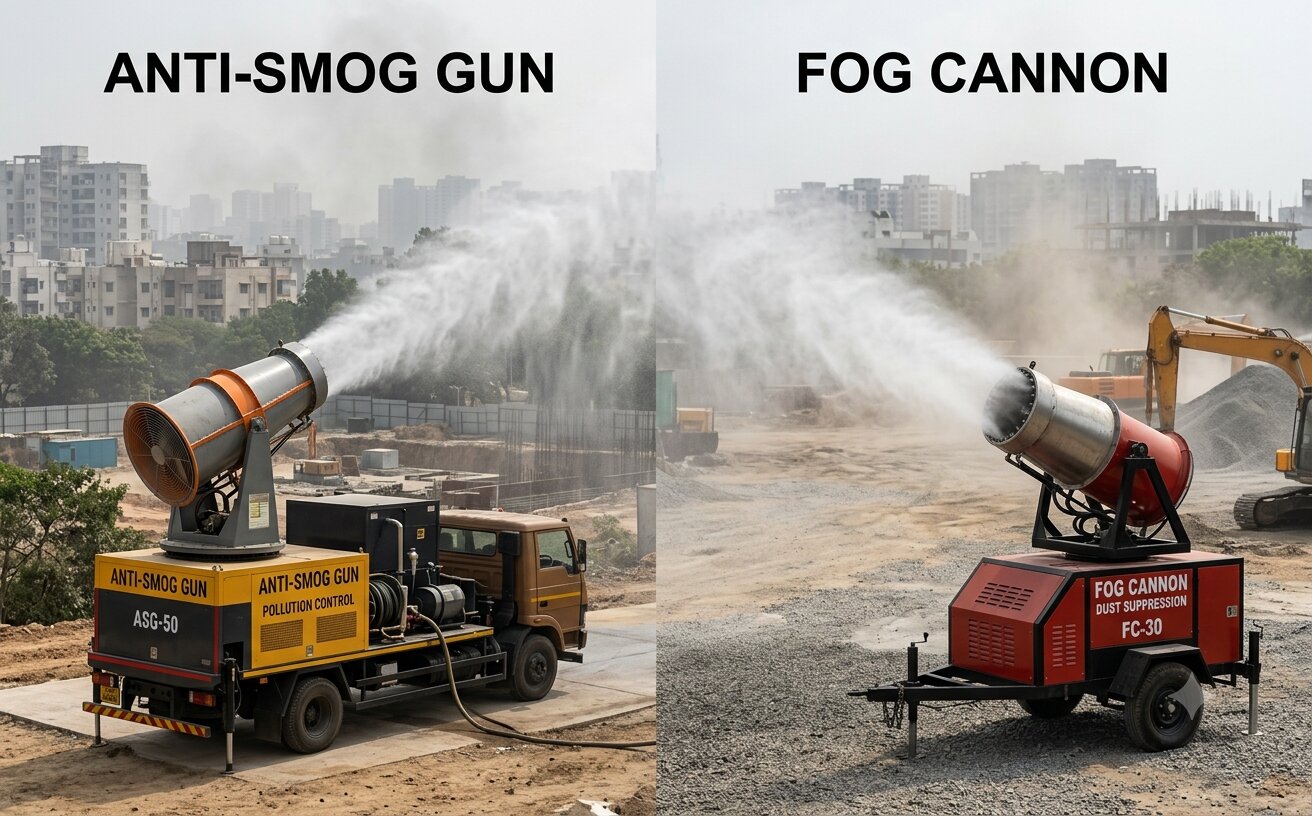
One of the most common issues Indian cities are facing is pollution. Pollution is very common in Delhi and the NCR area, wher...

Commercial kitchens deal with large volumes of food, cooking oils, fats, food particles and wastewater daily. Hotels, food jo...
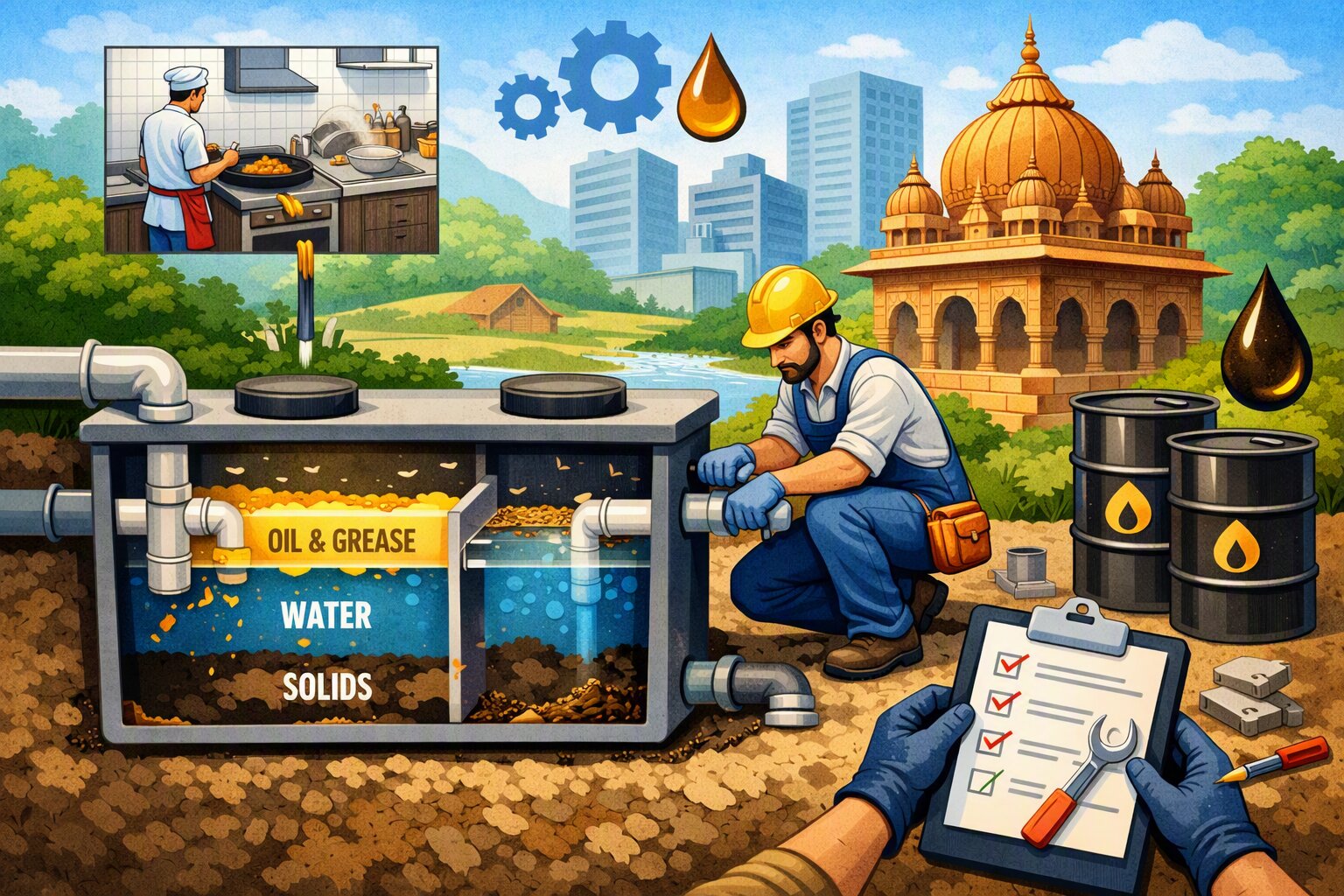
Complete Guide to Oil & Grease Traps in India: Types, Working, Installation & Maintenance 12-08-2026
Commercial kitchens, restaurants, healthcare facilities, canteens, food joints, and food processing units generate wastewater...
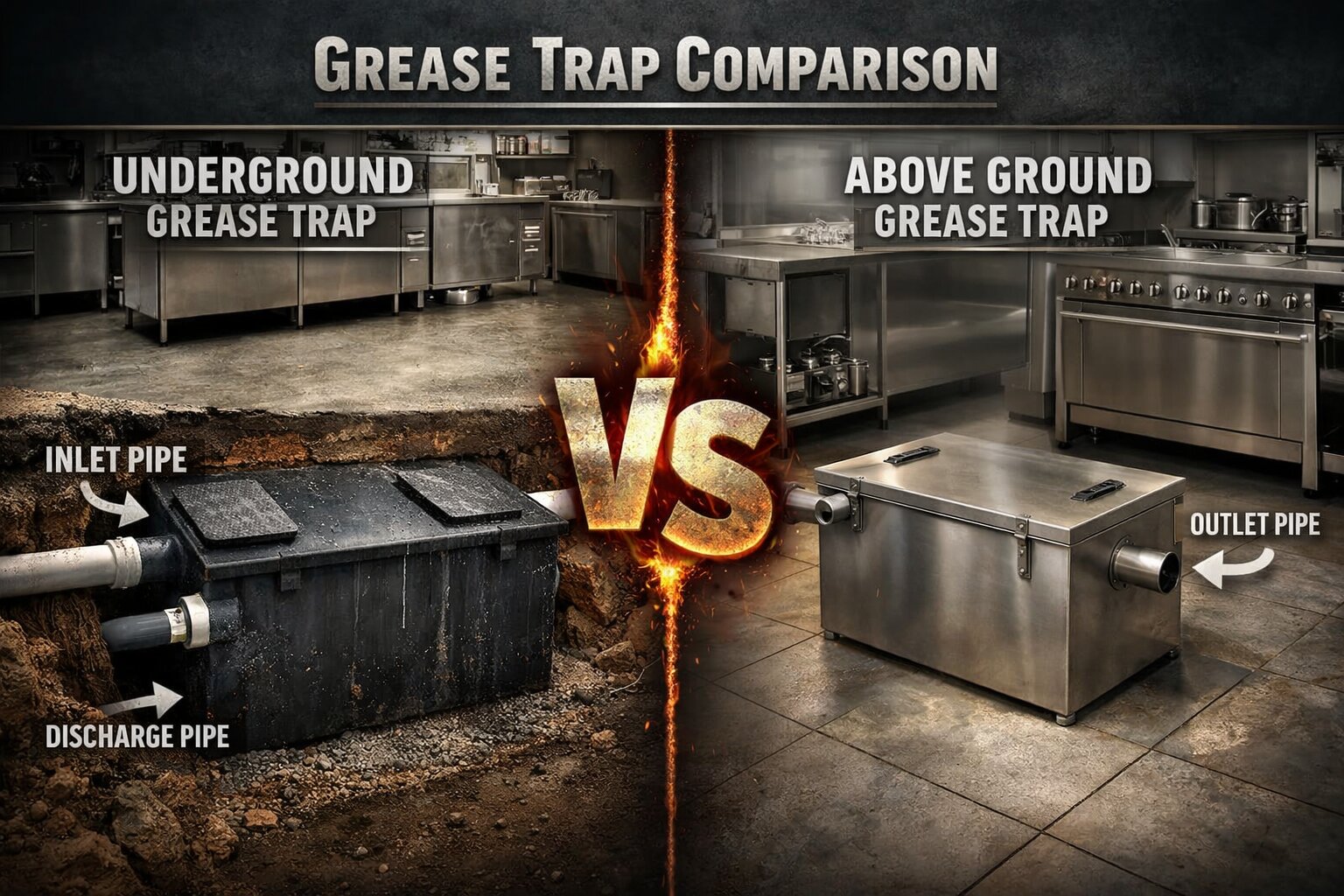
Underground v/s Above Ground Grease Trap 18-07-2026
Commercial kitchens in restaurants, hotels, food courts and other food facilities generate large quantities of FOG – fa...

Restaurant Grease Trap Buying Guide 02-07-2026
If you are an owner of a restaurant, you must consider investing in a good grease separator. The best Grease Trap for a resta...
Upcoming Events