
Why EPR registration matters for Battery Waste Management?
With technology evolution in recent years, India has seen a significant growth in the user of batteries across varied sectors including automotive, renewable energy and electronics.
The wide spread use of batteries does bring a pressing environmental challenge of battery waste management. Here is where the role of EPR registration for battery waste comes to play.
What makes EPR registration for battery waste important?
- Promote responsible manufacturing: EPR registration makes it compulsory for producers to engineer their products keeping the end-of-life stage in the mind. This encourages the manufacturing of batteries that are easier to recycle, contain few harmful materials and have long life span.
- Ensure proper collection and recycling: One of the significant benefits of EPR registration for Battery Waste is it ensures the establishment of efficient collection and recycling systems. The registered producers are required to setup collection centers or collaborate with authorized recyclers to facilitate the proper disposal of used batteries. This organized approach helps prevent batteries from ending up in landfills or being disposed of improperly leading to soil and water contamination due to harmful substances they contain.
- Reducing environmental pollution: The batteries contain heavy metals like lead, mercury and cadmium that are extremely harmful to the environment and human health if not disposed of in correct manner. The EPR registration ensures the proper handling of these materials while also ensuring that they are processed in a way that reduces their carbon footprint on the environment. Proper recycling methods can recover valuable materials and prevent release of toxins protecting eco system and public health.
- Encouraging innovation and efficiency: By holding producers accountable for entire lifecycle of their products, EPR encourages innovation in the battery technology. The manufacturers are incentivized to develop batteries that are long-lasting, recyclable and eco-friendly. Their innovative approach benefits environment and also lead to cost savings and new business opportunities in waste management and recycling domain.
- Adhere to regulatory norms: EPR registration helps companies comply with pollution norms of centre and state. It helps companies to adhere with the guidelines of the government enabling companies avoid legal penalties and contribute to the environmental sustainability goals.
- Create public awareness: EPR initiative includes public awareness campaigns to educate consumers about the importance of proper disposal and recycling. This increased awareness leads to better consumer participation in recycling programs, boosting overall effectiveness of battery waste management efforts.
- Economic benefits: Implementing EPR for battery waste management can have economic benefits. By creating formal recycling industry, it generates employment opportunities and stimulates economic growth. The businesses also recover valuable materials from the used batteries minimizing the dependency on raw materials leading to cost savings for manufacturers and preserving natural resources.
EPR registration for battery waste is a significant for battery waste management. It paves path for sustainable future by safeguarding public health and environment.
FAQs
1. What is EPR registration for battery waste management?
EPR registration for battery waste management is a regulatory requirement where producers are responsible for environmentally sound collection, recycling and disposal of used batteries.
2. What is the benefit of EPR registration for battery waste management?
EPR registration ensures properly battery disposal, minimizing environmental pollution and encouraging sustainable manufacturing practices.
3. What are the key responsibilities of producers under EPR registration for battery waste management?
Under EPR registration, producers are responsible for setting up collection systems for used batteries, ensuring their proper recycling and disposal.
-
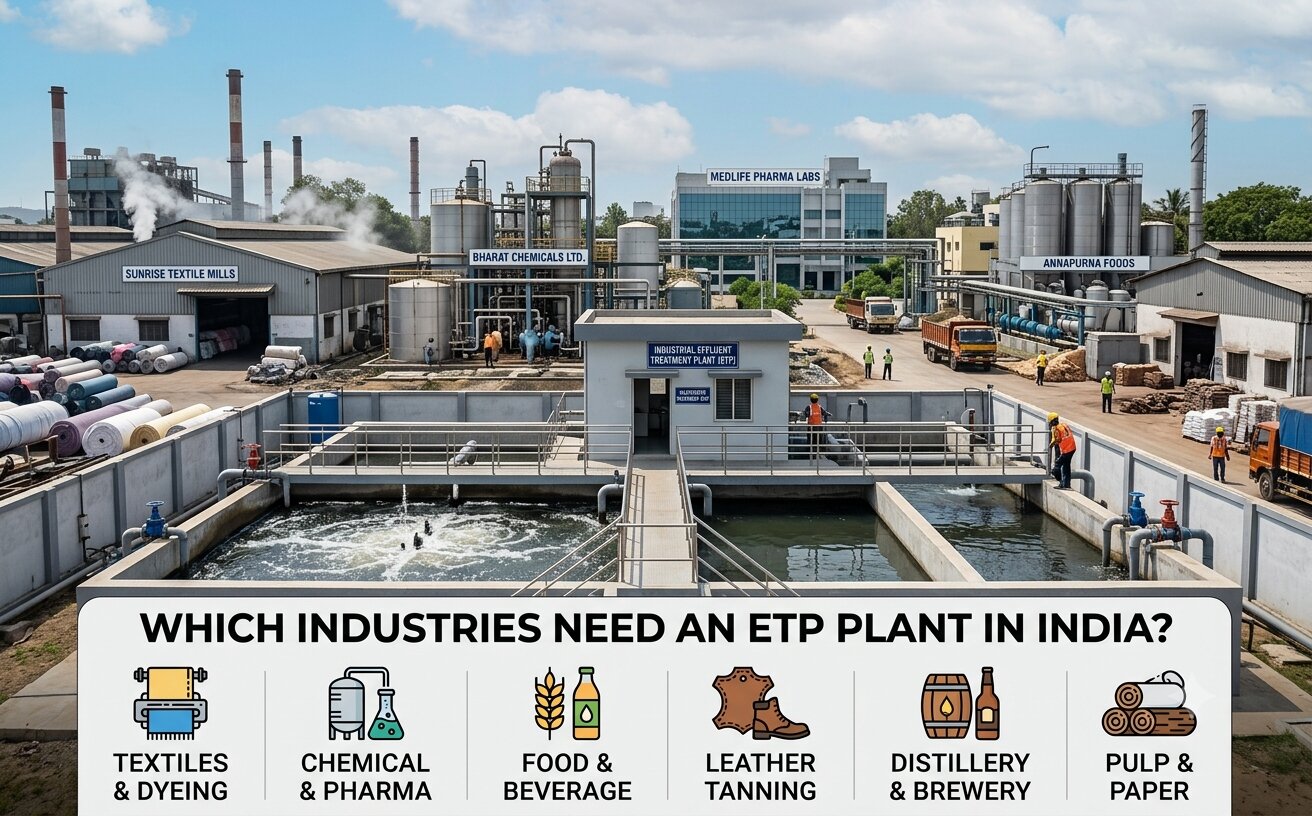
Which Industries need an ETP Plant in India?
17-09-2026
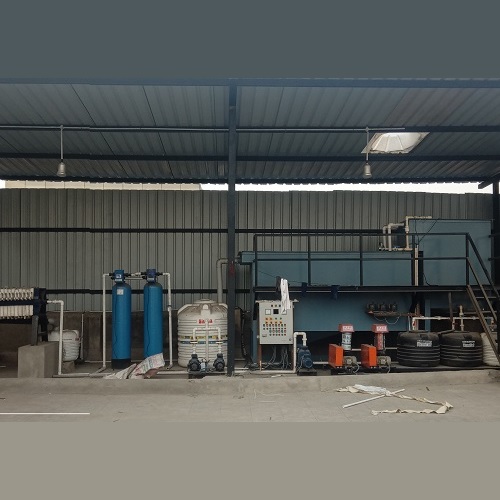
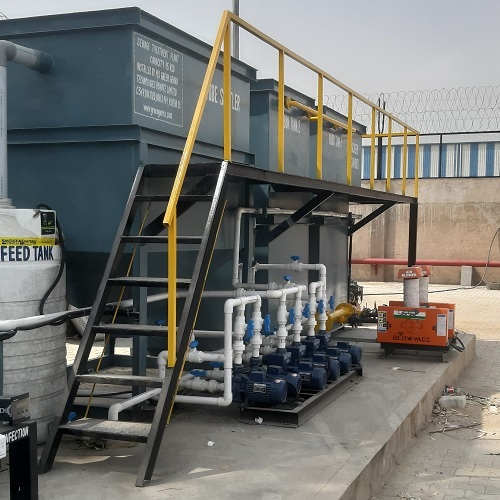
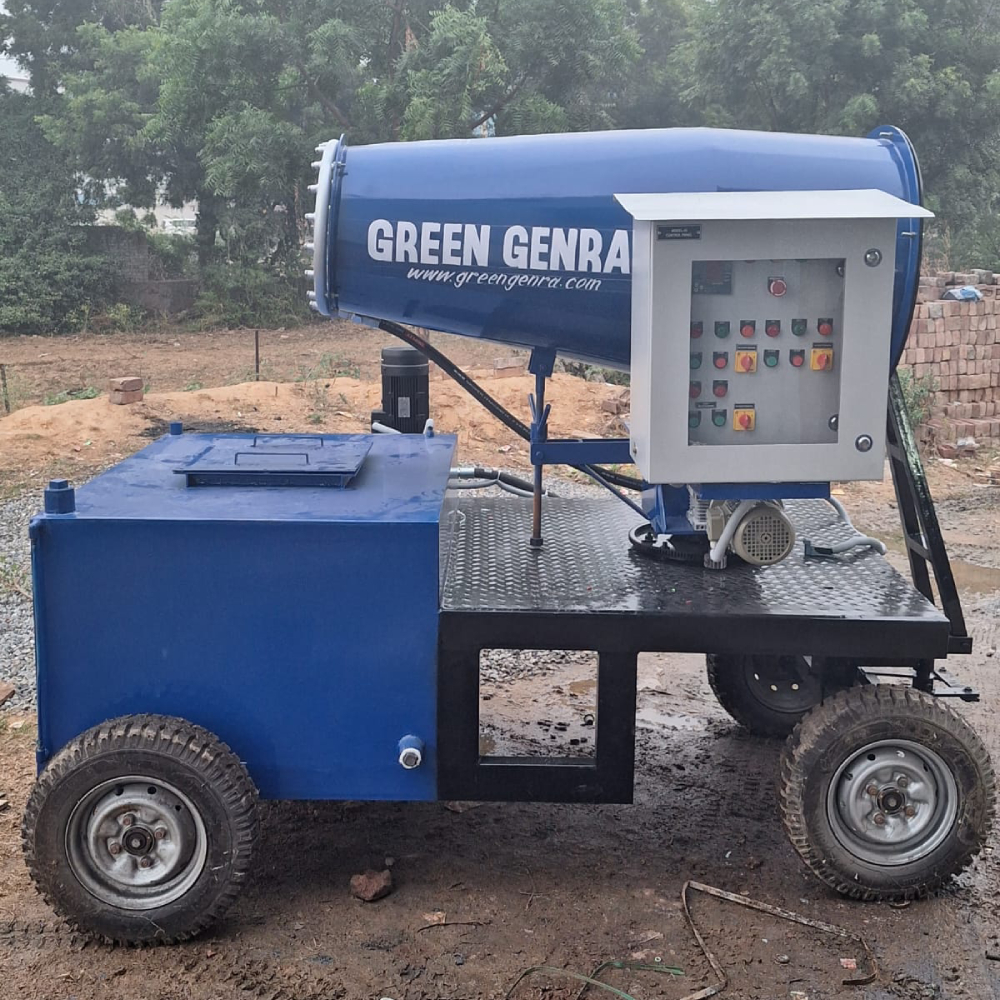
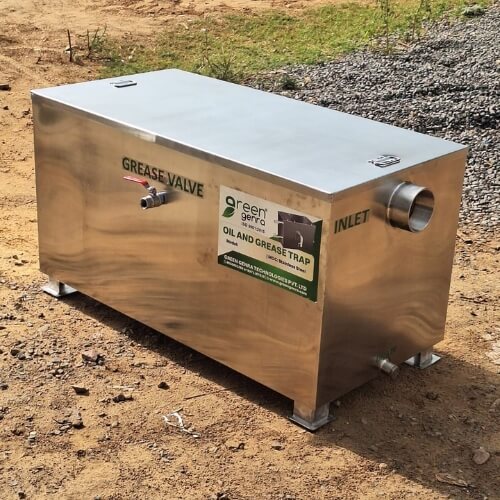
















































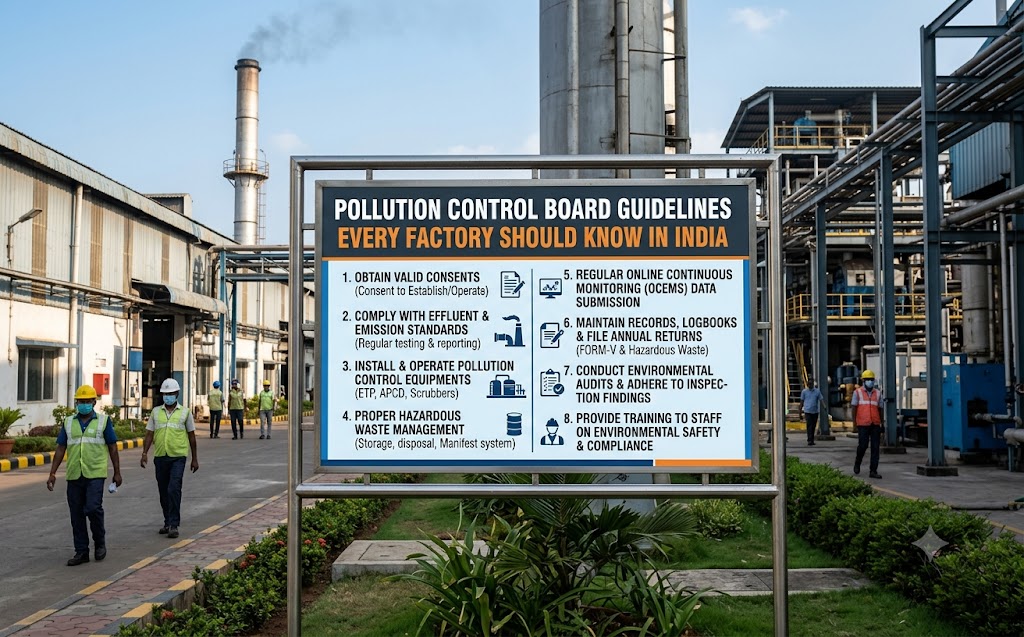
Factories in India operate under environmental regulations set by regulatory authorities to control pollution, protect natura...
Industrial growth in India has hit sky-high across many verticals, including manufacturing, textiles, pharmaceuticals, chemic...
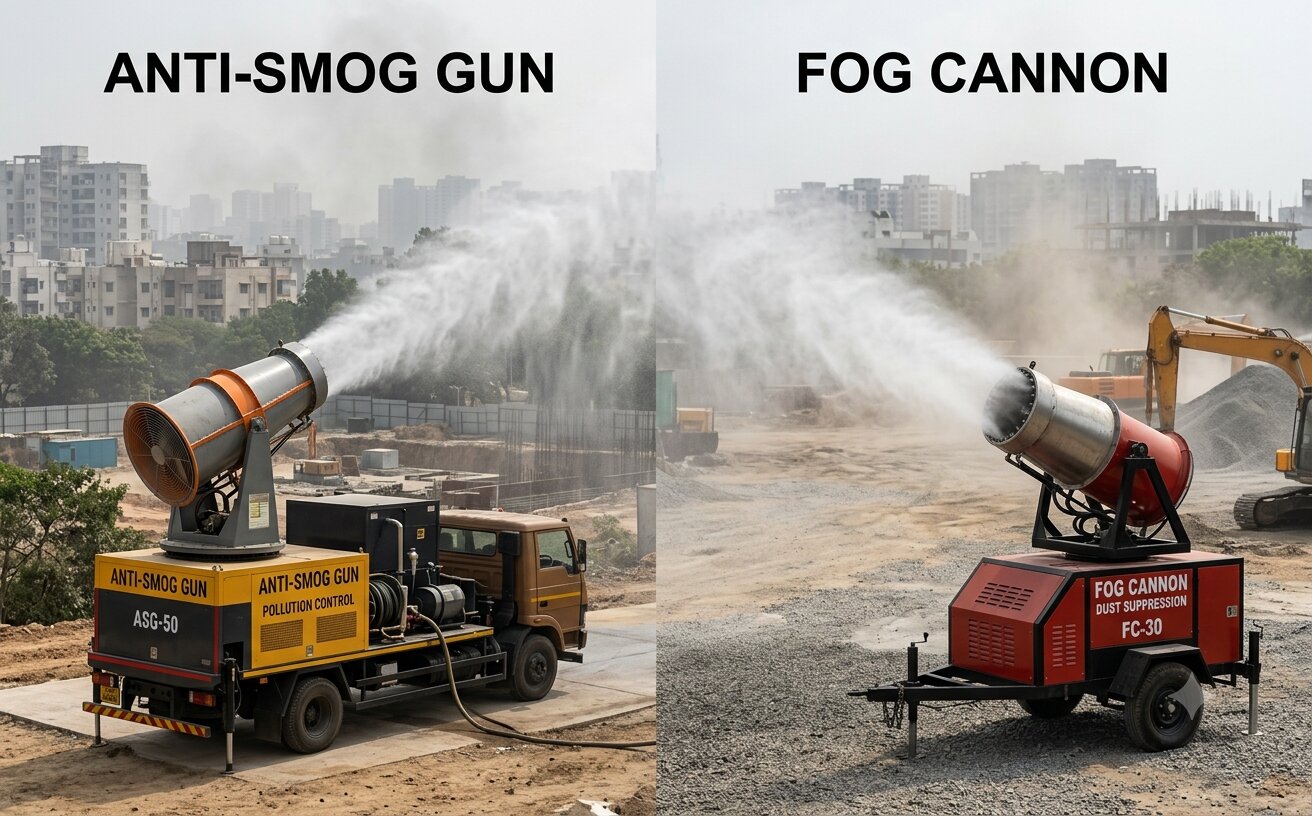
One of the most common issues Indian cities are facing is pollution. Pollution is very common in Delhi and the NCR area, wher...

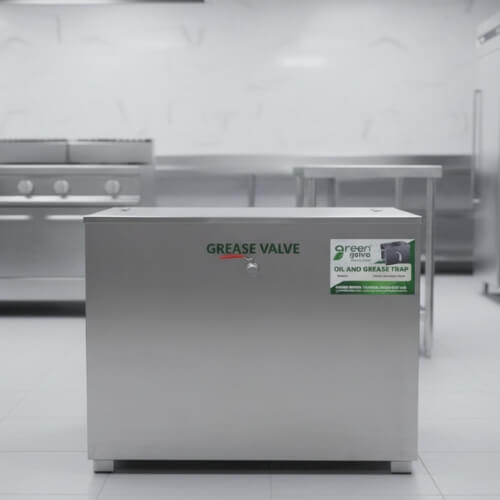
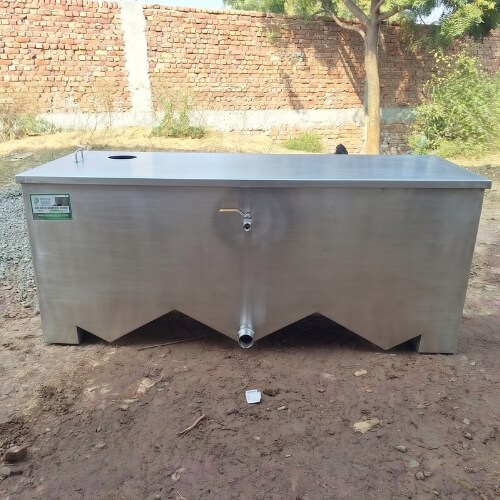
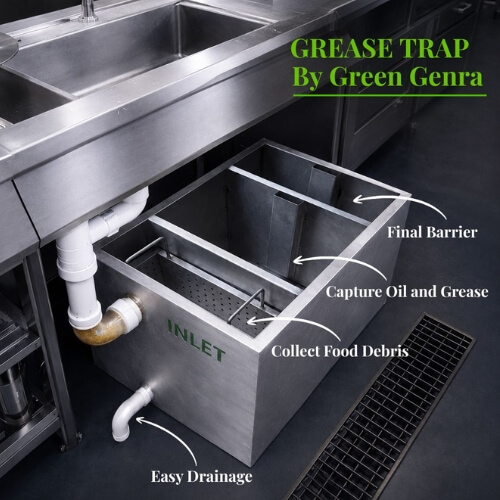
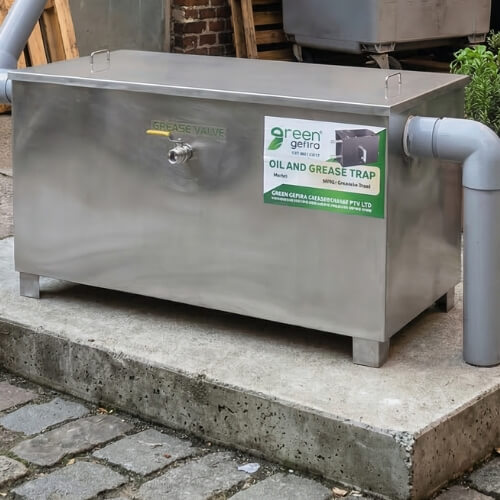
Commercial kitchens deal with large volumes of food, cooking oils, fats, food particles and wastewater daily. Hotels, food jo...
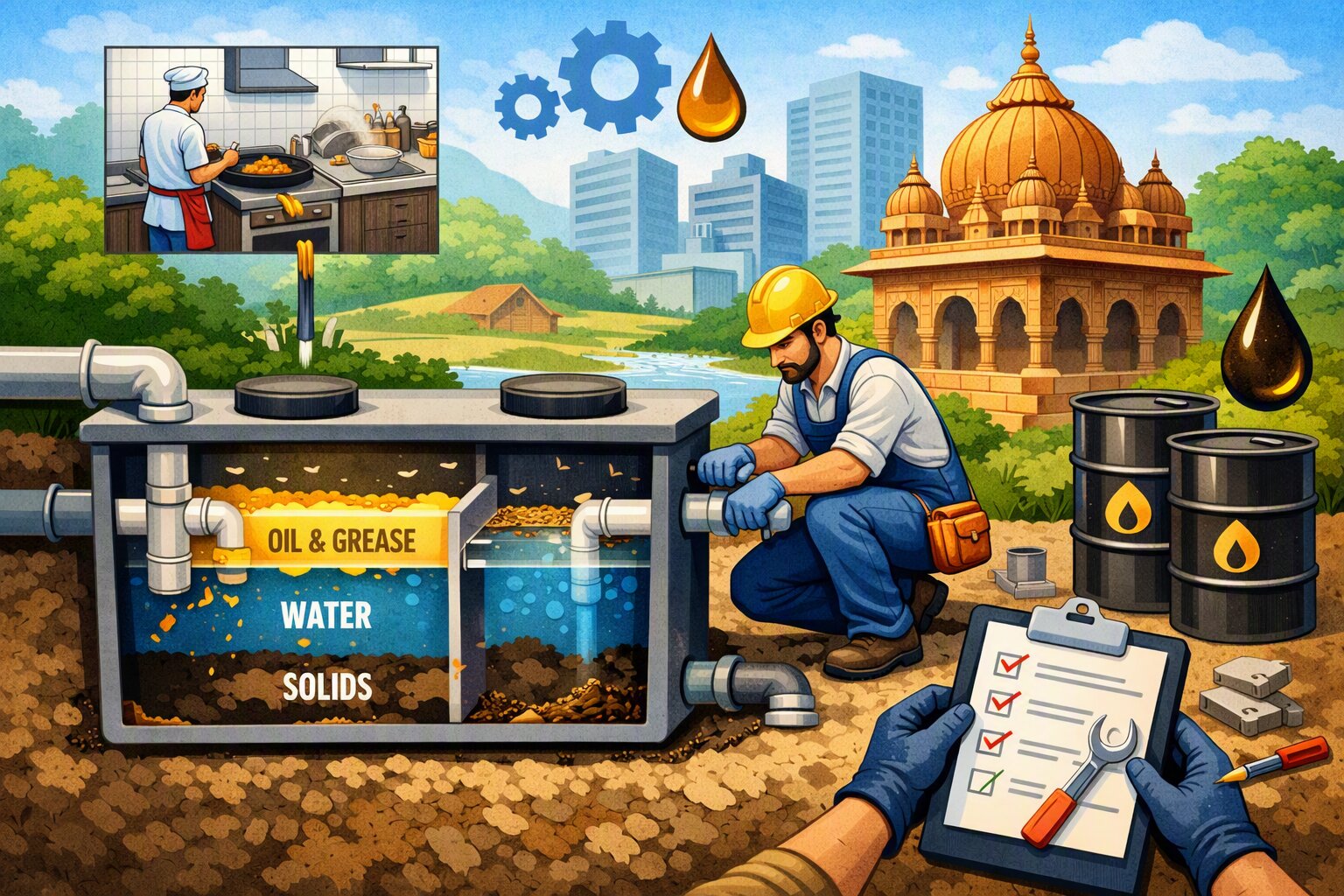
Commercial kitchens, restaurants, healthcare facilities, canteens, food joints, and food processing units generate wastewater...
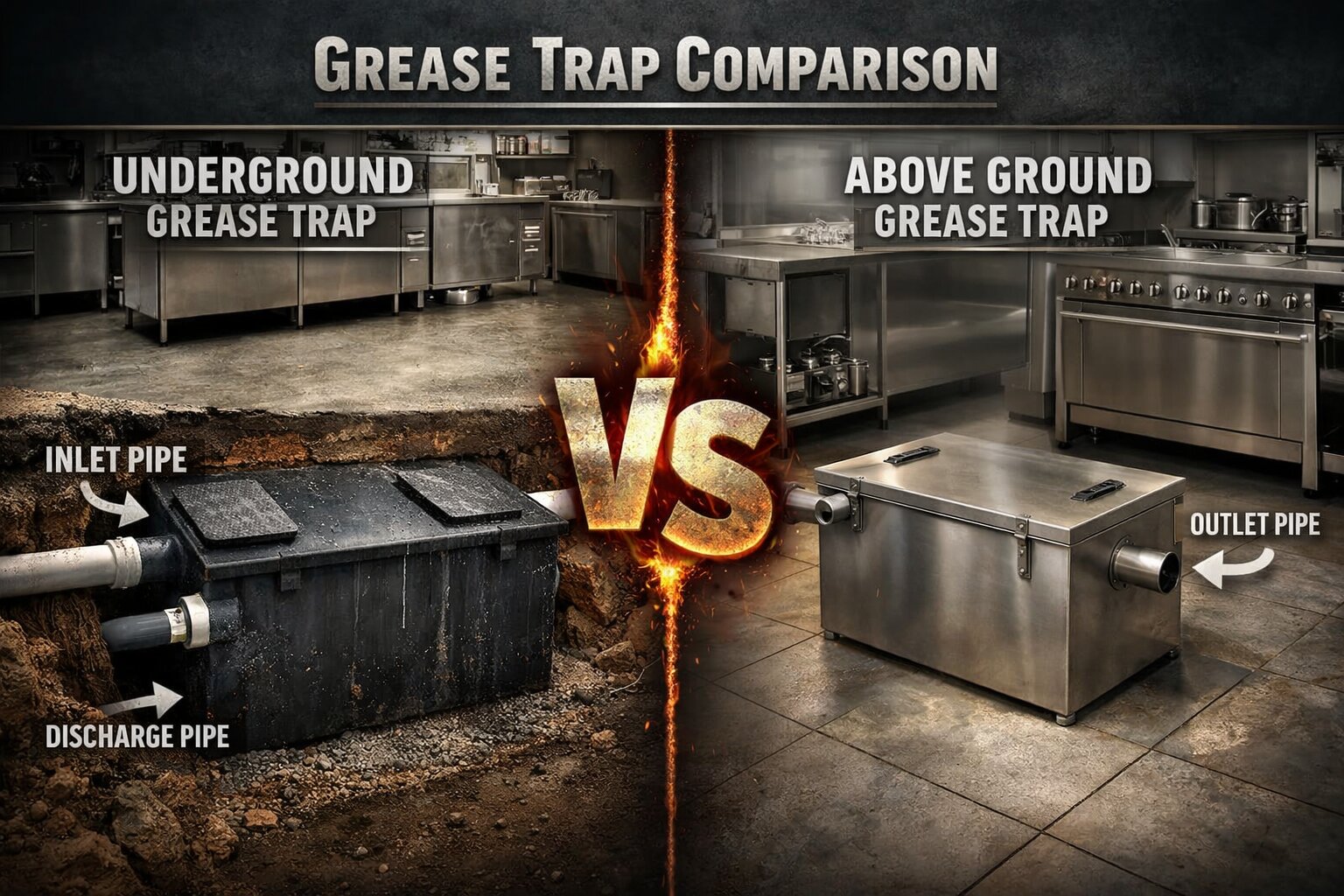
Commercial kitchens in restaurants, hotels, food courts and other food facilities generate large quantities of FOG – fa...